Hepper is reader-supported. When you buy via links on our site, we may earn an affiliate commission at no cost to you. Learn more.
Dog Suddenly Scared of Something in the House? Vet-Reviewed Reasons & Solutions


In this article
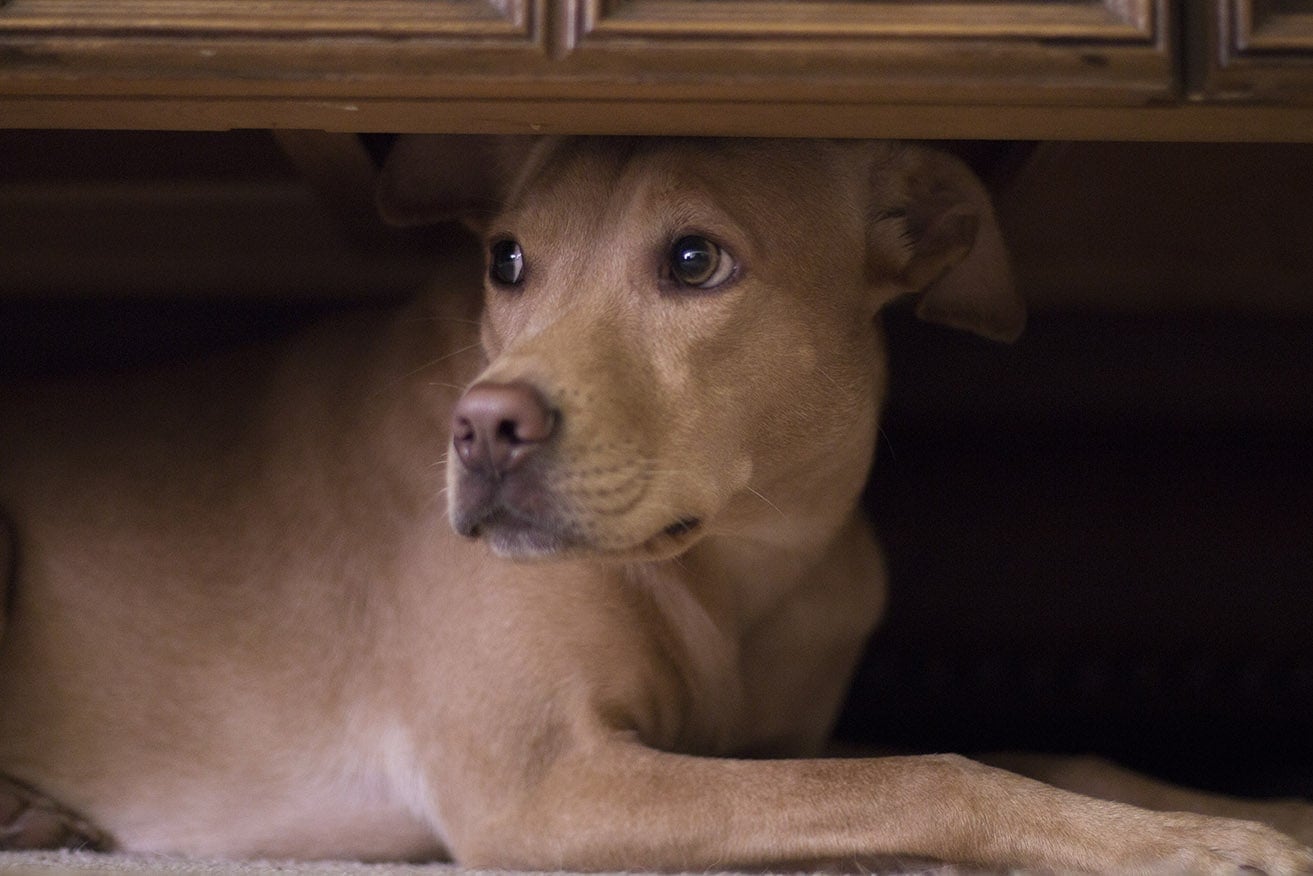
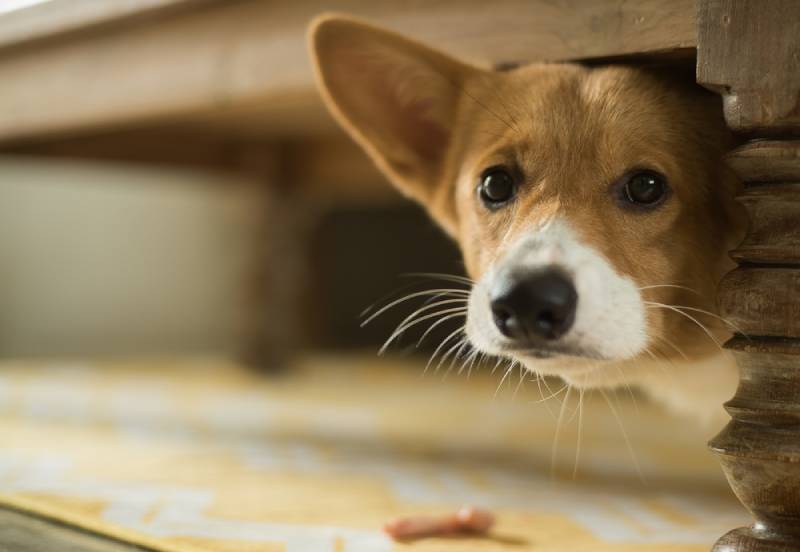
It can be very disconcerting if your dog suddenly seems to be afraid of something or someplace in your home. It can also be confusing, especially if your dog has lived in the home for a long time. Why would they suddenly develop a fear of anything in a house they’re familiar with? There are multiple reasons that dogs can suddenly develop a fear of something in their home, and it’s important for you to identify the cause of your dog’s fear so you can help them feel safe and secure again.

The 5 Reasons Why a Dog Might Suddenly Be Scared of Something in the House
1. Loud Noises
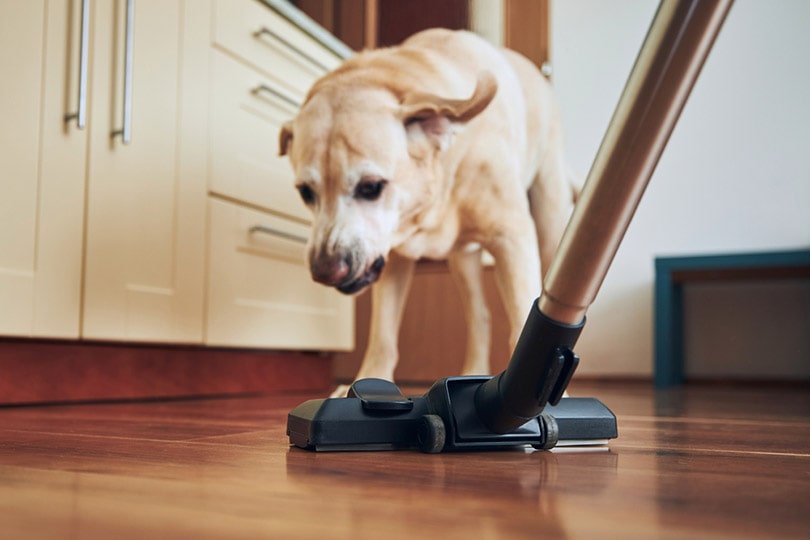
Many dogs are extremely fearful of loud noises, like fireworks and thunder. If there is an area of your home in which your dog was startled by loud noises, they may become afraid of that area. This might simply be because it’s the room that your dog took shelter in during a fireworks show, but it also may be because there has been a change in the area that is producing a new sound. Home construction, a loose ceiling fan, items falling from a shelf, or a noisy neighbor outside the window can all create noises that may spook your pup.
If you’re able to control the noise that is making your dog fearful, then there is a chance that you will be able to build their trust in that area back up. However, your dog is likely to remain fearful of that area if you are not able to keep the frightening noise under control.
2. Unfamiliar Noises
A noise doesn’t have to be loud to scare your dog. There may be unfamiliar noises in a room that make your dog uncomfortable. If something is making a high-pitched noise, for example, your dog may feel uncomfortable in the room. Your dog may also hear something that you haven’t noticed yet, like mice in the walls or a buzzing electrical socket. Any noises that are unfamiliar and uncomfortable can lead to your dog avoiding the area.
Try to determine if your dog is hearing something unusual or uncomfortable, especially if they seem fearful of a specific part of a room. Check electronics, air vents, and anything else that may create noise. If you’ve had issues with pests in the past, it might be a good idea to call in an exterminator to determine if you have pests living in your home.
3. Unfamiliar Visitors
If you have house guests or you recently had house guests, there’s a chance that your dog simply wasn’t comfortable with their presence. You likely have a good idea of whether your dog was comfortable with the visitors or not. For a dog that is afraid of strangers or that has had negative experiences with visitors, it makes sense to be fearful of the area the strangers are or were in. Your dog may remain uncomfortable or fearful of the area, even after the guests leave.
More than likely, your dog will quickly feel safe again after the visitors have left. They may avoid the area the guests were in for a while, but distance from the people that made your dog feel uncomfortable or unsafe is likely to resolve your dog’s fears. If a particular set of visitors causes problems for your dog, you may need to encourage them to make other arrangements the next time they come to visit.
4. Unpleasant Experiences
Just like people, dogs can experience trauma, and it can leave a lifelong impression on them. Some dogs may come to you with a history of trauma, and these dogs usually have clearly defined fears. However, if your dog experiences a traumatic or unpleasant event in your home, then they may become fearful.
Helping your dog work through a traumatic experience can be difficult, and the “how” varies widely based on the type of trauma your dog experienced. Things like a loud newborn or a cat that jumps out and spooks your dog are likely to become commonplace for your dog, reducing their fear. In extreme cases, like after a home invasion, you may need to consult a certified veterinary behaviorist or a specialized dog trainer to help your dog work through their fear.
5. Age
As dogs enter their golden years, many of their behaviors and habits change. An unfortunate change that many dogs experience is cognitive dysfunction, which may include increased anxiety and fear. Anxiety and new phobias may also be due to a decrease in their vision, hearing, sense of smell, or a combination of the three. Dogs rely heavily on their senses, and like in people, their senses weaken with age. If your dog’s vision or hearing has decreased, then they may become fearful of dark rooms.
If you suspect your dog is developing fears related to aging, it’s a good idea to have them checked over by their vet. Some age-related conditions are manageable, and in other cases, medications and behavior modifications can be useful in helping your dog feel safe and comfortable again. A vet visit will also rule out an underlying injury or illness.
6. Injury
There are a lot of ways that your dog can become injured, whether you accidentally stepped on them or they got caught in a piece of furniture. If your dog was injured in a specific part of your home, then they may become fearful of that location for fear of being injured again. If your dog has become injured, they should be evaluated by their vet to rule out a serious injury. This is especially important in situations where you suspect a broken bone or internal injuries.
If your dog is fearful of you because you accidentally injured them, then you will be able to work with your dog using positive reinforcement techniques to help them feel safe with you again. If your dog was injured by an object or some part of your home’s layout, like stairs, then it’s necessary for you to take steps to ensure the area is safe and your dog won’t be injured there again.


How Do I Know if My Dog Is Afraid?
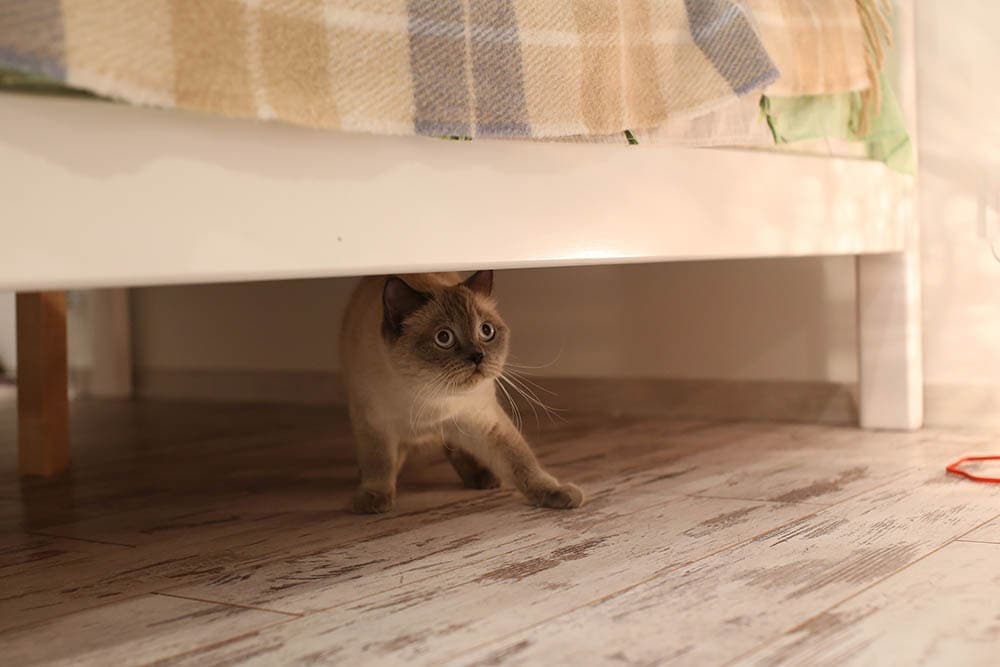
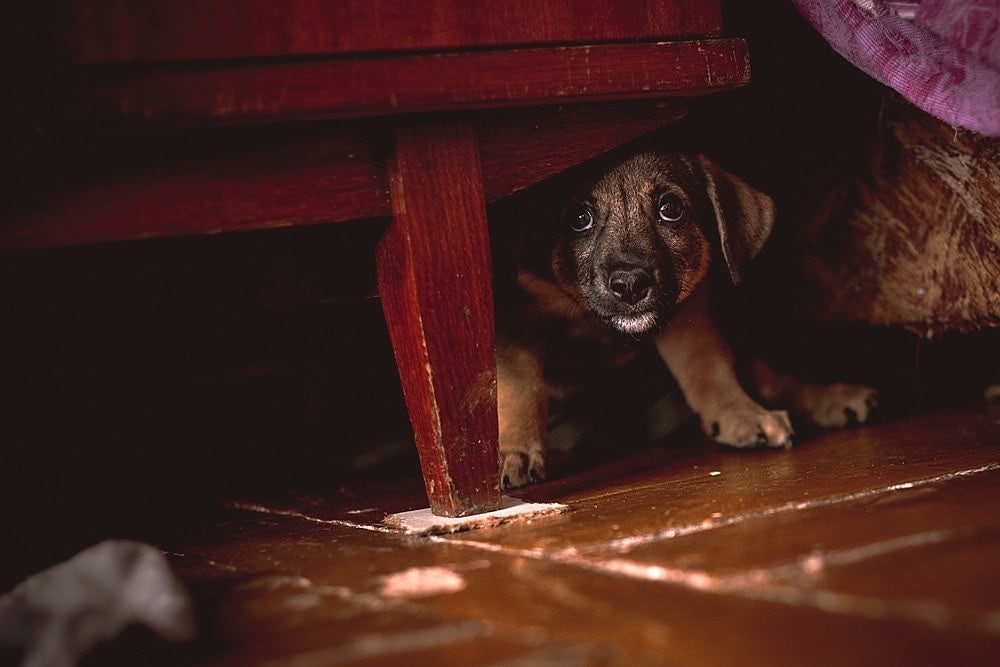
You should be able to identify the behaviors that indicate your dog is afraid so you can help them feel safe and comfortable again. There are multiple signs of fear that dogs may exhibit, from running away and hiding to barking and cowering. A fearful dog may eat less or seem restless or jumpy. They may also become excessively clingy or begin to avoid you altogether.
Keep in mind that a fearful dog is usually considered to be a bite risk. If your dog is afraid, they may snap when startled or hurt. Even the nicest dog can bite in a frightening situation. If your dog seems afraid or nervous, speak calmly to them, be gentle, and don’t make sudden movements or surprise them.
Final Thoughts
There are many reasons that your dog may suddenly become fearful of something or someone in your home. To help your dog move past their fear, you will need to understand what they are afraid of. It may take some investigating to rule out causes and narrow down the specific problem. If your dog is acting strange or fearful and you can’t find an obvious cause for it, a vet visit is a good idea. This can ensure that there isn’t an underlying physical problem with your pup.
Sources
Featured Image Credit: Paul's Lady, Shutterstock
Get Hepper In Your Inbox


Pet care tips from our vets and experts, straight to your inbox.
You may opt-out at any time. View our Privacy Policy for more information.
After nine years as a veterinary assistant, Brooke Billingsley transitioned to a career as a nurse in 2013. She lives in Arkansas with her boyfriend, sharing their home with three dogs, two cats, five fish, and two snails. A dedicated animal lover, Brooke has a special place in her heart for special needs pets, including a three-legged senior dog and a famous cat with acromegaly and cerebellar hypoplasia. Fish keeping is one of her hobbies, and she is constantly improving her knowledge to care for her aquarium pets. Brooke is an active yoga enthusiast, having obtained her 200-hour yoga teacher certification in 2020. She believes in the importance of continuous learning and dedicates time each day to developing new skills and expanding her knowledge.
Join the conversation
Ask a question, share your story, or send private feedback.