Hepper is reader-supported. When you buy via links on our site, we may earn an affiliate commission at no cost to you. Learn more.
How Long Do Bull Terriers Live? Vet Reviewed Lifespan, Data & Care

In this article
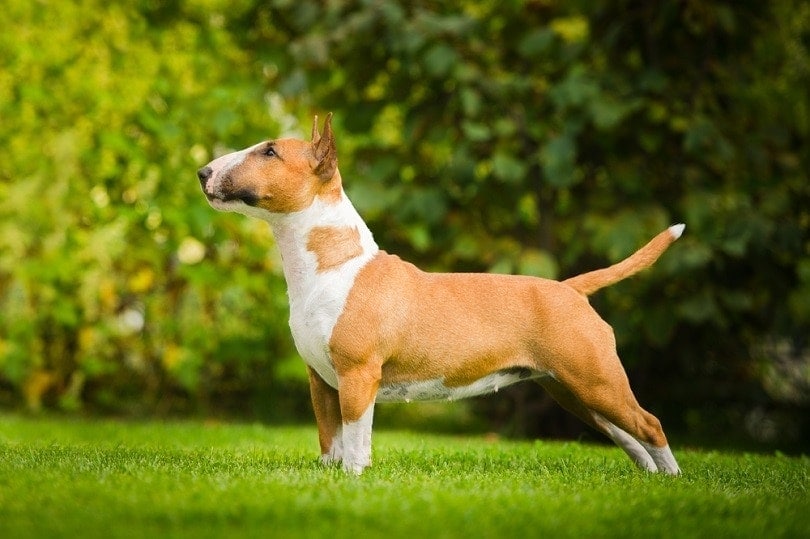
Despite having a tough appearance, Bull Terriers are very sweet and affectionate dogs. They make wonderful companion pets for people who have active lifestyles and are looking for a dog that remains playful throughout most of their lifetime.
In general, Bull Terriers have a lifespan of about 12–13 years. While genetics play a role in a Bull Terrier’s lifespan, other factors, such as environment and nutrition, can also impact how long they live.

What’s the Average Lifespan of a Bull Terrier
Bull Terriers usually live for about 12–13 years. There are some exceptions caused by health issues. Bull Terriers are susceptible to hereditary nephritis1, which is a type of kidney disease. Hereditary nephritis can reduce a Bull Terrier’s lifespan by several years. It’s also a condition that can be found in puppies, and some puppies do not survive past 3 years old.

Why Do Some Bull Terriers Live Longer Than Others?
1. Nutrition
Dogs are omnivores and need a well-balanced diet that contains vitamins and minerals that support their daily functioning. Bull Terriers also have different nutritional needs for varying life stages. For example, Bull Terrier puppies must consume more calories than adult dogs, and their diets require special nutrients that support healthy brain development and bone and muscle growth. As Bull Terriers age, they may need to switch to low-calorie diets and diets with lower percentages of protein.
Nutritional deficiencies can disrupt healthy growth and development. They can also contribute to chronic health issues, like obesity and heart issues, that increase the risk of shortened lifespans.
2. Environment and Conditions
The environment can also impact a Bull Terrier’s lifespan. For example, Bull Terriers have short coats and aren't very tolerant of colder climates. Since they get colder easily, they're more susceptible to getting sick or hypothermia during cold winter months.
Bull Terriers also need to be in an environment that makes them feel safe. Chronic stress and anxiety can lead to all sorts of health issues, including a weakened immune system, high blood pressure, and urinary tract concerns.
3. Housing
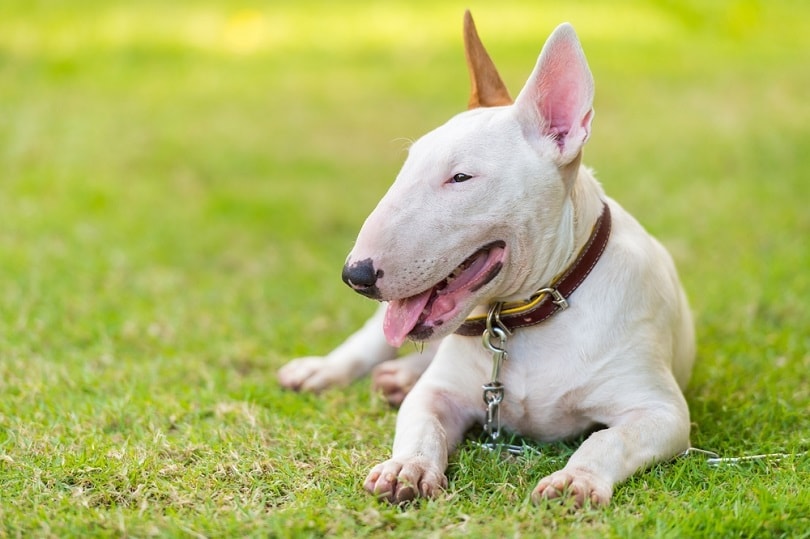
Bull Terriers are very energetic and playful, so they need a lot of space to run. Therefore, they don't make the best apartment dogs and are better suited for single-family homes with a nice, fenced backyard that they can run around in. Insufficient exercise can be very detrimental to a Bull Terrier’s health, and it increases the risk of obesity and boredom. Since Bull Terriers are also extremely intelligent and require mental stimulation, boredom will eventually lead them to engage in destructive behaviors or develop anxiety or depression.
4. Size
A Bull Terrier's size isn't solely indicative of their lifespan. However, some Bull Terrier puppies that have not had proper nutrition and exercise may be smaller than average because a lack of nutrition disrupts their growth and development. So, if a Bull Terrier adult is smaller than average due to their nutritional needs not being met during puppyhood, they can be at higher risk of having a shorter lifespan.
5. Sex
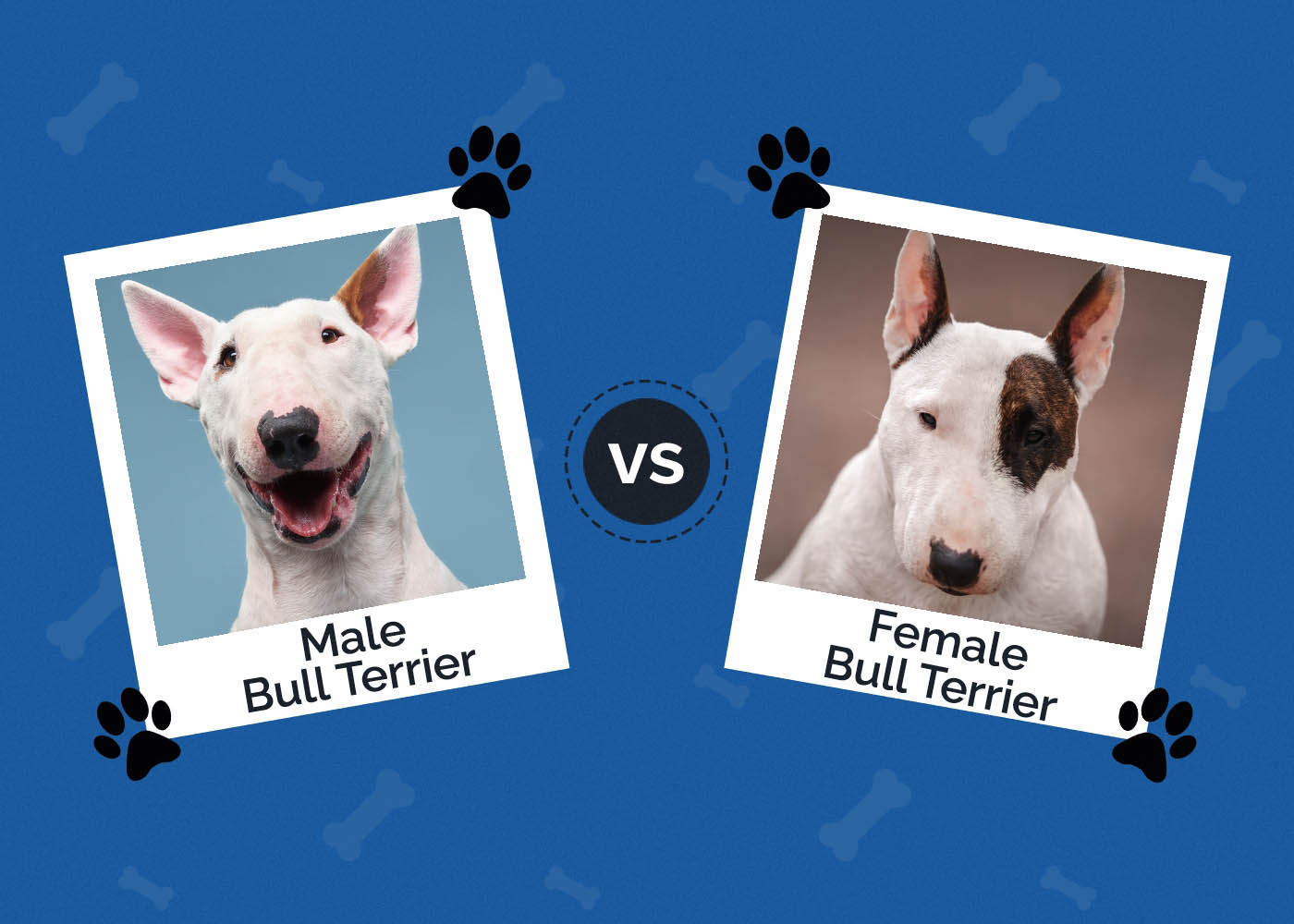
There isn't sufficient evidence to state that a Bull Terrier's sex correlates directly to their lifespan. However, spaying and neutering may have more influence in affecting a dog's lifespan. For example, dogs that have been spayed and neutered are at a lower risk of developing certain cancers than dogs that haven’t been sterilized.
6. Genes
A Bull Terrier’s genetics can play a role in their lifespan. In general, the life expectancy of purebred dogs decreases as the breed’s size increases. Certain health issues can also be passed down through genetics, including kidney issues, heart issues, and lethal acrodermatitis. These conditions can negatively impact a Bull Terrier’s quality of life and increase the risk of having a shorter lifespan.
7. Breeding History
As certain health issues can be passed down genetically, it is important to consider a Bull Terrier’s breeding history and only work with breeders that have reputable and ethical breeding programs. Studies show that inbreeding doesn't have a strong negative correlation with a dog's lifespan, but inbred dogs do have a higher burden of overall morbidity.
8. Healthcare
Access to healthcare plays a role in a Bull Terrier's lifespan. Dog owners who have a stronger relationship with their veterinarians are more likely to stay on top of annual checkups and maintain communication with them. Annual checkups can be lifesaving as they can test for certain illnesses and detect them in the early stages. They can also help pet owners know if their dogs are healthy and if any lifestyle changes have to be made to improve their overall quality of life.

The 4 Life Stages of a Bull Terrier
Puppy
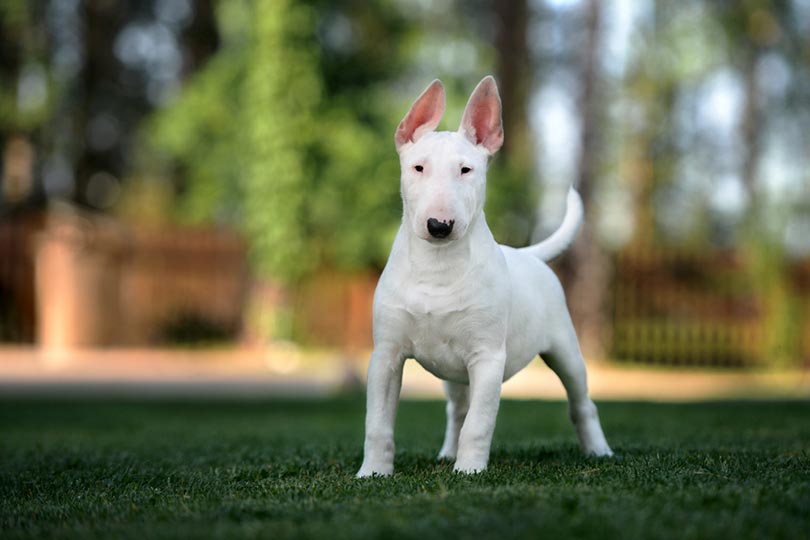
Puppyhood for Bull Terriers lasts between 12 to 18 months. During this time, Bull Terrier puppies require special attention to their diets, training, and exercise. Consuming high-quality dog food with a puppy formula will ensure that the puppy’s getting all of the nutrients they needs to support healthy growth and development. Bull Terriers also require a lot of exercise and playtime because they're naturally playful and intelligent. Providing plenty of physical exercise will help support healthy physical growth, and plenty of mental stimulation will benefit the puppy’s cognitive health.
Young Adult
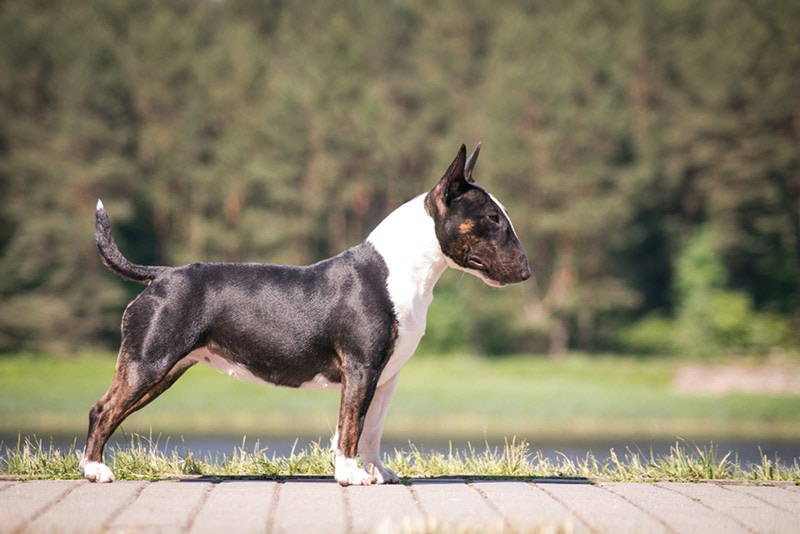
Young adulthood for Bull Terriers can last until they're about 20 to 24 months old. A Bull Terrier will have already gone through its most significant growth before it reaches this stage. It may, however, grow a few more inches and gain a few more pounds during this time until they reach full adulthood.
Mature Adult

This is the longest stage of a Bull Terrier's life. By this stage, the Bull Terrier will have completed their growth and development and will have a consistent size and weight. They should have also fully transitioned to eating dog food with an adult formula. Since Bull Terriers have such playful personalities, they act very youthfully even though they are technically in mature adult life.
Senior

You’ll start to notice your Bull Terrier slowing down at around 7 years old. During the senior phase, your Bull Terrier may start to get tired more quickly and not require as much playtime or exercise. You may also need to start transitioning your Bull Terrier’s diet to a senior dog diet. Senior Bull Terriers can also start to develop chronic health conditions, so it's important to stay on top of vet checkups and be extra mindful of their diet and exercise.

How to Tell Your Bull Terrier’s Age
Taking your Bull Terrier to a veterinarian will be the best way to get an accurate estimate of your Bull Terrier’s age. However, some clues can help you determine their age on your own. Size will be one of the most significant indicators of your Bull Terrier’s age. If your Bull Terrier is small and still growing, they’re still in their first to second years of life.
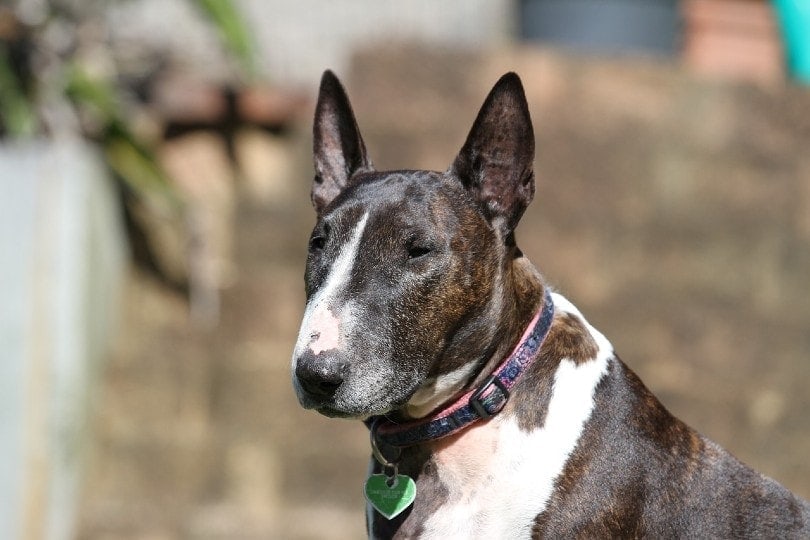
It can be a little more difficult to determine how old a Bull Terrier is in their adulthood. You may be able to get some clues from their appearance. Older Bull Terriers may have more faded coats and graying whiskers. Their noses may also lighten in color, and their teeth may not be as bright as a juvenile Bull Terrier’s teeth.

Conclusion
Bull Terriers are generally a healthy dog breed that can live for between 12 to 13 years. External factors, particularly diet and exercise, can impact a Bull Terrier’s lifespan. So, dog owners need to ensure that they can provide a safe home environment, adequate food, and plenty of exercise and mental stimulation. Being a responsible dog owner may not be a guarantee for extending a dog's lifespan, but it can certainly increase the likelihood of a Bull Terrier living a long and happy life.
Featured Image Credit By: Eve Photography, Shutterstock
Get Hepper In Your Inbox


Pet care tips from our vets and experts, straight to your inbox.
You may opt-out at any time. View our Privacy Policy for more information.
Jessica is a freelance writer who spends most of her day reading and writing while her fluffy Cavapoo, Nora, naps beside her. She loves and appreciates pets and animals because there’s so much to learn from them, and they do so much for people. As a dog mom, she understands the special relationship that pet parents have with their pets. So, she loves sharing helpful information that people can use to better understand their pets. When she’s not writing, you can find her walking dogs, tending to her plant babies, or drinking her nth cup of coffee.
Join the conversation
Ask a question, share your story, or send private feedback.