Hepper is reader-supported. When you buy via links on our site, we may earn an affiliate commission at no cost to you. Learn more.
Bullmastiff vs. English Mastiff: The Differences (With Pictures)

In this article
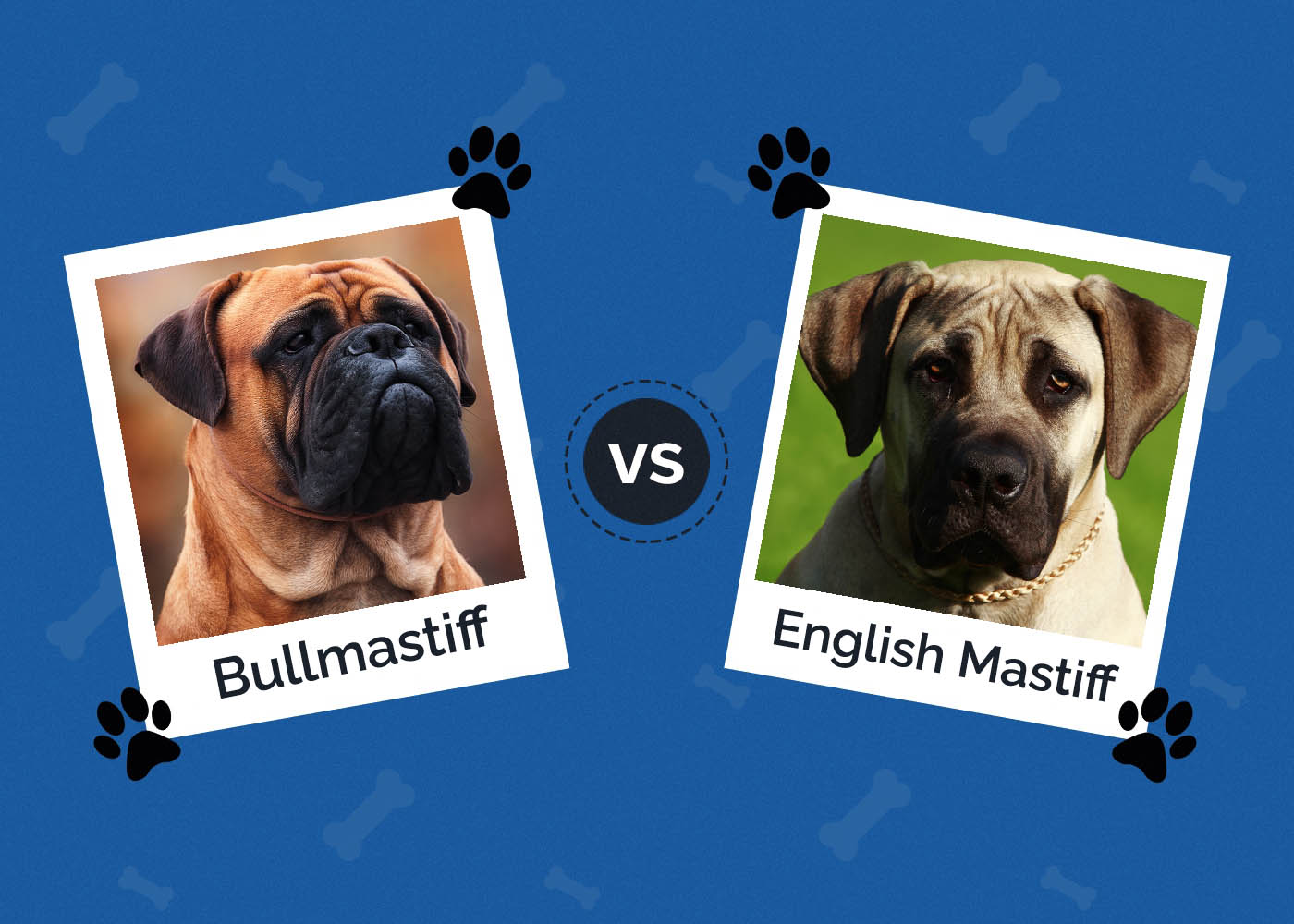
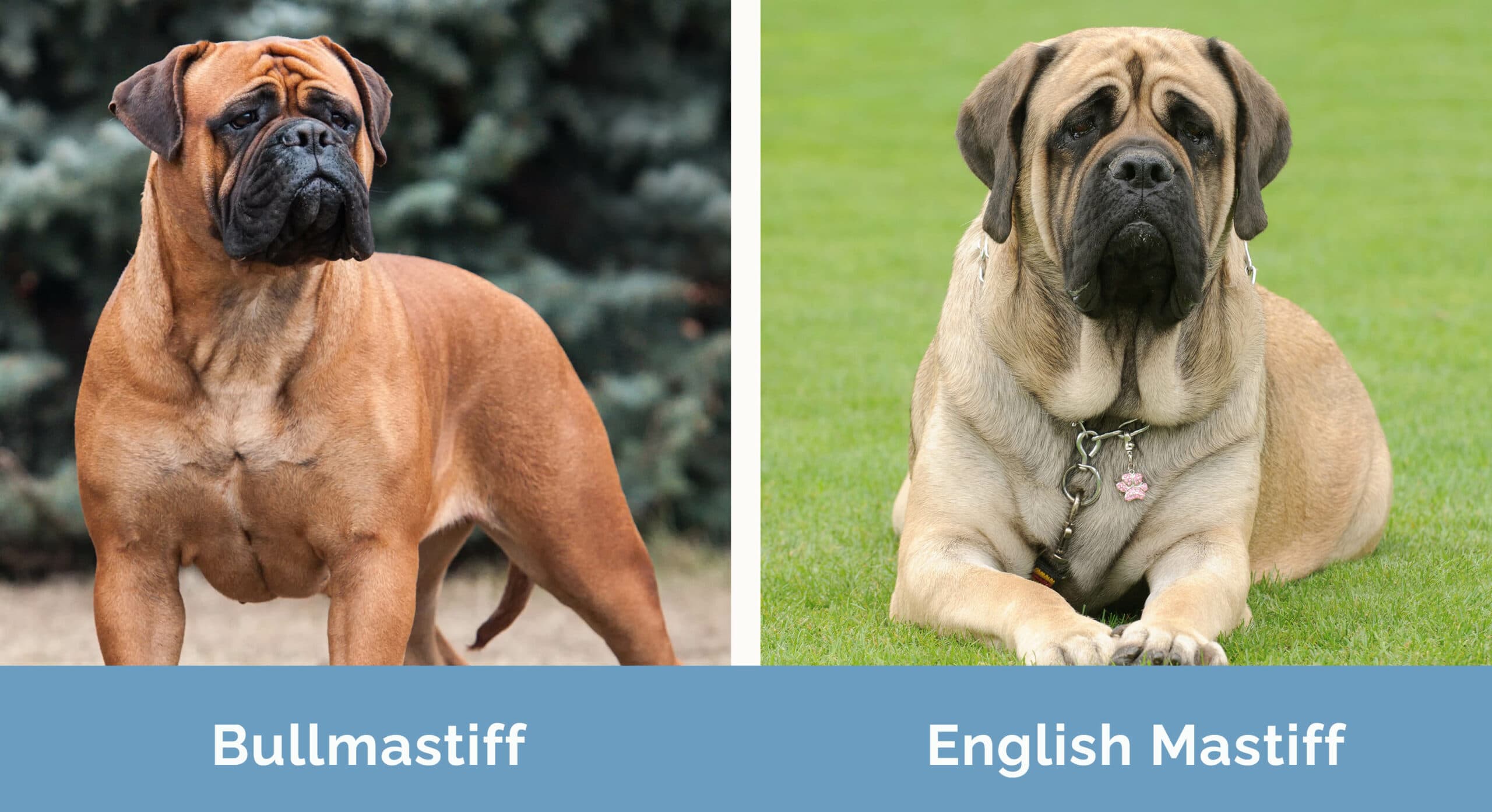
Bullmastiffs and English Mastiffs are two breeds that are closely related. In fact, to the untrained eye, they can easily be confused for one another. Despite their close relationship, there are some major differences between these two breeds, including size and personality. So, which breed would be a better fit for you? This guide will cover the main differences between the Bullmastiff and the English Mastiff while highlighting their similarities and which situations they are best suited for. By the end, you should know the main differences between these two popular breeds and be able to quickly tell them apart.

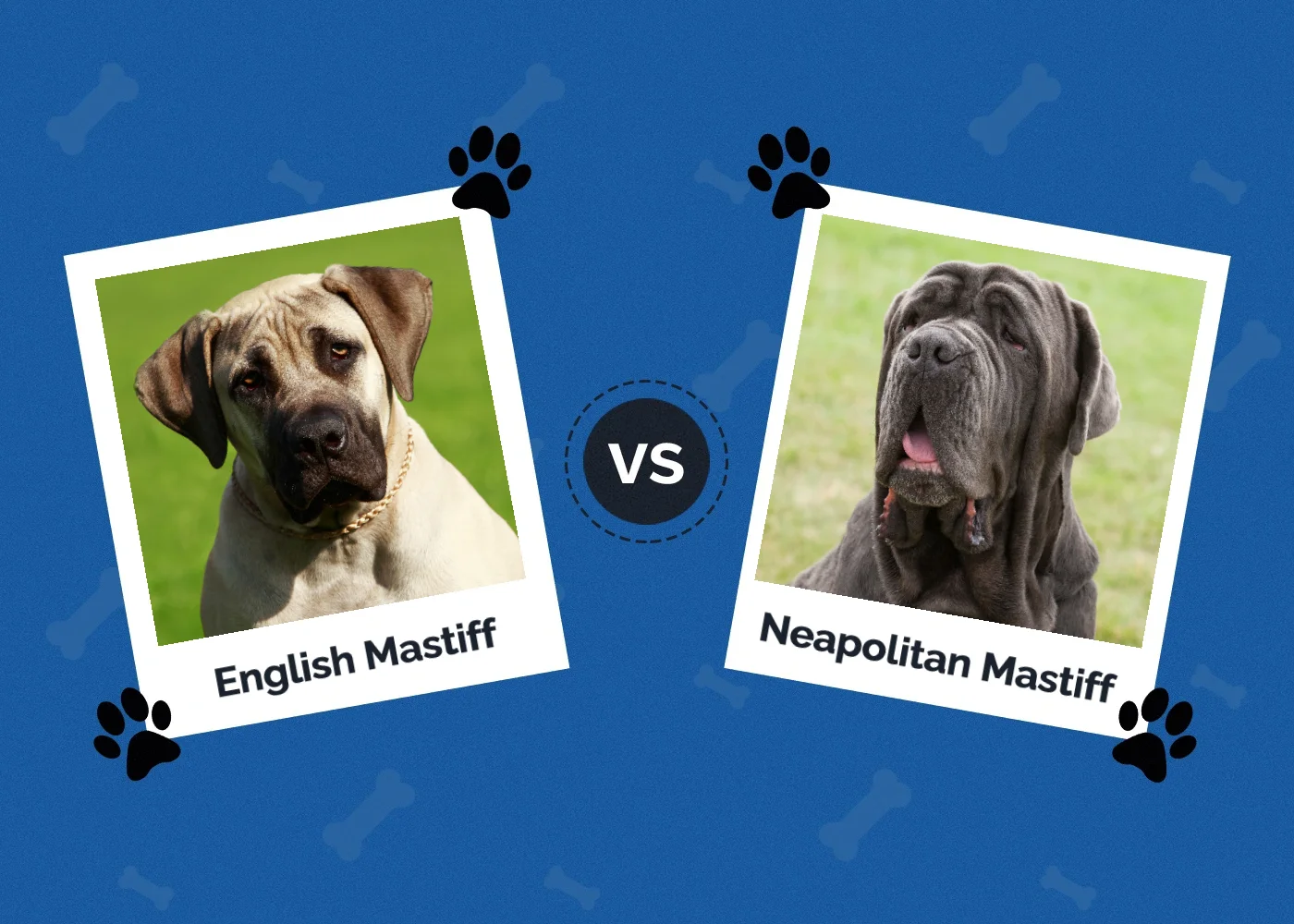
Visual Differences
At a Glance

Bullmastiff Overview
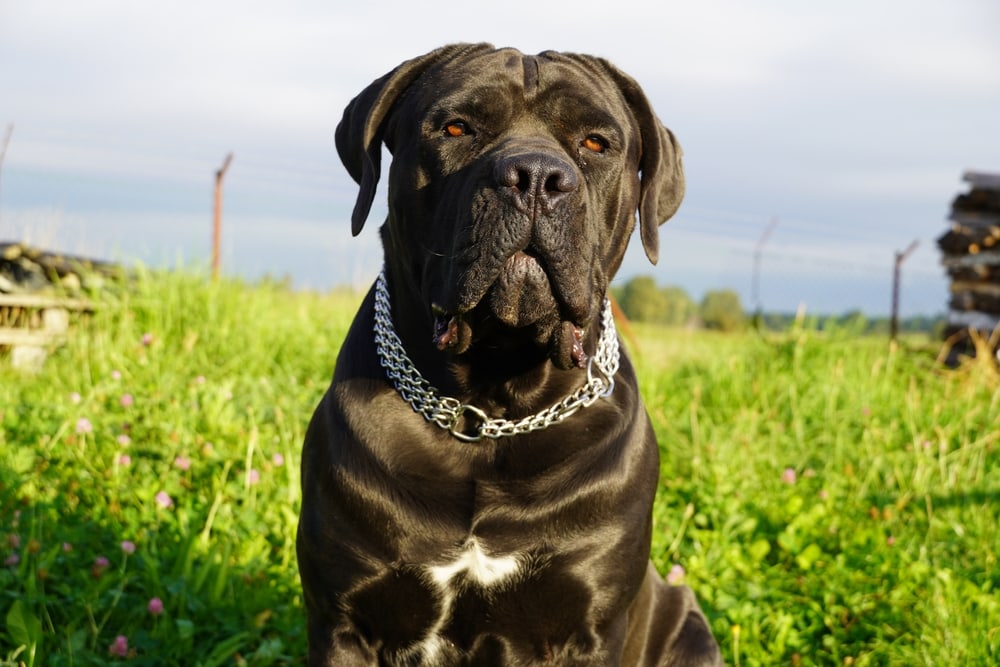
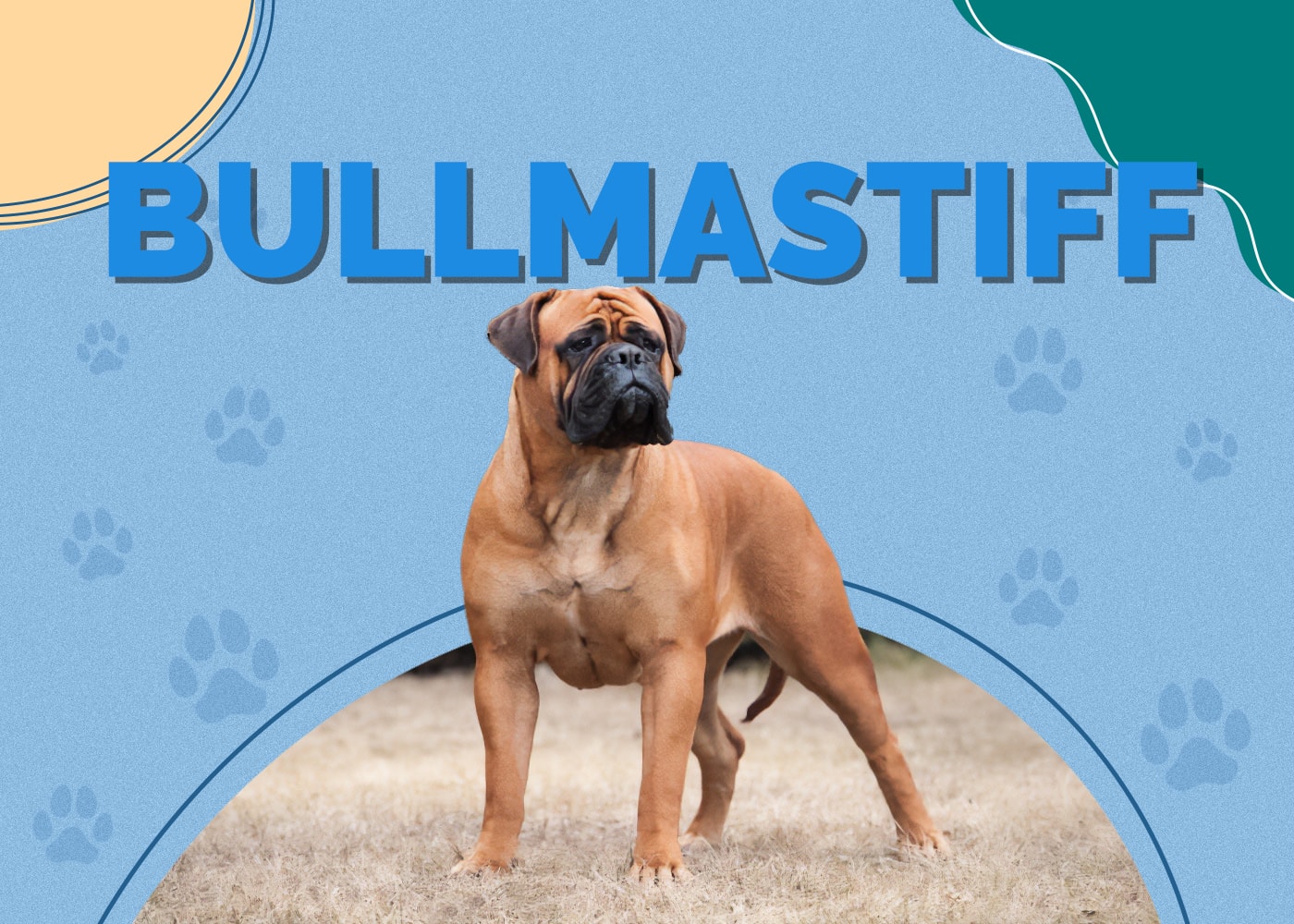
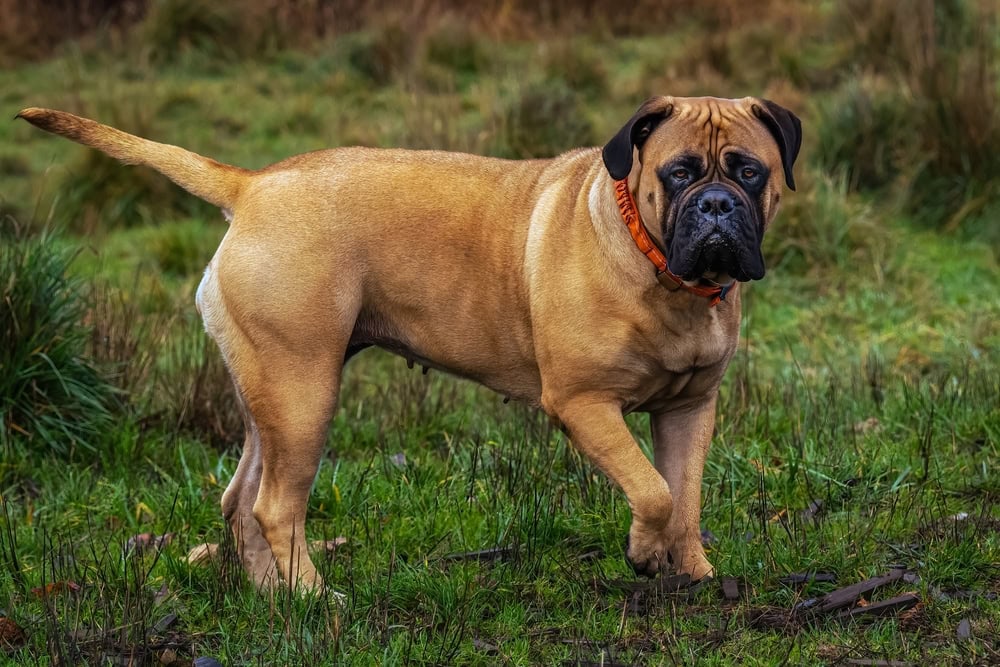
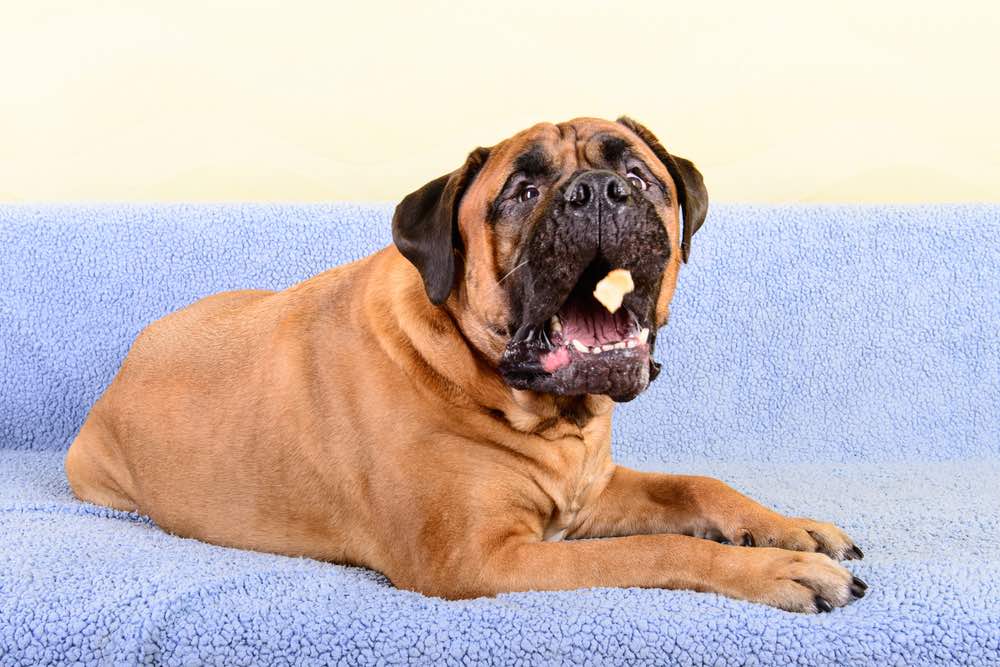
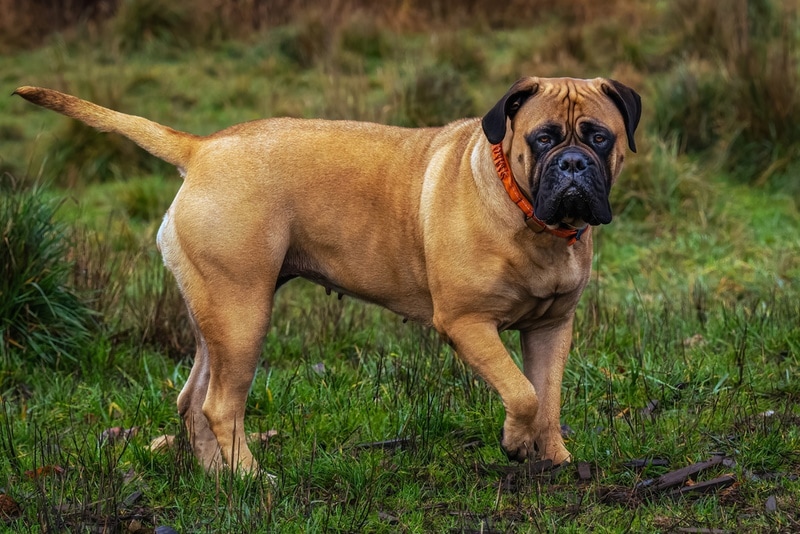
Bullmastiffs are one of the largest dog breeds in the world. They can tower over 2 feet tall and easily weigh over 100 pounds. Bullmastiffs are loyal dogs that can be fierce protectors and extremely territorial. They do very well with their families and can be large companions for many years. Bullmastiffs are a cross between Bulldogs and Mastiffs, which became their own breed over centuries of breeding.
Personality
Bullmastiffs are more protective and more energetic than English Mastiffs. Bullmastiffs can be strong willed, protective, aggressive, and fiercely loyal. That makes them excellent companions for individuals or couples. These dogs can be good family dogs, but they might not be great around small children due to their protective nature and size. They can also do well around other animals, but that will change based on each individual Bullmastiff. Some will take well to other dogs, while others will not.
Health
Bullmastiffs have some serious health concerns that need to be addressed. Bullmastiffs can suffer from joint dysplasia, eye issues, and cancer. Many Bullmastiff health conditions can be screened and eliminated during breeding. That is why it is crucial to choose a reputable breeder when getting a Bullmastiff. Bullmastiffs can also suffer from bloat, which can be fatal if it is not addressed as soon as it presents itself. These issues, unfortunately, limit the Bullmastiff to a rather short lifespan.

Grooming
Bullmastiffs require little grooming. They have a short coat that sheds on its own. You can brush your dog regularly to try and control the shedding. These dogs shed heavily twice per year during the spring and the fall. You also need to keep an eye on your Bullmastiff’s skin to watch for any signs of infection.
Exercise
Bullmastiffs typically need more exercise than English Mastiffs. It is recommended that you provide 1–2 hours of exercise per day. Bullmastiffs do not need high intensity exercise. In fact, they will benefit more from low intensity exercise such as long walks. Bullmastiffs will also enjoy roaming around outside in a fenced yard. Be sure your yard is secure, as you do not want your Bullmastiff getting out and roaming around on their own.
Training
Due to the size of the Bullmastiff, training is a must. It is recommended to start training your Bullmastiff from puppyhood. These dogs do best with strict routines that they can exist in on a daily basis. Bullmastiffs should always be kept under voice command, and they should rarely be left off leash. Since Bullmastiffs are territorial and protective, they can go after people, pets, and animals that come into their yard or house. This is especially true if your Bullmastiff is not very well trained. These dogs can be strong willed and can fixate on things that can make them hard to handle if they get unfocused.

Suitable For:
Bullmastiffs are suitable for individuals looking for a loyal protector. They can also be good family dogs in the right situation. These dogs are not often suitable for families with young children or families with a lot of different animals. A dedication to training and an understanding of the Bullmastiff’s health issues are a must.

English Mastiff Overview
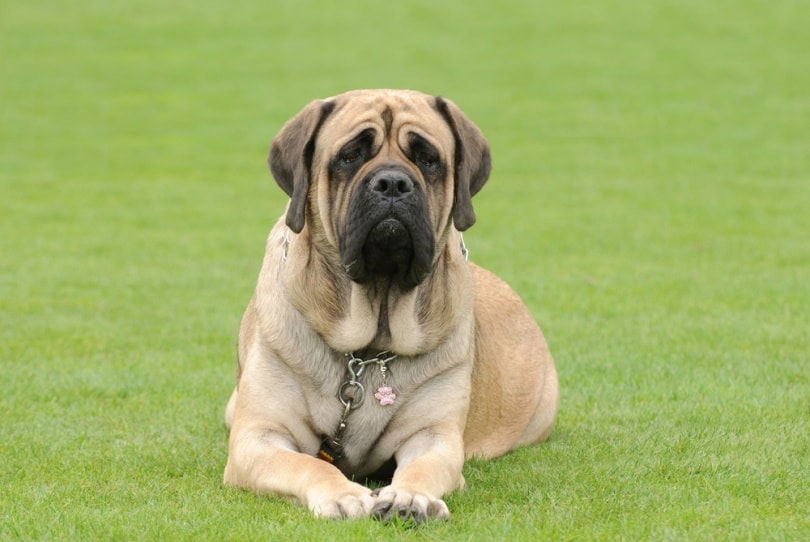
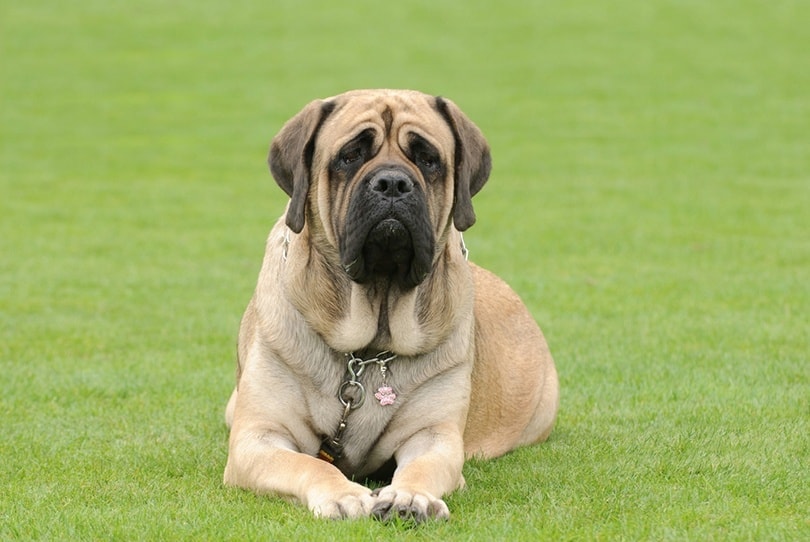
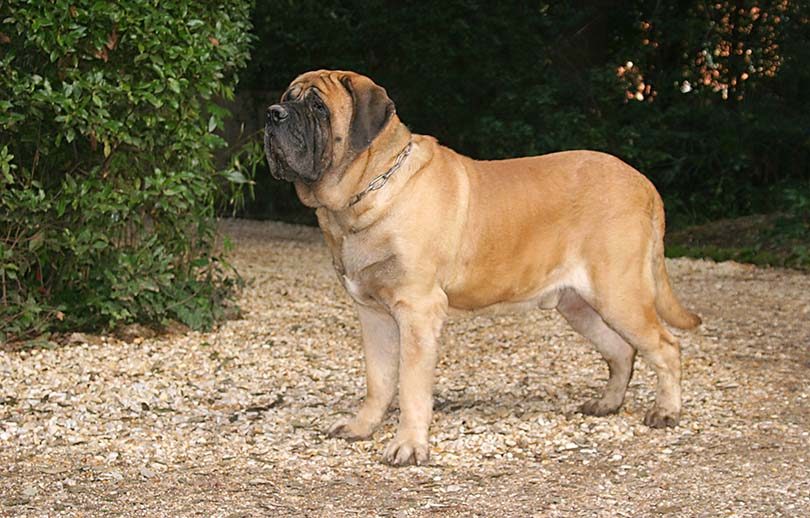
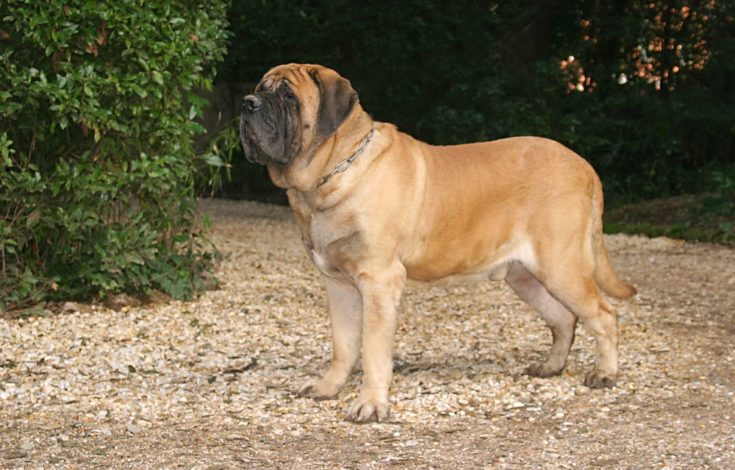
The English Mastiff is a gentle giant. These dogs can be absolutely massive and can easily weigh over 200 pounds. The males are often larger than the females. The English Mastiff is one of the oldest and most beloved dog breeds in the world. English Mastiffs require more exercise than Bullmastiffs, but they are also calmer than Bullmastiffs. These dogs are great family dogs and are perfect for people who love large breeds.
Personality
The English Mastiff is a very loving and calm dog. They are great with their owners, great with young children, and often get along with other dogs. English Mastiffs enjoy spending some time outside engaging in low intensity exercise, but then they will be more than happy to lay on the couch. English Mastiffs are relatively easy to train, and they rarely bark, making them excellent home dogs.
Health
English Mastiffs are not without health issues. Potential health issues that English Mastiffs can encounter include allergies, eye issues, heart disease (including heart failure), cancer, elbow and hip dysplasia, von Willebrand's disease, degenerative myelopathy, and epilepsy. That is an extensive list, but an honest breeder should be able to screen out most of these issues ahead of time. English Mastiffs can also suffer from bloat, which can be fatal if not treated quickly. You will need to manage your English Mastiff’s joint and muscle health as they age to prevent mobility issues.
According to the American Kennel Club, breeders should, at a minimum, use these tests before breeding:
- Hip Evaluation
- Ophthalmologist Exam
- Elbow Evaluation
- Cardiac Exam
If you are planning on getting a Mastiff from a breeder, ask and make sure they are doing these tests before deciding to buy a puppy.

Grooming
English Mastiffs have a short, dense coat. However, it does not require much in the way of maintenance. English Mastiffs will require regular brushing to keep their coats from becoming matted. These dogs also shed twice a year in the spring and fall, and you will need to use a stronger comb during these periods to manage the shedding. You will rarely need to seek professional grooming help for your English Mastiff.
Exercise
English Mastiffs will benefit from long periods of low intensity exercise. That includes roaming around a secure yard or dog park and long walks. It is recommended to take your Mastiff on an hour long walk twice per day, especially when they are young. When your English Mastiff gets older, they will benefit from the mobility. Keeping your Mastiff moving can help with potential joint issues immensely. It is a good idea to get in the habit of taking long walks with your Mastiff when they are young so that you continue a solid exercise regimen when they are older.
Training
Due to the immense size of the English Mastiff, it is necessary to train your dog from a young age. You do not want to have a poorly trained Mastiff. It can be incredibly difficult to control a 220-pound dog, and in some situations, an untrained Mastiff can be a danger to itself and others. You must start training your Mastiff right away and continue to reinforce good habits throughout your dog's life. Mastiffs are very expressive, and they will pick up on your energy and your expressions, so it is a good idea to remain calm and positive around your Mastiff during training.
Suitable For:
English Mastiffs are suitable for families looking for a cozy and snuggly dog. Anyone who enjoys large breed dogs and can dedicate 2 hours per day to walks will get a lot out of an English Mastiff. Consistent training and an understanding of the English Mastiff’s health problems are required for a positive experience in the long term.
Where Did the Bullmastiff Originate?
The Bullmastiff originated in England and is the result of generations of breeding between English Mastiffs and English Bulldogs. The Bullmastiff has made its presence known in the United States in recent years but is still less popular in the US than they are in England. They are also less popular than the English Mastiff.
Where Did the English Mastiff Originate?
The English Mastiff, unsurprisingly, originated in England. The English Mastiff has been bred as a companion and protector for the English for nearly 2,000 years. Over time, the Mastiff has been bred into other dogs, creating new variations of Mastiff that have also become popular in their own right.
What Is the Difference Between English Mastiffs and Mastiffs?
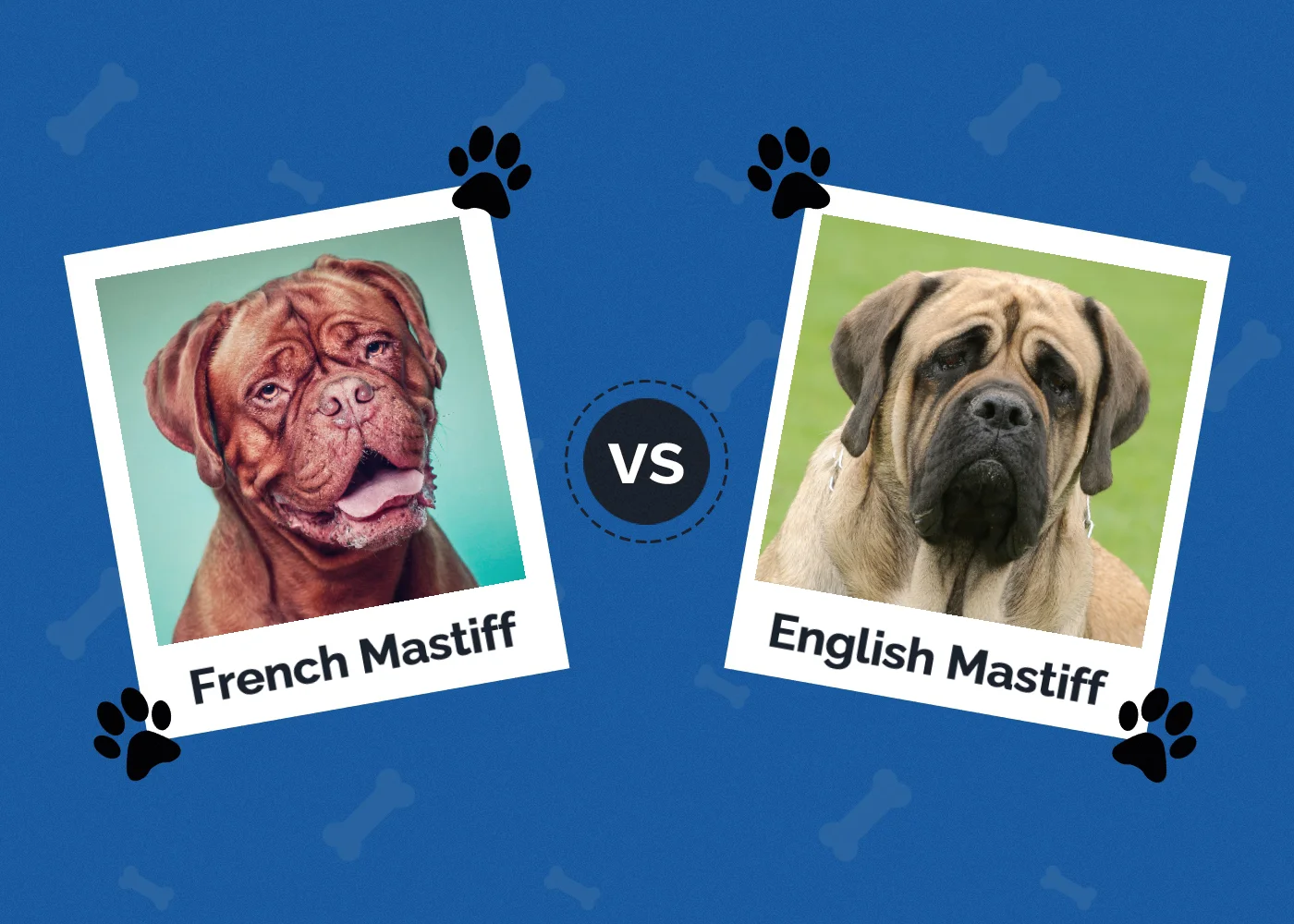
There is no difference between an English Mastiff and a standard Mastiff. Since Mastiffs all originated in England, many people simply drop off the “English” from the name and call them Mastiffs. Mastiffs (with a capital M) are a breed that is synonymous with the English Mastiff. Mastiffs can also refer to the mastiff family of breeds, which includes a number of different dogs, many of which are connected to the original English Mastiff.
How Many Different Mastiff Breeds Are There?
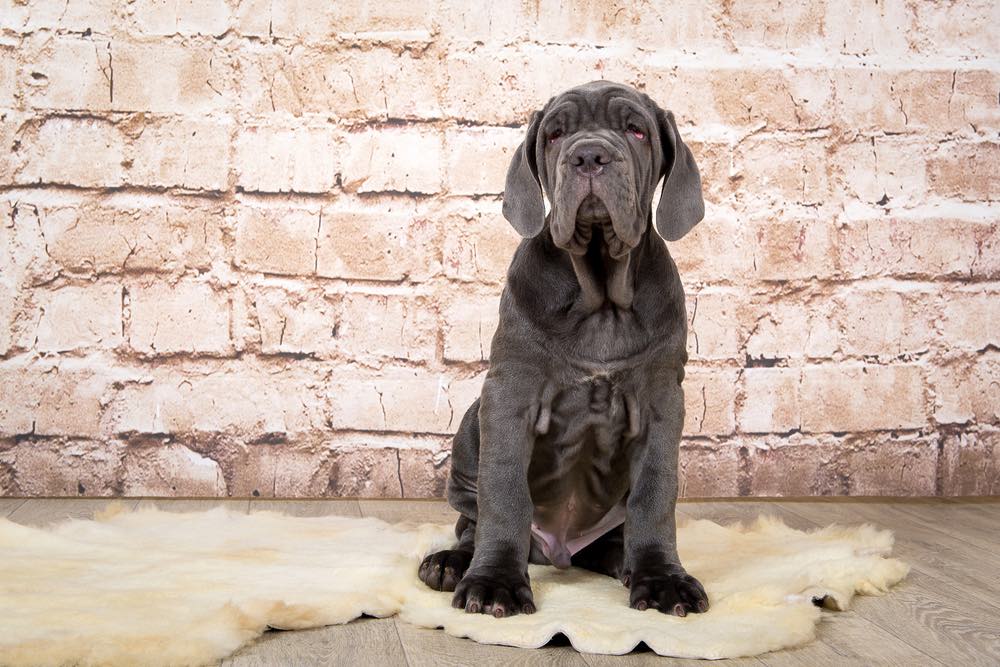
There are four breeds of mastiff that are officially recognized by the AKC. The mastiff breeds are the English Mastiff (or just Mastiff), the Bullmastiff, the Tibetan Mastiff, and the Neopolitan Mastiff. Each mastiff breed has a different history and originates from different parts of the world. The English Mastiff and Bullmastiff both originate from the British Isles. The Tibetan Mastiff hails from Tibet, while the Neopolitan Mastiff is from Italy. Mastiffs are ancient breeds of dogs with lineages that stretch back thousands of years.
Which Breed Is Right for You?
The Bullmastiff and English Mastiff are extremely similar breeds that share a common lineage. The Bullmastiff is smaller, more protective, and wilier than the English Mastiff. The Bullmastiff was reduced in size by the introduction of Bulldogs into the lineage. English Mastiffs are lovable lumps that are happy to follow you around and lay on the couch. Both breeds can be family dogs, but English Mastiffs are better suited for family or home life than Bullmastiffs. Bullmastiffs require more attention, more training, and more high intensity exercise than English Mastiffs. English Mastiffs are larger and will appeal to people who love large dogs. They are also easier to deal with in many situations than Bullmastiffs. The choice will ultimately be up to you on which one of these similar breeds will best mesh with your lifestyle.
Featured Image Credit: (L) BORINA OLGA, Shutterstock | (R) Olga Aniven, Shutterstock
Get Hepper In Your Inbox


Pet care tips from our vets and experts, straight to your inbox.
You may opt-out at any time. View our Privacy Policy for more information.
Grant is a freelance writer with years of experience writing about a diverse range of topics. His days are spent writing and caring for eight animals (two horses, two donkeys, two goats, and two dogs). In his free time he enjoys slowly carving out a quaint hobby farm from the Southern scrub. He currently lives in his native Florida with his wife and son.
Join the conversation
Ask a question, share your story, or send private feedback.