Hepper is reader-supported. When you buy via links on our site, we may earn an affiliate commission at no cost to you. Learn more.
Californian Rabbit: Facts, Care, Diet, Pictures & More
In this article
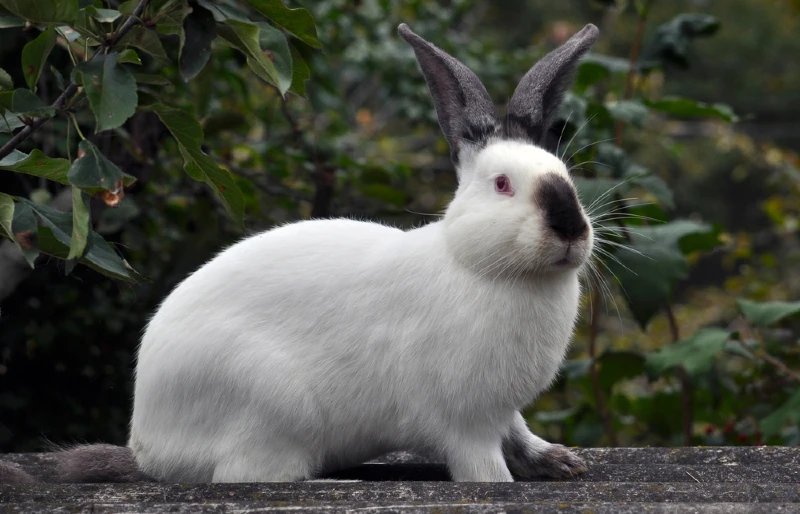
The Californian rabbit is known for its distinct characteristics, such as black ears and nose, white bodies, and calm temperament. They are great pets due to their ease of being around people and their enjoyment of being handled. Although originally bred for livestock or fur, they are now known as common pets. Keep reading to learn more!
| Size: | Average |
| Weight: | 8–10 lbs |
| Lifespan: | 5–10 years |
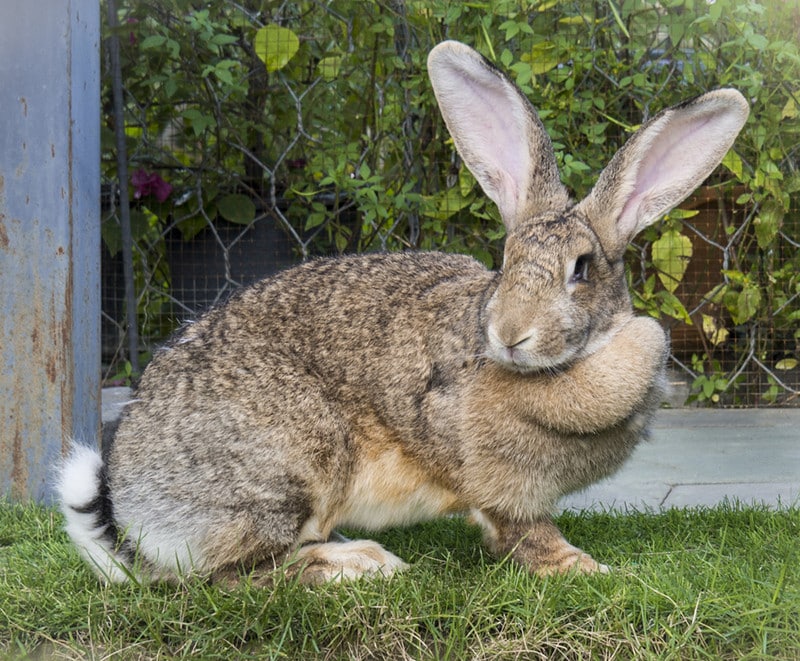
| Similar Breeds: | Grey Giant, Flemish Giant Rabbit, White Flemish Giant |
| Suitable for: | Novice rabbit owners, large farmland owners |
| Temperament: | Social, docile, gentle |
The Californian rabbit was bred in the 1920s to use as livestock. They were known to be easy to handle, so they were good options for meat as well as their fur for commercial purposes. Although this may have been its common use, the Californian rabbit has now become a popular choice of pet. Their temperament makes them calming and affectionate companions.
Californian Rabbit Breed Characteristics

How Much Do These Rabbits Cost?
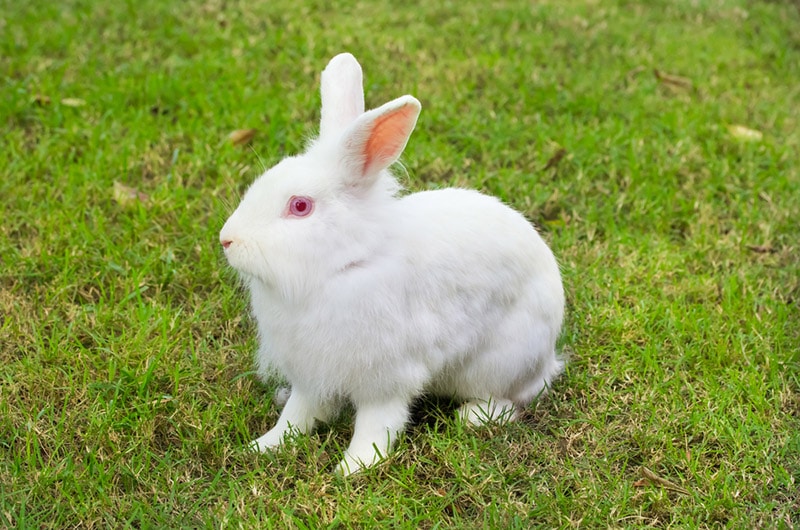
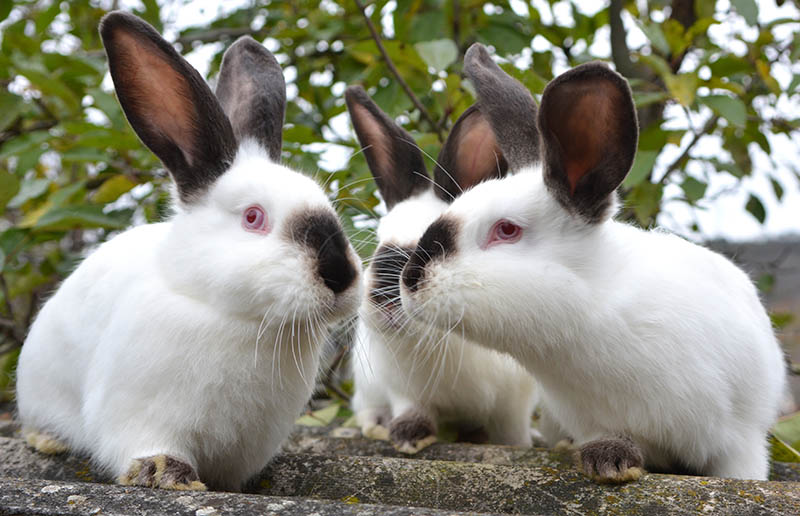
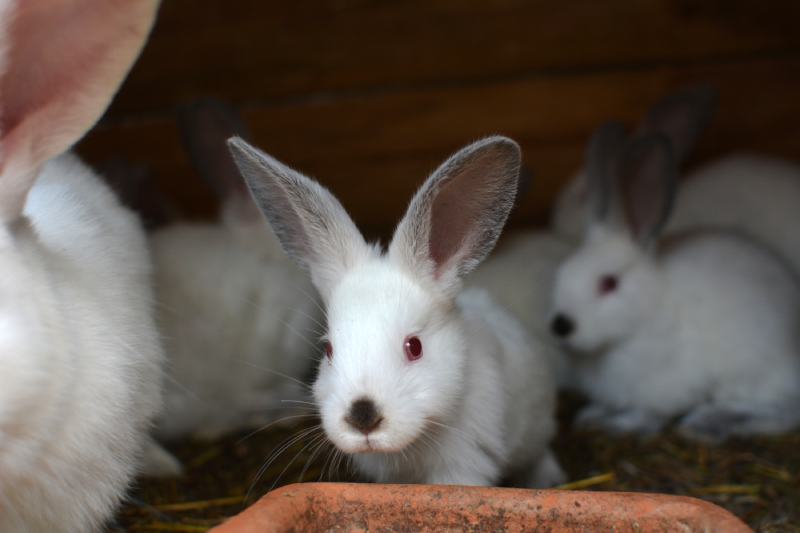
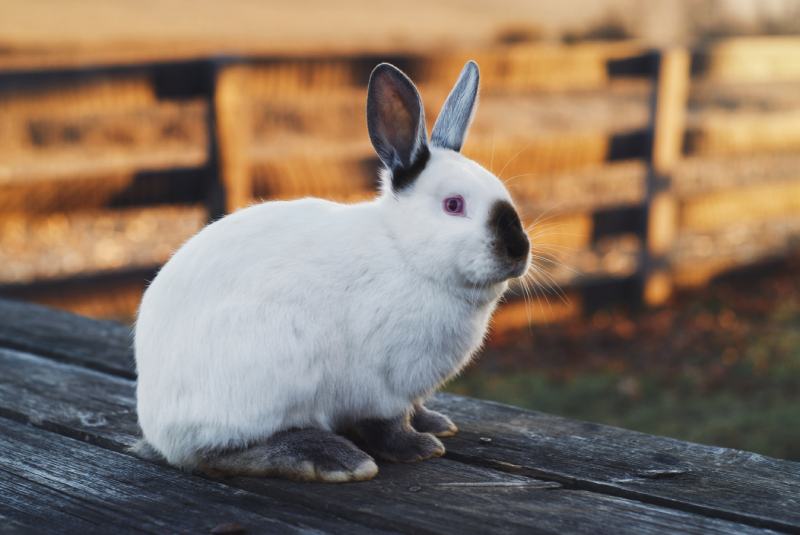
The Californian rabbit, also known as the Californian White rabbit, has increased in popularity as a pet. Their unique markings of dark fur around their ears, nose, and feet give them a rather gorgeous-looking coat of fur and a rather cute appearance. These rabbits are much larger than other breeds, for example, those you would see in the wild. Their size makes them even more appealing, as they give off a very fluffy and inviting look.
The Californian rabbit is around $40–$50 on average, but this greatly depends on whether it’s a show rabbit or what its intended purpose was before being sold. Like other pets, their cost could increase depending on whether they were raised well and are relatively healthy. This will also include other factors such as their age, personality, reputation of the breeder, and more. On the high end, rabbits can cost around the $100 mark if in tip-top shape.
Temperament & Intelligence of the Californian Rabbit
Do These Rabbits Make Good Pets?
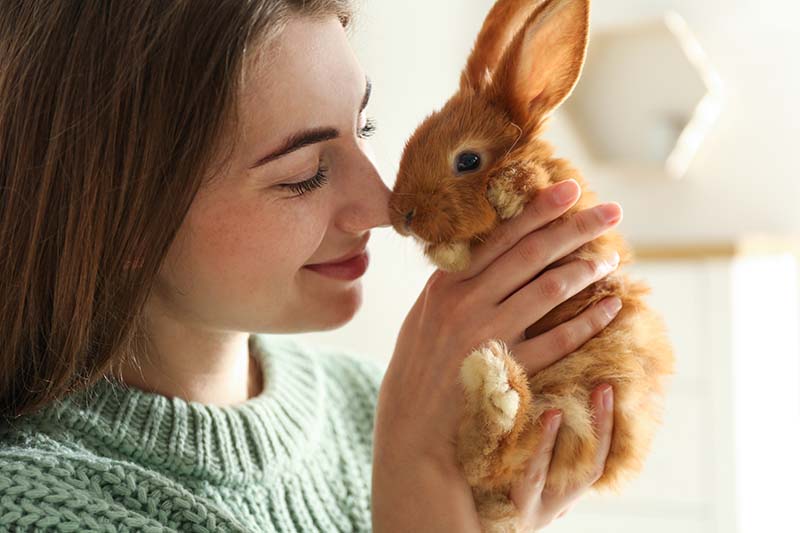
The Californian rabbit does make a good pet. This is because their personalities are very much like that of an average pet, where they like to be handled by their owners, they enjoy affection and attention, and they do like to play. While they are docile, gentle, and of course, might not play fetch, they are more akin to being a household pet in comparison to other rabbit breeds.
Does This Rabbit Get Along With Other Pets?
Due to the personality and temperament of the Californian rabbit, they may get along with other pets depending on the environment and household situation. For example, a young puppy who bothers a rabbit too much may get nipped or be avoided by the rabbit. However, a more docile animal that matches the rabbit’s energy level may work well with them!
Things to Know When Owning a Californian Rabbit
Food & Diet Requirements
The Californian rabbit will need mostly hay, pellets, and fresh water. Hay is one of the most important parts of their food requirements as it works best with their digestive systems while also helping to keep their teeth healthy. It is recommended to give your rabbit an amount of hay based on how old they are and their activity levels. This means you will likely be refilling their hay more than once within a day. They can also consume certain vegetables like apples, kale, and more.
Habitat & Hutch Requirements
The Californian rabbit habitat should consist of a few different areas to keep healthy and well cared for. This includes a space for them to go to the bathroom, including using a softer material that can easily bury excrement. There is also the need for a food and water area in their habitat, which should be further away from where they go to the bathroom.
In addition, rabbits do need something to exercise their minds and keep their moods stable. This can be rabbit toys like things to chew or move around in their cage. Their cage should be big enough for the size of the Californian rabbit and a material that will not be easily chewed through. Keep the bottom soft with plastic or another soft material.
Exercise & Sleeping Needs
Rabbits do love to play and have a relatively higher activity level. The more space rabbits have, the more they will be able to jump around, hop, and play. Even if they have a smaller or isolated space to sleep and eat, they should be let out into a larger area occasionally for exercise. These animals do not like being stationary or isolated for too long.
Training
The Californian rabbit can be trained, like other rabbit breeds. This is much more of a task than training other pets like dogs and cats, but it is possible. If a rabbit owner handles their pet on a regular basis and works on growing a trusting relationship with them, this results in more possibility of them responding well to training. Options for training can include teaching them to use a specific area to go to the bathroom and even responding to their name.
Grooming ✂️
A rabbit does not generally require a lot of grooming. These animals will not need to be brushed daily, especially during non-shedding seasons. Even just once every week or two will be sufficient to keep them well-groomed. There is also no need to bathe your Californian rabbit unless necessary. They will most likely respond negatively to it, so it is not needed.
Lifespan and Health Conditions
Serious Conditions
The Californian rabbit is not prone to any serious conditions based on its breed but rather based on its species. The rabbit can have a few serious and minor conditions across all breeds. This includes having serious dental-related conditions (for example, misaligned teeth) if not cared for properly. They need hay regularly to grind down their teeth and keep them healthy. Rabbits may also encounter digestive issues, including a loss of appetite or changes in their fecal matter. This can be due to an improper diet or another underlying issue, such as sudden changes in diet.
Minor Conditions
Similar to the above-mentioned serious conditions, there are no specific diseases or illnesses to the Californian rabbit, but ones that can affect rabbits across any breed. This includes ear mites or parasites that can affect the rabbit initially through its fur or ears. This can be noticed if you see your rabbit shaking their heads a lot or scratching. These can be treated easily if noticed early. Another minor condition is related to their overall bodies, for example, back issues. These would only occur if the rabbit were mishandled, dropped, carried without care, or let out into an unsafe environment.
Male vs Female
Many of the differences between male and female Californian rabbits will relate to their size, temperament, and differences in care. This means that female rabbits who are breeding or pregnant may need more specific diets, be watched more closely for any health issues, and may need more attention overall. If breeding for commercial purposes, male rabbits will also need care and attention to ensure healthy and prosperous breeding.
The 3 Little-Known Facts About Californian Rabbit
1. Originally Meant for Meat and Fur
The Californian rabbit was bred in North America for its quality meat and healthy abundant fur. This breed is larger in size, meaning it can produce more of both its meat and fur. Many commercial producers preferred this breed to other rabbits (and still to this day).
2. Most Popular Commercial Rabbits
The Californian rabbit is the most popular rabbit breed in the commercial space. Even though they have become popular as house pets, they are still sought after for their meat and fur for mass production. People are geared toward this rabbit, and it has become a competitive market.
3. Enjoy Human Attention
Although most rabbit breeds do not enjoy being handled, petted, or held, the Californian rabbit is more on the affectionate side. They will play and seek attention from their owners and have docile, gentle, and calming personalities.

Final Thoughts
Although not the most popular choice for a new pet, the rabbit is becoming more common over time. Their fluffy fur and cute, small stature have attracted people to choose the rabbit as their new household member. The Californian rabbit has become one of the top choices for rabbit-seekers due to its playful and gentle personality.
It’s a common misconception that rabbits are boring as pets, as the Californian will show. They like to play and run around like a dog or cat. They will hop around and jump over obstacles if given the space! Also, they will ask for a pet occasionally; although it may not be by barking, you will see this rabbit sit close by waiting to be noticed. The Californian rabbit has the temperament and personality for a family, a single person household, and even the elderly as a loving and calming companion.
Sources
Featured Image Credit: Orest lyzhechka, Shutterstock
Get Hepper In Your Inbox


Pet care tips from our vets and experts, straight to your inbox.
You may opt-out at any time. View our Privacy Policy for more information.

Nicole is a lover of animals of all sizes but is especially fascinated with the feline variety. She’s the proud mom of Baby, a Burmese, and works every day so he can relax in the sunshine or by the fire. She’s always had a cat in her home and has spent countless days with others, observing behaviors and softening up even the grouchiest of the lot. Nicole wants to share her kitty expertise with you so you and your cat can live happy, healthy, and care-free.
Join the conversation
Ask a question, share your story, or send private feedback.