Hepper is reader-supported. When you buy via links on our site, we may earn an affiliate commission at no cost to you. Learn more.
Argente Brun Rabbit: Pictures, Care Guide, Lifespan & Traits

In this article
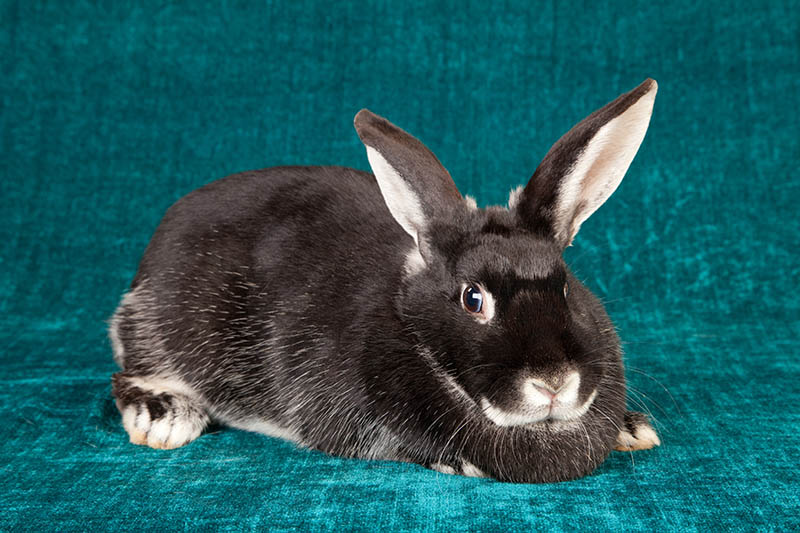
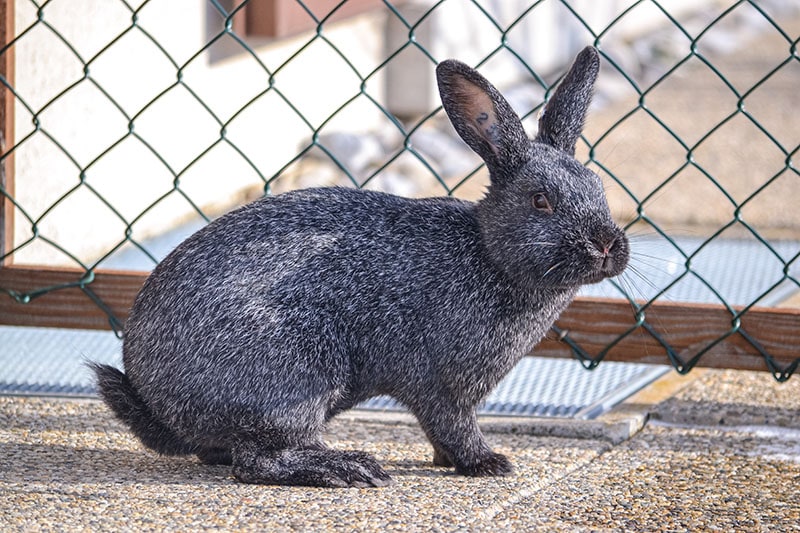
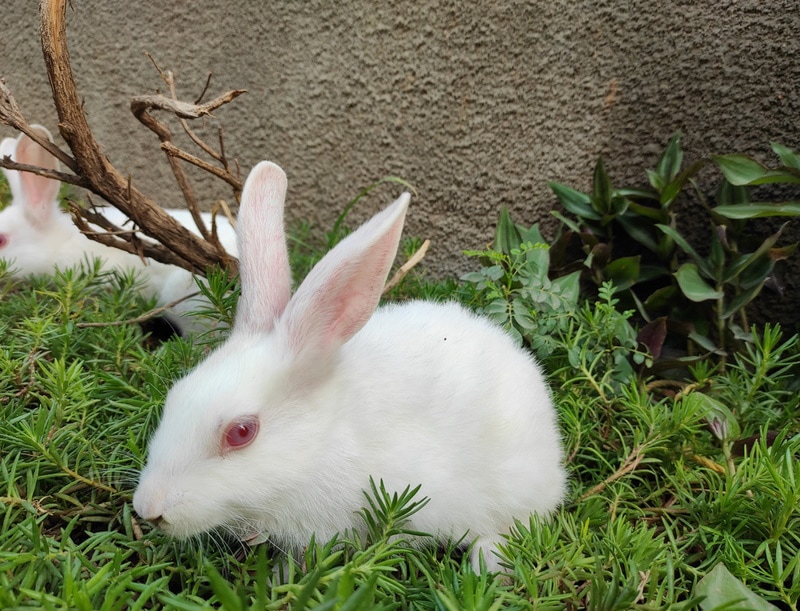
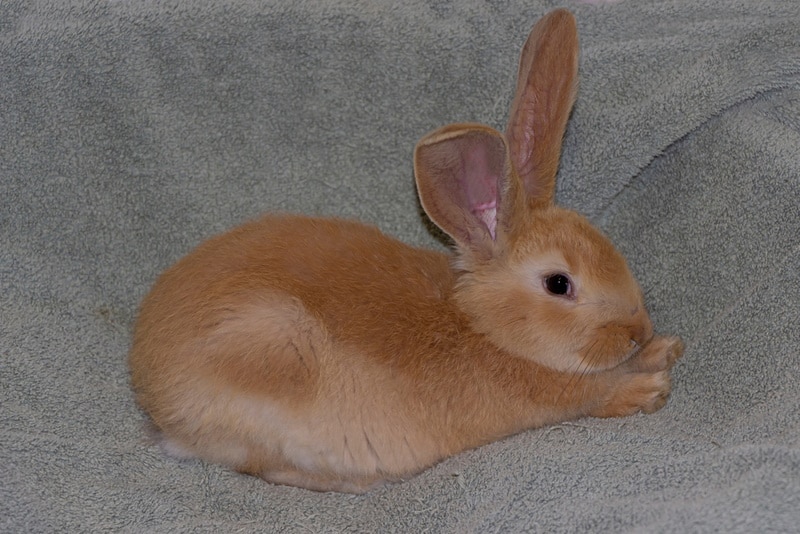
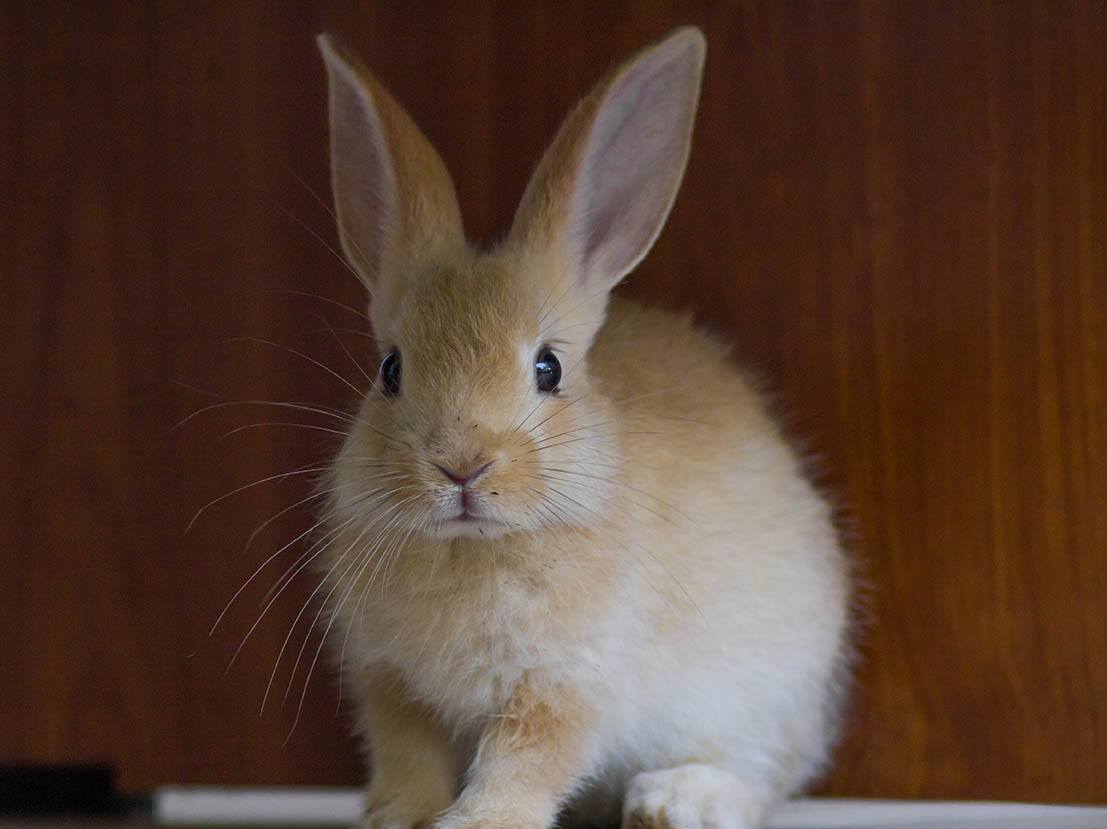
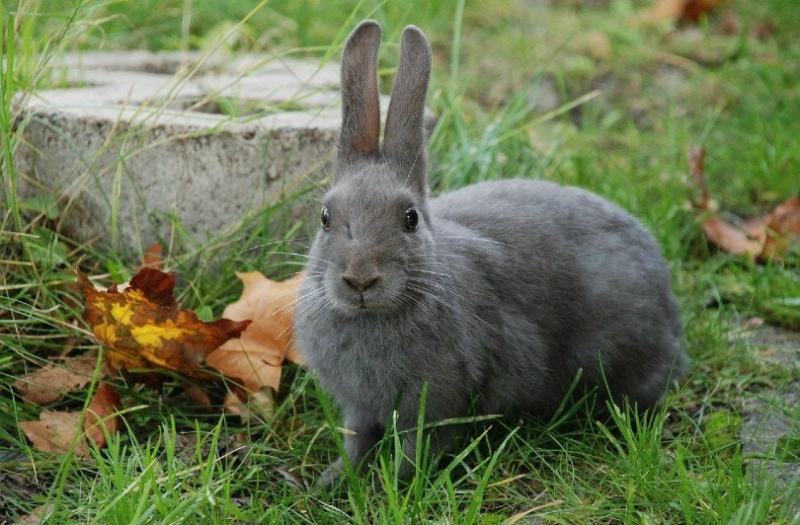
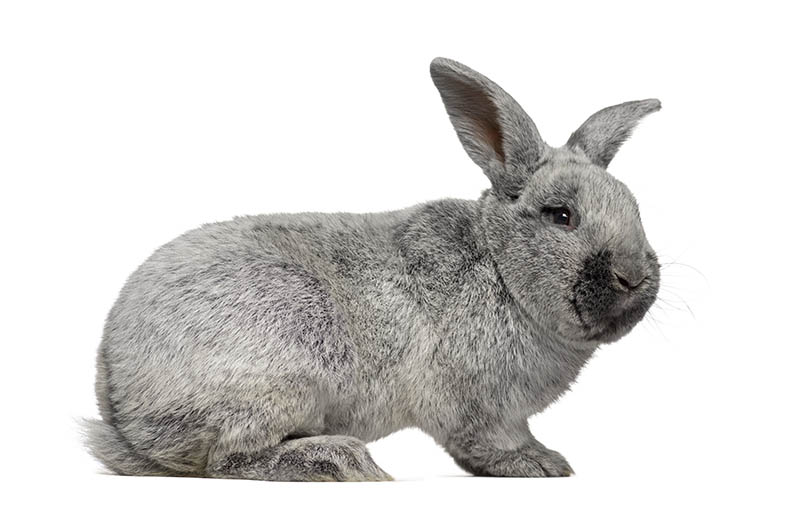
The Argente Brun is a popular breed of domestic rabbit because of its silver brown fur and gentle temperament. It originated in France in the early 20th century, when breeders created it for meat and fur. However, it soon became a popular show rabbit and pet. If you are considering getting one of these rabbits for your home but would like to know more about it first, keep reading as we explore these interesting critters’ habitats, exercise training, and grooming needs.
| Size: | Large |
| Weight: | 8–11 pounds |
| Lifespan: | 7–10 years |
| Similar Breeds: | Havana Rabbit, Beveren Rabbit |
| Suitable for: | All rabbit lovers |
| Temperament: | Playful, docile, friendly |
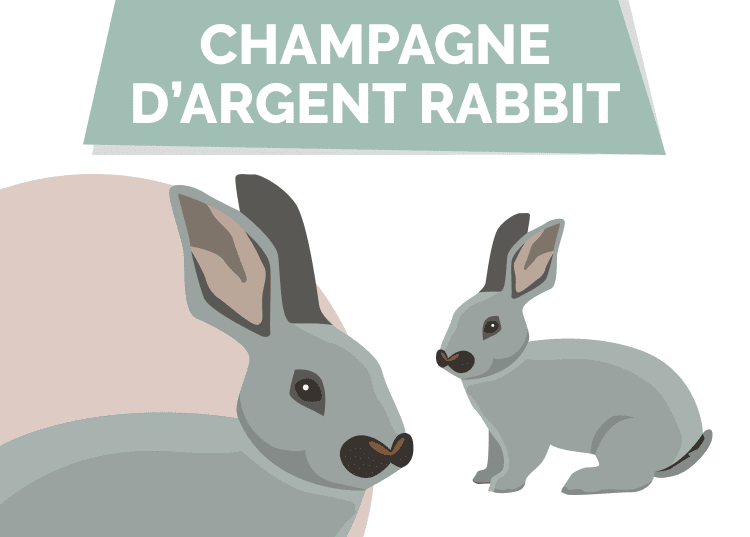
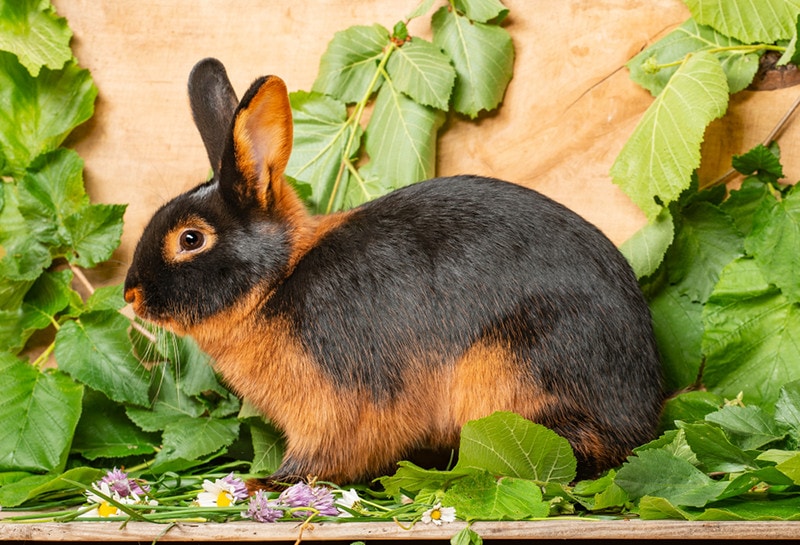
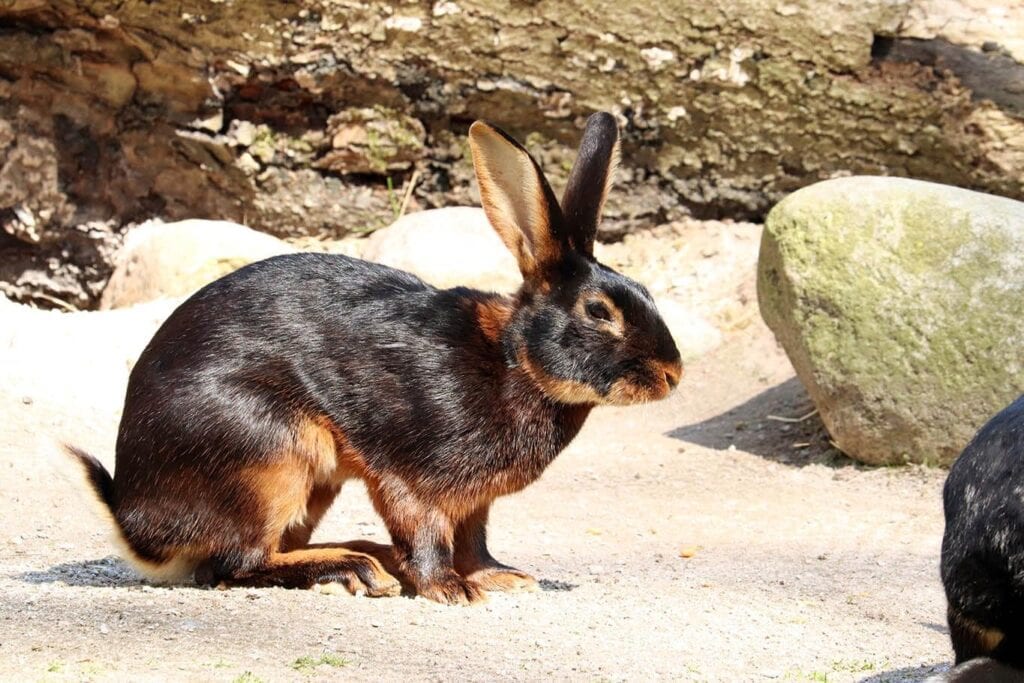
One of the most interesting things about the Argente Brun rabbit is its unique coloring. It has silver brown fur that shimmers in the sunlight, and many people believe that breeders mixed several breeds to create it, including the Champagne d’Argent and the Brun Normand. These rabbits have gentle and friendly personalities, and they enjoy it when you handle and carry them, which makes them ideal for children. They’re smart enough to learn simple tricks and can even use a litter box. They usually weigh just under 10 pounds, so they’re easy to manage and typically live about 9 years.
Argente Brun Rabbit Characteristics

How Much Do These Rabbits Cost?
The average cost of an Argente Brun rabbit is usually $30–$100, though it can vary based on several factors, like the rabbit’s age, sex, lineage, and location. You can also expect to pay a higher price for a show-quality rabbit or one that has special features or genetic traits. Breeders might also charge extra for pedigree papers or for rabbits that they spay or neuter. When purchasing a new rabbit, look for a reputable breeder who takes good care of their rabbits and can share insights into your potential pet’s health and temperament. You must also consider ongoing expenses like food, housing, and veterinary care when determining the total cost of your rabbit.
Temperament & Intelligence of the Argente Brun
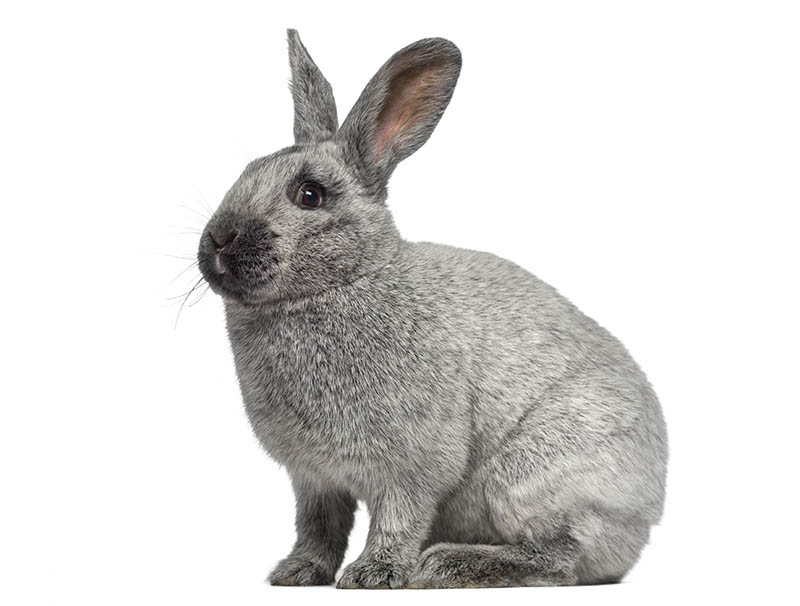
The Argente Brun rabbit has a gentle and friendly temperament. Owners describe them as calm and easygoing rabbits that like to be handled and petted by their owners, making them great for any rabbit lovers and kids. They are relatively intelligent and can learn simple tricks like jumping through hoops or running through tunnels. Training them how to use the litter box is also easy, so keeping them as indoor pets is possible.
Do These Rabbits Make Good Pets? 👪
Yes, the Argente Brun rabbit makes a great family pet. Besides its gentle and friendly temperament, it’s easy to care for and forms strong bonds with its family members. It will respond to its name, can recognize its owner, and can perform simple tricks, so it’s always entertaining to have around.
Does This Rabbit Get Along With Other Pets?
Argente Brun rabbits are social and can form bonds with many other pets, including cats and dogs. However, we recommend introducing different animals slowly in a safe place where they can retreat if they feel insecure. Keep the dog on a leash and the cat in a carrier during your initial introductions to help prevent any aggressive behavior that might make subsequent meetings harder.
Things to Know When Owning an Argente Brun Rabbit
Food & Diet Requirements 🥕
Your Argente Brun rabbit will require a healthy diet to remain in good health for many years. Fresh Timothy hay should make up most of its diet, as it’s essential for its digestive system. Hay is also important to help it wear down its teeth, which continue to grow throughout its life. Besides Timothy hay, good choices for most rabbits include orchard grass, oat hay, or meadow hay. Your rabbit will also need fresh vegetables daily, such as dark greens like kale, spinach, and romaine lettuce, along with carrots, broccoli, and bell peppers. Rabbits also need a small number of rabbit pellets that will help balance out their diet. Be aware that feeding them too much can lead to weight gain. Finally, your rabbit will need continuous access to fresh, clean water to stay hydrated.
Habitat & Hutch Requirements 🏠
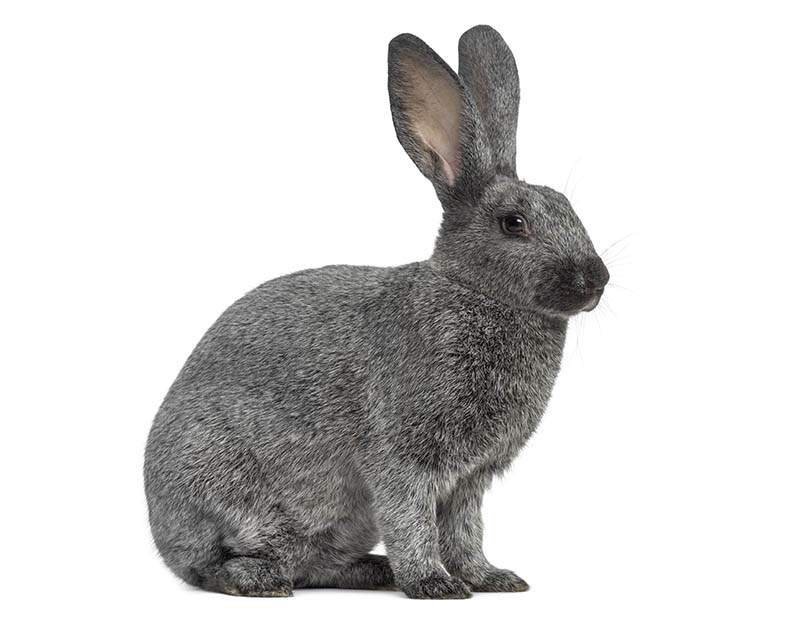
Providing a suitable living environment is essential for your rabbit’s well-being. Its living space should be large enough for it to move around comfortably. A minimum of 12 square feet (about the area of a bathtub) is suitable for a single rabbit, but you should provide more if you can. A rabbit can live indoors or outside, but if you keep it indoors, it will need access to a safe running space to get out of the cage and stretch. Outdoor rabbits need a hutch to protect them from the elements and predators that they might encounter. The hutch should also have separate sleeping and playing quarters. The flooring should be solid, with a nonslip surface. Wire floors can harm a rabbit’s feet, so avoid them if possible. Line the living space with suitable bedding material, like hay, straw, or paper; don’t use cedar pine shavings. Place toys, tunnels, and climbing structures in their habitat to help provide opportunities for exercise and mental stimulation.
Exercise & Sleeping Needs 🐇
Your rabbit should be able to exercise and play daily, including having supervised time outside its living space or access to a larger playpen or run. Free-roaming opportunities can benefit your rabbit’s physical and mental health, but ensure that the area is rabbit-proofed and free from potential hazards like electrical cords or poisonous plants that it might chew on. Most rabbits, including the Argente Brun, are crepuscular animals, which means they are most active at dawn and dusk and sleep throughout the remaining day, so they will need quiet, cozy sleeping areas. When not sleeping, your rabbit should be able to socialize with other people and rabbits. This will provide mental stimulation that will keep your pet happy and healthy while reducing the risk of being afraid when strangers approach it.
Training 🥎
Argente Brun rabbits are intelligent and can learn several tricks, including using the litter box. Use positive reinforcement techniques like offering treats and praise for good behavior when training. Avoid punishing them or becoming angry when your rabbit doesn’t do what you want, as it can add stress and make the process more difficult. Start with simple commands, like “come” or “stay,” and use a consistently soft tone when speaking. To teach your rabbit how to use the litter box, place one inside its habitat with a few of its droppings inside. Reward it each time it uses the box, and the process will quickly become a regular habit. Spending time training your pet will also help you bond and build trust.
Grooming ✂️
Your rabbit will need regular brushing, especially during the spring and fall shedding seasons. Use a soft-bristled brush, and gently brush in the direction of the fur growth. Rabbits groom themselves fairly well, so you won’t need to bathe them unless they get particularly dirty. However, regular nail trimming and ear cleaning will help them stay comfortable and avoid infection. Also, keep plenty of hay in the habitat to help them wear down their ever-growing teeth.
Lifespan and Health Conditions 🏥
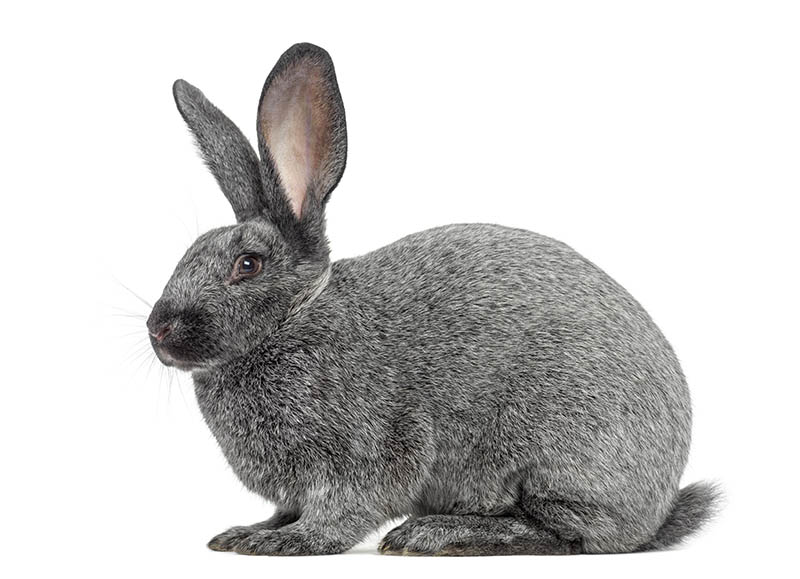
On average, the Argente Brun rabbit has a lifespan of 7–10 years. Providing your rabbit with a healthy diet, regular veterinary care, and a clean living environment can help ensure that it will live a long and healthy life.
Minor Conditions:
- Pasteurellosis: Pasteurellosis is a bacterial infection that can attack your rabbit’s respiratory system. Clinical signs of this disease include sneezing, nasal discharge, and difficulty breathing. This problem can often develop into full-blown pneumonia if you don’t treat it quickly.
- Flystrike: Flystrike occurs when flies lay their eggs on a rabbit’s fur, and the eggs hatch into larvae that burrow into the rabbit’s skin. It is more common in outdoor rabbits. You can help prevent it by keeping the rabbit’s living area clean and dry and checking the rabbit’s fur regularly for any signs of flies or eggs.
Serious Conditions:
- Dental Problems: Dental problems are common in rabbits. If their teeth become overgrown, they can have difficulty eating and may develop other health problems. The best way to avoid dental problems is for you to provide them with plenty of hay that they can eat around the clock to help file down their teeth.
- Gastrointestinal Stasis: Gastrointestinal stasis is a serious condition that occurs when the rabbit’s digestive system slows down or stops completely. Diet and stress are common causes, and signs include decreased appetite, pathology, and bloating.
Male vs. Female
There are no real behavioral, physical, or health differences between male and female Argente Brun rabbits. Some owners suggest that the males are slightly more docile, but each rabbit will have a unique personality that can make them more or less docile.
3 Little-Known Facts About the Argente Brun
1. The Argente Brun has a V-shaped ear carriage, with the ears set high on the head and angled slightly outward, giving the breed a regal and alert appearance.
2. The Argente Brun rabbit has a close cousin known as the Argente Noire, a black version of the same breed.
3. Argente Brun rabbit is a good choice for agility training and can learn to navigate obstacle courses.
Final Thoughts
The Argente Brun rabbit is a beautiful and unique breed that has become increasingly popular as a show and companion animal. With its calm and friendly demeanor, it can make an excellent pet for families and individuals. It enjoys being handled and can even learn simple tricks, so it is great fun to watch, and children love these rabbits too. This breed is fairly healthy and can live up to 10 years with proper care and attention. You can keep your rabbit indoors or outside, and it is low maintenance, only requiring plenty of hay, water, rabbit pellets, and a nice large cage.
You Might Also Like:
Featured Image Credit to: Eric Isselee, Shutterstock
Get Hepper In Your Inbox


Pet care tips from our vets and experts, straight to your inbox.
You may opt-out at any time. View our Privacy Policy for more information.
Ed Malaker is a veteran writer who has contributed to a wide range of blogs that cover pets, tools, guitars, fitness, and computer programming. When he’s not writing, Ed is usually performing DIY projects around the house or working in the garden. He’s also a musician and spends a lot of time helping people fix their guitars and composing music for independent films.
Join the conversation
Ask a question, share your story, or send private feedback.