Hepper blog

Search our database of over 9,984 posts with up-to-date information from our experts and veterinarians.

Hepper is reader-supported. When you buy via links on our site, we may earn an affiliate commission at no cost to you. Learn more.

Can Cats Eat Flour? Nutritional Facts & Safety Guide

By Nicole Cosgrove · Reviewed & fact-checked by Dr. Luqman JavedVet Approved
Dr. Luqman Javed
Reviewed & Fact-Checked byDr. Luqman JavedDVM (Veterinarian)
Dr. Luqman grew up with an extreme fondness for animals and turned a childhood dream into reality by becoming a veterinarian. His goals are now focused on helping pet owners understand their pets better in order to ensure the best quality of life for all pets globally. He is passionate about wildlife, exotic pets, pet owner education, and animal welfare. Luqman has 3 years of professional experience working with a variety of animal species. He has skills in demonstrating proper animal husbandry and training some exotic species, such as parrots. Additionally, he has decades of personal experience with keeping many exotic pets: freshwater fish, parrots, songbirds, chickens, ducks, turtles, and hamsters.View authorThe information is current and up-to-date in accordance with the latest veterinarian research. Read about our vets
Share
Ask us a question in the comments
Can Cats Eat flour

Flour is a powder made by grinding raw grains, roots, beans, nuts, or seeds. It is used to make many different foods. As a pet parent, you might be wondering if flour is safe for your cats to eat. If your cat eats a little bit of flour, it usually isn’t an issue. Most types of flour aren’t toxic to cats, but it’s not very healthy for them to eat too much of any kind of flour. So, although it’s safe to eat, flour shouldn’t be fed to cats regularly or given as a treat.

You can find a wide selection of flour and flour alternatives these days. So, this guide is here to provide information on what types of flour are safe and unsafe for cats to eat. Sometimes, cats can have grain allergies, so we’ll also go over what cat owners should do if they suspect that they have food allergies.

Types of Flour
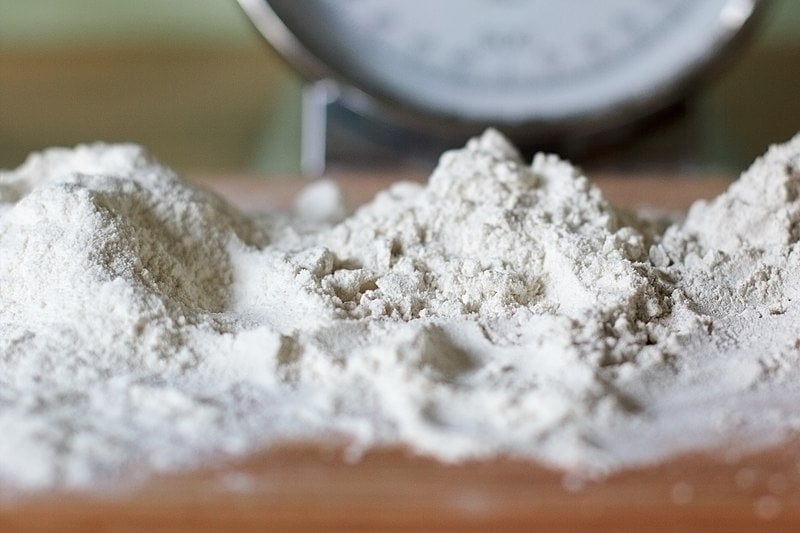
Image by: Mudd1, Commons Wikimedia

There are many different types of flour available on the market. Generally speaking, though, the three most common types are:

Types of Flour

  • Cereal Flour - This is the most popular flour around the world. It includes wheat flour, which is the main ingredient for bread, a staple food for many cultures. It consists of either the endosperm, germ, and bran of the wheat plant together (also known as whole-grain flour) or just the endosperm of the plant alone (also known as refined or white flour).
  • Corn Flour - Remains a staple in the Americas and is derived from corn.
  • Rye Flour - A constituent of bread in Central and Northern Europe

Almost all flours found on the market today are bleached. Bleaching is a process that strips the flour of its natural yellow color and gives it the trademark white color we often associate it with. Because bleaching also strips flour of its nutrition, most flours are enriched after the bleaching process to add back some nutritional value. However, this process doesn’t improve the nutritional profile of flour, it simply restores its nutritional composition.

Can Cats Eat Flour?

In general, flour is safe for cats to eat, and they typically have an easy time digesting it. However, that still doesn't meant this is something they should eat regularly. Flour is sometimes used in dry cat food (kibbles) as an agent which allows the kibble to hold its shape. However, the nutritional yield of flour is incredibly low. Therefore, the different flour types offer no real nutritional benefits to our feline friends. This is why feeding our cats flour isn’t generally recommended. With that being said, here are some of the popular types of flours commonly found in the market and their safety with regards to our feline friends.

Gluten-Containing Flour
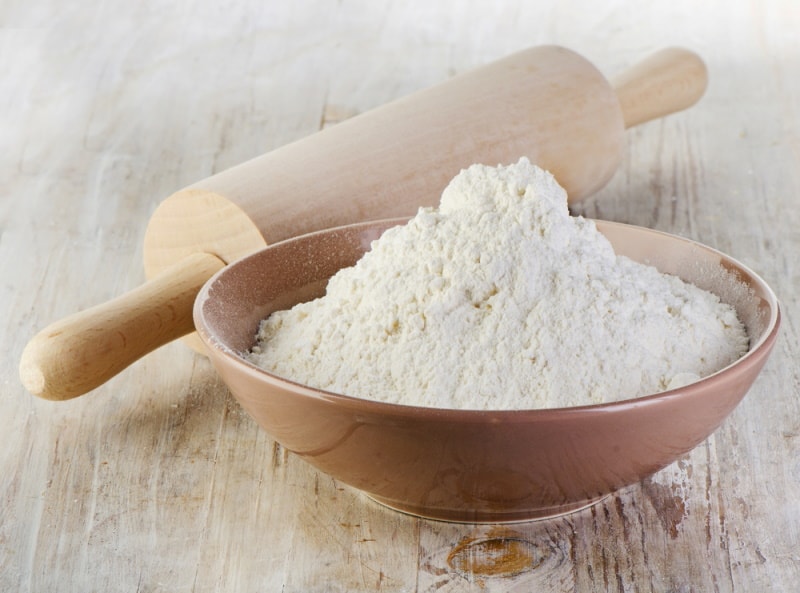
flour on a wooden table
Image by: Tatjana Baibakova, Shutterstock

These are very commonly found in stores all over the world

Gluten Containing Flour

  • Wheat flour, includes varieties, such as:

    • Common wheat flour

    • White flour

    • Noodle flour

    • Spelt

    • Atta flour

    • Maida flour

    • Plan or all-purpose flour

    • Whole wheat flour

  • Rye flour

These are not recommended for cats but aren’t toxic for cats either. If your cat eats some, they’ll likely be fine, unless they have a gluten allergy, which we’ll discuss shortly.

IMPORTANT

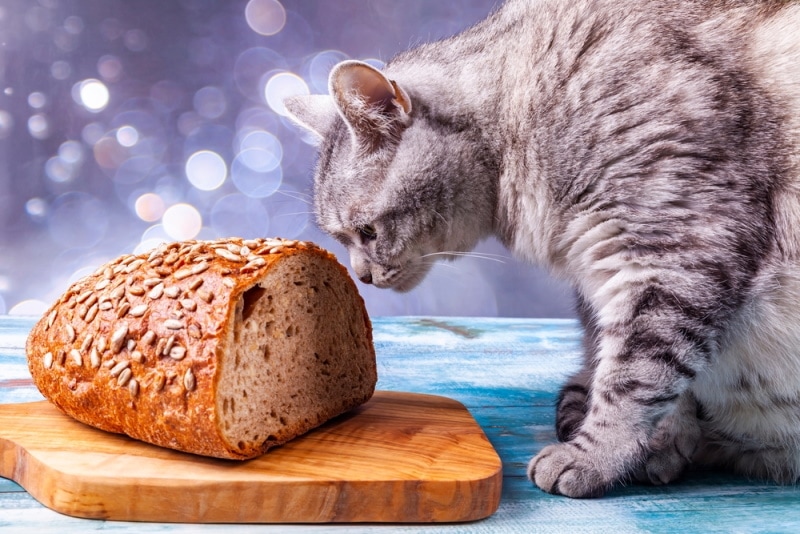
Be warned that some of these flours are used to make bread which may contain other ingredients that are very toxic for cats, such as raisin or chocolate bread. Whenever it doubt, do not feed any human food to your cat. Always consult with your veterinarian or a feline nutritionist before offering your cat any food item that isn’t intended for them.

Gluten-Free Flours

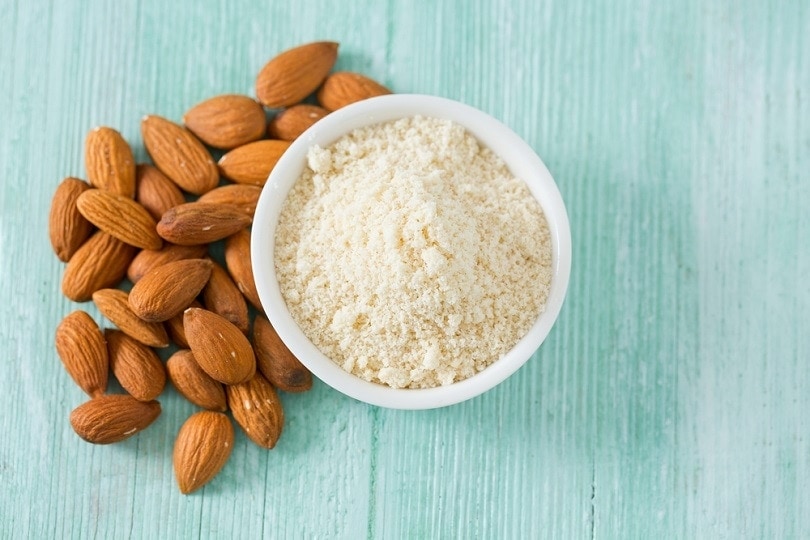
almond flour on wooden surface
Image by: Diana Taliun, Shutterstock

Popular gluten-free flours include the following options:

Gluten Free Flour

  • Almond flour
  • Apple flour
  • Banana flour
  • Brown rice flour
  • Buckwheat flour
  • Corn flour
  • Coconut flour
  • Chickpea flour
  • Potato flour
  • Nut flour

These are slightly trickier to properly analyze, as some are acceptable options for cats, while others are derived from ingredients that cats shouldn’t be fed. None of them are recommended as a regular treat though, so as a good rule of thumb, these should either be avoided or have their ingredients carefully checked before being used for anything your cat may eat.

Warning on Raw Flour and Raw Dough

sick cat
Image by: one photo, Shutterstock

Keep in mind that cats should never eat raw flour or raw dough. The CDC has cautioned against eating raw flour as it may contain bacteria like E. coli, and needs to be cooked, like other foods.

Raw dough usually contains yeast (a rising agent), which is harmful to cats. Yeast ferments the carbohydrates in dough, which produces both ethanol (a type of alcohol) and carbon dioxide. Therefore, if your cat eats raw dough, they may suffer the effects of alcohol poisoning.

Signs of Alcohol Poisoning in Cats

  • Appearing disoriented
  • Appearing bloated
  • Reluctant or unable to move
  • Tremors
  • Feeling cold to the touch
  • Appearing unresponsive

Make sure to contact your veterinarian right away if your cat has eaten any amount of raw dough, as it warrants an emergency visit. Alcohol poisoning can be fatal for cats.

Cats and Grain Allergies

Cats can have grain allergies, but it’s not very common.
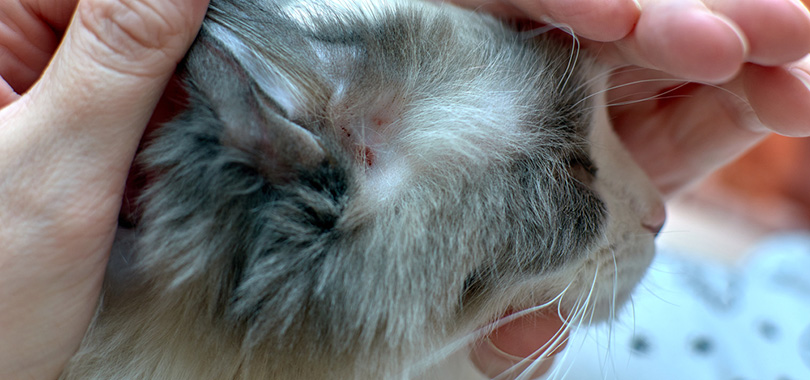
allergic skin diseases in a domestic cat
Image by: eremeevdv, Shutterstock

If you suspect that your cat has a grain allergy, try to look for the following signs associated with food allergies:

Signs of Grain Allergies

  • Constant scratching
  • Constant licking
  • A dry coat and hair loss
  • Gastrointestinal distress
  • A loss of appetite

The best way to determine if your cat has a food allergy is to work with your veterinarian. Your veterinarian will typically rule out other medical causes first. If your cat’s suspected ailment is food allergies, a common way to confirm it is to conduct a food elimination trial and food challenge.

In short, a food elimination trial completely removes the suspected allergen from your cat’s diet for several weeks and places your cat a a prescription hypoallergenic diet. The purpose of the trial is to see if a cat still experiences signs of discomfort or shows signs of improvement after the diet modification.

If your cat responds well to a food trial elimination diet, they may be "challenged" after several weeks with an individual ingredient to see if reintroduction of the food item elicits any former signs of discomfort they were experiencing. If the ingredient successfully does so, it can be listed as a food item your cat is allergic to. If your cat doesn't seem to have a problem with the reintroduction of ingredients they used to eat prior to the elimination trial, they may have other issues that your vet will look into.

A Note About Food Elimination Trials

Food elimination trials are extremely challenging to perform if you don’t comply with your vet’s instructions for your cat’s diet during the process. Remember that no meaningful diagnosis or confirmation about an allergy can be made if you offer your cat any food (including treats) that aren’t approved by your veterinarian throughout the entire course of the trial. Other options for determining a food allergy might be more appropriate if you wish to obtain confirmation sooner, though they may not be readily available everywhere. You should discuss such alternatives with your veterinarian.

Now that you know what you can safely feed your cat, it’s just as important to find a bowl that supports their health and well-being. With whisker-friendly bowls and a wide tray to catch any spills, our Hepper NomNom Cat Bowl is our favorite option.

Our recommendation
Hepper NomNom - Spill Proof Elevated Cat Bowl
  • NO MESS - The 360° tray on this cat food and water bowl set has a raised design to catch and contain stray crumbs and drips. Protect your indoors and floors from wet and messy meals!
  • WHISKER FRIENDLY - Shallow and wide metal containers with flat bottoms ensure your kitty can enjoy mealtime free from whisker fatigue!
  • CHEW-SAFE MATERIALS - Kittens and cats love chewing on silicone and soft rubber - but it's a choking hazard. Our cat feeding station materials are anti-chew for a 100% safe feeding frenzy!

Wrapping Up

In general, cats can safely digest cooked flour of most kinds. However, flour isn't a great source of nutrition for your cat. Therefore, it isn’t something you should actively seek to add to your cat’s diet. Both raw flour and raw dough are dangerous for cats and therefore are never recommended for them in any amount.

See also:

Get Hepper In Your Inbox

Pet care tips from our vets and experts, straight to your inbox.

List

Select all that apply.

You may opt-out at any time. View our Privacy Policy for more information.

Nicole Cosgrove
Authored by

Nicole Cosgrove

Join the conversation

Ask a question, share your story, or send private feedback.
Rate this post
Required to post. Only our editors see your rating.
Who should see this?

A human reviews every comment before it appears. Your email is never published.

Picked to go with this article

Can Cats Eat Wheat? Vet-Reviewed Facts & Safety Guide

Can Cats Eat Wheat? Vet-Reviewed Facts & Safety Guide

Cats love to eat, but they are not designed to eat some of the foods that we as humans enjoy or eat on the regular. As obligate carnivores, felines are designe…

Rachael Gerkensmeyer
By Rachael Gerkensmeyer ·
Why Do Cats Like Bread So Much? 5 Likely Reasons

Why Do Cats Like Bread So Much? 5 Likely Reasons

Cats are known for their unusual quirks and behaviors, but one that might interest you is your cat's unexplained attraction toward bread. Whether it is the sme…

Sarah Psaradelis
By Sarah Psaradelis ·
14 Harmful Foods Your Cat Should Never Eat

14 Harmful Foods Your Cat Should Never Eat

It’s common for cat owners to enjoy sharing their food with their pets. For many, it feels like they’re rewarding their pets’ good behavior, or showing them ex…

Dean Eby
By Dean Eby ·
Can Cats Eat Bread? Vet-Reviewed Facts, Precautions & Alternatives

Can Cats Eat Bread? Vet-Reviewed Facts, Precautions & Alternatives

Most people eat plenty of bread. It holds our hamburgers, hot dogs, melts, and much more. It’s only natural to wonder if our cats can eat bread too. The quick…

Ed Malaker
By Ed Malaker ·

Keep reading

More stories you might like

Can Cats Eat Cornstarch? Vet-Reviewed Nutritional Health & Safety Guide

Cornstarch is a popular ingredient that humans use in many foods. It helps thicken soups, sauces, desserts, and more. It's an ingredient that most of us have i…

Rachel Giordano
By Rachel Giordano ·
Can Cats Eat Cornstarch? Vet-Reviewed Nutritional Health & Safety Guide

Can Cats Eat Biscuits? Vet-Reviewed Facts & FAQ

Biscuits are a favorite breakfast food among many Americans. They can be flaky or dense, and they can be served sweet or savory, making them a versatile food.…

Brooke Billingsley
By Brooke Billingsley ·
Can Cats Eat Biscuits? Vet-Reviewed Facts & FAQ

Can Cats Eat Cereal? Nutrition Facts & Potential Risks

Cereal is one of our breakfast staples here in the United States and many other countries around the world. There are hundreds of varieties, with the healthies…

Hallie Ballard
By Hallie Ballard ·
Can Cats Eat Cereal? Nutrition Facts & Potential Risks

Can Cats Eat Waffles? Vet-Verified Facts & Info

Who needs pancakes when you have waffles! Like a fluffier pancake buttered up with a light sprinkling of sugar and a splash of syrup, a waffle is an irresistib…

Nicole Cosgrove
By Nicole Cosgrove ·
Can Cats Eat Waffles? Vet-Verified Facts & Info

Can Cats Eat Cookies? Vet-Approved Health Guide

Cats are known for their curious and often finicky eating habits, leaving many pet owners wondering about the safety and suitability of various human foods for…

Nicole Cosgrove
By Nicole Cosgrove ·
Can Cats Eat Cookies? Vet-Approved Health Guide

Can Cats Eat Brownies? Vet-Reviewed Nutrition Info

Brownies are not a good treat for cats, for a variety of reasons. Interestingly, cats lack a taste receptor for sweet foods, which makes them unable to taste s…

Sarah Psaradelis
By Sarah Psaradelis ·
Can Cats Eat Brownies? Vet-Reviewed Nutrition Info

Can Cats Eat Corn? Vet-Reviewed Nutritional Facts & Alternatives

Eating corn on the cob is a beloved summertime tradition for many of us. While enjoying a fresh ear of corn on a fine summer day, perhaps you’ve noticed your c…

Oliver Jones
By Oliver Jones ·
Can Cats Eat Corn? Vet-Reviewed Nutritional Facts & Alternatives

Can Cats Eat Tortillas? Vet-Verified Facts & Safety Guide

When you’re busy preparing a feast in the kitchen, your cat probably licks its lips in anticipation. Aromas from your cuisine are tempting to your pet, but can…

Nicole Cosgrove
By Nicole Cosgrove ·
Can Cats Eat Tortillas? Vet-Verified Facts & Safety Guide