Hepper is reader-supported. When you buy via links on our site, we may earn an affiliate commission at no cost to you. Learn more.
Can Cats Eat Waffles? Vet-Verified Facts & Info



Who needs pancakes when you have waffles! Like a fluffier pancake buttered up with a light sprinkling of sugar and a splash of syrup, a waffle is an irresistible treat to most people. But what about our furry friends? Can they enjoy a little fried doughy goodness?
Cats are obligate carnivores, so strictly speaking, cats should not be eating waffles (or any other food that is mostly carbohydrates). Although you technically can feed your cat waffles, read on to find out why you shouldn’t.

What Is a Waffle?
A waffle is a moist, fluffy, leavened bread that is generally eaten for breakfast. A typical waffle is round or rectangular-shaped and made from a mixture of wheat flour, milk, butter or oil, egg, and a leavening agent, cooked in a waffle iron. The batter is poured onto the hot metal or ceramic surface of the waffle iron, which quickly heats the batter, producing small pockets of air within the waffle and creating a distinctive pattern. Waffles differ most from pancakes in terms of their shape and the way they are cooked.

Why Do Some Cats Love Waffles?
Cats have different preferences when it comes to dietary flavors, and individual variations in the type of diet offered to kittens may influence the type of diet they prefer as adults. Some cat owners have even noticed their cat enjoys waffles. One possible explanation for this behavior may be related to the food textures some cats enjoy. Perhaps it’s the crispy texture or chewy center of the waffle that your cat loves, but either way, cats should not be eating them. Some cats will gladly eat things that are bad for them, even waffles.
Why Some Cats Won't Eat Waffles
Most cats tend to be naturally picky about what they eat. Generally, cats don't like too many flavors and may only eat one or two types of food. Sugary foods are especially unappealing to most cats, and many cats will refuse to eat anything that isn't their usual wet or dry food, period. It can be frustrating for pet owners when their pets refuse to eat something new, but generally speaking, cats should be fed a simple diet of regular commercial foods, with very little novelty.
Can Cats Taste Sugar?
Everyone agrees that cats can taste salty, bitter, and sour flavors. However, cats don’t respond as well as humans to sugar because they cannot taste sweet foods. Their tongues lack specialized taste receptors which, in humans, activate in response to the sweetness molecule and send a message to the brain. Felines don't exhibit the same craving response to sweet stimuli that causes cravings in humans and other animals.
What Waffle Toppings Are Dangerous for Cats?
The most common toppings used to enhance the flavor and texture of waffles and pancakes include chocolate chips, raisins, honey, syrup, whipped cream, fruit compote, butter, and maple syrup, all of which are bad for cats. Cats should not consume any of these toppings as they may result in toxicity and adverse effects including diarrhea and other digestive problems.

Can Cats Eat Flour?
Cats can technically eat flour, but as obligate carnivores, they need to predominantly eat meat in order to survive. Flour is a filler used in many commercial cat foods, especially in dry food. However, flour does not provide much in the way of nutrients and excess flour could cause vomiting and diarrhea in cats. Given that your cat may be getting flour and other carbohydrates in its regular food, cats shouldn't eat any extra food containing flour.
Can Cats Eat Carbohydrates?
As we’ve mentioned already, cats need to eat meat to survive. Cats can get their energy and nutrients from protein and fat sources without the need for carbs to fuel their activities. A cat's physiology is not designed for the digestion of carbohydrates and sugars and starches cannot easily be broken down by cats' bodies. Consuming too many can lead to digestive trouble and other health risks including obesity and diabetes.
Cats can eat some carbs in moderation without suffering too much damage, although you should not feed your cat large quantities. Once they consume too many carbohydrates in their diet, they are at increased risk of obesity, which is also a major problem for humans. When cats consume carbohydrates, they may experience diarrhea as their body rejects the carbohydrates by quickly passing them through the digestive system before the body can absorb them or process them.
Are Waffles High in Carbohydrates?
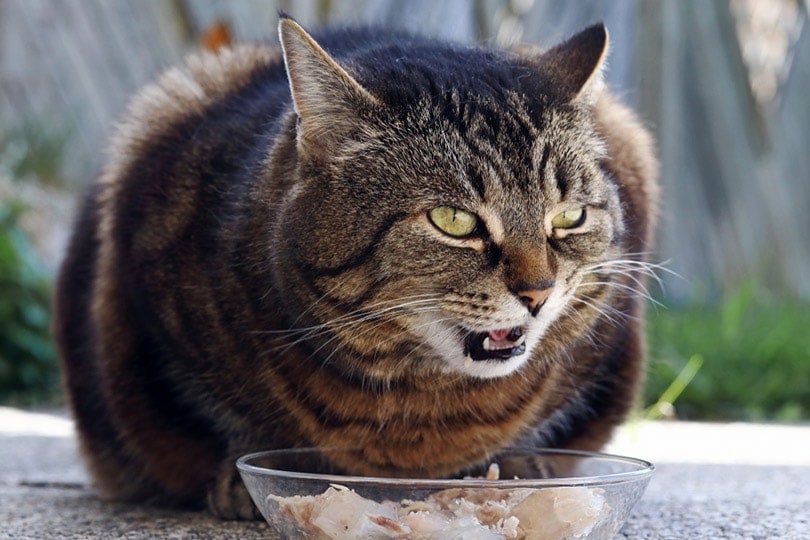
Waffles are very high in carbohydrates, therefore they are not a healthy choice for cats. Simple carbs, like sugar, are metabolized quickly by the body, resulting in quick energy and high blood sugar levels. This can lead to weight gain, insulin resistance, and diabetes in felines.
When feeding your cat carbs, it is important to remember that there are two types of carbohydrates: complex and simple. Complex carbohydrates need to be broken down by the digestive system, so they cannot be absorbed as quickly as simple carbs.
What Is the Difference Between White Flour and Whole Grain Flour?
The main distinction between whole grain flour and white flour is that whole wheat flour is made from the entire wheat grain, including the bran and germ, which contain nutrients like fiber, protein, minerals, and vitamins; whereas white flour is made by removing the bran and germ from wheat grain. The process breaks down flour’s natural fiber content, and white flour contains about 75 percent of the total carbohydrate content of whole-wheat flour but contains far less protein and minerals.

What Should Cats Eat?
Just because we enjoy a particular food, doesn’t mean we should give it to our cats. The feline diet is very different from a human, and obligate carnivores must primarily consume meat to live. The best diet for cats is low in carbohydrates (including grains, like corn and wheat), high in protein (from animal-based sources), and high in vitamin D, taurine, arachidonic acid, water content, magnesium, and omega-3 fatty acids. A cat's diet should consist primarily of meat products, with a small percentage of vegetables and grains. Studies have shown that a diet high in carbohydrate content can lead to obesity, an increased risk for diabetes, and even renal diseases, heart problems, and weakened immunity in cats.
For optimum health, cats should have established meal times. Rather than allowing them to graze all day, most experts recommend a feeding regimen of one to two meals a day for adult cats. In fact, a new study has shown that, in terms of appetite control, cats may respond best to feeding just once per day. Given this narrow window of opportunity for nutrition, you should aim to provide high-quality, balanced meals for your cat. Waffles or pancakes simply aren’t the right foods for felines.
Why Shouldn't I Change My Cat's Food Routine?
Cats are deeply stressed by changes in their environment. They love predictability and respond best to regularity in feeding. Researchers found that after disruptions in their daily routines, both healthy and chronically ill cats showed more signs of illness, such as vomiting, coughing up hairballs, and defecating outside the litter box. Regular feeding time with familiar foods will keep your cat happy and stress-free.

Conclusion
Before attempting to make changes to your cat's diet, it’s always best to consult a veterinarian. While some cats may prefer to eat items other than typical cat food, it's our responsibility to ensure they eat a healthy diet.
Waffles are high in sugar and carbohydrates, and even though some cats may like to eat waffles and a small bite occasionally is unlikely to do much harm, they shouldn't eat them at all.
See also:
Featured Image Credit: Davies Designs, Pixabay
Get Hepper In Your Inbox


Pet care tips from our vets and experts, straight to your inbox.
You may opt-out at any time. View our Privacy Policy for more information.
Nicole is a lover of animals of all sizes but is especially fascinated with the feline variety. She’s the proud mom of Baby, a Burmese, and works every day so he can relax in the sunshine or by the fire. She’s always had a cat in her home and has spent countless days with others, observing behaviors and softening up even the grouchiest of the lot. Nicole wants to share her kitty expertise with you so you and your cat can live happy, healthy, and care-free.
Join the conversation
Ask a question, share your story, or send private feedback.