Hepper is reader-supported. When you buy via links on our site, we may earn an affiliate commission at no cost to you. Learn more.
Can Cats Eat Biscuits? Vet-Reviewed Facts & FAQ


In this article
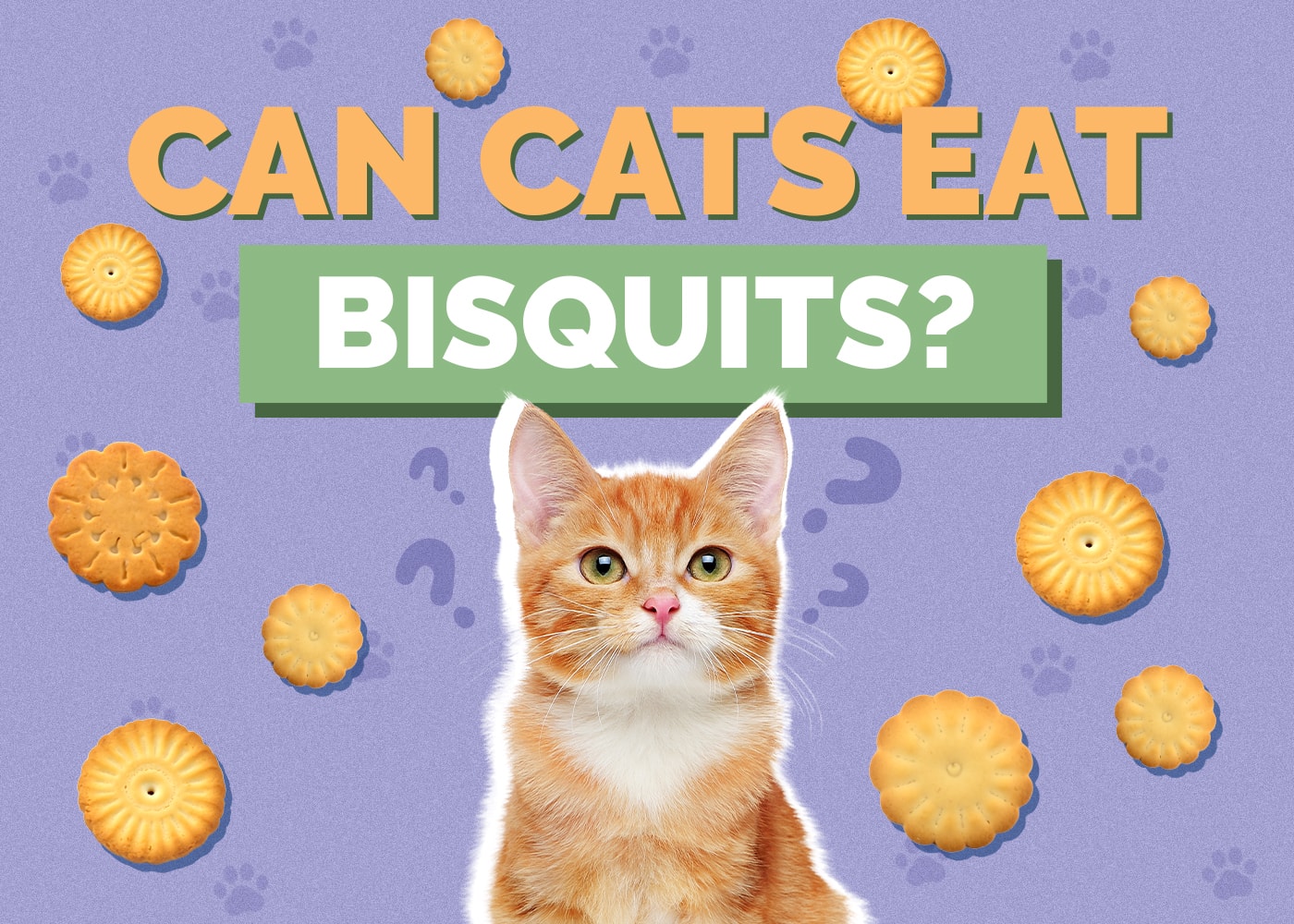
Biscuits are a favorite breakfast food among many Americans. They can be flaky or dense, and they can be served sweet or savory, making them a versatile food. If you are a fan of biscuits, you may have found yourself wondering if your cat would enjoy sharing a bit of your breakfast biscuit with you. While biscuits aren't toxic for cats, they aren’t healthy for cats either and are best avoided. Here’s everything you need to know about feeding biscuits to cats.

Can Cats Eat Biscuits?
Biscuits aren’t toxic for cats. Therefore, cats can eat small amounts of biscuits, although it is not ideal to feed your cat biscuits.
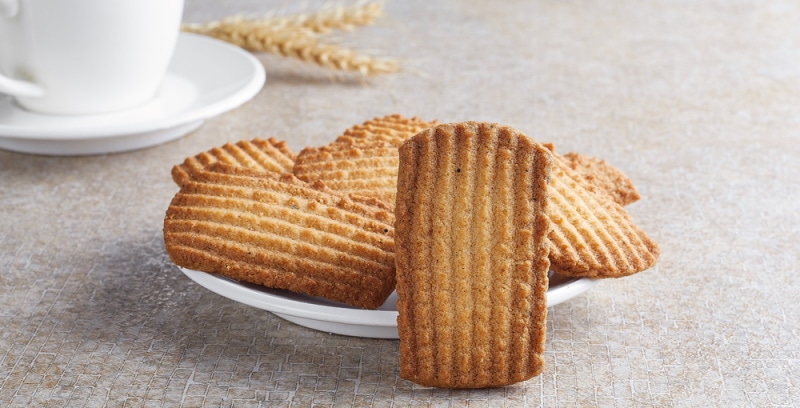
Biscuits are made of flour, salt, butter, and a leavening agent (such as baking powder). Some biscuits may also contain vegetable shortening, additives, flavorings, and artificial colors. Although not necessarily toxic, none of these ingredients are healthy for your cat.
Are Biscuits Good for Cats?
Not really! Some biscuits may contain high levels of fiber, which isn’t an essential part of the average cat’s diet.
Though they often contain some protein, the amount in them is usually insufficient for a cat’s dietary needs and usually doesn’t contain all the essential amino acids your pet needs. They are also very high in saturated fats, which are often known as the “bad” fats.
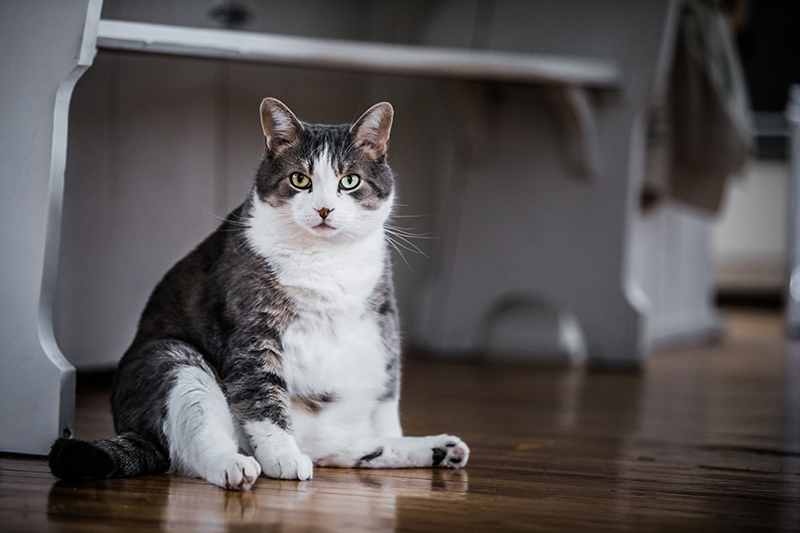
On top of the fiber content, though, biscuits are also high in starchy carbohydrates. These starches aren’t necessary to your cat’s daily diet. Excess carbohydrates are stored in the body, and carbohydrates stored in the form of fat lead to weight gain and obesity. Diseases like diabetes and heart disease can be caused by an improper diet and obesity.
It’s also worth noting that the high fat content of biscuits may be detrimental to your cat’s health. Much like excess carbohydrates, excess fat can also lead to weight gain and obesity. It can also lead to serious medical conditions, like pancreatitis, which is often caused by the overconsumption of fatty foods. Excess fat also predisposes your kitty to other health issues, such as hepatic lipidosis.
How Much of a Biscuit Can I Give My Cat?
Interestingly, cats are great at manipulating human emotions. If they realize begging for a biscuit will result in you caving in and offering them some, they may repeatedly beg for even more. However, you should not reinforce this behavior, as feeding them unhealthy foods is obviously bad in the long run. There are far better options for your cat out there.
What Foods Are Better Options for My Cat?
Cats are obligate carnivores, which means they need meat in their diet and rarely eat anything other than animal proteins. You can offer your cat properly cooked meats, like chicken, pork, beef, lamb, and fish. When cooking meats for your cat, you should avoid adding condiments and seasonings. Cats on a raw meat diet can be fed most raw animal meats but should never be fed raw fish.
Alternatively, you can offer your cat commercial treats that have been formulated specifically with the needs of cats in mind. Cat treats are portioned into bite-sized pieces, making it much easier for you to keep your cat on track with their calorie intake. They are also made with cat-safe ingredients and are a great way to treat your cat without going overboard.

A Note About Kibbles
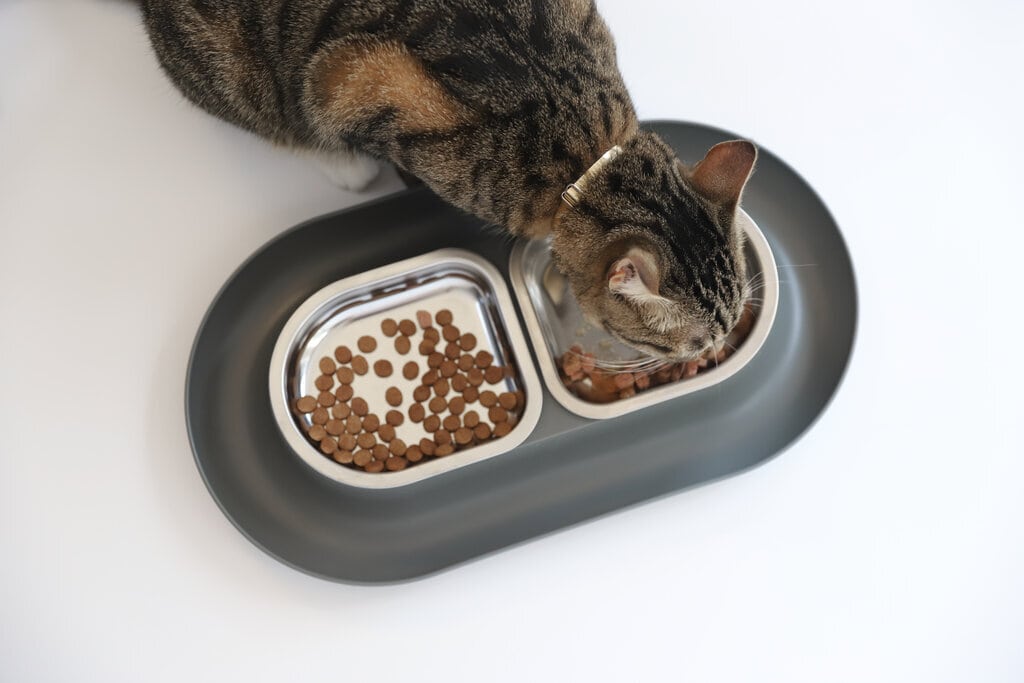
An important distinction to make is that sometimes, people refer to kibble, a popular form of dry pet food, as "pet biscuits". Most pet biscuits are safe for your cat when fed in the correct portions. Your cat's caloric needs will determine how much kibble they need every day. These needs are determined by several factors.
A Few Factors That Determine Calorie Needs:
The kibble brand and product you choose for your cat will usually have feeding instructions on the product or its box. Ensure you follow them as a guideline to feed your cat if your cat does eat a kibble-based diet. Most companies that make kibbles are compliant with AAFCO pet standards, and this is an important piece of information you should look out for in the packaging when you purchase such a product.
Generally speaking, kibbles are safe for your cat and should not be confused with the biscuits we've talked about here. Any doubts about your cat's nutritional welfare should be clarified with your veterinarian or a feline nutritionist.
Now that you know what you can safely feed your cat, it’s just as important to find a bowl that supports their health and well-being. With whisker-friendly bowls and a wide tray to catch any spills, our Hepper NomNom Cat Bowl is our favorite option.

- NO MESS - The 360° tray on this cat food and water bowl set has a raised design to catch and contain stray crumbs and drips. Protect your indoors and floors from wet and messy meals!
- WHISKER FRIENDLY - Shallow and wide metal containers with flat bottoms ensure your kitty can enjoy mealtime free from whisker fatigue!
- CHEW-SAFE MATERIALS - Kittens and cats love chewing on silicone and soft rubber - but it's a choking hazard. Our cat feeding station materials are anti-chew for a 100% safe feeding frenzy!

Conclusion
Biscuits are a treat that your cat is likely to enjoy, but they aren’t healthy for your cat and, therefore, are best avoided. Biscuits do not contain many necessary nutrients for cats. An overconsumption of biscuits may lead to an overweight or obese pet, along with the health complications that such cats face.
Overall, biscuits are just not an ideal treat to offer to your cat. There are better, healthier cat-friendly treats and snacks out there, which you can either prepare or purchase.
Related Reads:
Get Hepper In Your Inbox


Pet care tips from our vets and experts, straight to your inbox.
You may opt-out at any time. View our Privacy Policy for more information.
After nine years as a veterinary assistant, Brooke Billingsley transitioned to a career as a nurse in 2013. She lives in Arkansas with her boyfriend, sharing their home with three dogs, two cats, five fish, and two snails. A dedicated animal lover, Brooke has a special place in her heart for special needs pets, including a three-legged senior dog and a famous cat with acromegaly and cerebellar hypoplasia. Fish keeping is one of her hobbies, and she is constantly improving her knowledge to care for her aquarium pets. Brooke is an active yoga enthusiast, having obtained her 200-hour yoga teacher certification in 2020. She believes in the importance of continuous learning and dedicates time each day to developing new skills and expanding her knowledge.
Join the conversation
Ask a question, share your story, or send private feedback.