Hepper is reader-supported. When you buy via links on our site, we may earn an affiliate commission at no cost to you. Learn more.
Can Cats Eat Mushrooms? Vet-Approved Health Guide


If your cat has ever tried to eat your dinner, you’ve probably wondered whether human food is safe for your feline friend. Generally speaking, you should stick to giving your kitty food that is formulated specifically for cats, but every now and then, it’s okay to share cat-safe food with your pet.
But what about mushrooms? Overall, you should avoid feeding mushrooms to your cat, but some store-bought mushrooms can be safe for cats. If you choose to share mushrooms with your cat, choose a safe kind such as cremini, portobello, or button. In this article, we discuss in more detail which mushrooms are not safe for cats, why cats like the taste of mushrooms, and other human foods that are safe for cats to eat.

Which Mushrooms Are Not Safe for Cats?
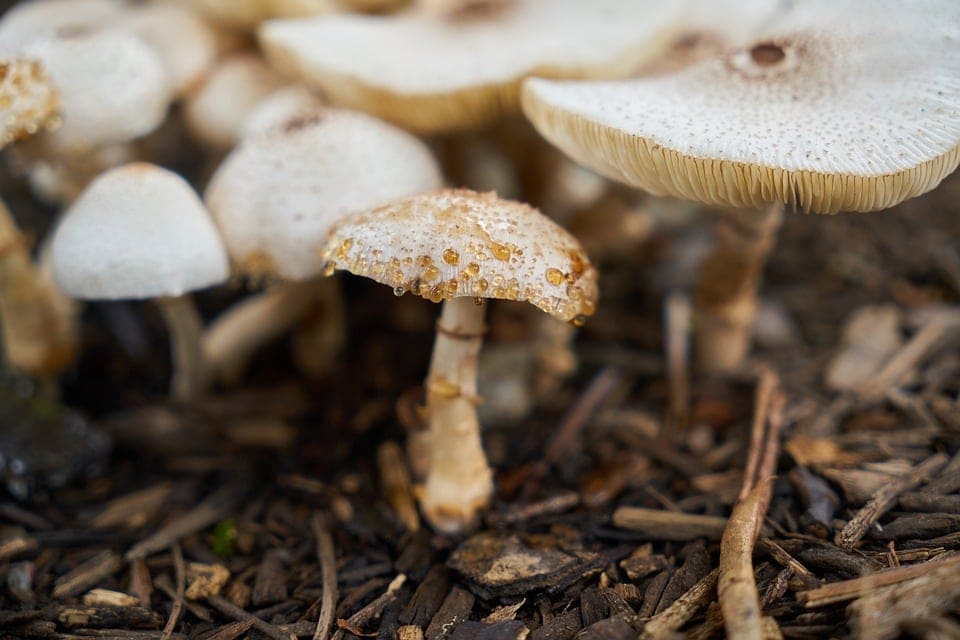
In general, you should always avoid feeding your cat any type of wild mushrooms, as they can be toxic to your kitty. Not all wild mushrooms are toxic to cats, but to be safe, you should avoid all types of wild mushrooms. Many cats remain indoors at all times, in which case wild mushrooms are likely not an issue. However, some outdoor cats may try to eat a wild mushroom if they are out wandering in your yard.
A cat who has eaten a toxic wild mushroom may become ill. The type and seriousness of the illness depend on how many and what types of mushrooms your cat ate. There are four main types of toxins that you should be aware of:
Why Do Cats Like Mushrooms?
Since cats are strict carnivores, you might be wondering why they would be interested in eating mushrooms anyway. It turns out that while cats aren’t able to taste sweet foods, they do have the ability to taste umami flavors. Since umami flavors are also found in the amino acids of different kinds of proteins, a cat who is attracted to mushrooms is most likely interested in them because, to your cat, they smell and taste similar to meat.
What Other Foods Are Safe for Cats?
While you shouldn’t make a habit of giving your cat food off your plate, it’s okay to do so every now and then as long as you’re conscientious about which foods you share with your kitty. Below is a short list of foods you can feel free to give your cat in small portions as a treat occasionally.
Now that you know what you can safely feed your cat, it’s just as important to find a bowl that supports their health and well-being. With whisker-friendly bowls and a wide tray to catch any spills, our Hepper NomNom Cat Bowl is our favorite option.

- NO MESS - The 360° tray on this cat food and water bowl set has a raised design to catch and contain stray crumbs and drips. Protect your indoors and floors from wet and messy meals!
- WHISKER FRIENDLY - Shallow and wide metal containers with flat bottoms ensure your kitty can enjoy mealtime free from whisker fatigue!
- CHEW-SAFE MATERIALS - Kittens and cats love chewing on silicone and soft rubber - but it's a choking hazard. Our cat feeding station materials are anti-chew for a 100% safe feeding frenzy!
Conclusion
In summary, it is probably safe to feed your cat store-bought mushrooms every once in a while. However, there are several wild mushrooms that are considered toxic to cats that you should prevent them from eating at all costs. If you want to be safe, don’t allow your cat to eat any type of mushroom. Instead, you can offer your pet a bite of meat, fish, eggs, or whole grains from your plate—just don’t make it a habit, as too many treats can lead to obesity in cats.
Looking for more ideas on what cats can eat and drink? Try:
Featured Image Credit: Pixabay
Get Hepper In Your Inbox


Pet care tips from our vets and experts, straight to your inbox.
You may opt-out at any time. View our Privacy Policy for more information.
Oliver (Ollie) Jones is a zoologist turned freelance animal writer living in South Australia with his partner Alex and their mini zoo consisting of many aquatic creatures, dog Pepper, and of course, cat Steve. Ollie is originally from the USA and holds a Master's degree in wildlife biology. He hopes to share his feline knowledge and expertise with people so they can share in his passion and help their cats live their best lives.
Join the conversation
Ask a question, share your story, or send private feedback.