Hepper is reader-supported. When you buy via links on our site, we may earn an affiliate commission at no cost to you. Learn more.
Can Dogs Eat Herring? Vet Reviewed Health Concerns


In this article
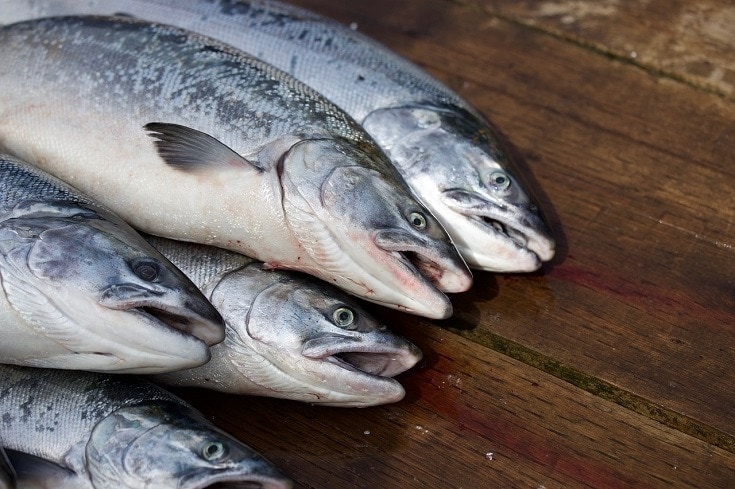
Herring is a fish common to diets around the world. The prevalence and popularity of herring in certain areas have caused people to wonder if dogs can eat herring. If you find your dog chowing down on a piece of herring, should you be worried? The good news is that dogs can eat herring. In general, dogs can eat most fish, as long as the fish is served properly. Incorrectly prepared fish does have some health risks that need to be addressed before feeding, but most of the time, plain fish is acceptable for dogs to eat.

Can Dogs Eat Herring?
Yes. Dogs can eat herring. Herring is a white fish that is found in cold ocean waters. Herring is an important part of many diets around the world, which puts herring and dogs in close proximity in many places.
Herring is safe for dogs to eat as long as you prepare and serve it properly. There is nothing toxic or dangerous about herring meat. Herring can actually be a solid part of a dog’s diet. Many formulated dog foods contain fish or are bolstered with fish oils to improve coat quality and may help with certain diseases. However, there are some things that you need to be aware of before feeding your dog herring. Keep reading to learn about the nutritional content, health benefits, and health risks of herring for your dog.

Herring Nutritional Facts
Serving Size: 100g of plain baked herring
How to Feed Your Dog Herring
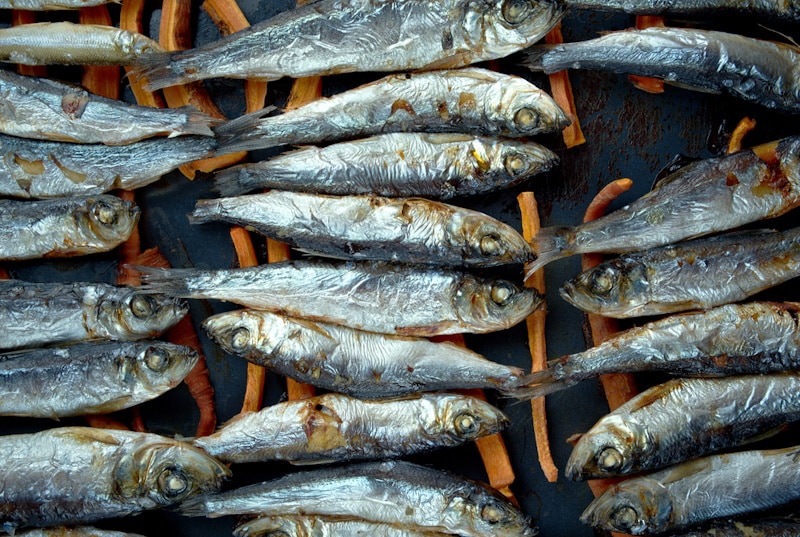
The best way to feed your dog herring is baked. The herring should be plain, meaning unseasoned and not marinated. Make sure that you remove any bones and skin from the herring before feeding it to your dog. Cooking properly ensures that parasites and bacteria are killed before eating.
You can feed herring to your dog as a snack or a healthy treat. It is still recommended that dogs get most of their nutrition from formulated dog foods that are properly balanced. Herring can be an additive or a treat for dogs, but you should feed your dog more than just plain herring for optimal dietary nutrition.
Health Benefits of Herring
Herring is a light meat that is high in protein and relatively low in fat. The omega 3 fatty acids in herring may be beneficial to your dog as they help with maintaining healthy skin and joints and act as anti-inflammatories. The amount present in one fish is not likely to make a clinical difference so speak to your veterinarian if you think your dog would benefit from a fish oil supplement.

Health Risks of Herring
Fish can have a number of small and sharp bones that can be dangerous for your dog. Small bones can lacerate the throat, get stuck in the throat, or even puncture the intestines. If your dog eats a fish full of small, sharp bones, it can pose a serious risk. When preparing your herring, it is important to remove the skin and debone the fish. You only want your dog to eat the herring meat, not the bones and the skin.
Raw fish may carry bacteria such as Salmonella, Listeria and Clostridium that can make your dog sick. Some fish also carry parasites. Fish should always be cooked before serving to your dog as it kills any nasty pathogens that could make them sick.

Types of Herring to Avoid
As we mentioned, you should only feed plain herring to your dog. Dogs can eat cooked herring, however, and herring can be prepared in a variety of different ways. Dogs should not eat any herring that has been prepared beyond plain. Dogs should not eat pickled herring, marinated herring, or smoked herring. These types of processed fish can have additional ingredients that might not be safe for your dog or at least cause a stomach upset.
For example, some pickled herring can include spices and additives such as peppercorn, bay leaves, raw onion, mustard, dill, and sherry. These ingredients can cause an upset stomach, and things like onion and garlic can even be toxic. For these reasons, prepared herring should be avoided in favor of plain-baked herring.
Avoid fish that has been fried in any oils or fats as a fatty meal can lead to pancreatitis, a severe illness that can cause signs including vomiting and abdominal pain in dogs.
Herring to Avoid:
Conclusion
Dogs can eat herring. The best way to feed herring to your dog is to serve it plain and baked. Make sure that the fish is deboned and does not include any seasonings that could upset your dog’s digestive system. When given the right way, herring can be a lean, light and healthy snack.
Sources
Featured Image Credit: khoistudio, Shutterstock
Get Hepper In Your Inbox


Pet care tips from our vets and experts, straight to your inbox.
You may opt-out at any time. View our Privacy Policy for more information.
Grant is a freelance writer with years of experience writing about a diverse range of topics. His days are spent writing and caring for eight animals (two horses, two donkeys, two goats, and two dogs). In his free time he enjoys slowly carving out a quaint hobby farm from the Southern scrub. He currently lives in his native Florida with his wife and son.
Join the conversation
Ask a question, share your story, or send private feedback.