Hepper is reader-supported. When you buy via links on our site, we may earn an affiliate commission at no cost to you. Learn more.
Can Dogs Eat Raw Fish? Vet-Reviewed Facts & Safety Guide


In this article
Fish is a common ingredient found in cat and dog food, but have you ever wondered if it is okay to give your dog a bite of raw salmon or tuna?
Is raw fish safe for your dog to eat? The short answer is absolutely not. Most fish are a healthy food source for your dog, but it’s necessary to cook the fish first before giving it to your dog. There are severe health issues associated with offering raw fish to dogs.

Fish as a Healthy Source of Food
There are all kinds of nutritious goodness found in fish.1 Particularly so-called fatty fish, which are full of nutrients such as protein, iodine, Vitamin D and E, minerals, and omega-3 fatty acids. Fatty fish include mackerel, tuna, salmon, trout, and sardines. Some of the health benefits of fish can include:
Health benefits of fish for humans:
The American Heart Association does recommend eating fatty fish two times a week as a part of a healthy diet for humans.2 But our dogs are not the same as us, and these recommendations will be different when it comes to your pooch.
Fish and Your Dog
Fish is quite easy to prepare and clearly has a number of health benefits for us humans, but what about dogs?
Health benefits of fish for dogs:

The best kinds of fish for your dog are:
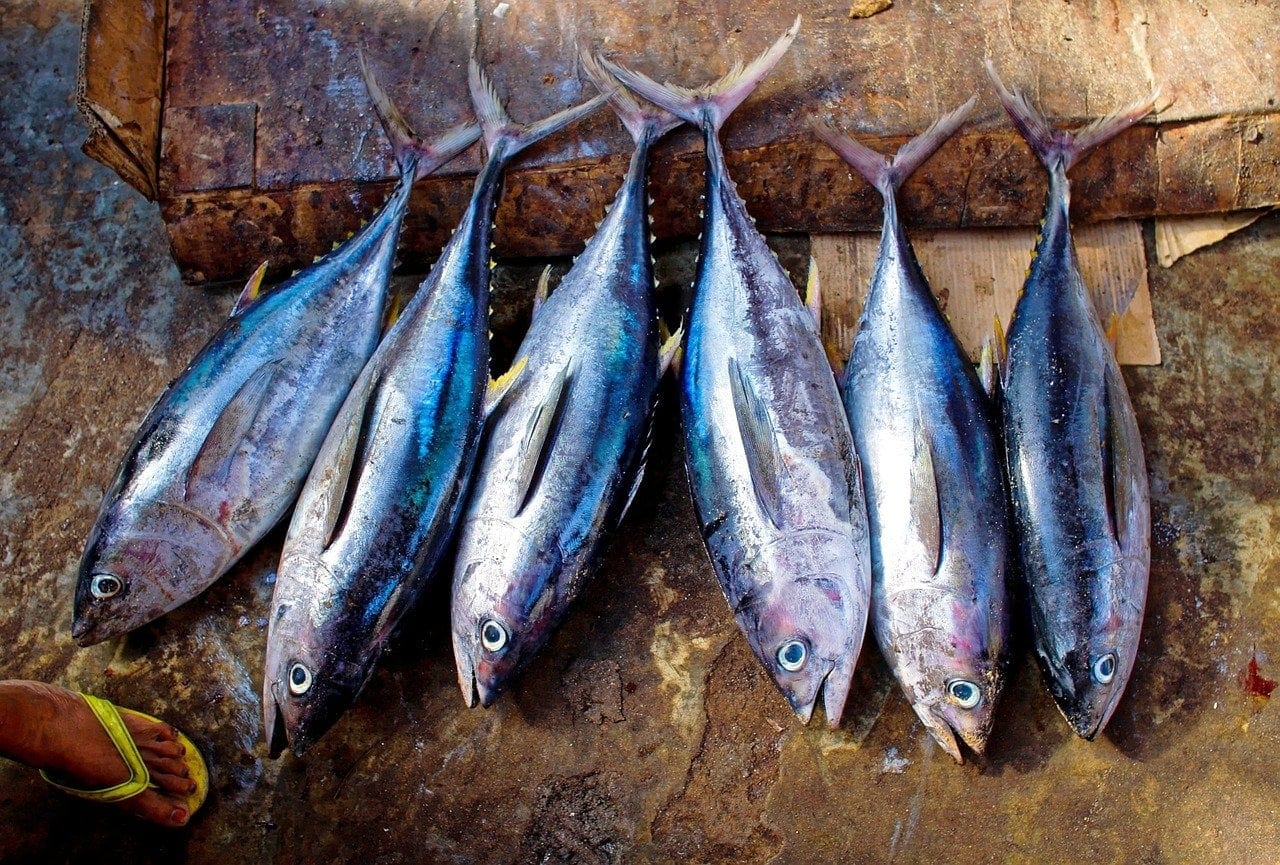
These fish, when cooked, are safer for your dog because they are not as likely to have serious parasite or bacteria issues due to thermal processing, and they’ll have lower mercury levels. You could also consider a bit of canned light tuna in water as a rare treat, but be aware that fresh tuna contains high levels of mercury and this will be detrimental to your dog’s health. Oil from canned tuna can also lead to digestive upset in your dog.
Fish is clearly a highly beneficial ingredient that can be a healthy food source for your dog. However, if you decide to include fish in your dog’s diet, you also need to be aware of the negatives.
The Downside for Dogs
While fish can be healthy for your dog, there are some issues that should be taken into consideration.
The kinds of fish that are not safe for your dog to eat include:
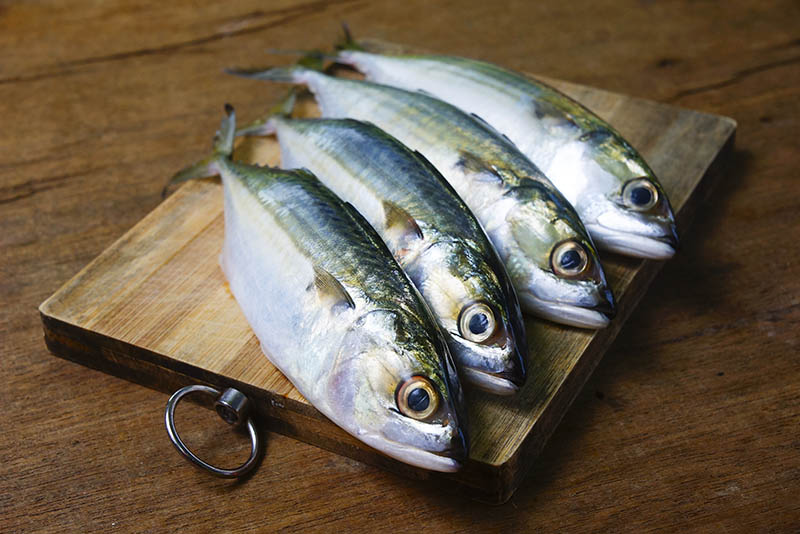
These types of fish are usually collected when they are bigger and older and tend to have much higher levels of mercury and parasites found on their skin and internally. Mercury poisoning from eating fish often occurs after some time due to build up of mercury in the tissues. Developing nervous system of young dogs and puppies are more susceptible. Any fish that has been farm-raised should also be avoided, as they may contain harmful antibiotic residues or other additives
Signs of mercury poisoning in dogs with chronic exposure include:

Raw Fish
The American Veterinary Medical Association does recommend cooking all animal-based proteins, including fish, before feeding them to your pet. Like humans, raw or undercooked fish can harbor many parasites and pathogens that can cause serious illness or death if ingested.
Salmonella, Clostridium, and Listeria are all dangerous bacteria that may be present in undercooked fish that can also pose a danger to humans when transmitted from your dog. If you choose to cook fish for your dog, you need to be sure to follow all the necessary precautions. Disinfect cooking surfaces as well as utensils and bowls after use, and wash hands thoroughly.
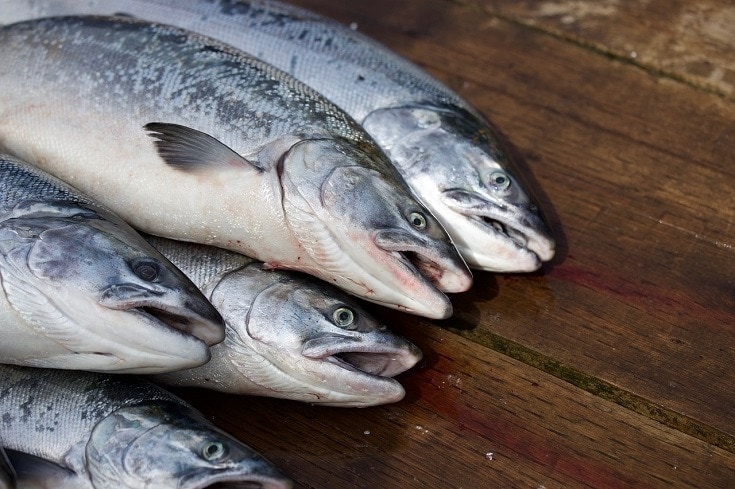
Another important and life-threatening illness that dogs can get from eating raw fish is called Salmon poisoning. This happens when dogs eat raw or undercooked salmon, trout, steelhead, or Pacific Giant Salamanders infested with a parasite called Nanophyetus salmincola. This flatworm is generally harmless to dogs unless it’s infected with a bacteria called Neorickettsia helminthoeca that will enter the dog’s bloodstream and cause severe illness. Signs of the disease are typically seen within 1 to 2 weeks of the dog eating infected raw or undercooked fish and up to 90% of untreated dogs may die.
Common signs of Salmon poisoning include:
When it comes to raw fish that is consumed by people, such as sushi, you are still facing the same risks of your pooch getting sick due to bacteria and parasites the fish may contain. And you may be at risk of getting ill too. It’s important to always provide your dog with properly prepared and cooked fish.

Fish can also contain parasites. Many of these are fish specific and will not cause any significant issues in dogs, as they cannot complete their life cycle, while others may lead to gastrointestinal disorders if dogs are a host in the parasite’s development. Some of these parasites are flatworms like the tapeworm Diphyllobothrium latum and Spirometra species, but fish can also get roundworms and hookworms.
Signs that your dog may have intestinal parasites:
If you notice any signs of illness, if your dog has eaten raw fish, or you suspect they may have parasites, take your dog to the vet immediately.
Oils and Seasonings
You should also avoid frying the fish in oil and seasonings. Too much oil can cause gastrointestinal upset, including vomiting and diarrhea. Fried food is typically high in oils, butter, and fat, which can predispose your pup for obesity long term, and some dogs may even develop pancreatitis, which is an inflammation of their pancreas that may happen after eating high fat meals.
Certain seasonings can also contain harmful ingredients for your dog, such as onions and garlic, which should be avoided.
Fish Bones and Skin
One of the biggest problems with feeding fish to your dog is the bones. Fish bones are tiny and sharp and can be very dangerous to your dog if ingested. They can become stuck in your dog’s mouth, throat, stomach, and intestines and can even penetrate through the walls of the intestines and stomach. All of this can cause extreme pain in your dog and requires rather expensive visits to your vet.
If you see your dog drooling excessively and pawing at his mouth after eating fish, he may have a bone stuck in his mouth or throat and should be seen by your vet as soon as possible. Fish heads, tails, fins, and bones should not be fed to your dog, and any fish that you plan to feed to your dog should be cleaned, deboned, fileted, and cooked beforehand.
Fish skin is only safe for your dog to eat if it has been dried and the scales have been removed before cooking and has had no oils or seasonings added. Uncooked fish skin can also contain parasites and bacteria. Fish skin that’s prepared without any additives into a jerky-type treat may be considered only if the scales have been removed.
Conclusion
The safest way to prepare fish for your dog to eat includes ensuring all bones, fins, head, and tail are removed and grilling, baking, or deep steaming the fish without any oil or seasonings. It’s safe to feed this kind of fish to most dogs, but be sure you’ve consulted with your vet first. Cooking is the most efficient way to make fish safe for your dog. Make sure the fish has been properly and thoroughly cooked, as undercooked fish carries all the health risks as previously discussed.
If you’ve decided to add fish to your dog’s diet, speak to your vet first, as they can help guide you to the best kind of fish and the proper technique for preparing it for your dog. You can use cooked fish as an occasional treat, or if your dog’s health will benefit from adding it to his diet, your vet will help you figure out how much fish your dog should eat based on their weight, age, and medical condition.
As long as you’re careful and follow these instructions, fish is a healthy and beneficial protein that your dog may enjoy on a regular basis.
Related read: Can Dogs Eat Herring?
Sources
Pancreatitis in Dogs: Symptoms, Causes, and Treatment | PetMD
Salmon Poisoning Disease and Elokomin Fluke Fever in Animals
Dogs as Sources and Sentinels of Parasites in Humans and Wildlife, Northern Canada - PMC
Parasite Protocols: Canine Intestinal Helminths | Today's Veterinary Practice
Diphyllobothrium latum | American Association of Veterinary Parasitologists
Featured Image Credit: mschoettchen, Pixabay
Get Hepper In Your Inbox


Pet care tips from our vets and experts, straight to your inbox.
You may opt-out at any time. View our Privacy Policy for more information.
Nicole is a lover of animals of all sizes but is especially fascinated with the feline variety. She’s the proud mom of Baby, a Burmese, and works every day so he can relax in the sunshine or by the fire. She’s always had a cat in her home and has spent countless days with others, observing behaviors and softening up even the grouchiest of the lot. Nicole wants to share her kitty expertise with you so you and your cat can live happy, healthy, and care-free.
Join the conversation
Ask a question, share your story, or send private feedback.