Hepper is reader-supported. When you buy via links on our site, we may earn an affiliate commission at no cost to you. Learn more.
Can Guinea Pigs Get Fleas? Vet Approved Treatment & Prevention

In this article
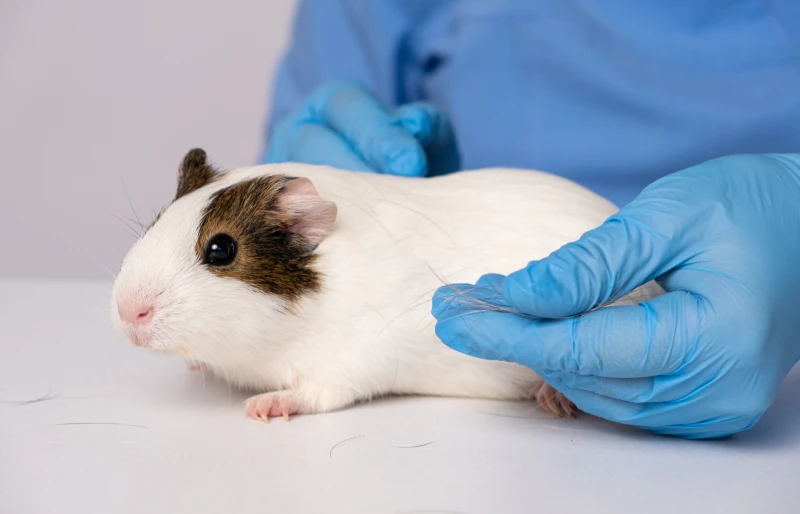
Don’t think that just because you don’t have a traditional pet your guinea pig can’t get fleas. Guinea pigs are prone to fleas, even though it’s not as common as in a cat or dog. They are especially susceptible to fleas if other animals go outside since fleas tend to jump from one host to the next.
While it is uncommon for fleas to become life-threatening, getting your guinea pig treated as soon as you notice flea infestation symptoms is a good idea. Fleas spread diseases such as murine typhus, tularemia, and tungiasis. But when do fleas become life-threatening? How do you prevent a flea infestation? What do you do if you notice your guinea pig has fleas? Let's investigate further.

Symptoms of Flea Infestation
Firstly, guinea pigs aren't just prone to fleas; they are susceptible to other bugs, such as mites and lice, too. When identifying fleas specifically, the first signs are itching, though when you look closer, you may notice flea dirt.
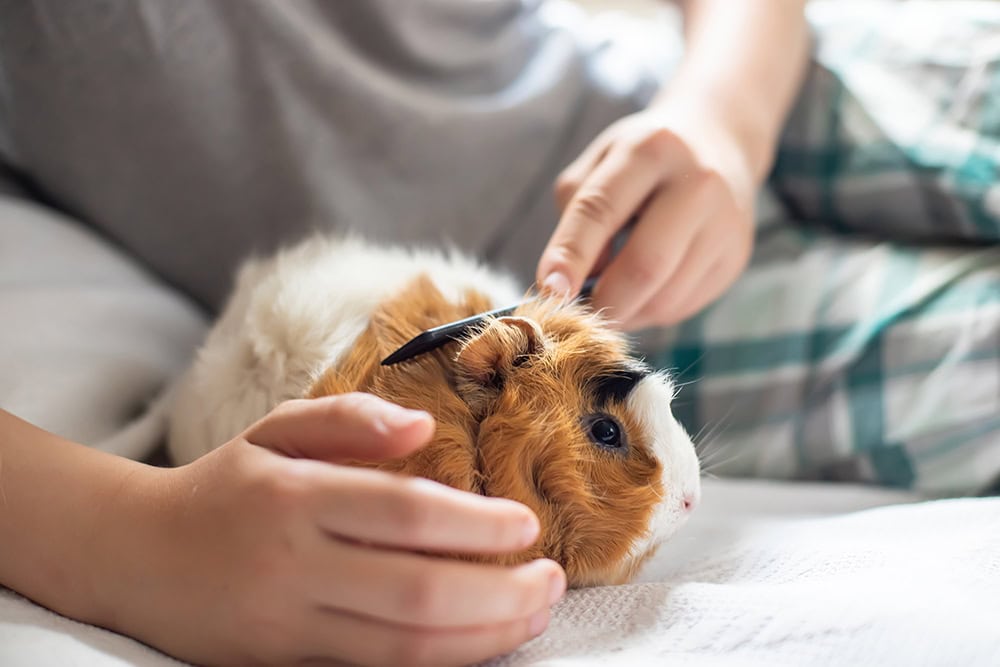
Flea dirt, otherwise known as feces, is tiny brown or black specs that cling to the shafts of your guinea pig's fur. However, if you're unsure whether the dirt is just dirt or flea feces, run a comb through your guinea’s hair, then wipe it on a wet napkin. If the dirt turns red, it's likely flea poop.
While flea poop is the earliest sign of a flea infestation, you should not take this lightly. Flea feces mean fleas have gotten a blood meal and have started laying eggs. Flea larvae will feed on flea dirt to further continue their development.
Other physical signs that your guinea has fleas are:
Now, your first instinct may be reaching for the Dawn dish soap and scrubbing. However, it's a good idea to call your vet first and see what they have available for guinea pig flea treatment. Some soaps can be more harmful to your pocket pig than other methods.

Causes of Flea Infestation
The primary cause of your guinea pig becoming infected is if you have other animals, such as cats or dogs, that transfer fleas to your pig, though other causes stem from their environment.
Ensure that your visitors aren't infected, as fleas can also be transferred from another household. However, if you bring your guinea pig outside, they are even more susceptible, as fleas tend to be present year-round, especially before colder months.
What's more concerning is that guinea pigs and fleas prefer the same temperature—approximately 65°F–75°F. Ensure you make cage cleaning a weekly (or twice a week) routine because fleas flourish in humid bedding that your guinea has defecated in.
Other causes that sustain a flea infestation are:
Guinea Pig Flea Treatment
While flea identification may seem alarming, there are tried and true methods to remove flea infestations. Unfortunately, if you spot one flea, your household may be fully infested, so you'll need to prevent it from spreading. Luckily, the same measures are used for prevention as well as treatment.
Firstly, schedule an appointment with your guinea pig's veterinarian. At the meeting, your vet will prescribe guinea pig flea treatment and advice on safe prevention methods. While waiting for your vet appointment, invest in a flea comb, and brush your pocket pig daily to eliminate dirt and live fleas. Don't be alarmed if your guinea pig moves, jolts, or squeals; you'd also be itchy if a tiny creature ran rampant all over your body.
If you have a multi-pet household, ensure you are making the same attempt with your other pets as you are with your guinea. Not everywhere provides flea treatment for guinea pigs, so if you can’t find any, never use cat flea treatment, as it is not the correct dosage for your guinea and will cause other unnecessary problems.
Since Dawn dish soap can be harmful, it is recommended that you test your guinea in water that has a tiny amount of Dawn before scrubbing them directly with the soap. In doing so, you'll come to tell if your guinea has allergic reactions.
Safe methods for eradicating fleas from your home include:
While the treatment period may seem extensive, the treatment and hefty process starts again if even one flea is left behind. It is extremely important to eradicate fleas immediately to lessen the chances of your pets contracting illnesses that fleas deliver. Though, the best method for eradicating fleas is to use preventative methods.

How to Prevent Fleas
Ideally, the first prevention act is to treat your pets throughout their lives every season or at least every 6 months since fleas are contractible year-round. It's best to maintain a clean house and yard. On that note, keeping a clean guinea pig cage and pet bedding daily is essential.
When handling other pets, it's best to always wash your hands before dealing with another pet. If you suspect your other animals have fleas but your guinea pig has not come in contact yet, ensure a quarantine process.
If you plan on taking your guinea pig outside (or letting your other pets outside), ensure they are on flea treatments first since fleas will die almost immediately after contact with your treated pet.
Wrapping it up, preventative measures are as follows:

My Guinea Pig Is Itchy but There Is No Sign of Fleas. Now What?
In some cases, your guinea pig may show signs of excessive grooming and itching, though no evidence shows why. Your guinea pig's reason for itchiness and irritation may be due to many causes, such as:
Suppose there are no apparent signs of flea infestation in your home or your guinea pig. In that case, scheduling a veterinarian appointment to have your pocket piggie looked at immediately is a good idea.
Final Words
Fleas are irritating creatures that carry diseases. They are agile and resilient, so preventing your home and pets from starting an infestation is best. However, if you notice flea dirt or itching in your guinea pig, start a treatment procedure immediately. If you are unsure of the cause of itchiness or irritation, schedule a vet appointment immediately to rule out other causes.
Sources
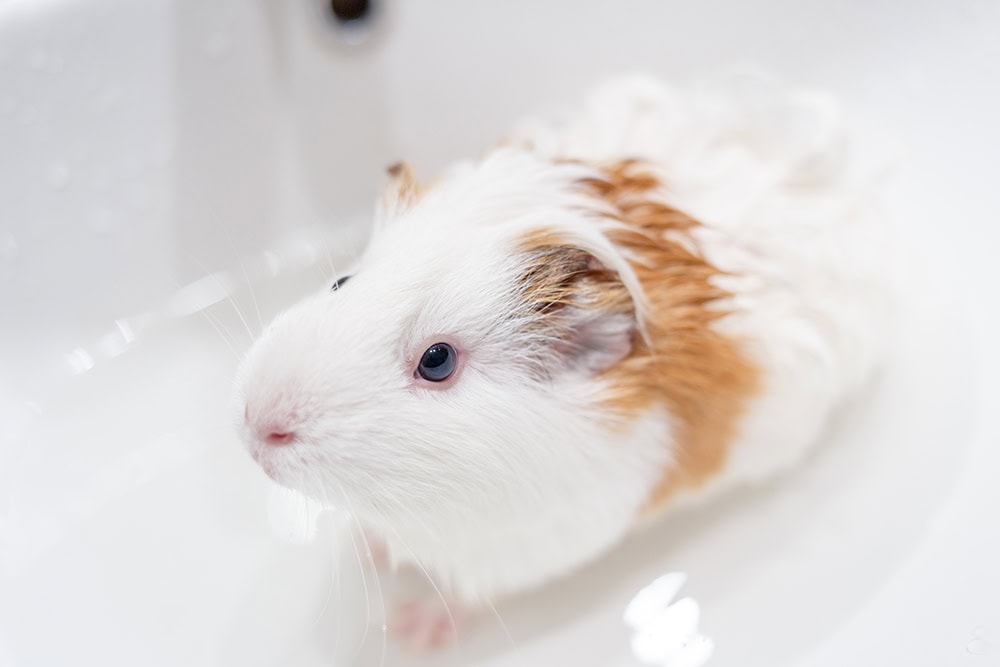
Featured Image Credit: Garna Zarina, Shutterstock
Get Hepper In Your Inbox


Pet care tips from our vets and experts, straight to your inbox.
You may opt-out at any time. View our Privacy Policy for more information.
Tara Perreault is an experienced freelance writer with a specialty in pets and animals. She is a stay-at-home mom of one, and a doting pet parent to two cats, two gerbils, and two guinea pigs. Tara's ambition is to one day open an animal hospice and rescue. In her spare moments, she enjoys education and treasured moments with her pets, family, and friends.
Join the conversation
Ask a question, share your story, or send private feedback.