Hepper is reader-supported. When you buy via links on our site, we may earn an affiliate commission at no cost to you. Learn more.
Can a Hamster Get Pregnant by Themselves? Truth vs. Myth


In this article
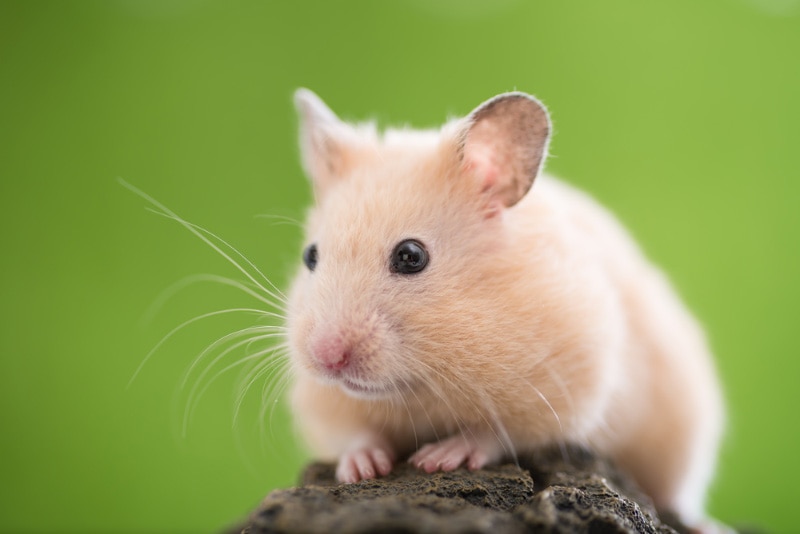
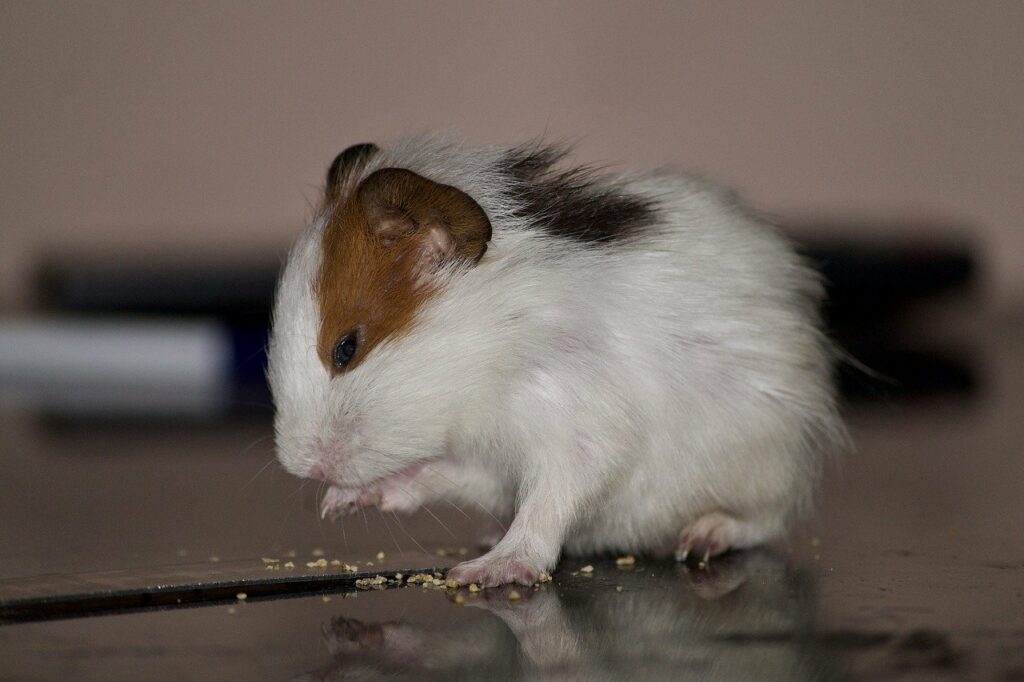
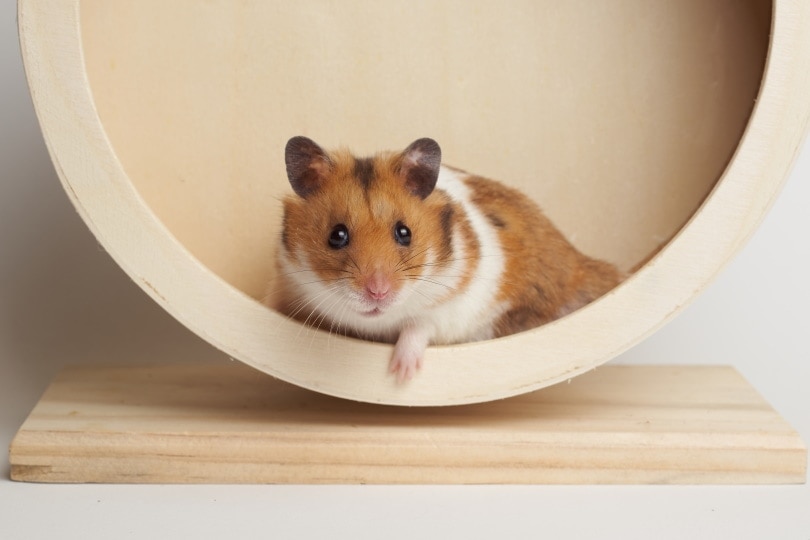
Some pet owners have first-hand experience with this phenomenon. You may have bought a new hamster for your child only to find out that you got more than you paid for a few weeks later. Lo and behold, your lone female has given birth to a litter of helpless young. It is certainly enough to make you scratch your head.
Whatever the circumstances, hamsters cannot get pregnant on their own.
What you’ve likely witnessed is a reproductive strategy called embryonic diapause (ED) or delayed implantation. It is widespread in the animal kingdom, occurring in over 130 mammalian species. It’s common in marsupials and rodents.
However, having a new litter of pups from your single female may not be a product of embryonic diapause, instead, it may simply be that she was mated right before you got her and with the gestation length of a hamster being 2-3 weeks, she may be right on schedule to having her pups a week or two after you bring her home. For this article, though, let’s look at what could be happening when your hamster has babies later than that 2-3 mark after being brought home.

What Occurs During Embryonic Diapause?
During embryonic diapause, development is essentially put on pause. Mating has occurred, where a male produces sperm and impregnates the female. After that, the female is in control, to an extent, of when the babies are born.
Growth of the embryos is put on hold because they don't implant in the female’s uterus, which would spur development. Cell division also ceases. It can occur either because of physiological conditions not being favorable for the birth of the young or because the time of the year doesn’t coincide with high survival rates for the young. So basically, if the female’s body feels that she won’t have enough to feed the babies either due to nursing a previous litter or to nutritional deficiencies, etc., she can delay the development of any embryos inside her. On a similar note, the birth of a litter can be delayed to occur in the spring rather than winter when food isn’t as available.
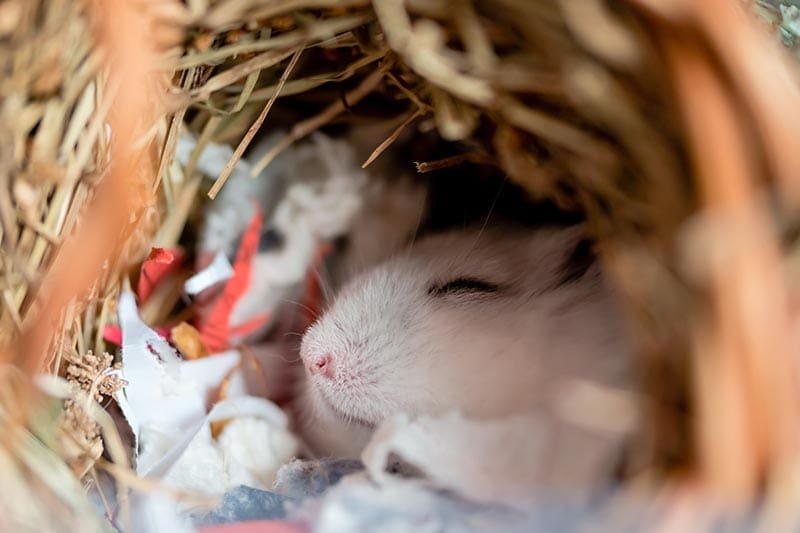
The Reason It Occurs in the Wild
If you picture a hamster’s life in the wild, it should be no surprise that being able to delay the birth of a litter would be beneficial. After all, they often live in a seasonal environment where portions of the year are cold and food is less easy to come by. Having a litter of pups during this time of year would decrease survival rates and potentially be hard on the mother. Having that litter in the warmer months when food is more abundant would make more sense.
Therefore, it makes evolutionary sense to be able to put things, i.e., pregnancy, on hold until conditions improve. That’s the same driving force in other animals that undergo embryonic diapause. Let’s put it in context with the domestic hamster’s lifestyle.
Why Embryonic Diapause May Happen in Pets
You may think these adaptations make sense for wild animals. After all, they face enormous environmental pressure. It’s no wonder that hamsters only live about 2 years in the wild. Why would embryonic diapause happen in pets?
Consider what is going on in a hamster’s life before you bring one home. The animals are likely undergoing a lot of stress from being moved frequently and experiencing a plethora of novel situations and stimuli, such as overcrowding. Hamsters reach sexual maturity at only 4-6 weeks of age. Before arriving at their destination, an animal may have been bred and gone into embryonic diapause because of everything that’s happening around her.
Then, you get your new pet. You’ve undoubtedly researched what the hamster needs and have provided what you feel is the ideal home. Suddenly, she has abundant food and water. There is cover and the security of hiding places. Instinct kicks in, and the pregnancy resumes with implantation. A few weeks later, you discover a litter of babies in the cage with your hamster.
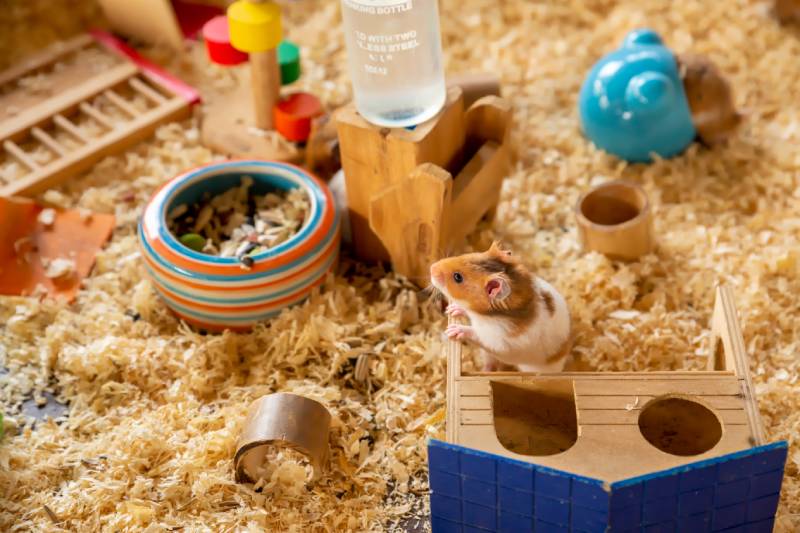
Final Thoughts
A hamster can show signs of pregnancy even after you’ve had your pet a while. She isn’t doing it on her own. Instead, instinct may have prevented the development of a pregnancy from proceeding. The male is still necessary, only his appearance is far removed from the present situation due to embryonic diapause. The life you’re providing your hamster may be far less stressful than it was where you got them, and the sudden appearance of the young is proof.
See Also:
Featured Image Credit: Victor FlowerFly, Shutterstock
Get Hepper In Your Inbox


Pet care tips from our vets and experts, straight to your inbox.
You may opt-out at any time. View our Privacy Policy for more information.
Chris is an experienced pet writer specializing in science topics, with a particular passion for health and the environment. She has been a writer for over 15 years and lives with her husband and three cats in Michigan.
Beyond writing about cats and dogs, Chris loves to learn about wine. She has WSET 1 and 2 certifications and is currently pursuing her Certified Wine Specialist Award (CSW).
Join the conversation
Ask a question, share your story, or send private feedback.