Hepper is reader-supported. When you buy via links on our site, we may earn an affiliate commission at no cost to you. Learn more.
Can Hamsters Have Rabies? Our Vet Explains

In this article
It is reasonable to wonder about the chances of rabies exposure when a bite occurs. There are certainly animals more likely to have rabies than others, and this is mostly based on their exposure risk to wild animals. It is highly unlikely that a pet hamster would develop rabies due to their isolation from other animals, although hamsters can get rabies, as this is a virus that can impact all mammals. Let’s learn more about this below.

Rabies Review
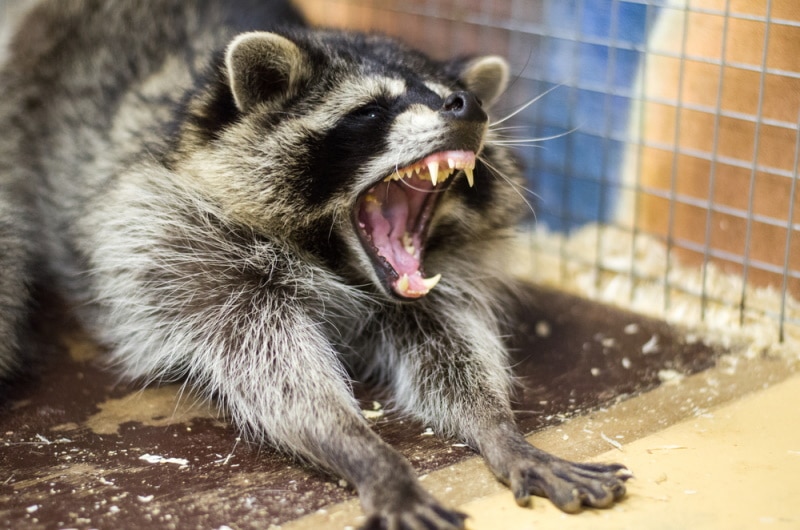
Rabies is a fatal virus that can impact all mammalian species. In North America foxes, bats and raccoons are common sources of the fatal virus. Once a mammal is bitten by a rabid animal, the virus in the saliva of the rabid animal invades the victim’s tissues. Over time, the virus gains access to nerves and continues to invade nervous tissue until the brain is reached. At this point, clinical signs of rabies are noted and transmission to other mammals can occur.
There are different stages of a rabies infection, with the first being the prodromal stage in which a behavior change can often be noted in affected animals. Next is the excitative stage where aggression and hallucinations occur. The final stage of rabies is the “dumb” or “paralytic” stage in which the virus has invaded the muscles. The animal is unable to swallow due to muscle paralysis, which leads to hypersalivation. As the virus progresses, muscles responsible for respiration become paralyzed and the mammal dies.
Rabies in Rodents
Rabies has been reported occasionally in rodents. The number of reports of rabies in rodents is so low as smaller animals like rodents are unlikely to survive an attack by a rabid animal, so they do not develop the signs of rabies.
Of all rodent species for rabies testing in the United States between 1995 and 2010, the most common rodent to test positive for rabies was the groundhog. Furthermore, rabies transmission from rodents to humans has not been documented.
Hamster Exposure
Hamsters are popular pocket pets that are housed indoors and in covered enclosures that do not make escaping easy. Due to their isolation from wildlife, the chances of encountering a rabid animal are incredibly slim. Furthermore, if a small hamster were to encounter a rabid animal, the chances of survival are incredibly low, making it unlikely for the hamster to be able to successfully spread the fatal virus.
Hamster Bite
If a hamster bites you, it is important to thoroughly clean your wound. If the skin has been broken, you should consider seeking your human doctor, as they will be equipped to address the wound and answer any questions that you may have. Depending on the situation, an animal that has bitten someone or another animal may be placed in quarantine and evaluated for signs of illness. Speaking with a public health official may be beneficial.

Conclusion
Yes, biologically, a hamster could develop and transmit rabies, although the chances of this occurring are incredibly low. The rarity of this is due to the isolation of hamsters from wildlife and the low chances of survival if an attack were to occur. Care should always be taken when handling pocket pets, and consultation with a health care provider may be needed in the event of a bite.
See Also:
Sources
Featured Image Credit: Boscaeta, Shutterstock
Get Hepper In Your Inbox


Pet care tips from our vets and experts, straight to your inbox.
You may opt-out at any time. View our Privacy Policy for more information.
Meet Dr. Marti Dudley, a dedicated small animal veterinarian who possesses a strong passion for preventive medicine and client education. She takes pride in serving as a valuable resource for pet owners, firmly believing that a collaborative approach results in the optimal care for our beloved animal companions. In addition to her clinical work, Dr. Dudley has a fondness for writing, using this skill as an innovative means to educate pet owners beyond the confines of the traditional veterinary office setting.
Meet Dr. Marti Dudley, a dedicated small animal veterinarian who possesses a strong passion for preventive medicine and client education. She takes pride in serving as a valuable resource for pet owners, firmly believing that a collaborative approach results in the optimal care for our beloved animal companions. In addition to her clinical work, Dr. Dudley has a fondness for writing, using this skill as an innovative means to educate pet owners beyond the confines of the traditional veterinary office setting.
Professional Background:
Dr. Dudley has been actively practicing veterinary medicine since 2014, accumulating a wealth of experience. Her special interest lies in preventive care, and she places significant emphasis on the importance of educating clients about the well-being of their pets. Dr. Dudley's professional journey in veterinary medicine has been diverse, having worked as a general practitioner, affording her the opportunity to encounter and address a wide array of medical conditions in animals.
Educational Achievements:
Dr. Dudley's academic background includes a bachelor's degree in biology earned from Longwood University in Virginia. She further pursued her passion by obtaining a Doctor of Veterinary Medicine (DVM) degree from Ross University.
Join the conversation
Ask a question, share your story, or send private feedback.