Hepper is reader-supported. When you buy via links on our site, we may earn an affiliate commission at no cost to you. Learn more.
How Common Is Rabies in Cats? Vet Reviewed Signs & Diagnosis Facts



In this article
Hearing the word rabies can initiate fear in a community. The idea that a roaming dog or perhaps a feral cat in the neighborhood has a deadly virus is reminiscent of what you’d find on the big screen. Cujo, anyone? Animals with rabies don’t normally go on a killer rampage taking out several humans as they go, but the disease is deadly to any animal or human that comes in contact with it. So, why don’t we hear about this virus more? How common is rabies in cats wandering our neighborhoods?
Oddly enough, when speaking of rabies, most people instantly see a monster dog, not a cat. This is strange because more cats are reported with rabies than dogs in the United States. While more cats may contract rabies than dogs, that doesn’t mean it's widespread. The rabies vaccine has done a lot to help domestic pets in the US with staying healthy from this unwanted virus. Let’s learn more about rabies, how common it is in cats, and the signs you should watch for to keep you and your pets healthy.

What Is Rabies?
According to WebMD, rabies is a virus that attacks a mammal’s central nervous system. Unfortunately, the rabies disease has a 99.9% mortality rate, making it the highest of any disease on the earth. In pets, once contracted, it is always fatal. Humans can be treated if medical treatment is sought before symptoms arise. The fatality rate of this disease is why veterinarians and animal lovers around the world push for pets to be vaccinated and kept safe from this deadly virus.

How Is Rabies Spread?
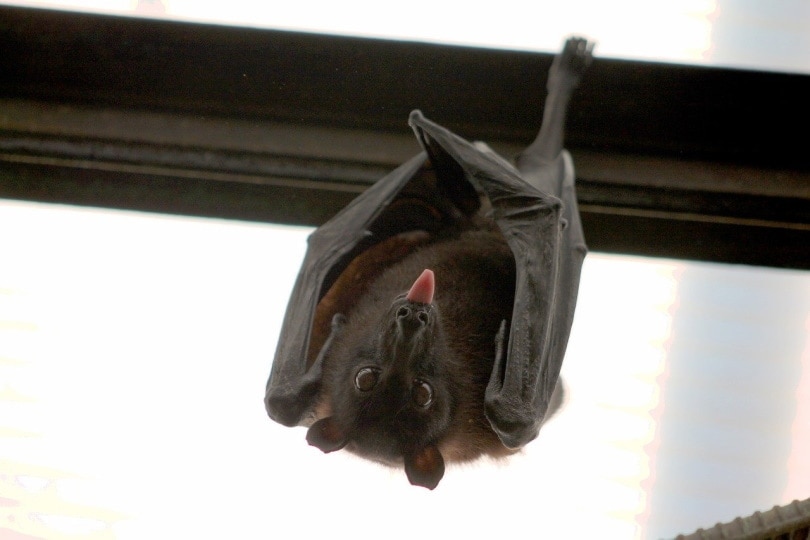
The rabies virus is usually spread in saliva from a bite from an infected animal. Knowing this is how the virus is spread causes people to fear animals, including dogs and cats, they come into contact with. With rabies being so rare in the United States, however, it is normally wild animals such as raccoons, coyotes, bats, skunks, and foxes that carry the disease. This is how many dogs and especially cats, contract the disease.
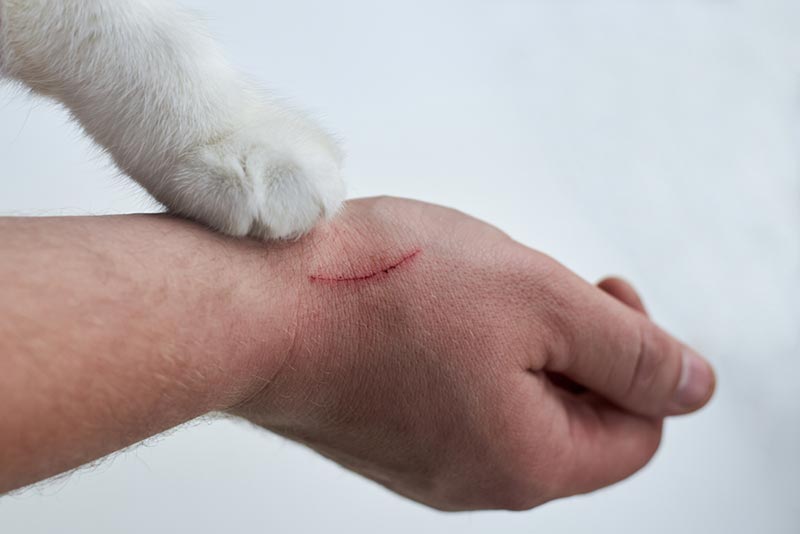
If they are out and encounter a wild animal with rabies, an attack or scratch can give them the virus. Your pet must immediately be taken to the veterinarian for diagnosis if this happens. For humans, receiving a wound from any animal you aren’t familiar with should result in seeking medical attention so your doctor can determine whether rabies treatment is needed.
The Signs of Rabies
What’s so scary about rabies is the fact that symptoms don’t occur quickly but once they do, treatment isn’t an option. In humans, rabies has an incubation period of roughly 1 to 3 months. During this time, it can lay in the body and be dormant. When it takes effect, you’ll notice fever, weakness, irritability, hallucinations, heavy salivation, and even partial paralysis. As time progresses, the effects include heart failure and eventually death.
In animals, the first sign of rabies is often what is referred to as “mad dog” syndrome. Keep in mind, though, that this syndrome can take place in any animal, including cats. This aggression can take place toward you or other animals your pet may encounter. You may also notice a change in your pet’s behavior. If your cat is normally shy or fearful of people, they may suddenly crave attention. Calmer kitties may be easily agitated or aggressive. The muscles in your cat’s mouth may also be affected making it difficult for them to swallow. This is why animals with rabies are often seen drooling. In your pet’s final stages of the disease, coma and paralysis are normal before the pet passes.

How to Diagnose and Treat a Cat
We mentioned that in humans rabies can lie dormant for several months. In a cat, this incubation period can last up to a year. Unfortunately, there is no test to determine whether your cat has been infected with rabies. If your pet gets attacked by a wild animal, veterinarians often recommend that they are isolated as you watch for symptoms. A booster of their rabies vaccine may also be given to help their bodies fight the virus.
If your cat does show symptoms, the situation is fatal. You nor your vet can do anything to cure rabies in your beloved pet. Humanely euthanizing your cat would be the best course of action. This will keep your kitty from suffering through the pain of this virus while also protecting the humans and animals in the home from the disease. The only way to truly diagnose rabies in an animal is to test the brain once the animal has passed. There is no other diagnostic to determine whether your pet has this virus other than the symptoms that it causes once contracted.
How Often Do Cats Get Rabies?
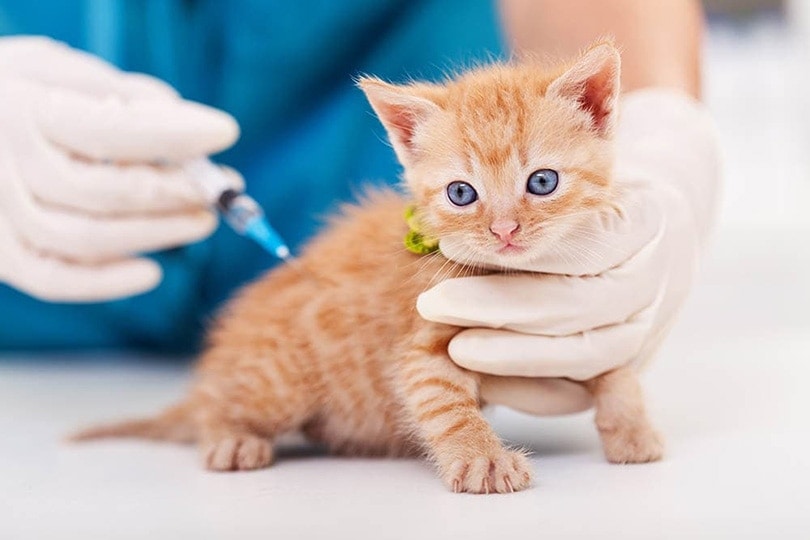
As we’ve discussed, rabies isn’t as rampant as it once was. This is thanks to the rabies vaccine and responsible pet owners having their pets vaccinated. While frightening, rabies is not widespread, not even in cats. In 2018, the CDC reported that only 9% of all rabies cases reported were domestic animals. Of those reported, 241 were cats. This was a decrease of 12.7% from the numbers reported in 2017 and helps to show the importance of pet vaccination. The CDC notes that nearly all reported rabies cases come from unvaccinated pets who have encounters with local wildlife.
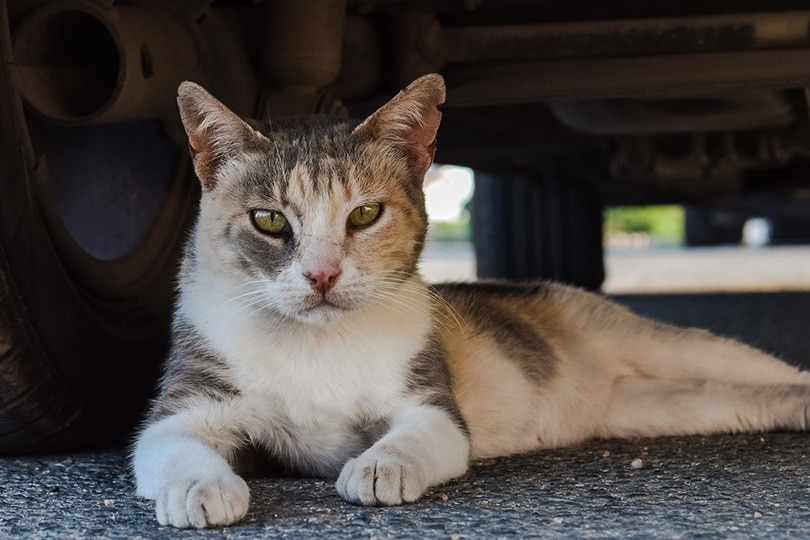
It is important to remember that no cat-to-human transmission of rabies has been reported in the past 40 years here in the United States. Only 2 rabies cases in humans have been attributed to cats in the States since 1960. It’s also important to note that no cat-to-cat transmission of rabies has ever been recorded and no feline exclusive strain of rabies is known according to the Merck Veterinary Manual. This information helps show that while cats and their interactions with wild animals can cause them to get rabies, cats overall, even feral cats, are generally not a huge rabies threat.

Final Thoughts
While rabies is a scary disease for both humans and animals, it isn’t something that is going to be present in every cat you happen to encounter. If you see a cat, or any animal for that matter, acting oddly or showing signs of rabies, contact local authorities. This will help keep the people and pets in your area safe. When it comes to the kitties in your care, take them for all proper vaccinations and boosters when required. This is the best way to fight this deadly disease and keep it far from your fur babies.
Featured Image Credit: New Africa, Shutterstock
Get Hepper In Your Inbox


Pet care tips from our vets and experts, straight to your inbox.
You may opt-out at any time. View our Privacy Policy for more information.
Melissa was born and raised in the mountains of East Tennessee where she spent her time writing in an old notebook and playing outside with her pets. As an avid animal lover, she has brought many into her home over the years. Currently, she is the mom of 5 fur babies. Her 2 cats, Princess and Pepper are total opposites who demand attention. Her dogs Jazzy, Whitey, and Demon are full of spunk and keep the entire family on their toes.
Beyond life as an animal mom, Melissa is a dedicated wife and mother to 2 children. Writing in her old notebook led her down the path of becoming not only a freelance writer but a published Indie author under the pen name, Rena Marin.
Join the conversation
Ask a question, share your story, or send private feedback.