Hepper is reader-supported. When you buy via links on our site, we may earn an affiliate commission at no cost to you. Learn more.
Can Parakeets Eat Strawberries? Vet-Reviewed Nutritional Guide


In this article
This article is intended as a guide for food safety and should not be taken as a substitute for dietary advice for your parrot from your veterinarian. Bird owners are encouraged to consult with their veterinarian when making dietary decisions for their pets.
Welcoming a new parakeet into your home is an exciting adventure. It is one where you get to build a bond, learn about each other, set up their cage, and introduce them to a world of new foods. Parakeets should be fed a diet that mainly consists of pellets, vegetables, and fruit. Fruits, such as strawberries, are an excellent and delicious treat for parakeets that are loaded with vitamins and minerals.
Because there are so many parrot species, all with their own specific dietary needs, we are going to focus on the budgerigar (Melopsittacus undulatus) for this article.
Strawberries need to be washed and destemmed before being given to your parakeet. Any leftovers should be collected from the cage and thrown away after a few hours. Remember to give your parakeet a variety of fruits and vegetables to give them a well-balanced diet.
Note: Many parrot species are unfortunately endangered or threatened. Some species are not allowed to be kept as pets in many countries and international efforts are being made to preserve our parrot biodiversity in the wild. As a responsible parrot parent, you should ensure that your parrot comes from a reputable breeder and has the necessary papers your country requires by law.

Is a Parakeet a Budgie?
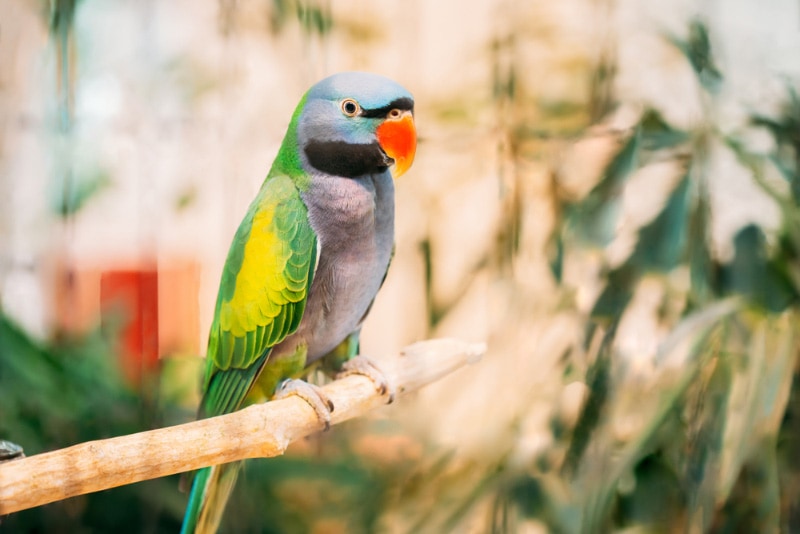
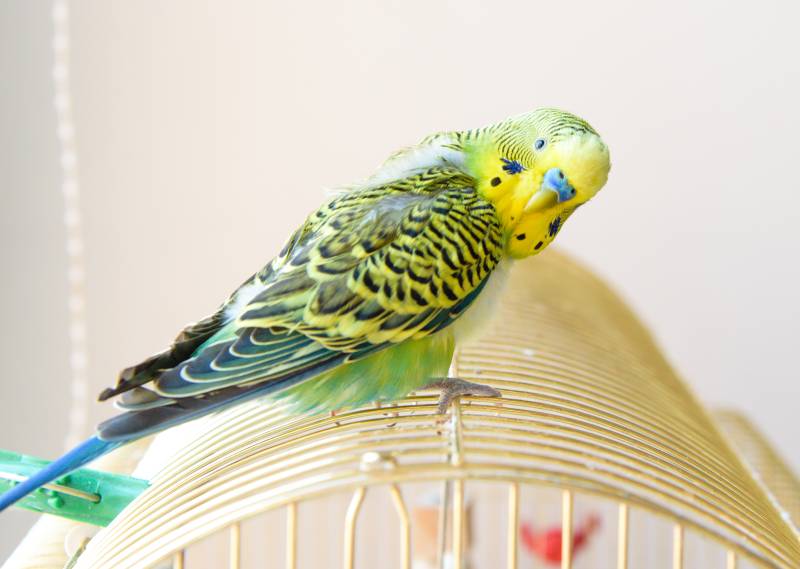
A parakeet is technically a subcategory of parrot, comprising around 115 species of small birds. A budgie, or budgerigar, (Melopsittacus undulatus) is a species of parakeet, with the United States favoring the name "parakeet" when referring to this bird. These small birds are very popular pets, and although they require a responsible owner, they are considered beginner birds.
Parakeets can live up to 15 years, are intelligent, and very social. They boast many colors and patterns but are commonly seen in green, yellow, white, or blue. They do well in groups but can also live in a cage on their own as long as you give them plenty of attention. They're great family pets and enjoy interacting with all members of the family, including responsible children.
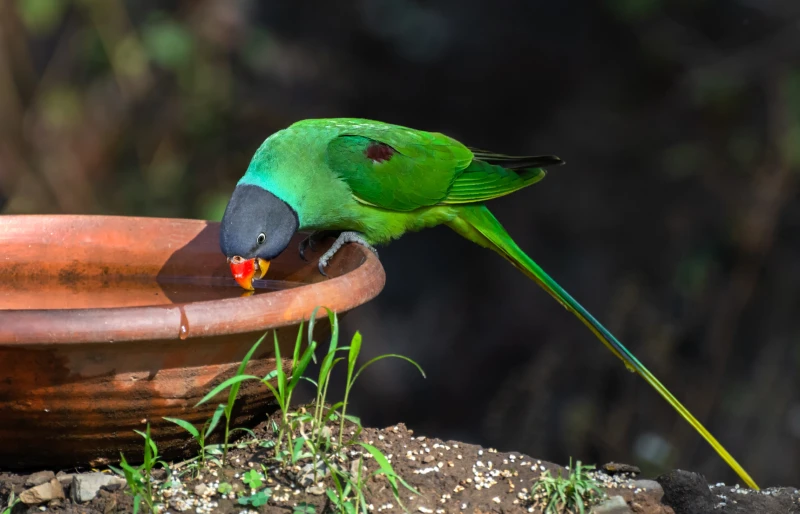
Parakeets need daily exercise by spending time outside of their cages and climbing on toys. They also need daily enrichment through toys and interaction. Fresh water and a nutritious diet are also necessary for a parakeet to thrive.
Are Strawberries Good for Parakeets?
Strawberries, including the green parts, are an excellent treat for parakeets. The nutritional benefits of strawberries are the calcium and potassium content, as well as adding variety to the diet. Strawberries also help keep your parakeet hydrated as they are around 91% water. As with most fruit, you shouldn't feed strawberries to your bird in excess because they're high in sugar, and too much of this can lead to excessive weight gain. However, a strawberry every now and then, as part of a healthy rotation of produce, will be welcomed by your parakeet, and they will benefit from them nutritionally.
Preparation
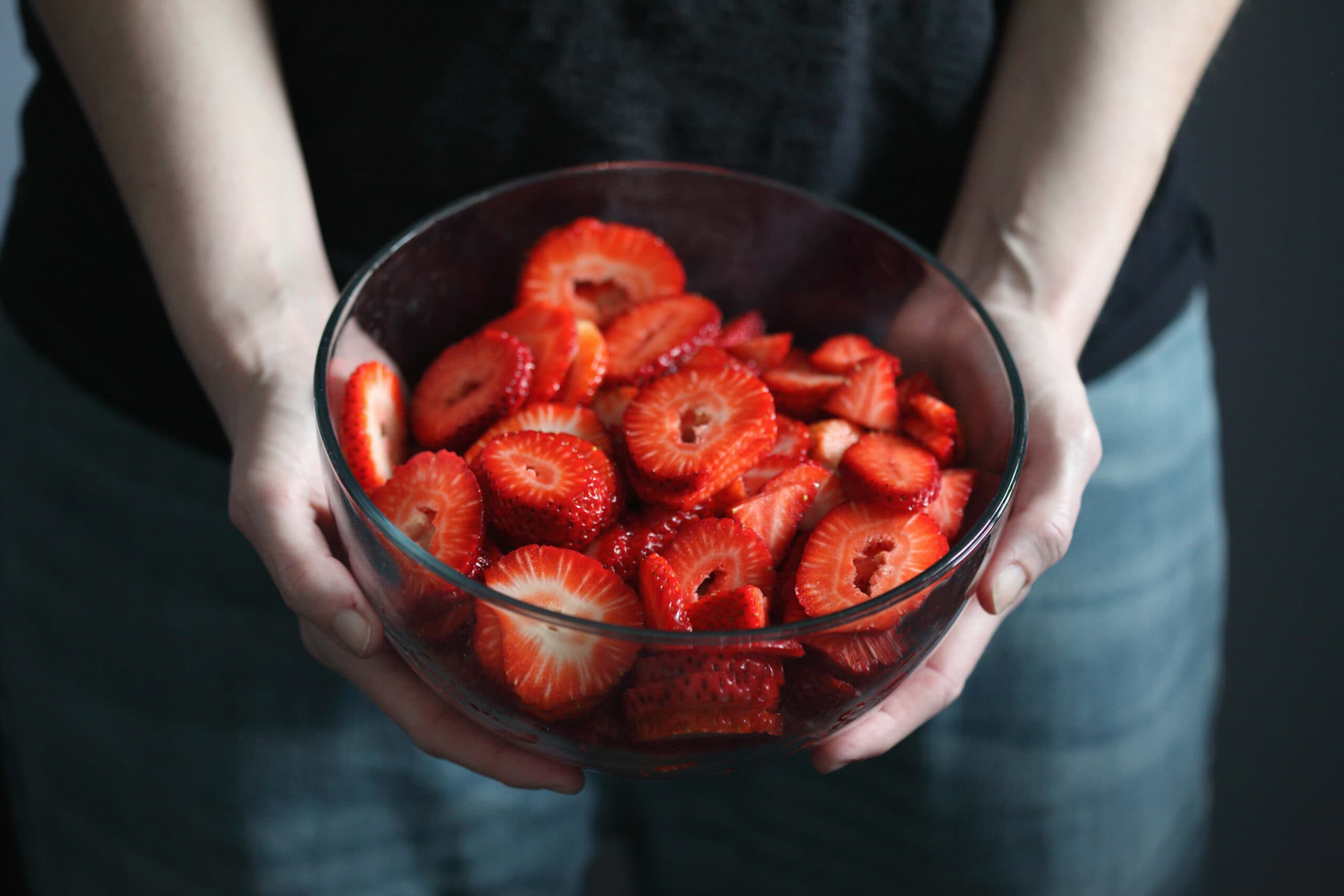
A bit of preparation should go into feeding your parakeet this fruit, as taking a few safety precautions is necessary. Firstly, the strawberry should be washed thoroughly. You can do this by running it under water while rubbing the fruit with your fingers. Washing the strawberry will remove any dirt and germs from it, as well as pesticides and residue.
Secondly, remove the stem. You can chop up the fruit into smaller chunks that your parakeet will enjoy. You can place these chunks down for them to nibble on, lodge them between the bars of the cage, or if you're in a hurry, you can give your bird a whole strawberry, which is fine to do because they're soft enough for your parakeet to tear apart themselves.
Never leave old strawberries in your parakeet's cage. Instead, remove any chunks that have been uneaten from the cage after a few hours and discard them.
Other Safe Fruits and Vegetables
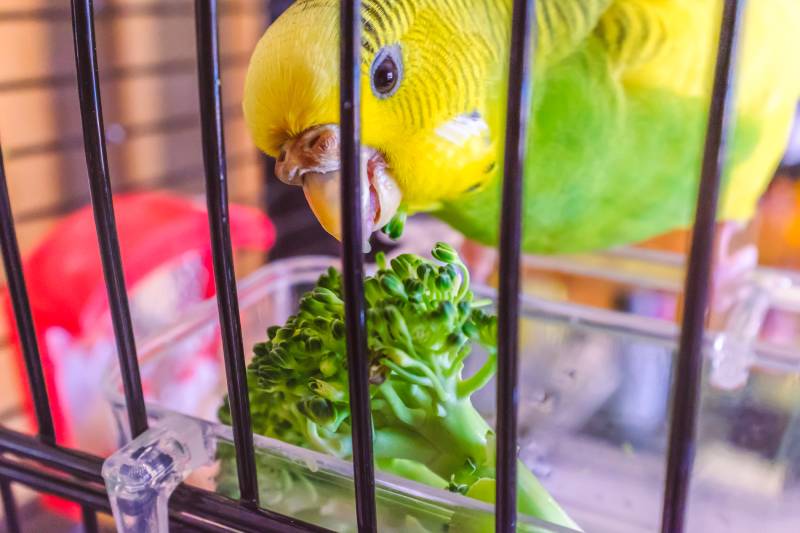
It's important to give your parakeet a variety of fruits and vegetables so that they consume many different vitamins, minerals, and antioxidants. Although strawberries are a delicious fruit that benefits parakeets nutritionally, they don't have everything they need nutritionally. Deep-colored leafy greens and fruit are highly nutritious, but colored fruit and vegetables are also recommended. Here are a few other fruits and vegetables that your parakeet will enjoy.
- Cut up apples with the seeds removed
- Bananas
- Berries
- Melons
- Mangos
- Grapes
- Kiwis
- Broccoli
- Sweet potato
- Pumpkin
- Carrots
- Cucumber
Foods to Avoid
Although your parakeet may show interest in the things you eat, it doesn't mean that they should be eating them. Some foods are highly toxic to parakeets and can make them very sick. A few foods that you should be cautious with or avoid completely are:
Summary
Strawberries are a safe fruit for parakeets to enjoy. Before serving them to your bird, wash them and cut off the stem. You can choose to give the strawberry to your bird whole, chopped up, or used as a string feeder. Strawberries contain antioxidants, vitamins, and minerals and are a healthy treat for parakeets. Not only are they healthy, but they are sweet, tasty, and hydrating as they're made up of 91% water.
Too many strawberries given too often aren't recommended for birds because they're high in sugar. Other fruit and vegetable options that parakeets enjoy and benefit from nutritionally are bananas, cucumbers, mangos, melons, pumpkin, and berries.
See Also:
Can Parakeets Eat Pomegranate? Vet Approved Nutrition Facts & FAQ
Can Parakeets Eat Bananas? Vet Approved Nutrition Facts & FAQ
Featured Image Credit: JumpStory
Get Hepper In Your Inbox


Pet care tips from our vets and experts, straight to your inbox.
You may opt-out at any time. View our Privacy Policy for more information.
Keri-Beth is from South Africa and is a freelance writer who specializes in the pet niche. She has grown up with a range of pets, volunteered at countless pet shelters, and is highly passionate about pet care. Currently, Keri-Beth is raising two dogs - Benji, the Golden Cocker Spaniel, and Gracie, the Boerboel. With so much information out there, Keri-Beth has made it her mission to make pet care as easy and straightforward as possible.
In her spare time, Keri-Beth enjoys camping, photography, and spending time with her husband, who is a professional drummer. She not only has a heart for pets but people too.
Join the conversation
Ask a question, share your story, or send private feedback.