Hepper is reader-supported. When you buy via links on our site, we may earn an affiliate commission at no cost to you. Learn more.
Why Did My Parakeet Die Suddenly? 10 Vet Reviewed Reasons


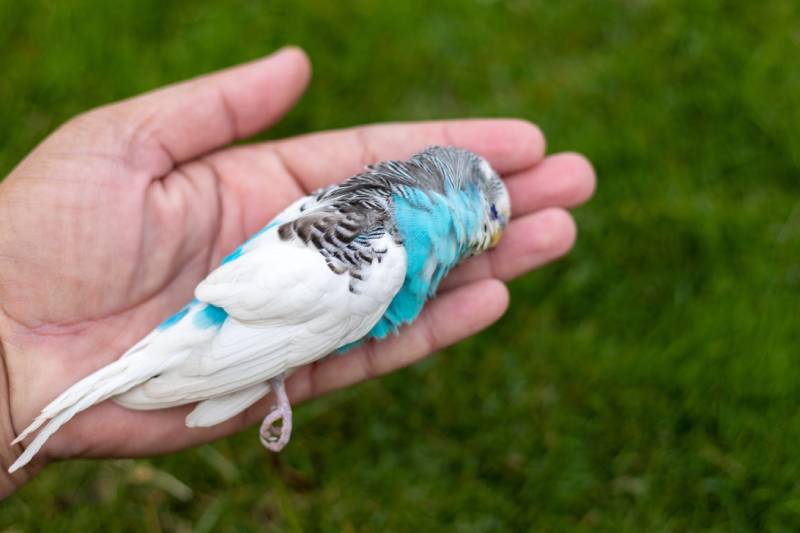
Losing a pet is never easy, but it is an even more difficult experience to grapple with if your pet passes away without warning. One minute, they’re there, healthy as can be, and the next, they’re gone. Unfortunately, in the case of birds like parakeets, many things could have caused your beloved pet to pass away unexpectedly.
If you’re searching for answers to why your parakeet died suddenly, you’ll want to stick around. We are going to go over ten potential reasons for your pet’s untimely death to help you understand what may have caused it so you can try to prevent it from happening to your other pets in the future.

The 10 Possible Reasons Why Your Parakeet Died Suddenly
1. Accidental Poisoning
Birds of all species have very sensitive and specialized respiratory systems, making them extremely prone to accidental poisonings. Things like household cleaners, candles, and air fresheners can be highly toxic to birds. Other household products that can cause poisoning include paint, aerosol sprays, gasoline, mothballs, and insecticides. These products contain volatile organic compounds (VOCs) that can cause sudden death in birds.
Another potential source of accidental poisoning is household plants. Unfortunately, studies focused on the safety of specific plants for specific species are limited. For example, plants poisonous to a parakeet may not also cause the same signs in a pigeon.
Luckily, most plants considered poisonous won’t cause serious illness, but that doesn’t mean all plants are safe. Speak to your veterinarian to determine if the plants that you have in your home may be toxic to your pet.

2. Teflon Poisoning
While this could technically fall under “accidental poisoning”, we felt it deserved its own point. Polytetrafluoroethylene (PTFE) is found in many household products due to its use as a non-stick coating. Teflon is probably the most well-known brand of PTFE-based coatings, but it isn’t just your frying pans you have to worry about. Other cookware like waffle irons and drip pans can contain PTFE, but so can other non-cooking products such as clothing irons and heat lamps.
The problem with this coating is that when it is heated to a certain temperature, it releases toxic particles and odorless and colorless gases. Most cases of PTFE poisoning in birds occur when owners accidentally overheat their non-stick cookware.
The problem with PTFE poisoning is that it is not very forgiving, and even small exposures can result in death. Some cases of poisoning have been reported where the PTFE-containing product was heated to recommended temperatures, so you don’t have to burn things to potentially harm your parakeet. Additionally, in many cases, the only sign that your bird has been exposed to PTFE chemicals is if they die suddenly. In less severe cases, you may see your bird having difficulty breathing, agitation, or incoordination.
Generally speaking, the smaller the bird is, the more sensitive they are to the effects of PTFE poisoning. Since parakeets are so small, they’re particularly at risk.
3. Poor Diet
Parakeets require a diet of high-quality pellets and fresh produce like fruits and vegetables. A poor diet that is lacking in one or more nutrients can lead to malnourishment and a host of issues like brittle feathers, swelling, weight loss, poor stool quality, and, yes, even death.
4. Exposure to Toxic Food
While parakeets need a varied diet, there are some foods that can be toxic for them. Exposure to harmful foods can certainly be a cause of sudden death.
This can include items such as:
5. Dehydration
Dehydration can occur if your parakeet is not provided with access to the water they need to function properly. Your parakeet may be more at risk of becoming dehydrated if they are exposed to too much heat. Additionally, a severely dehydrated parakeet can also develop kidney disease, which may also become fatal if not treated in time.
Signs of dehydration in parakeets include sunken eyes, dry or stickybeaks, loss of skin elasticity, lethargy, weakness, and poor appetite.
6. Heat Exposure
As mentioned above in point five, exposure to high heat can be deadly for birds. Your parakeet’s cage should be put in some place where their room can be kept at a stable temperature throughout the day to ensure their body temperature is almost always constant. Putting them in a sunny location might sound like a good idea, but you're risking their lives if they cannot escape from the heat when the sun comes beating in.
Signs of overheating in parakeets include open-mouthed breathing and holding the wings away from the body to try to dissipate the heat.
7. Trauma
Parakeets are relatively small birds, which may make them more fragile than other species. If your bird accidentally flies into a window or gets closed between a door, they can suffer catastrophic injuries and may even die as a result of them.
8. Disease
Birds are very great at hiding when they’re sick. This innate survival technique is built into them to ensure they don’t come off as weak or easy targets for predators. According to VCA Animal Hospitals, some parakeets commonly develop diseases such as cancerous tumors of the kidneys and parrot fever, which can kill more than half the birds it infects.
9. Exposure to Heavy Metals
Heavy metal toxicosis is a common toxic disease in companion birds. Lead and zinc are among the two most common culprits, though others like mercury have also been seen. Your parakeet can be exposed from a variety of sources, including paint, costume jewelry, linoleum, or even twist ties. The most common clinical signs of this condition include weakness, depression, regurgitation, and abnormal colored droppings. If your parakeet ingests small portions of heavy metals over a long period, you may notice a more chronic presentation of signs such as weight loss and neurological defects.
10. Night Frights
Any bird can suffer from night frights, which is any disturbance that can cause your parakeet to be spooked or unnerved in the dark. Some of the main culprits of night frights are sudden noises, shadows, or the presence of insects in the cage. Wild birds can also experience night frights, but they are less likely to become injured since they’re not kept in enclosures.
When a parakeet experiences night frights, they can thrash around their cage, fall off their perches, bang against objects in their cage, and even forcibly push their wings through their enclosure doors. A particularly wild case of night frights can also result in broken bloody feathers, which can become a potentially life-threatening injury.

Final Thoughts
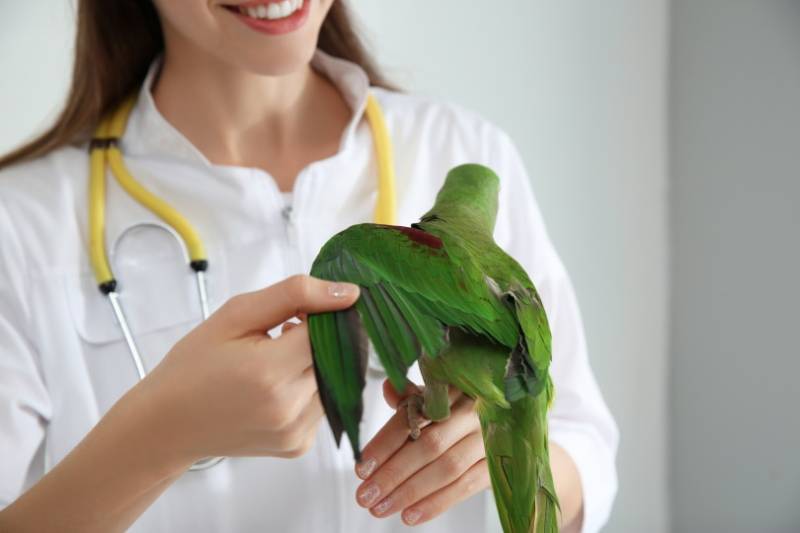
The 10 above factors are among parakeets' most common reasons for sudden death. We can’t tell you exactly what happened, however. If you need to have answers, we recommend scheduling a necropsy with your avian vet so they can provide the guidance you need to prevent future sudden deaths with your other beloved birds.
Related Reads:
Sources
https://vcacanada.com/know-your-pet/common-conditions-of-birds#:~:text=Budgerigars%20(Budgies)
https://www.vetexotic.theclinics.com/article/S1094-9194(05)00068-X/fulltext
https://vcacanada.com/know-your-pet/teflon-polytetrafluoroethylene-poisoning-in-birds
https://www.mspca.org/angell_services/metal-toxicosis-in-birds/
Featured Image Credit: GreenThumbShots, Shutterstock
Get Hepper In Your Inbox


Pet care tips from our vets and experts, straight to your inbox.
You may opt-out at any time. View our Privacy Policy for more information.
Chantelle's life revolves around two passions: writing and animals. Raised on the prairies of Canada amidst a menagerie of pets, she now lives with five cats, two guinea pigs, and a bearded dragon. Together with her husband and child, Chantelle delights in being an exemplary animal parent, going as far as installing wall-mounted cat shelves to give their cats an indoor playground. When she's not cozying up with her cats or snapping their amusing antics, she enjoys venturing into the Rocky Mountains, binge-watching her favorite Netflix shows, and indulging in spontaneous reading adventures.
Join the conversation
Ask a question, share your story, or send private feedback.