Hepper is reader-supported. When you buy via links on our site, we may earn an affiliate commission at no cost to you. Learn more.
Can Parrots Eat Kiwi? Vet Approved Facts & FAQ


In this article
Beyond pellets, nuts, and seeds, fresh fruit and vegetables in your parrot’s meals are essential for a healthy and balanced diet. But it is important to know the right kinds of fruits and veggies to feed your pet, as not all are safe. Which brings us to this question: Is kiwi safe for parrots?
Yes, parrots can eat kiwi and they will undoubtedly enjoy it!
In this article, we take a more in-depth look at the kiwi, how it benefits parrots, and the best way to give it to them.

About the Kiwi
Kiwifruit are originally from southwest China but are grown in other parts of the world today. Most notably, New Zealand produces the most kiwi. They were also known as Chinese gooseberries but received the name “kiwi” from fruit explorers who named them after the flightless kiwi bird found in New Zealand.
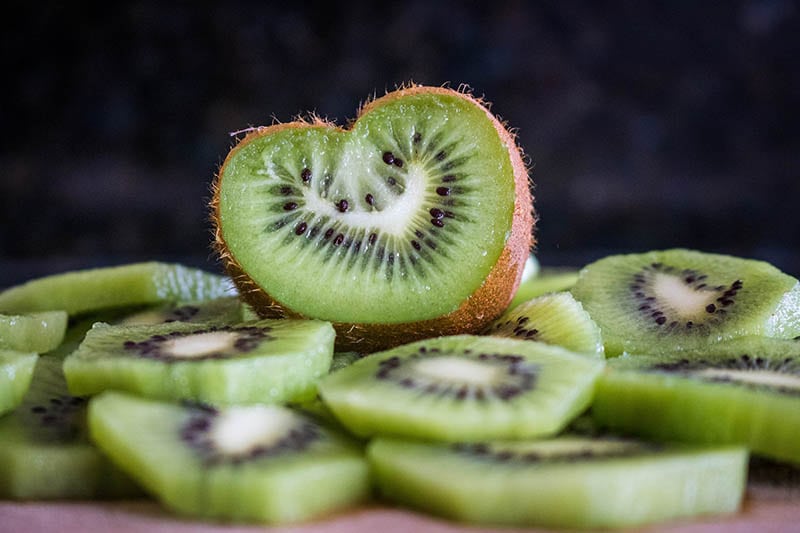
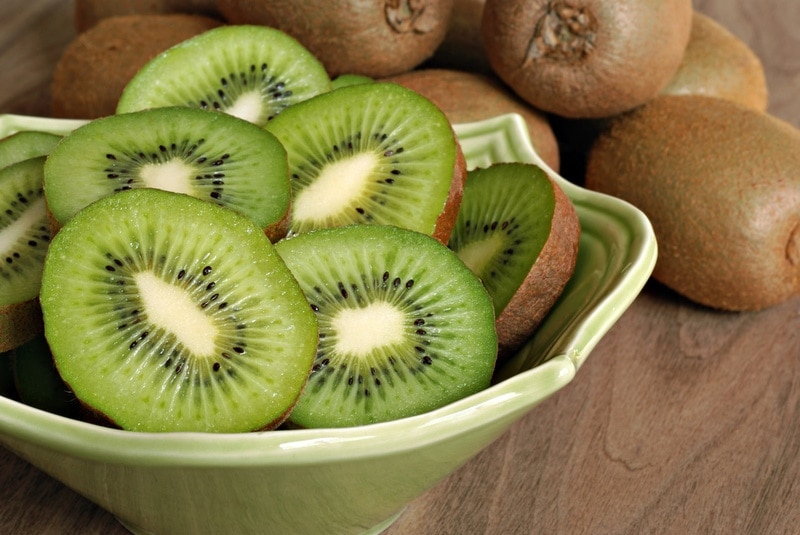
Technically, they are considered berries and are available in yellow and green varieties. The most popular kiwi has fuzzy brown skin, green flesh, and tiny, edible black seeds.
The Benefits of Kiwis
Kiwi are high in vitamin C—they provide over 80% of a human’s daily value of vitamin C in a 3.5-ounce serving. They also contain copper, potassium, folate, and vitamins E and K. They are low in fat and calories and high in fiber.
They are known potentially to contribute to heart health and digestive health and act as an anti-inflammatory.
Can Parrots Eat Kiwi?
The benefits of kiwi for humans are equally of benefit for most parrots.
Antioxidants
Kiwi contains a fair amount of antioxidants in the form of vitamins E and C, which can help prevent oxidative stress and promote your parrot's overall health.
Rich in Nutrients
Kiwi are high in calcium, which is an essential nutrient for parrots to avoid hypocalcemia. This is a potentially serious nutritional disorder.
Also, kiwi are exceptionally high in vitamin C, which supports your parrot's immune system, and vitamins K and E. The high levels of fiber can aid your parrot’s digestion too.
High Water Content
Kiwi have a high water content, which can be quite effective at hydrating your parrot. This is particularly helpful during seasonal hot weather.
Low in Fat
Kiwi are low in fat, so they are ideal for parrots prone to obesity. They can help your parrot maintain a healthier weight.
Are There Any Risks for Parrots Eating Kiwi?
For all the excellent benefits of the kiwifruit, there are a few issues that you need to be aware of.
su_list icon="icon: warning" icon_color="#BC4B52"]
A kiwi is high in sugar, and if a bird is fed too much fruit like a kiwi, the extra calories that sugar provides can result in obesity. Overweight birds are more prone to several health problems.
Too much kiwi can lead to digestive problems, particularly diarrhea. Fruit should only be fed to parrots two or three times a week in small amounts.
When introducing a new food, always start small and gradual to allow your parrot’s digestive system to become accustomed to it.
How Do You Give Kiwi to Your Parrot?
After washing the kiwi, peel it and give your parrot a few slices. But remember only to provide them with fruit two to three times a week. You should also provide a variety of fruit so your bird can benefit from the nutrition of more than one kind.
Only use fresh and ripe kiwi without any signs of mold or spoilage. Wash it first to remove any dirt and pesticides. The first time that you give kiwi to your parrot, start with one small piece, and watch for any signs of illness or just to ensure that your parrot likes it. Since kiwis are quite sweet, most parrots love them.

FAQ
Should You Remove the Skin and Seeds of the Kiwi?
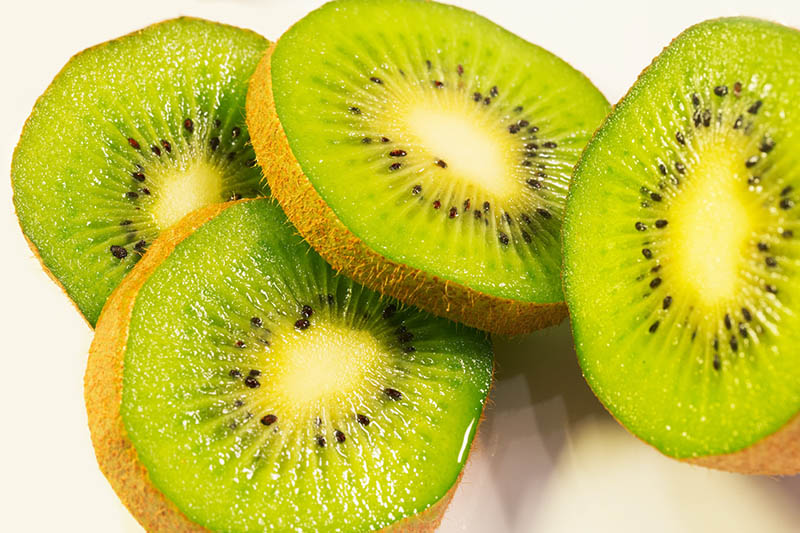
Unless you are prepared to give a kiwi a thorough washing, it’s best to remove the skin. But if the kiwi skin is free from chemicals and pesticides, the skin is actually quite safe for parrots to eat.
The seeds are also safe to eat because they don’t contain any toxic ingredients and are too small to pose a choking risk.
What Are Other Safe Fruits for Parrots?
Many fruits are safe and healthy for parrots:
- Apples (remove seeds)
- Apricots (remove stones)
- Bananas
- Blueberries
- Cantaloupe
- Cherries (remove stones and only use fresh cherries)
- Cranberries
- Figs
- Grapefruit
- Grapes (dark ones are ideal)
- Guava
- Kiwi
- Mango (remove skin)
- Nectarines (remove pits)
- Orange (seedless)
- Papaya
- Passion fruit
- Peach (remove stones)
- Persimmons
- Pineapple
- Plantains
- Plums
- Pomegranates
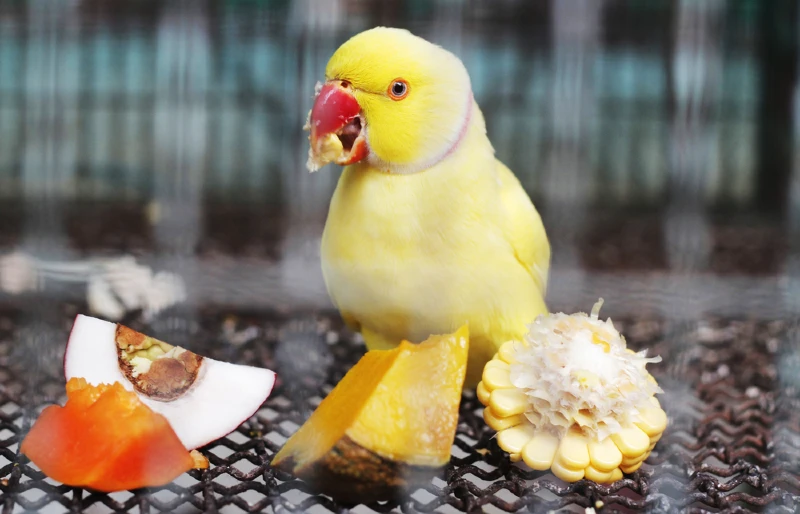
Are There Fruits That Parrots Shouldn’t Eat?
Apple and pear seeds are known to have small doses of cyanide, as do the pits of cherries, peaches, apricots, plums, and nectarines.
But as long as the pits and seeds are removed, these fruits are all safe for your parrot. Still, let’s review food items that should never be given to parrots.
su_list icon="icon: ban" icon_color="#BC4B52"]
Avocados: These contain persin, a substance that might cause difficulty breathing, weakness, heart damage, and death.
Caffeine: This increases the heart rate and can cause arrhythmias, hyperactivity, and possibly cardiac arrest.
Chocolate: This can cause diarrhea, vomiting, an increased heart rate, hyperactivity, tremors and seizures, and death.
Fats: An occasional food item with fat is fine, but a diet high in fat can lead to obesity, high cholesterol, heart disease, and stroke.
Onions and garlic: Onions and garlic are highly toxic to many species, including cats and dogs, and birds have the same problem. Anything in the onion and garlic family can cause anemia, ulcers, and weakness.
Salt: A small bit of salt can be toxic and lead to excessive thirst, dehydration, kidney failure, and death.
Xylitol: This is an artificial sweetener found in sugarless products that is toxic to dogs, cats, and birds. It can cause hypoglycemia, liver damage, and death.
Conclusion
Kiwi is a healthy and tasty treat for any parrot that wants it. It offers high amounts of vitamin C, along with calcium, fiber, and antioxidants. Since kiwi are high in sugar, parrots usually love eating them, but they should only be given a few times a week along with other fruits and veggies. Fruit is technically a treat for parrots, so it should constitute no more than 20% of your bird’s diet.
So, feel free to give kiwi to your parrot! It will hydrate them, give them a nice dose of vitamin C, and likely make them quite happy!
Sources
Featured Image Credit: Pranjall Kumar, Unsplash
Get Hepper In Your Inbox


Pet care tips from our vets and experts, straight to your inbox.
You may opt-out at any time. View our Privacy Policy for more information.
Kathryn was a librarian in a previous lifetime and is currently a writer about all things animals. When she was a child, she hoped to work in zoos or with wildlife in some way, thanks to her strong love for animals. Unfortunately, she's not strong in the sciences, so she fills her days with researching and writing about all kinds of animals and spends time playing with her adorable but terribly mischievous tabby cat, Bella. Kathryn is hoping to add to her family in the near future – maybe another cat and a dog.
Join the conversation
Ask a question, share your story, or send private feedback.