Hepper blog

Search our database of over 9,984 posts with up-to-date information from our experts and veterinarians.

Hepper is reader-supported. When you buy via links on our site, we may earn an affiliate commission at no cost to you. Learn more.

Can Two Female Betta Fish Live Together? Vet-Approved Tips & Precautions

By Sarah Psaradelis · Reviewed & fact-checked by Dr. Luqman JavedVet Approved
Dr. Luqman Javed
Reviewed & Fact-Checked byDr. Luqman JavedDVM (Veterinarian)
Dr. Luqman grew up with an extreme fondness for animals and turned a childhood dream into reality by becoming a veterinarian. His goals are now focused on helping pet owners understand their pets better in order to ensure the best quality of life for all pets globally. He is passionate about wildlife, exotic pets, pet owner education, and animal welfare. Luqman has 3 years of professional experience working with a variety of animal species. He has skills in demonstrating proper animal husbandry and training some exotic species, such as parrots. Additionally, he has decades of personal experience with keeping many exotic pets: freshwater fish, parrots, songbirds, chickens, ducks, turtles, and hamsters.View authorThe information is current and up-to-date in accordance with the latest veterinarian research. Read about our vets
Share
Ask us a question in the comments
Can Two Female Betta Fish Live Together

It is widely known that male betta fish do not get along. They will fight and become extremely territorial with other males. Fortunately, there is an exception, as female bettas can be kept together, provided that they are in an appropriately sized aquarium and in a sorority, which is a group of female bettas. A sorority should ideally consist of five or more female betta fish of similar age and size, introduced into the tank at the same time.

This article will inform you of everything you need to know when it comes to housing two female betta fish together.

aquarium plant divider

Sex Identification (Fins, Color, Size & Behavior)

New betta owners may have trouble distinguishing between a male and a female betta. The easiest way to find out is to ask the breeder you purchase your fish from to identify the sex for you. When purchasing from a pet store, it’s best to get secondary opinions if you’re unsure. Generally speaking, in a pet store, females are housed together, and males are individual containers.

Identifying their sex is essential because you do not want to accidentally put two males together, or even a male and female. Young bettas, which are commonly sold at betta stores, are difficult to identify by sex. They are still small and undeveloped, which can distort the sexually mature features that are tell-tale signs of identifying their sex successfully. When they are 2 or 3 months old, it is easier to identify a betta’s sex.
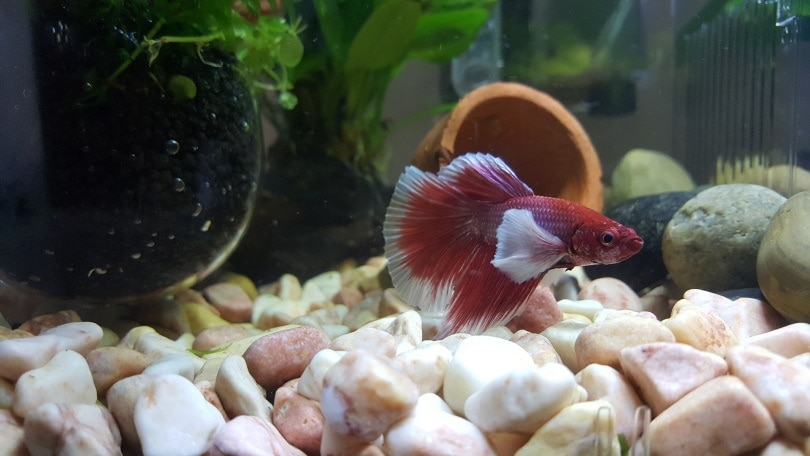
betta fish tank
Image by: Kosit Pajuthai, Shutterstock

Fins

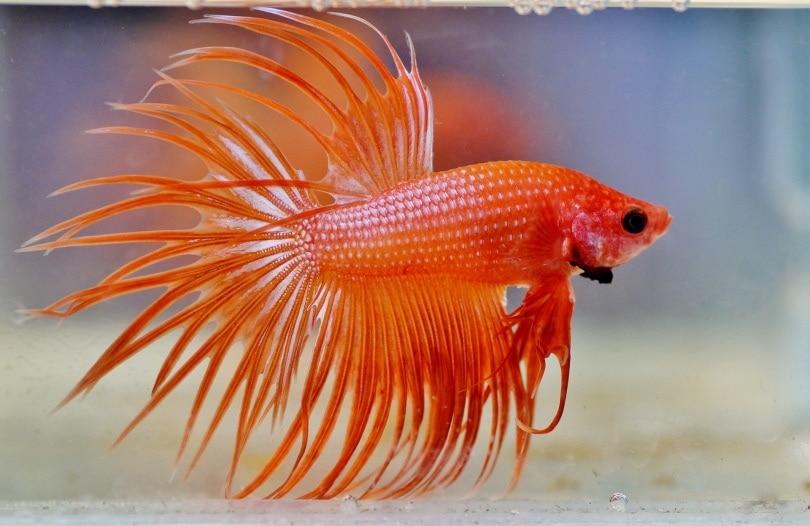
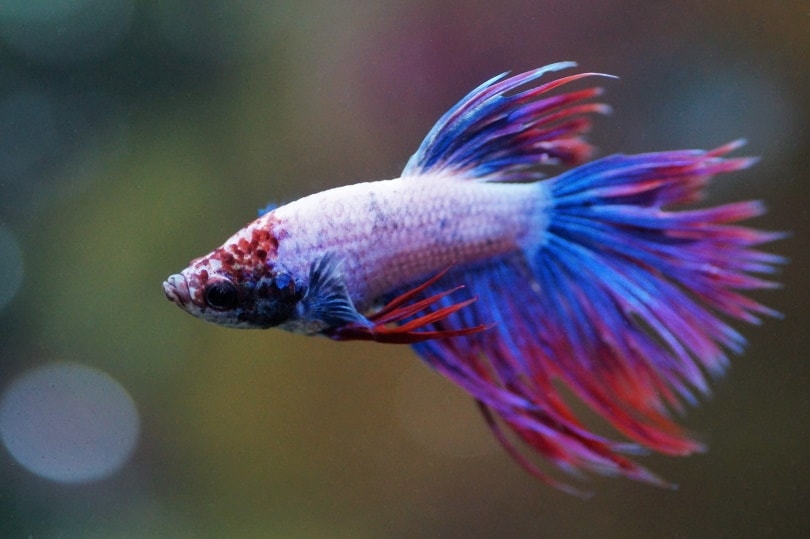
Male bettas have spectacular finnage that fans out and comprises many colors. It is not unusual for a male betta’s tail fin to grow double the size of the actual body. The ventral and dorsal fins are also long and typically pointed at the ends. There are a few exceptions to this, though, such as the plakat betta. In contrast, the female betta displays short fins that make them better swimmers than their male counterparts.

Coloration

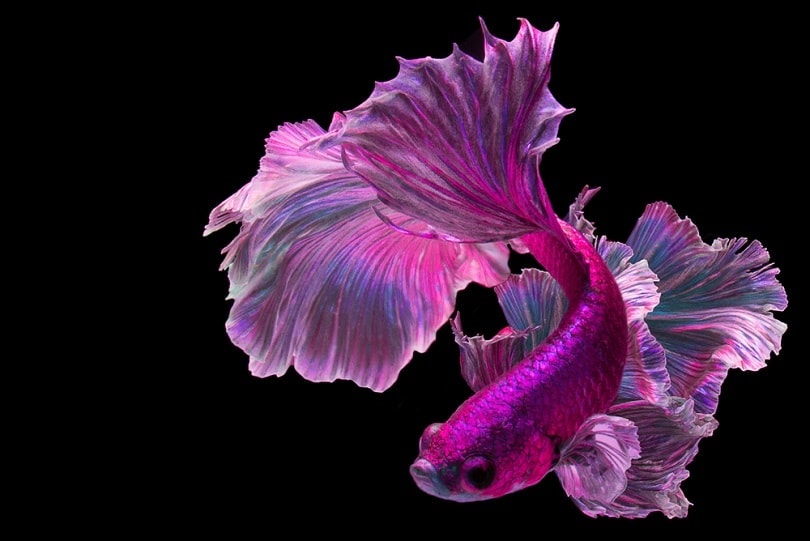
Male bettas have a wider range of vibrant colors than female bettas do. Females will usually display a pattern and solid colors are rare. Koi plakat betta females are a popular coloration and stand out nicely against a planted tank. It is common for female bettas to become more colorful when they are stressed or spawning.
Pink betta fish
Image by: BannokStockPhoto, Shutterstock

Size and Body

Female bettas have short and thicker bodies than males, which have thinner and sleeker bodies. Female betta fish are typically smaller than males.

Behavior

Female bettas are less aggressive than males, but both sexes flare (the plates near the head extend when the betta is feeling defensive). Male bettas are also the only sex that can build a bubble nest, which looks like small foamy bubbles at the surface of the tank. If your betta is creating bubble nests, they are a male.

The Ovipositor and Betta Beard

All betta fish have what is known as a betta “beard,” which is typically black or brown. This membrane sits below the gills and is easily seen on male bettas. Males have a longer and more noticeable beard than females, and it is constantly visible.

All female bettas have a tiny white dot next to their ventral fin near the head, called an ovipositor. The ovipositor is used to deposit eggs when spawning, and males lack this. Males may have a fake egg spot, but it will disappear as they mature.
crowntail betta fish
Image by: ivabalk, Pixabay

Keeping Female Bettas Together

Successfully keeping female bettas together is not easy and is better suited for experts in the aquarium hobby. A lot of thought and experience goes into creating the perfect sorority tank, and structure is important in case something goes wrong.

To be successful at housing female bettas together, you’ll need a large, well-planted aquarium with plenty of space and hiding spots. The tank should be big enough to comfortably hold at least five females, though sororities can be established with only three females. More females are better, though, provided that the aquarium can accommodate their bioload and individual needs.

The reason it isn’t advisable to put just two female Bettas together is that one will usually dominate the other, and no meaningful hierarchy can be established. The result will likely be a single betta that “rules the roost” and another that is always in hiding and constantly stressed. Multiple females help diffuse this tension and make the hierarchy more “natural.”

In certain circumstances, two females can be housed together in large aquariums, but this is not a common occurrence when it comes to making a sorority.

Tank size is a major factor when it comes to the success or failure of a pair or sorority. These are general guidelines when stocking your betta fish tank:

  • 1 female: 5 to 10 gallons
  • Pair: 10 to 15 gallons (generally not recommended, should only be attempted by experienced fishkeepers)
  • 3 to 5 sorority: 20 gallons
  • 6 to 10 sorority: 25 to 40 gallons

Determining If Female Bettas Fight

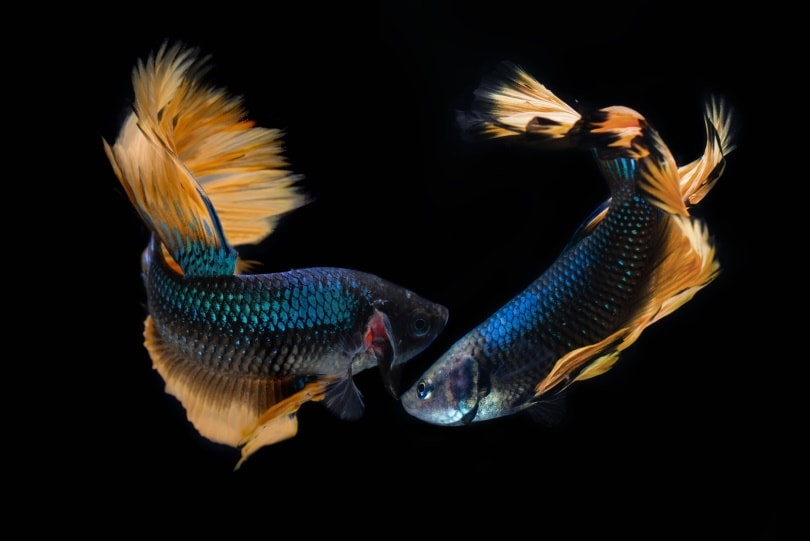
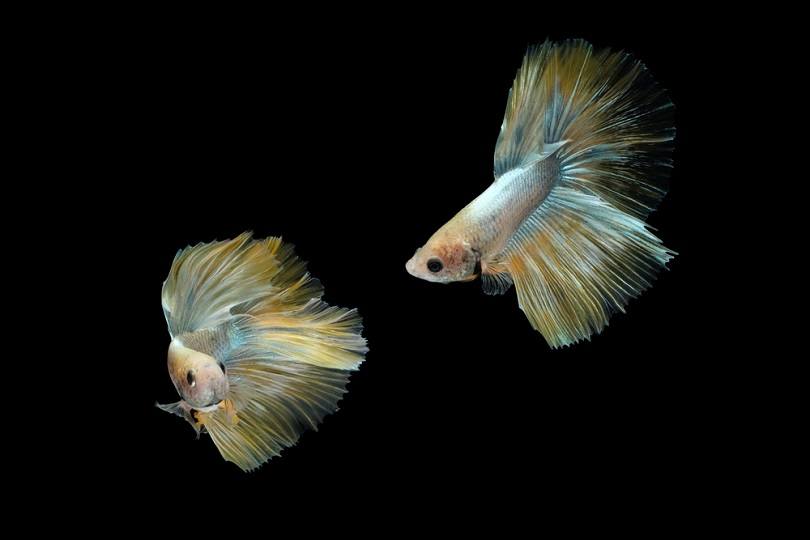
If you plan to keep more than two bettas together, you will most likely experience a few minor fights and disagreements between the two. Although female bettas are not as territorial or aggressive as males, they are more aggressive than many types of tropical fish regardless of their small size and colorful nature. Bettas have a distinctive personality that varies from fish to fish. This can make it hard to determine how aggressive or peaceful your female betta fish will be after you purchase them. Most female betta fights are caused by the personality of the fish, which is why it is important to have a separation method ready to avoid any serious injuries.
dancing-golden-halfmoon-rosetail-marble-grizzle-betta
Image Credit: Macrostud, Shutterstock

Tank Conditions for a Successful Sorority of Female Bettas

  • The size of the tank is what will determine how happy your female bettas will be. The larger the tank, the better and happier the bettas will be. Space can trigger unwanted aggression and fighting, so always choose the largest tank possible.
  • Filtration is essential to ensure that the water stays clean and free of debris. Monitoring the parameters will ensure you know the best time to do a water change. The ammonia and nitrite should be 0 parts per million (ppm), and the nitrate should be below 20–30 ppm. If the readings are any higher, a tank upgrade and water changes are required. A filter for at least double the number of gallons in the tank is important, but ensure that the current is not too strong. Multiple sponge filters are best for bettas.
  • Live planted tanks, safe artificial plants, caves, rocks, and other hiding spots are required to keep betta fish happy. These decorations and ornaments provide natural shelter from tank mates and can act as visual barriers if one of the bettas decides to act up. Live plants also assist by absorbing some of the ammonia that your fish produce, but they do require additional care to ensure that they are healthy (plants that perish can spoil water quality).
  • Have an extra 10-gallon tank with a filter and heater ready in case you need to separate some fish.
  • A heater is important to avoid fluctuations in temperature and to avoid it dropping too low. Bettas are tropical fish and are not tolerant of cold water.
aquarium plant divider

Conclusion

If done right, a pair of female bettas can work out, but housing just two female bettas together generally isn’t advised. For the best results, house at least five or more females together in a reasonably sized aquarium with adequate lighting, filtration, and hiding spots to form a sorority. These sororities are most successful when all the females are added to the aquarium together, so cycling the tank before adding them in is critical to avoid an ammonia spike in your aquarium.


Featured Image Credit: Arunee Rodloy, Shutterstock

Get Hepper In Your Inbox

Pet care tips from our vets and experts, straight to your inbox.

List

Select all that apply.

You may opt-out at any time. View our Privacy Policy for more information.

Sarah Psaradelis
Authored by

Sarah Psaradelis

Join the conversation

Ask a question, share your story, or send private feedback.
Rate this post
Required to post. Only our editors see your rating.
Who should see this?

A human reviews every comment before it appears. Your email is never published.

Picked to go with this article

Can You Put Two Betta Fish Together? Vet-Verified Facts & Safety Tips

Can You Put Two Betta Fish Together? Vet-Verified Facts & Safety Tips

Betta fish are easily one of the most popular pet fish, and it’s easy to see why. They’re beautiful, they exhibit interesting behaviors, come in various fin mo…

Brooke Billingsley
By Brooke Billingsley ·
Male vs Female Betta Fish: What’s The Difference (With Pictures)

Male vs Female Betta Fish: What’s The Difference (With Pictures)

Male Betta fish have been popular in the pet market for years now, but females are growing in popularity. While often less flashy than males, female Betta fish…

Brooke Billingsley
By Brooke Billingsley ·
Can Male and Female Betta Fish Live Together? Vet-Verified Cohabitation Facts & Info

Can Male and Female Betta Fish Live Together? Vet-Verified Cohabitation Facts & Info

Many of us have entered pet shops and found a betta fish display—sitting front and center. All the fish are swimming in their tiny cups, spreading their gracef…

Ashley Bates
By Ashley Bates ·
Can Two Male Betta Fish Live Together? Our Vet Explains

Can Two Male Betta Fish Live Together? Our Vet Explains

Since male Bettas are generally more ornate and visually beautiful, aquarium owners naturally want to keep males together in the same tank. But can two male Be…

Dr. Luqman Javed
By Dr. Luqman Javed ·

Keep reading

More stories you might like

Betta Fish Care Guide: Tank Setup, Diet, Cleaning & Tips

Welcome to the ultimate betta fish care guide! On this single page we cover everything you need to know to keep your betta happy, healthy, give them the best c…

Lindsey Stanton
By Lindsey Stanton ·
Betta Fish Care Guide: Tank Setup, Diet, Cleaning & Tips

Paradise Betta: Care Guide, Pictures, Lifespan & More

Bettas are attractive freshwater fish commonly known as the "Siamese fighting fish" due to their territorial and aggressive tendencies. They come in a large va…

Sarah Psaradelis
By Sarah Psaradelis ·
Paradise Betta: Care Guide, Pictures, Lifespan & More

How Much Space Do Betta Fish Need? Vet-Approved Tank Size Guide!

Betta fish are currently some of the most popular aquarium fish out there. They are tropical freshwater fish that come from the warmer parts of Asia. These fis…

Lindsey Stanton
By Lindsey Stanton ·
How Much Space Do Betta Fish Need? Vet-Approved Tank Size Guide!

Baby Betta Fish: Care Guide, Pictures, Growth Charts & Tips

You may be reading this article because you are new to the betta fish world and aren’t sure how to start. Or perhaps you have some betta experience but want to…

Kristin Hitchcock
By Kristin Hitchcock ·
Baby Betta Fish: Care Guide, Pictures, Growth Charts & Tips

How to Breed Betta Fish: Vet-Approved A to Z Guide (with Pictures)

Looking for detailed information on how to breed betta fish? It's a complicated process but it's also incredibly rewarding if you do it right. Breeding betta i…

Lindsey Stanton
By Lindsey Stanton ·
How to Breed Betta Fish: Vet-Approved A to Z Guide (with Pictures)

Can Betta Fish Live with Guppies in the Same Tank? Compatibility Facts

Betta fish and guppies are eye-catching fish that are popular in the freshwater aquarium trade. Both have similar water parameter needs, which may lead people…

Brooke Billingsley
By Brooke Billingsley ·
Can Betta Fish Live with Guppies in the Same Tank? Compatibility Facts

Do Betta Fish Kill Other Fish? Temperament & Companion Options

The Betta fish, better known as the “Japanese Fighting Fish” has a fearsome reputation that leads many Betta owners to be hesitant about housing them with othe…

Lindsey Stanton
By Lindsey Stanton ·
Do Betta Fish Kill Other Fish? Temperament & Companion Options

Butterfly Betta Fish (Delta Tail): Care Guide, Pictures, Lifespan & More

Betta fish, also commonly known as the Siamese fighting fish, has become a popular fish species among breeders. Because of this, Butterfly Bettas have been sel…

Lindsey Stanton
By Lindsey Stanton ·
Butterfly Betta Fish (Delta Tail): Care Guide, Pictures, Lifespan & More