Hepper is reader-supported. When you buy via links on our site, we may earn an affiliate commission at no cost to you. Learn more.
8 Goldfish Myths & Misconceptions: Vet-Approved Info


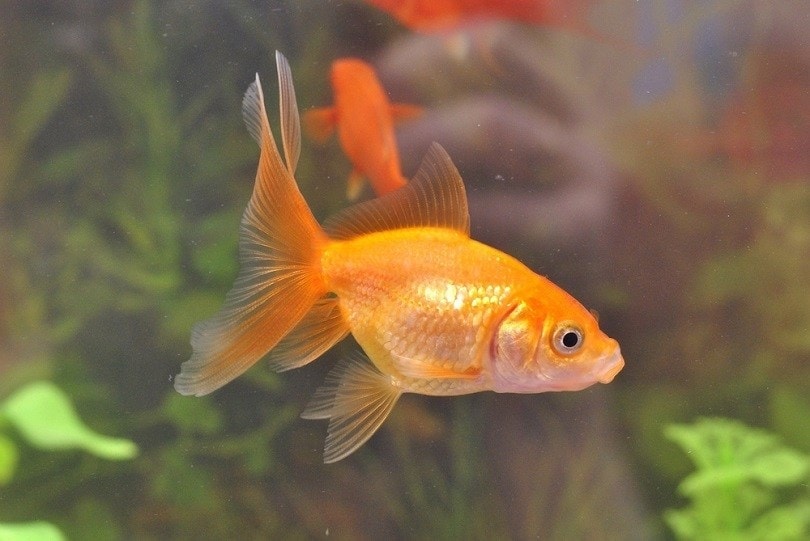
Colorful, hardy, and long lived, the goldfish is one of the most popular pet fish to own worldwide. However, their popularity has gained them plenty of misconceptions about their care and intelligence. Not only are goldfish large fish that need big aquariums or ponds, but they are intelligent too.
Whether you are a new goldfish keeper or have been keeping goldfish for years, we will be debunking the myths and misconceptions surrounding goldfish.
So, let’s find out if these common goldfish rumors are true.

The 8 Goldfish Myths and Misconceptions
1. Goldfish Can Live Happily In Bowls
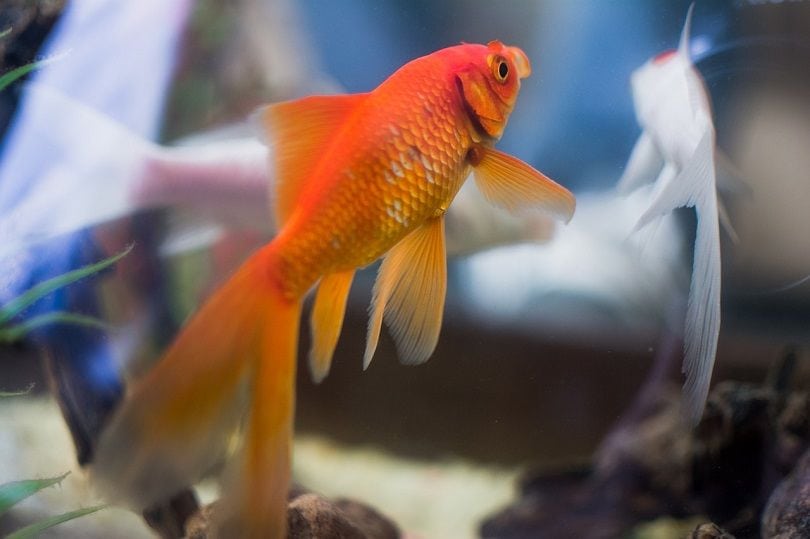
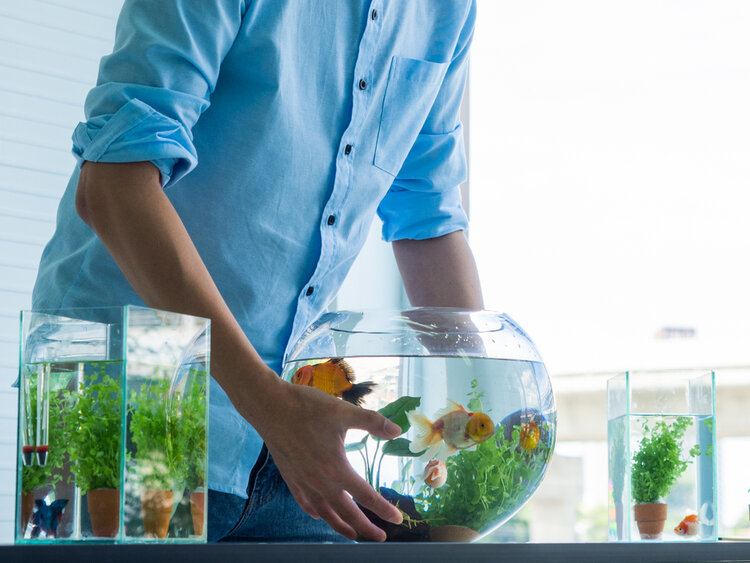
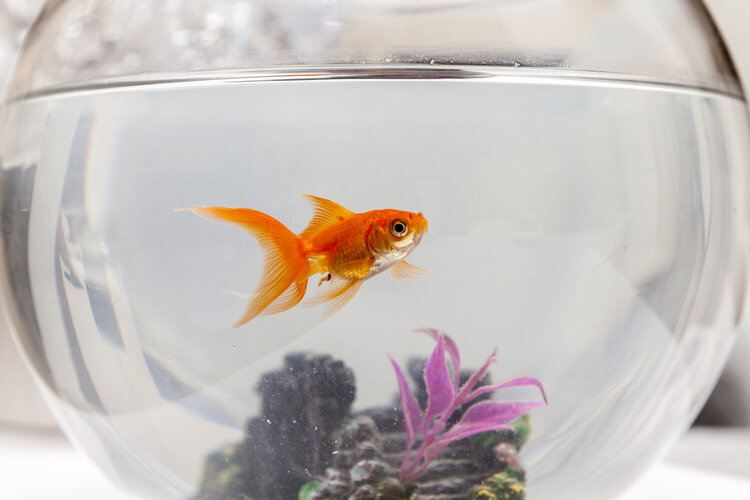
A bowl, vase, and small aquariums such as jars are not good homes for goldfish. Most bowls are not large enough for goldfish which makes them a poor housing choice. The truth is that goldfish will not be healthy in bowls and it prevents them from living a long and stress-free life.
The belief that goldfish belong in bowls likely stemmed back decades, when goldfish were showcased in bowls for houseguests in China. The goldfish were removed from their ponds to be displayed in these bowls, and it is possible that some of the guests thought the goldfish were living in the bowl permanently.
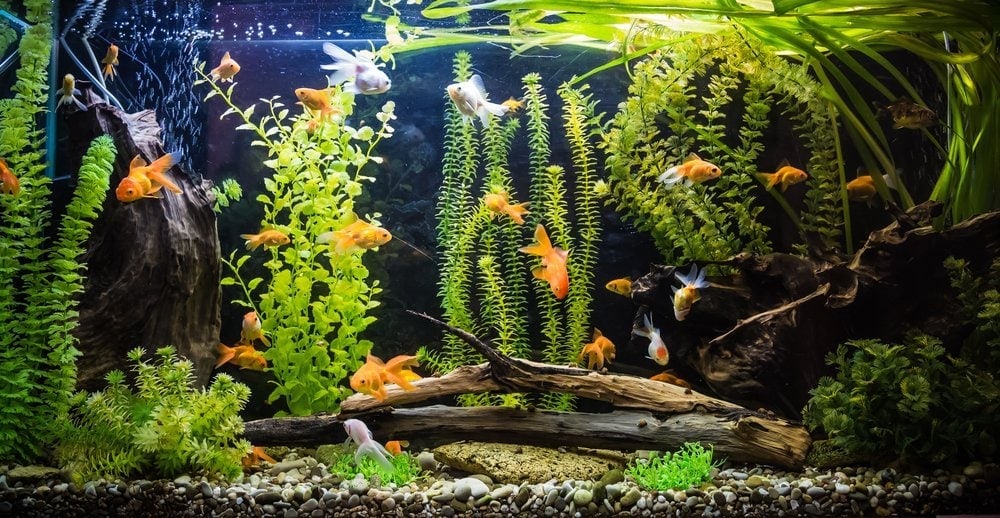
When it comes to modern-day goldfish keeping, a large tank or pond is recommended for these fish. The tank has to be equipped with a filter to be an adequate living space, with enough room for each goldfish to swim comfortably which is challenging in a bowl.
Here’s why bowls are bad for goldfish, and why they should be avoided:
2. Goldfish Do Not Need Big Aquariums
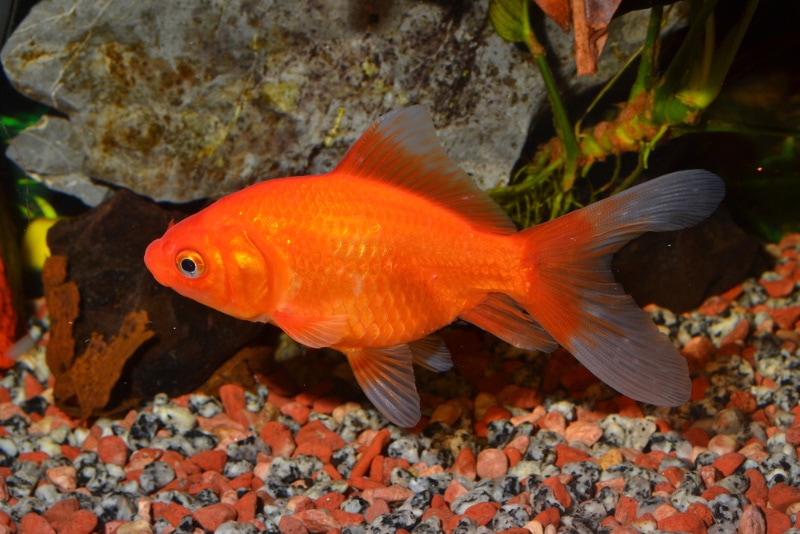
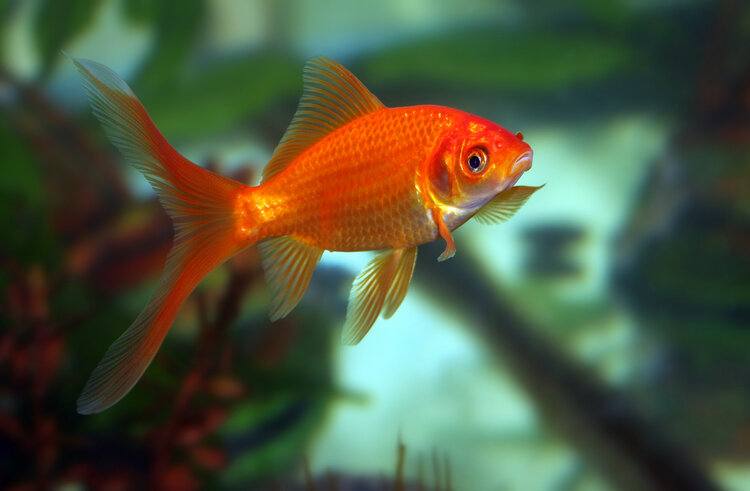
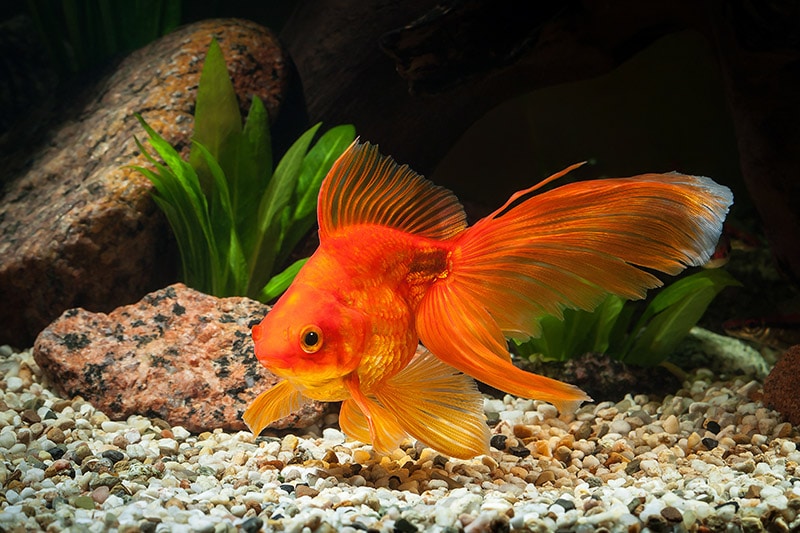
Goldfish thrive in big aquariums and ponds if they are large and numerous enough. That said, if you are unable to keep your goldfish in a pond, they can thrive in a large rectangular fish tank. The average fancy goldfish grows between 6 to 8 inches in size, while a common goldfish can grow to around 12 inches in size.
Yes, this size can take years to achieve, but it shows just how big these fish can get.
Choosing the correct tank size for one or more goldfish isn’t complicated. Consider the following guidelines as a good starting point:
For fancy Goldfish:
For Common Goldfish or Comet Goldfish:
Though housing goldfish alone isn’t advised, we’ve provided recommendations in the unfortunate event that you need to isolate an individual for a closer inspection, medication, or treatment for an ailment or disease.
As heavy waste producers, goldfish require a big aquarium that can handle their bioload. If the aquarium is too small, there is not enough water to dilute all of the goldfish’s waste, even with a filter.
3. They Do Not Live Very Long
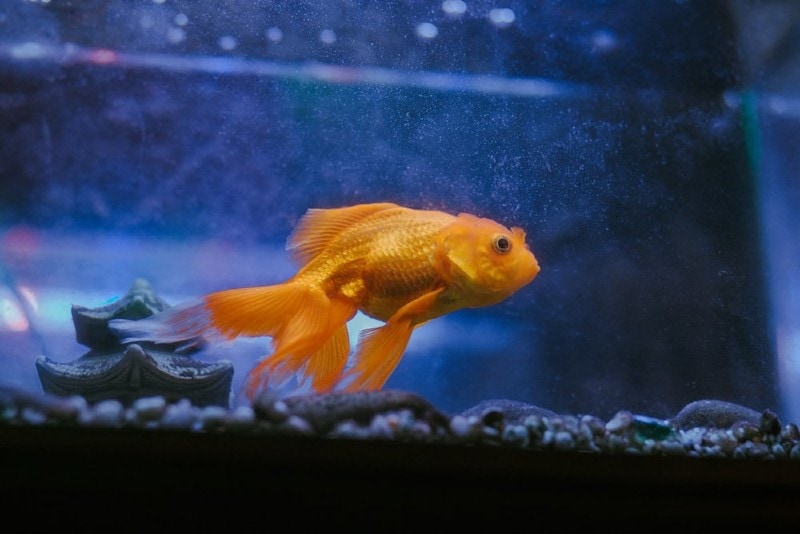
Many people get a goldfish without knowing how long their fish can live. Due to diseases and improper living conditions, most goldfish die prematurely. Although goldfish are thought to only live for a couple of months, they are capable of living for 15 to 20 years. This lifespan is achievable with the right care, disease management, and diet.
If you want to increase your goldfish’s lifespan and allow them to live for over a decade, a good place to start is to provide them with a large fish tank or pond. Their aquarium should then be equipped with a filter that is suitable for the size of the aquarium.
A high-quality diet of goldfish pellets with live or freeze-dried foods as supplements can ensure your goldfish's nutritional requirements are being met, allowing them to grow and maintain healthy body weight.
Stress is a major factor that can influence your goldfish's lifespan, and a stressed goldfish is more susceptible to disease.
4. Goldfish are Tropical Fish
Goldfish are cool water fish and don’t do well in tropical waters. The ideal temperature for common goldfish, whether they’re kept indoors or outdoors, is 16–22°C (60.8 – 71.6°F). Fancy goldfish have lower tolerances to changes in temperature and should be kept at 20–23°C (68–74°F).
Having options to control water temperatures is an advantage for any fish keeper. If you live in a tropical area, it might be wise to opt for a water chiller. When using a chiller, you should place your aquarium in a room that’s slightly warmer than the setting on the chiller. This ensures that the chiller constantly maintains the temperature at a desired condition.
When living in cold temperatures, a water heater might be warranted if you don’t plan on having your fish hibernate through the colder months. This is usually a requirement for fancy goldfish, as they don’t have the same levels of cold tolerance as their common counterparts.
Common goldfish in ponds can tolerate water as cold as 32–40˚F (0–4.4˚C). When housed in ponds, they slowly go into a hibernation-like state when this happens and will spend their time on the bottom of the pond until spring arrives. The key to maintaining your goldfish during such cold temperatures is preventing the water from freezing completely through. This can be accomplished by ensuring that your pond is deep enough to not freeze entirely during the winter. Goldfish won’t survive if they’re frozen solid.
5. Goldfish Have Short Memories
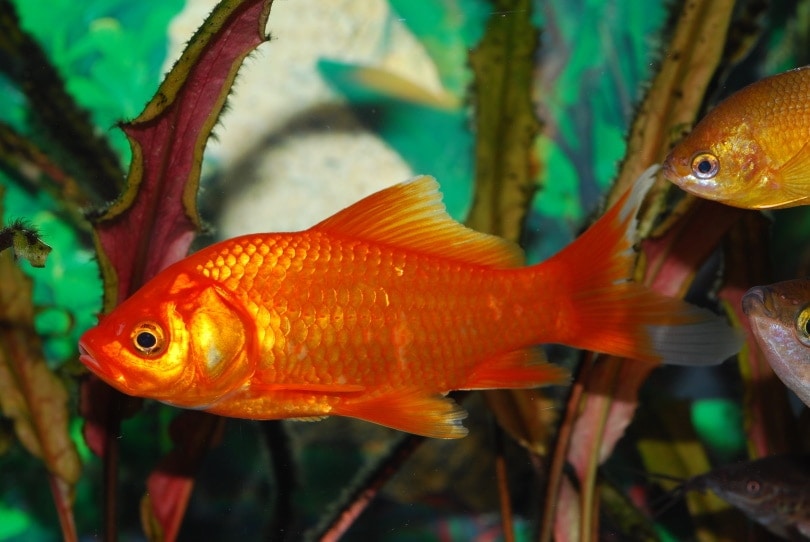
Goldfish do not have short memories and they can remember things quite well. A common myth you might hear about goldfish is that they have a 3 or 5-second memory. This is not true and has been proven to be false by various studies.
Goldfish memory is more complex than previously believed, and they can remember things for months and even years depending on how important the memory is to them. It has been found that goldfish brains have ependymins, which are a type of glycoprotein in the brain’s cytoplasm responsible for forming long-term memories.
Goldfish can remember both positive and negative situations, especially ones that impact their survival.
6. Stunting Is Healthy for Goldfish
Smaller aquariums that do not offer your goldfish much space can impair their growth. However, other environmental factors play a role in goldfish stunting, such as diet, disease, genetics, and water chemistry.
Stunting, better known as “impaired growth,” is not normal nor healthy for goldfish. A goldfish’s growth should not purposefully be restricted to keep them small and able to live in bowls and other small aquariums for the rest of their life.
This can be detrimental to goldfish, as impaired growth can affect their reproduction, metabolism, skeletal formation, and muscles. Goldfish that have restrictive growth may look abnormal if they manage to survive in these conditions for a few years. They may have muscle wastage and protruding spines, and generally, look unproportionate in comparison to goldfish that do not have restricted growth.
7. Goldfish Can Be Kept Alone
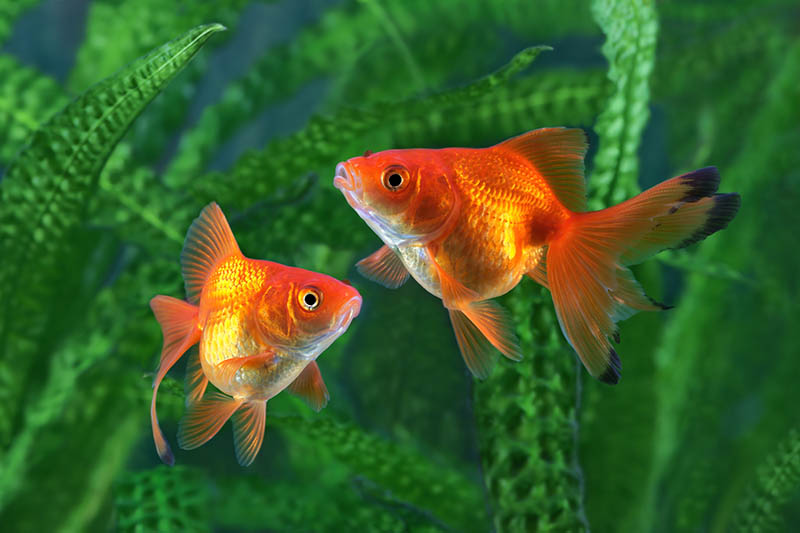
As a social fish, goldfish benefit from a same-species friend in the same tank. It is not recommended for goldfish to be kept alone, and they can become bored and lonely as a result. However, it is not good to overcrowd a goldfish tank either, so finding a balance and ideal stocking ratio is important.
While goldfish won't necessarily die if they are kept alone, they do much better with some company. Goldfish are the best tank mates to other goldfish, and these social fish offer each other companionship, communication, and security that humans cannot.
Companionship with other goldfish is so important, that Switzerland has prohibited goldfish from being kept on their own.
8. Goldfish Do Not Need Filters
This myth likely stems from goldfish being kept in small bowls, which do not offer enough room for a filter. Even though goldfish were originally kept without filters during the first years of their domestication, this was during a time before electricity was invented and supplied.
Now that goldfish keeping and welfare are continuously being updated, filters are seen as an essential item for goldfish.
Filters help to keep the water clean and prevent it from becoming stagnant. Stagnant water that is not continuously filtered becomes a poor environment for goldfish. Furthermore, many filters can also help oxygenate the water by improving surface movements, allowing for better gaseous exchange.
Most importantly, filters are home to large colonies of beneficial bacteria that convert ammonia from fish waste into a less toxic form known as nitrate. The water that passes over the filter media is responsible for keeping the water clean, creating a much healthier environment for your goldfish.
Conclusion
Goldfish are fairly simple to keep happy and healthy once you understand their appropriate care requirements. While there are many misconceptions and even dangerous myths about goldfish out there, most of them can easily be disproven.
Researching your goldfish is important and ensuring that you consider both the facts and updated information is essential for a long-lived goldfish.
Featured Image Credit: Val Krasn, Shutterstock
Get Hepper In Your Inbox


Pet care tips from our vets and experts, straight to your inbox.
You may opt-out at any time. View our Privacy Policy for more information.
Sarah is residing in South Africa with her partner and pets. She currently is interested in veterinary science and ichthyology, which she wants to study alongside her main passion: pet content writing. Sarah has over 60 fish including goldfish, tropicals, shrimp, and snails. She also keeps hamsters and a tarantula and wishes to provide quality content for readers and allow others to learn from her knowledge and experience. Sarah has much experience in all aspects of pet care, and providing the world with knowledge on ethical pet ownership is her lifelong dream.
Join the conversation
Ask a question, share your story, or send private feedback.