Hepper is reader-supported. When you buy via links on our site, we may earn an affiliate commission at no cost to you. Learn more.
Paradise Betta: Care Guide, Pictures, Lifespan & More
In this article
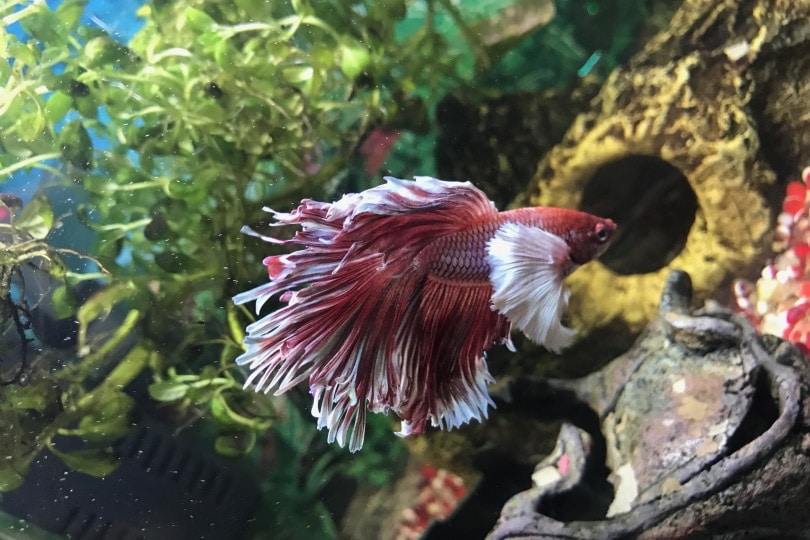
Bettas are attractive freshwater fish commonly known as the "Siamese fighting fish" due to their territorial and aggressive tendencies. They come in a large variety of colors and patterns that stand out proudly in nano tank setups. One astonishing form of the betta is the paradise betta fish. They are colorful and have unique patterns that make them stand out against solid-colored bettas.
The paradise betta is a man-made name used to describe the captive-bred color variations that have been produced.

Quick Facts About Paradise Bettas
| Species Name | Betta Splendens |
| Family | Osphronemidae |
| Care Level | Moderate |
| Temperature | 77°F–84°F |
| Temperament | Aggressive & territorial |
| Color Form | Varied |
| Lifespan | 2–5 years |
| Size | 2–3 inches |
| Diet | Carnivore |
| Minimum Tank Size | 5 gallons |
| Tank Set-Up | Freshwater: tropical & heavily planted |
| Compatibility | Poor |
Paradise Betta Overview
There are over 73 known species of betta fish and most of them are bred for the aquarium trading industry. Paradise bettas have been named such due to their colors and patterns that look like paradise. Bettas are native to Cambodia, Laos, Vietnam, and Thailand. They have then been bred to produce spectacular color variations. Bettas came from the period when Thailand was referred to as Siam and the name Siamese fighting fish was used to officially cover the entire species of B. splendens.
These fish originate from shallow rice paddies that span huge across their native lands. The waters are slow-moving and warm which makes them tropical fish.
How Much Do Paradise Bettas Cost?
Betta fish are inexpensive, and most pet stores will sell them for a reasonable price. Some bettas can be sold for as little as $2, whereas some of the rarer varieties can sell between $5 to $20. Paradise bettas generally sell in the middle of the average prices between $3 to $10. The label "paradise" betta can sometimes be used to attract buyers and make the betta seem special and that can lead to overcharging.
Typical Behavior & Temperament
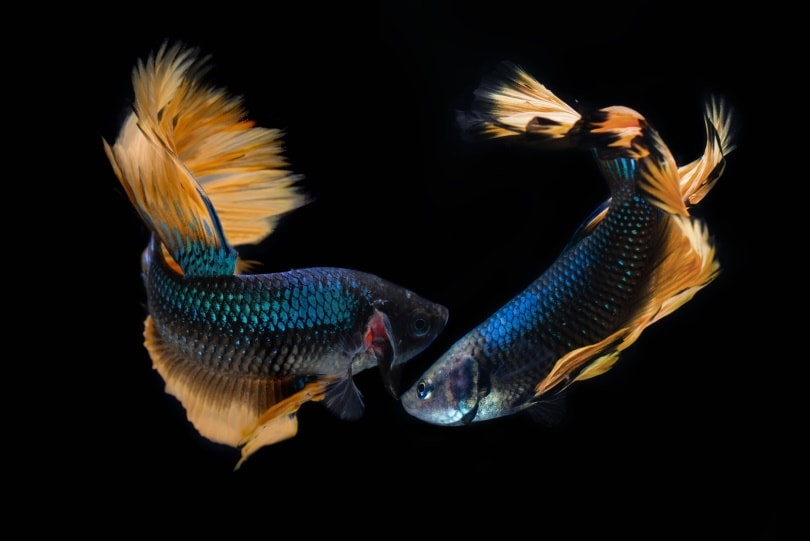
Betta fish are known for their extremely aggressive yet friendly and interactive personalities. The reason male bettas cannot be housed together is that they are so naturally aggressive and territorial over their space that they will challenge other visible males to a deadly fight. These fish may be pretty, but they are extremely troublesome if they are kept improperly. For this reason, we do not recommend keeping two males together and rather follow the correct procedures to keep a sorority of female bettas.
Appearance & Varieties
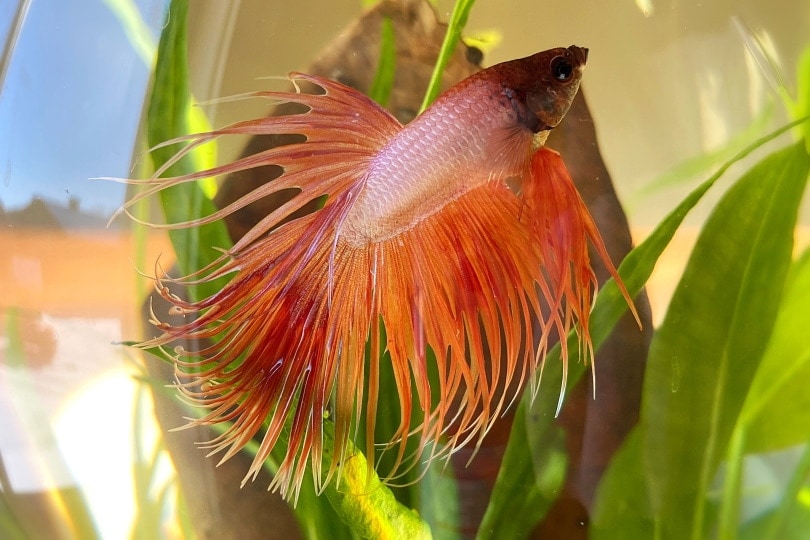
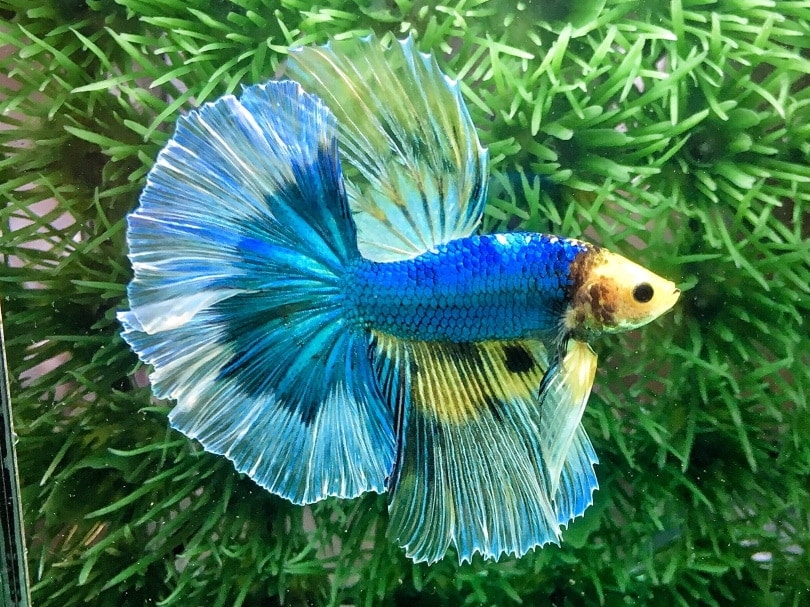
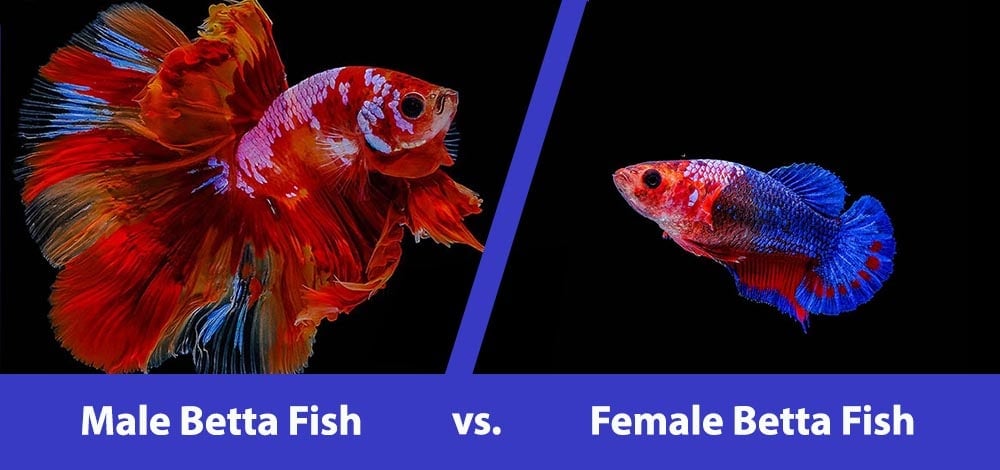
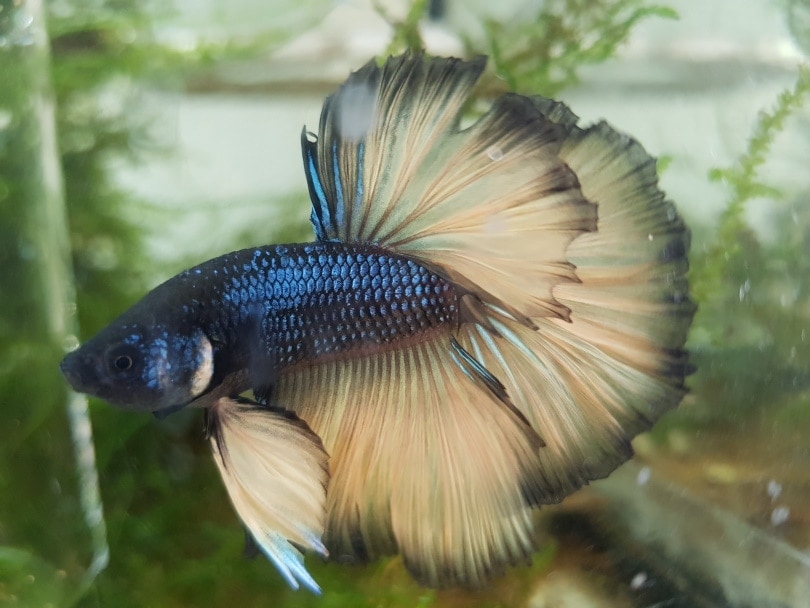
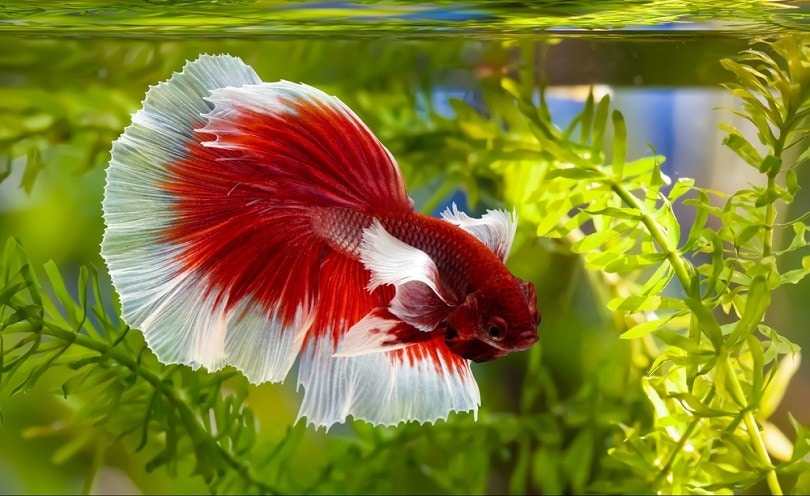
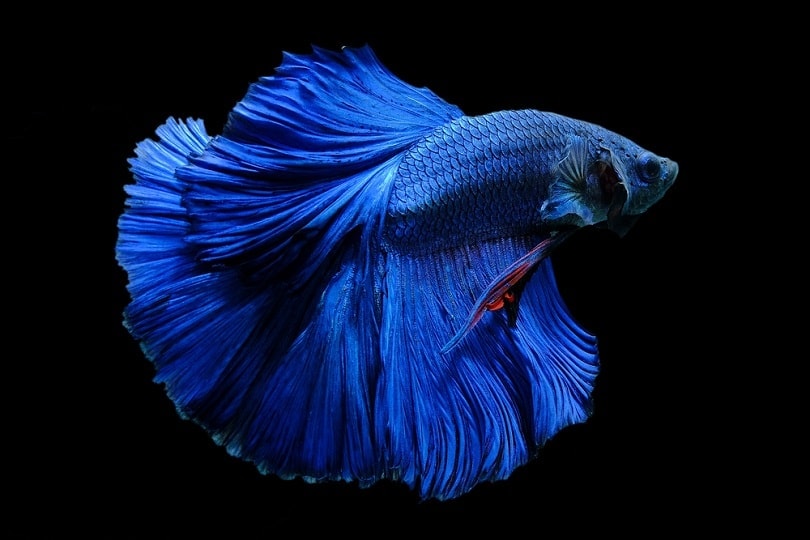
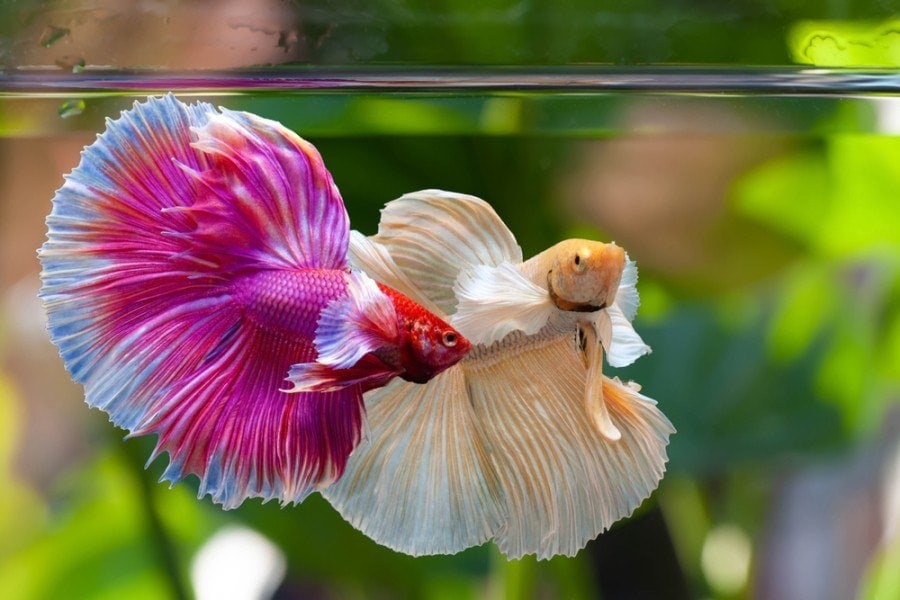
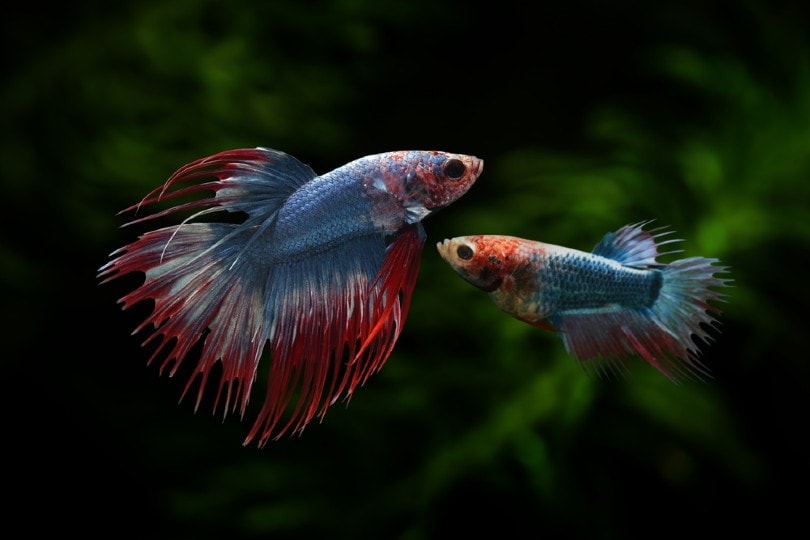
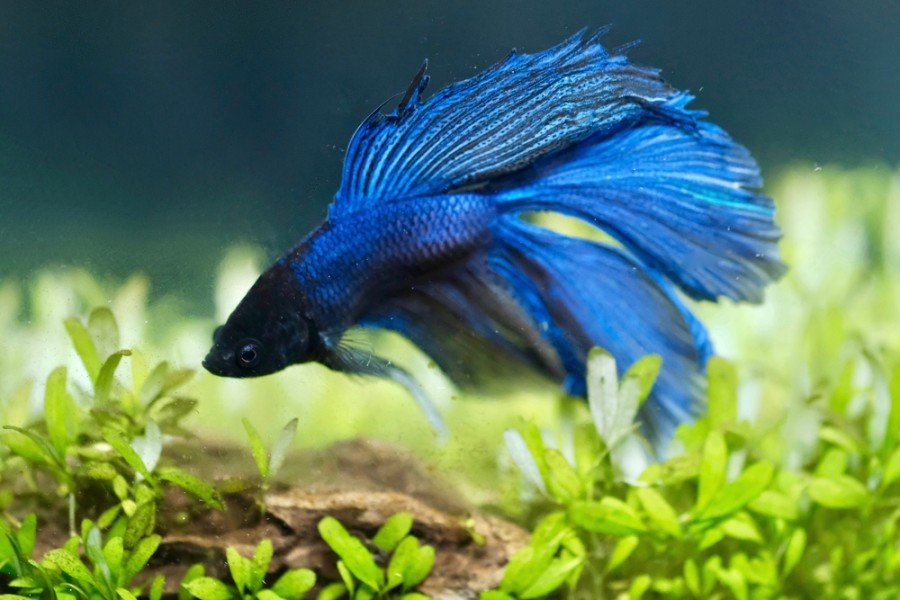
Paradise bettas are nothing short of stunning. They have exceptionally large, flowing fins that fan out along the sides of their body. In some cases, their tail fins can extend up to three times their body. The average betta grows to 2 or 3 inches, however, most female bettas or the dumbo ear betta can grow to 4 inches. Females are larger and have smaller fins when compared to males. They have fewer color and pattern options available and typically have white as a base color.
Paradise bettas have long tail fins with colors ranging from blue, orange, red, green, mustard, opal, and black. Both genders have a labyrinth organ that they use as a lung to hold oxygen that they gulp from the surface. This is an adaption method for the poorly oxygenated waters that they inhabit in the wild.

How to Take Care of Paradise Bettas
Habitat, Tank Conditions & Setup
Tank size
Although betta fish are small and typically housed alone, many people assume that they can be housed in bowls or vases. This is not true and the practice of keeping bettas in small aquaria is greatly outdated. An ethical minimum tank size of 5 gallons has been agreed on by many betta experts in the industry. A 10-gallon tank is the next basic minimum tank size that experts push for bettas to be kept in. A standard rectangular tank between 5 to 10 gallons can comfortably house one paradise betta fish. Avoid housing bettas in spherical aquaria as it is generally too small and the distorted sides mess with their outside view.
Water temperature & pH
Bettas are strictly tropical fish that require a pre-set heater in their tank. The temperature should be maintained between 77°F to 84°F and the pH should be between 6.8 to 8.0. Higher temperatures encourage proper digestion and can ward off certain diseases like ich.
Substrate
Bettas should have heavily planted aquariums which means a good plant substrate should be used in the tank. Fine black quartz gravel, natural-colored gravel, and various aquarium-safe soils and sand can be used. Avoid colorful gravel in unnatural colors because those harsh colorants leach toxins over time into the water column.
Plants
Bettas love live plants, which simulate a natural setup that they experience in the wild. They need plenty of flat and upturned leaves to rest on near the surface when they get tired. Live plants also help keep the water clean and plants readily absorb nitrates. Fake plastic plants are to be avoided as they tear bettas delicate fins. If you are not interested in live plants, silicone plants are the next best option.
Lighting
A standard yellow or white LED light can work over a simple betta tank. However, if you have a planted tank then aquarium plant grow lights are recommended to stimulate healthy plant growth and development.
Filtration
Filters are an important aspect of every fish tank. Filters help keep the water free of debris and push beneficial bacteria around the tank to help keep the water parameters within the ideal levels.
Are Paradise Bettas Good Tank Mates?
Bettas do not make good tank mates and it is only recommended to keep them with other fish or shrimp if you have experience keeping community tanks. There are a few species of fish that can be kept with bettas with few problems. The tank size should be upgraded if you plan to keep other fish with a betta. A minimum size of 20 gallons should be applied if you plan to keep shoaling fish with your paradise bettas. Snails are the best tank mate for bettas if you are new to betta fish and tank mates. Whereas only experienced aquarists should keep bettas with shrimp.
Suitable tankmates:
Unsuitable tankmates:
What to Feed Your Paradise Betta
It is simple to find a good diet for your betta fish with so many nutritious commercial foods available. The best foods for bettas are undoubtedly live foods. This includes insect larvae, bloodworms, tubifex worms, and worm cultures, and these can be paired with one staple commercial food. We recommend Hikari Betta Bio-gold for bettas. This food does not bloat bettas and has high-quality ingredients. Freeze-dried foods can be fed, but they have a low nutritional value when compared to live foods.
Keeping Your Paradise Betta Healthy
Breeding
It is not easy to breed bettas in captivity. Breeding bettas should be left to the experts who have years of experience and knowledge on good betta breeding practices. A separate breeding tank should be used. The male betta fish will construct a bubble nest when they are ready to breed. The female should be placed in the breeding tank once the male has finished making the bubble nest. The breeding pair will go through a courtship mating ritual and shortly after the female will deposit her eggs and the male will place them in the bubble nest and guard them till the fry hatch.
Are Paradise Bettas Suitable for Your Aquarium?
Generally, a betta fish should be housed alone or in a simple community tank. If you have set up a fully cycled aquarium larger than 5 gallons with lots of live plants and a filter, then a betta can easily thrive in your home aquarium. Community tanks are trickier and you should ensure each tank mate is compatible with paradise bettas and have plenty of hiding places and a low current. Keep in mind that if you want to keep a community betta fish tank, then the tank size should be increased to give everyone enough swimming space.
We hope this article has helped inform you of the best possible way to keep your paradise betta fish healthy and happy!
Featured Image Credit: Aan Unchu, Shutterstock
Get Hepper In Your Inbox


Pet care tips from our vets and experts, straight to your inbox.
You may opt-out at any time. View our Privacy Policy for more information.

Sarah is residing in South Africa with her partner and pets. She currently is interested in veterinary science and ichthyology, which she wants to study alongside her main passion: pet content writing. Sarah has over 60 fish including goldfish, tropicals, shrimp, and snails. She also keeps hamsters and a tarantula and wishes to provide quality content for readers and allow others to learn from her knowledge and experience. Sarah has much experience in all aspects of pet care, and providing the world with knowledge on ethical pet ownership is her lifelong dream.
Join the conversation
Ask a question, share your story, or send private feedback.