Hepper is reader-supported. When you buy via links on our site, we may earn an affiliate commission at no cost to you. Learn more.
Cardiomyopathy in Cats: Treatment, Prevention & Signs (Vet Answer)

In this article
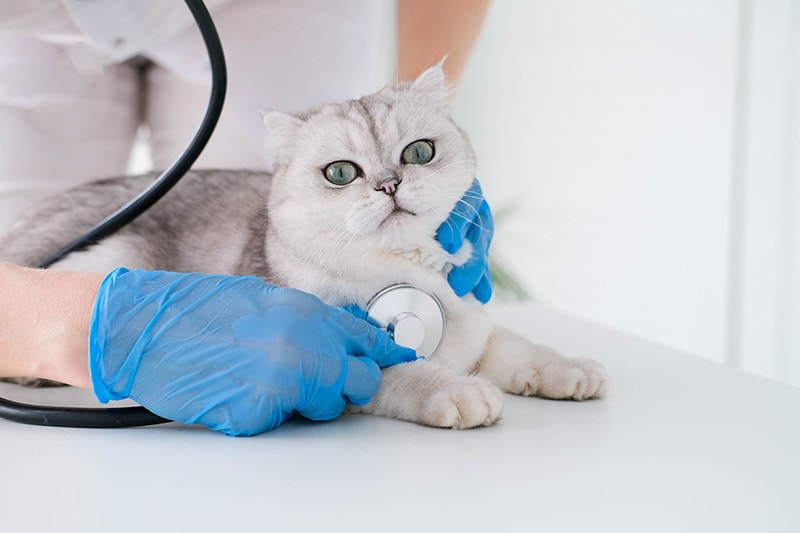
Cardiomyopathy is a medical term that describes the disorders of the heart (cardiac muscle). In cats, there are four classes of cardiomyopathy: hypertrophic, dilatative, intermediate (transitional) or restrictive, and unclassified. These conditions can be primary or secondary to other diseases and usually lead to clinical signs of heart failure.
Hypertrophic cardiomyopathy is the most common cardiac pathology found in cats. It's characterized by the thickening of the heart wall, the dilation of the left atrium, and the inability of the left ventricle to fill properly with blood.
In this article, you will learn what cardiomyopathy in cats is, the clinical signs and causes, and how you can help your cat if they suffer from this condition.

Heart Anatomy
To better understand what changes occur in the heart when your cat suffers from cardiomyopathy, it's important to know its anatomy. The structure of the heart (cardiac muscle) in cats is the same as in humans, dogs, or any other mammal.
Types of Cardiomyopathy
Broadly speaking, cardiomyopathy is a progressive disease of the cardiac muscle that causes it to function poorly; basically, it has difficulty pumping blood to the rest of the body.
Cardiomyopathy can develop over time or be congenital. There are four types (classes) of cardiomyopathy caused by certain factors.
1. Hypertrophic Cardiomyopathy
Hypertrophic cardiomyopathy is one of the most common feline pathologies. This condition leads to the thickening of the muscular walls of the heart—more precisely, to the excessive thickening of the wall of the left ventricle and the papillary muscles at the level of the heart valves.
It is a common disease in purebred cats, the most prone being:
- Maine Coon
- Burmese
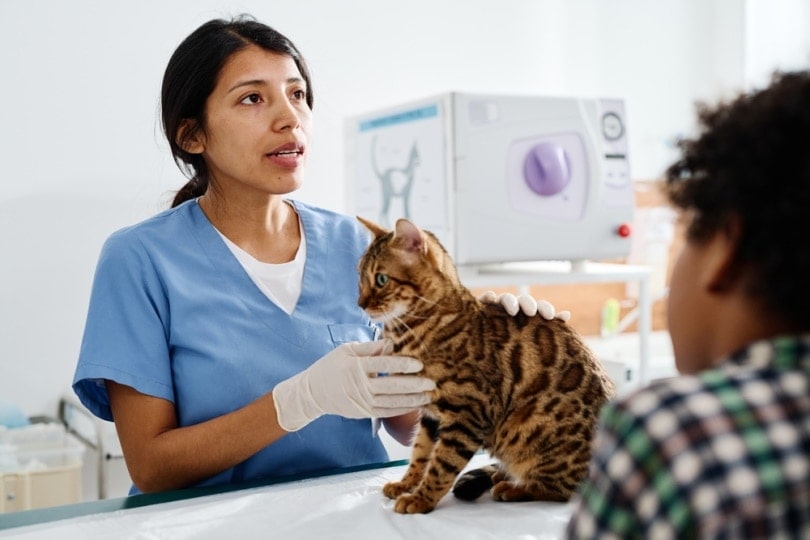
- Bengali
- Scottish Fold
- British Shorthair
- Sphinx
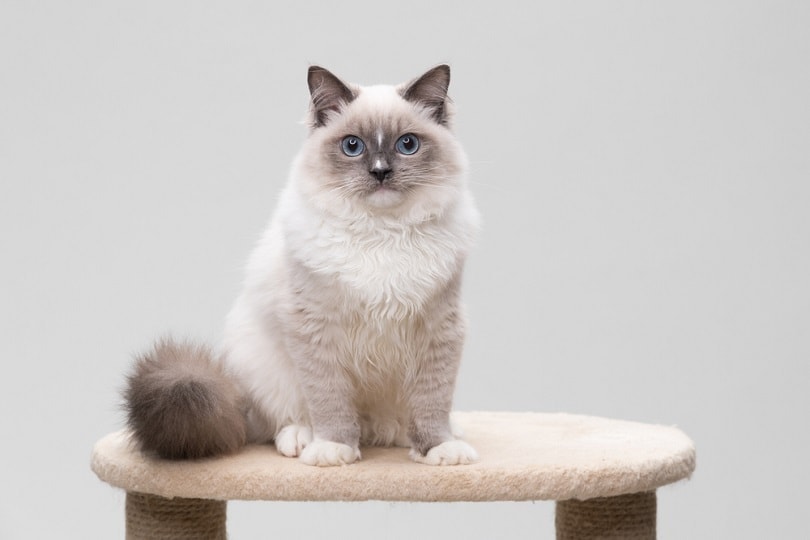
- Ragdoll
- Persian
However, it can be found in any breed. Cases that are not diagnosed in time can result in sudden death. Therefore, it is recommended to take your cat to the vet as soon as they show signs of heart disease.
2. Dilatative Cardiomyopathy
Dilated cardiomyopathy (DCM) is a condition in which your cat's heart enlarges. The chambers of the heart widen and the walls thin and stretch. As a result, heart contraction and blood pumping will be performed with difficulty.
DCM can lead to congestive heart failure, in which blood accumulates in the lungs and other parts of the body. It is a relatively rare condition, and the most prone cat breeds are Burmese, Abyssinian, and Siamese.
3. Restrictive Cardiomyopathy
This condition is rare in cats and involves the accumulation of scar tissue (fibrosis) on the inner lining of the ventricle. This scar tissue prevents the heart from fully relaxing, filling with blood, and emptying properly.
Restrictive cardiomyopathy in cats has two forms, myocardial and endomyocardial, both leading to muscle (cardiac muscle) stiffness. There is no known cause for either, but it is speculated that it could be due to an underlying inflammatory reaction (to a virus or immune-mediated disease).
4. Unclassified Cardiomyopathy
There are no specific causes for this type of cardiomyopathy, hence the name. Middle-aged or senior cats are most commonly affected.

What Are the Signs of Cardiomyopathy in Cats?
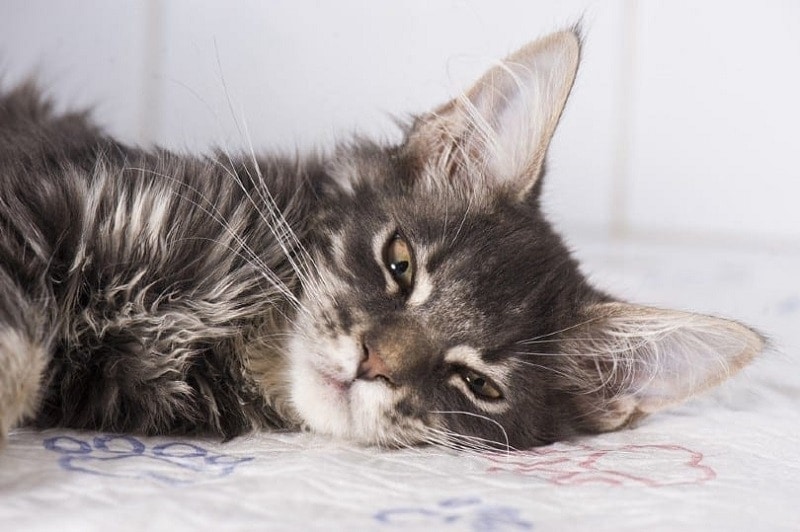
Most of the time, cats do not show that they are suffering or ill until their condition is quite advanced. The same thing can happen in the case of cardiomyopathy, where cats may not show any signs of illness in the early stages of the disease. This situation is called compensated heart failure. Cats with heart disease will change their activity levels so they can cope with the changes that have occurred at the level of the heart.
In the long run, if the cardiomyopathy is not treated, your cat has an increased risk of developing several severe complications (e.g., congestive heart failure, thromboembolism, and/or hypertension), regardless of the type of cardiomyopathy.
Clinical signs of cardiomyopathy in cats may include:
If your cat shows these clinical signs, take them to the vet as soon as possible.
What Are the Causes of Cardiomyopathy in Cats?
Cardiomyopathy in cats can have many causes, including genetics, nutrition, and various diseases. It can be primary or secondary.
Secondary cardiomyopathy can occur due to various disorders, such as:
The nutritional causes for cardiomyopathy in cats are mostly represented by a taurine-deficient diet, which can cause DCM and obesity.
Other causes can be represented by:
How Do I Care For a Cat With Cardiomyopathy?
If your cat has been diagnosed with cardiomyopathy, all you can do to help them is to follow the vet’s instructions and administer the prescribed treatment. Unfortunately, cardiomyopathy is a disease that has no cure but can be controlled with appropriate treatment.
Also, cardiomyopathy cannot be prevented unless it is secondary to certain diseases (hyperthyroidism, high blood pressure, or infections). Here is what else you can do to prevent heart disease and have a healthy cat:
- Feed your cat a healthy and balanced diet.
- Do not let your cat become obese.
- Do not let your cat become sedentary.
- Encourage physical exercise to keep your cat fit.
- Make sure your cat does not live in a stressful environment.
How Is Cardiomyopathy in Cats Treated?
Cardiomyopathy has no cure, but there are drugs that can keep it under control. In the case of secondary cardiomyopathy, treating the primary condition usually leads to the resolution of the heart disease.
If there is no cause or when the heart disease persists, even if the primary condition is treated, the treatment will be prescribed depending on the changes that have occurred.
For example:
Since cardiomyopathy does not go away on its own, it is important to take your cat to the vet at the first indication of clinical signs.
Frequently Asked Questions (FAQs)
Does a Cat With Cardiomyopathy Need a Special Diet?
Cats with cardiomyopathy will ultimately need diets with low sodium content, but not in the early stages of the disease. The body will try to compensate for heart failure by retaining salt and water. In addition, a diet rich in animal protein (40–50%) is also recommended. However, when a cat is sick, it is simply important that they eat, regardless of the food that they consume.
What Complications Can Cardiomyopathy Cause in Cats?
If cardiomyopathy is not diagnosed and treated, your cat can suffer the following complications: heart failure (this can be life-threatening if left untreated), blood clots (these can block blood flow to other organs), heart valve problems, cardiac arrest, and sudden death. For these reasons, take your cat to the vet when the first clinical signs of cardiomyopathy occur.
Conclusion
Cardiomyopathy is a term that describes various conditions of the heart. It includes several classes: hypertrophic, dilated, restrictive, and unclassified cardiomyopathy. Undiagnosed and untreated cardiomyopathy can lead to various complications, including heart failure and sudden death. Among the clinical signs of cardiomyopathy in cats are difficulty breathing, fatigue on exertion, lethargy, nasal or ocular bleedings (in case of hypertension), or weakness. Cardiomyopathy can be primary or secondary. Secondary cardiomyopathy can occur due to various disorders, toxins, medications, or inadequate nutrition. It is important to take your cat to the vet from the first signs.
Featured Image Credit: smile23, Shutterstock
Get Hepper In Your Inbox


Pet care tips from our vets and experts, straight to your inbox.
You may opt-out at any time. View our Privacy Policy for more information.
Iulia Mihai is a veterinarian with more than 13 years of experience in pet pathology, laboratory, and cancer. She studied at the University of Agronomical Sciences and Veterinary Medicine of Bucharest, Romania Iulia earned a master’s degree in equine and pet pathology and studied epithelial cancer for her Ph.D. Dr. Mihai's passions for internal medicine and parasitology inspired her to volunteer at the faculty’s clinic in her third year of college. She has worked in a couple of veterinary clinics over the years as an internal medicine specialist, and loves to write and educate pet parents about pet nutrition, behavior, and diseases.
Iulia is a passionate veterinarian with a strong affinity for veterinary parasitology, internal medicine, and laboratory. She is excited to share her experience and knowledge with pet owners around the world through her writing and hopes to educate people on pet nutrition, diseases, and behavior.
Education
Iulia graduated from the University of Agronomical Sciences and Veterinary Medicine, Bucharest, Romania, in 2012 and has a Master’s degree in Small Animals and Equines Pathology and is certified in HAACP food safety system implementation. Iulia started her Ph.D. in epithelial cancer in dogs and cats in 2013. Her research is published in national and international veterinary journals.
Experience
Dr. Iulia has been a veterinarian for more than 14 years. She is experienced in animal pathology and laboratory and has experience with exotic animals, such as pet rats and ferrets. She also has skills in the field of clinical pathology, laboratory, microscopy, cancer, and imaging.
Join the conversation
Ask a question, share your story, or send private feedback.