Hepper is reader-supported. When you buy via links on our site, we may earn an affiliate commission at no cost to you. Learn more.
Heart Murmurs in Cats: Signs, Causes & More (Vet Reviewed)


In this article
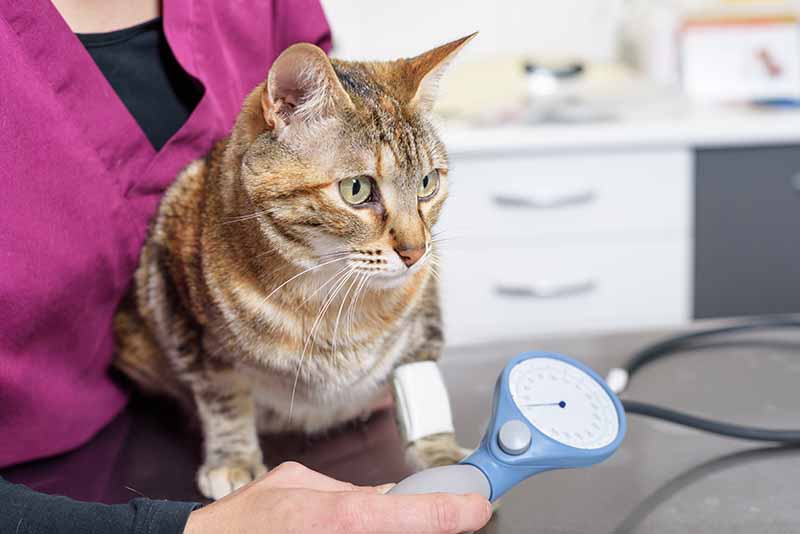
If you learn that your cat has a heart murmur, your first reaction may be to panic. After all, just saying something is wrong with your pet’s heart will undoubtedly sound frightening.
Often, you may not know anything is going on since you may not notice any other signs that something is amiss. Nevertheless, if your veterinarian detects a heart murmur in your cat, it is worth investigating, even if to determine its underlying cause.

What Is a Heart Murmur?
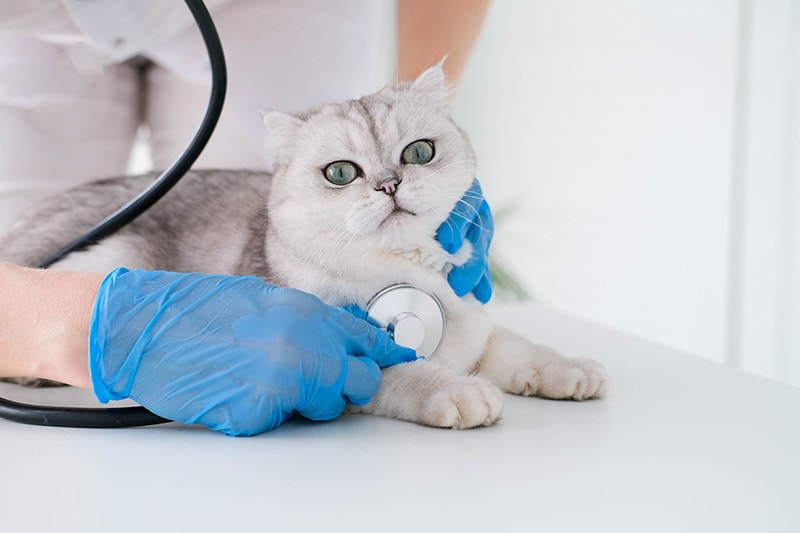
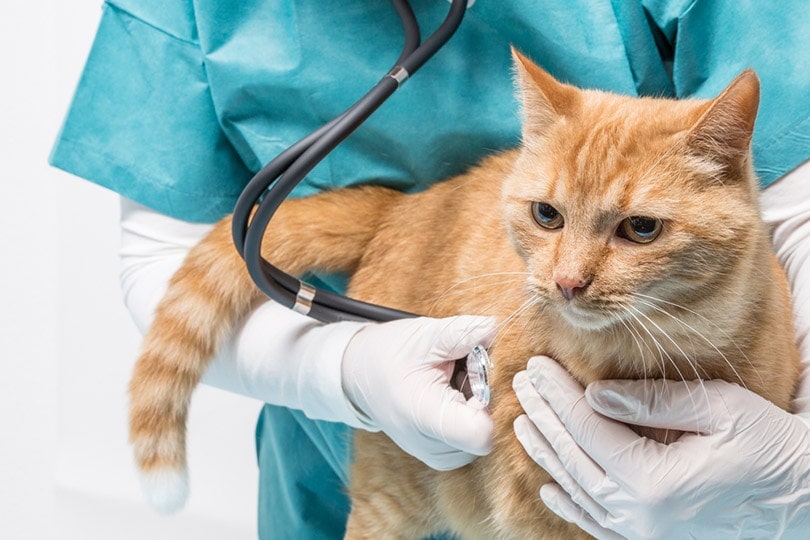
A heart murmur describes any unusual sound or whooshing noise detected during an auditory examination of your pet using a stethoscope. Its presence can indicate a structural issue with the organ. It may also be a complication from another health condition. It can arise out of stress or even appear temporarily in a kitten¹.
Veterinarians further classify a heart murmur based on its location, volume, and configuration. Veterinarians will assign a grade to the murmur¹ based on its loudness, which can provide additional information about the cause and next steps.
They include:
The small size of a cat’s heart makes it difficult to locate a murmur. However, a vet will still try to pinpoint where it’s at by its point of maximum intensity¹ (PMI). They will also try to determine if it is a systolic or diastolic murmur. The former refers to the active contraction of the organ, and the latter when it relaxes during the cycle. All this information can help identify its origin and a possible course of treatment.
A vet relies on testing other than what they hear using a stethoscope. It may include blood work with a cardiac proBNP¹. This test can quantify the added work a murmur may cause the heart to do by measuring the concentration of NT-proBNP in the blood.
Bloodwork and a complete workup can point to other causes of a heart murmur so that your vet can treat the problem resulting in the abnormal sounds of blood flow through the organ. The gold standard for diagnosis is an echocardiogram¹. This diagnostic imaging provides a real-time view of the heart in action. It can help determine whether a congenital issue is the cause of the murmur.
What Are the Signs of Heart Murmurs in Cats?
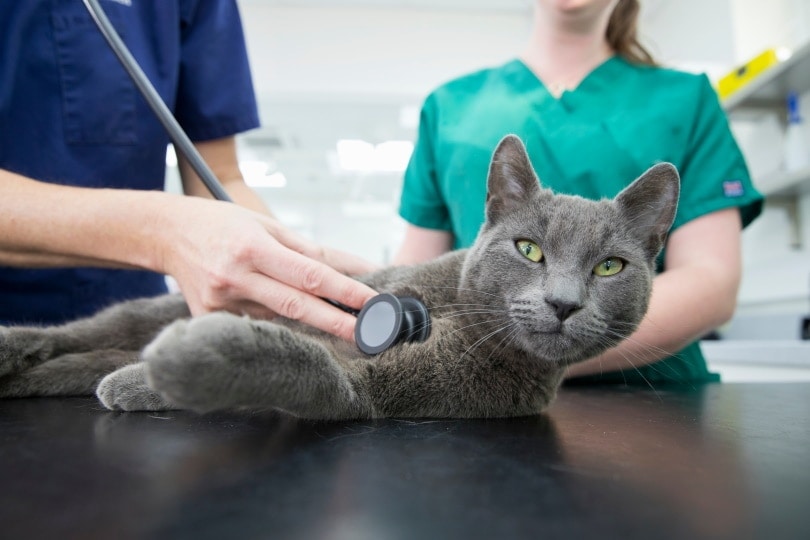
Heart murmurs with a grade I–III often indicate what is called an innocent or benign condition. Louder murmurs often occur when a structural or congenital defect is present. The former often presents few signs of something being wrong with the animal. However, the underlying cause may show evidence of a treatable health condition.
Other signs include:
As you can see, these signs are not very telling, making thorough examinations and testing imperative for a definitive diagnosis. Remember that, often, you won’t notice anything wrong with your cat, particularly if it is an innocent murmur. However, an undiagnosed issue could have implications for an animal undergoing anesthesia since it can increase the risk of a cardiac event.
What Are the Causes of Heart Murmurs in Cats?
Murmurs are typically seen in cats with congenital diseases. However, the presence of an abnormal heartbeat isn’t necessarily an indication of these conditions. That’s where the diagnostics can shed light on the possible causes.
Stress is another common cause. Other culprits include conditions unrelated directly to heart function, such as hypoproteinemia (low protein levels), anemia, or hyperthyroidism. Rarely, a heartworm¹ infestation can also lead to an abnormal heartbeat. Blood work can identify these issues.
Heart murmurs are also signs of structural problems within the organ. Hypertrophic cardiomyopathy¹ (HCM) is the most common form of heart disease seen in cats. This condition causes ventricle walls to thicken, decreasing the space where blood can flow. As a result, the heart must work harder, further complicating the problem.
Another potential cause is aortic stenosis¹—a narrowing of the aorta disrupting normal blood flow. Issues with the valves within the heart can also cause heart murmurs as can an infection of the organ called endocarditis. Blood clots and behavioral issues like anxiety can be at the root of the problem.

How Do I Care for a Cat With a Heart Murmur?
An affected animal's care depends on the heart murmur's underlying cause. A veterinarian may recommend watchful waiting and monitoring them for any changes. Cats with anemia or hyperthyroidism will require the proper treatment for those conditions. Treating these issues may lessen or even resolve the heart murmur.
Animals with heart failure may need hospitalization to alleviate fluid build-up, often with medication or procedures to remove the excess. Every situation is different. Treatment depends on the pathology of the heart murmur, the animal’s overall health, and the owner’s concerns.

Frequently Asked Questions (FAQs)
What is the prognosis for a cat diagnosed with a heart murmur?
The answer depends on the underlying cause. Cats with innocent heart murmurs and without the cardiovascular disease can live a normal life without any special treatment. Animals with structural problems may also have a good quality of life. However, the prognosis is often poor if the cause is left untreated.
What are the red flags in the sound of a heart murmur?
Increasing grade based on murmur loudness is a typical indicator of a more severe problem but does not always correlate with the severity of the disease.
Closing Thoughts
Heart murmurs are signs of turbulent blood flow in the heart that may or may not affect a cat’s overall health. Many animals can live normal lives with a functional heart murmur that isn’t caused by cardiovascular disease or structural issues. The essential goal is to arrive at a definitive diagnosis to determine the course of treatment, even if it’s simply monitoring the patient moving forward.
Sources
Featured Image Credit: bmf-foto.de, Shutterstock
Get Hepper In Your Inbox


Pet care tips from our vets and experts, straight to your inbox.
You may opt-out at any time. View our Privacy Policy for more information.
Chris is an experienced pet writer specializing in science topics, with a particular passion for health and the environment. She has been a writer for over 15 years and lives with her husband and three cats in Michigan.
Beyond writing about cats and dogs, Chris loves to learn about wine. She has WSET 1 and 2 certifications and is currently pursuing her Certified Wine Specialist Award (CSW).
Join the conversation
Ask a question, share your story, or send private feedback.