Hepper is reader-supported. When you buy via links on our site, we may earn an affiliate commission at no cost to you. Learn more.
11 Cat Idioms & Sayings for Every Occasion (With Their Origins)

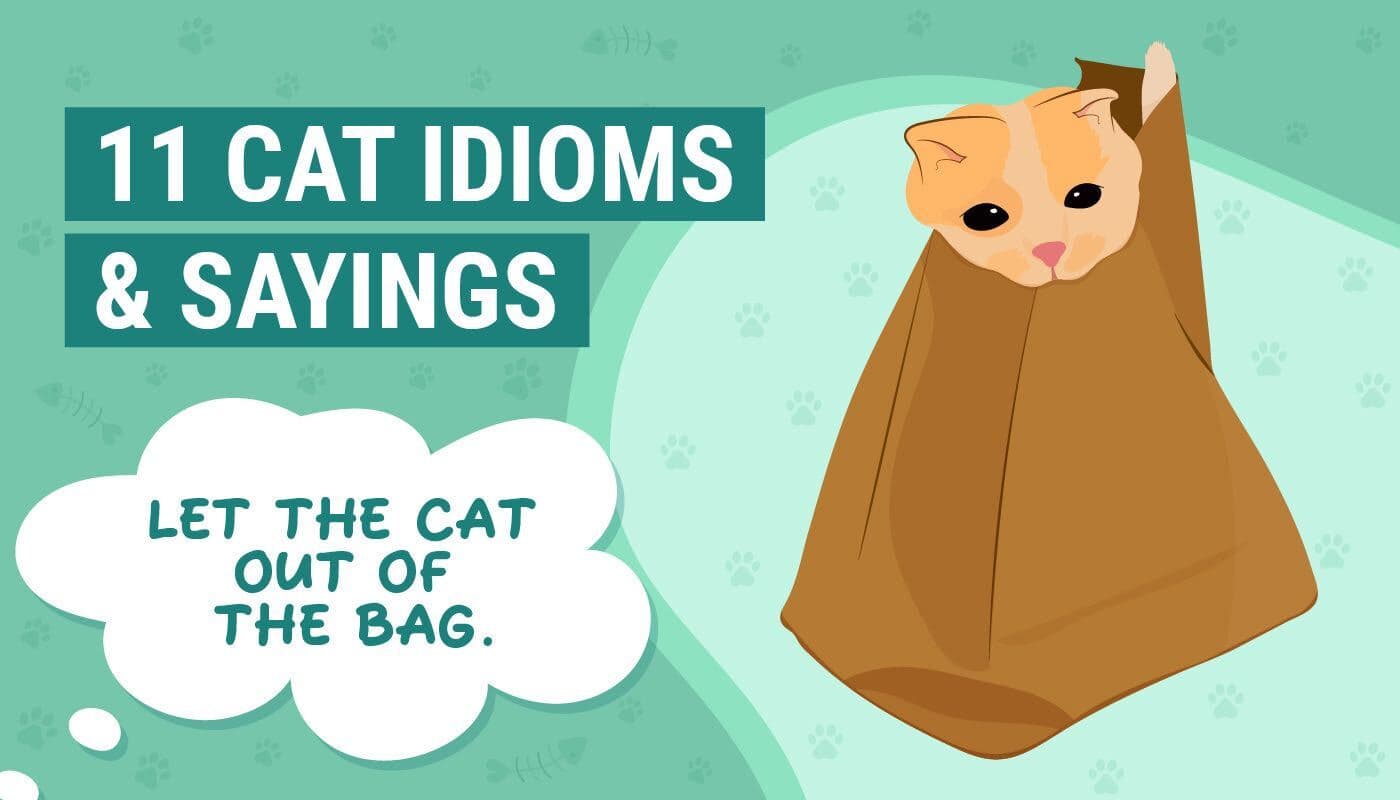
Cats have always been a popular subject in literature and art, and they have even become part of everyday language. We use plenty of cat idioms and sayings to convey different emotions and situations. Keep reading as we list several of the most popular ones and explore their origins.

The 11 Cat Idioms & Sayings
1. Curiosity Killed the Cat
- Origin: 16th century
We use the “curiosity killed the cat” idiom to warn someone against being too nosy, as it can lead to trouble. Many believe that the phrase started in the 16th century, but it has a few origin theories. One suggests that it comes from a medieval play called, “Every Man,” in which a cat kills a character named Curiosity. Other people believe that the original version was “care killed the cat,” with “care” meaning worry or sorrow, which evolved into “curiosity.”
2. Let the Cat Out of the Bag
- Origin: 18th century
To “let the cat out of the bag” means to reveal a secret. No one is sure of its exact origin, but one theory suggests that it comes from an old market practice where traders would replace a pig with a cat in a bag and sell it to unsuspecting customers. When discovered, the customer would let the cat out of the bag.
3. The Cat’s Out of the Bag
- Origin: Unclear
“The cat’s out of the bag” idiom is a variation of “let the cat out of the bag.” It means the secret is no longer hidden and everyone knows it. While no one is sure how it came to be, we use it as often as the original.
4. Like Herding Cats
- Origin: 1980s
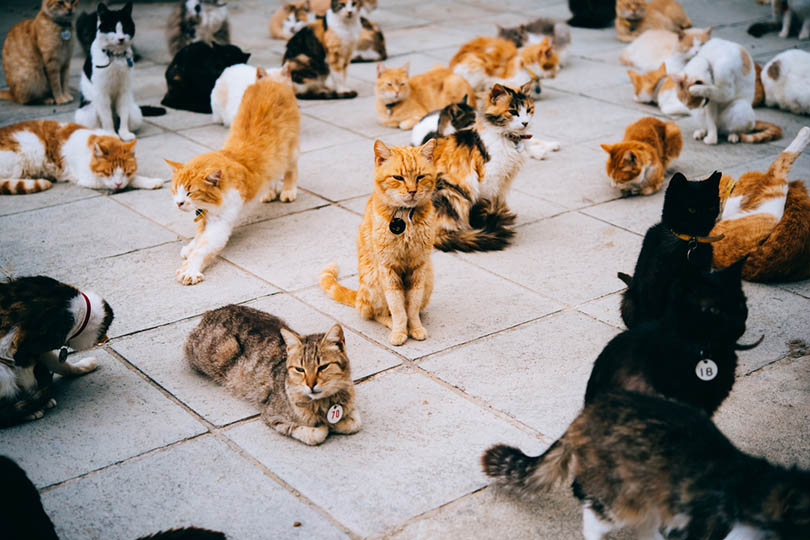
“Like herding cats” is a relatively new idiom that likely began in the 1980s, when the Oregon State Lottery had a commercial in which cowboys attempted to herd cats. The phrase caught on, and people often use it to describe a difficult or impossible task.
5. A Cat Nap
- Origin: 19th century
A “cat nap” is a short sleep or nap that usually occurs during the day. It probably originated from people observing the many naps that cats take daily, and it likely started in the 19th century.
6. Not Enough Room to Swing a Cat
- Origin: 17th century
People use the “not enough room to swing a cat” idiom to describe a small, cramped space. Many believe that it started in the 17th century, when people used the word “cat” to describe a type of whip, likely the cat o’ nine tails, a short whip that is usually about 2 1/2 feet long.
7. When the Cat’s Away, the Mice Will Play
- Origin: 16th century
“When the cat’s away, the mice will play” is a common idiom that means people will take advantage of the absence of someone in charge. Many people use it to describe children, but you will also hear it frequently in the workplace and in other situations. Many people believe that it originated in the 16th century, when it was common for households to have a cat to keep mice and rats away. If the cat died or left the home, the mice would be more active in the house.
8. To Play Cat and Mouse
- Origin: 16th century
“To play cat and mouse” is an idiom that describes a situation in which one person is teasing or tormenting another, like when a cat toys with a mouse before killing it. It’s an older idiom that likely started in the 16th century.
9. Grinning like a Cheshire Cat
- Origin: 1865
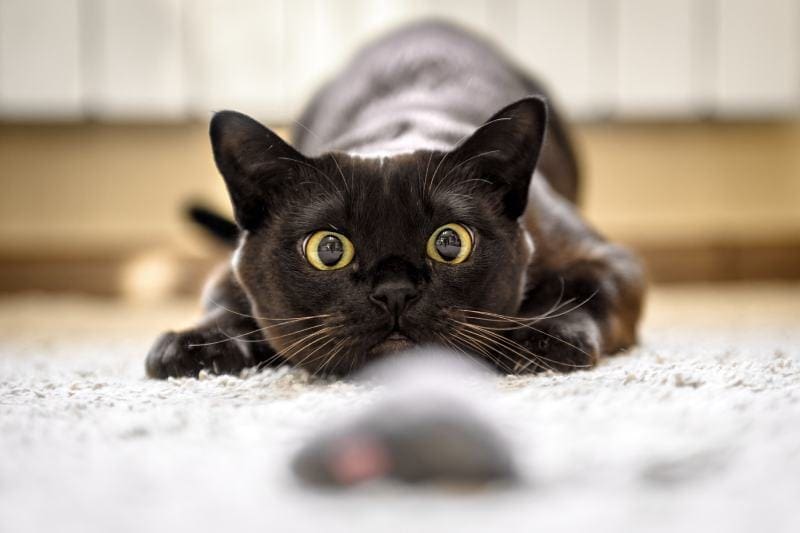
“Grinning like a Cheshire cat” is an idiom that means to have a broad and mischievous smile. It likely originated from Lewis Carroll’s “Alices Adventures in Wonderland.” In that story, a Cheshire cat is known for having a distinctively wide and mischievous grin.
10. A Scaredy-Cat
- Origin: 1920
A “scaredy cat” is someone who is easily frightened or timid. It likely originated from a cat’s natural behavior of running off at the first sign of danger. It likely started in the United States during the 1920s and combined the colloquial term “scaredy,” meaning scared, with the word “cat.”
11. Cat’s Got Your Tongue
- Origin: Unknown
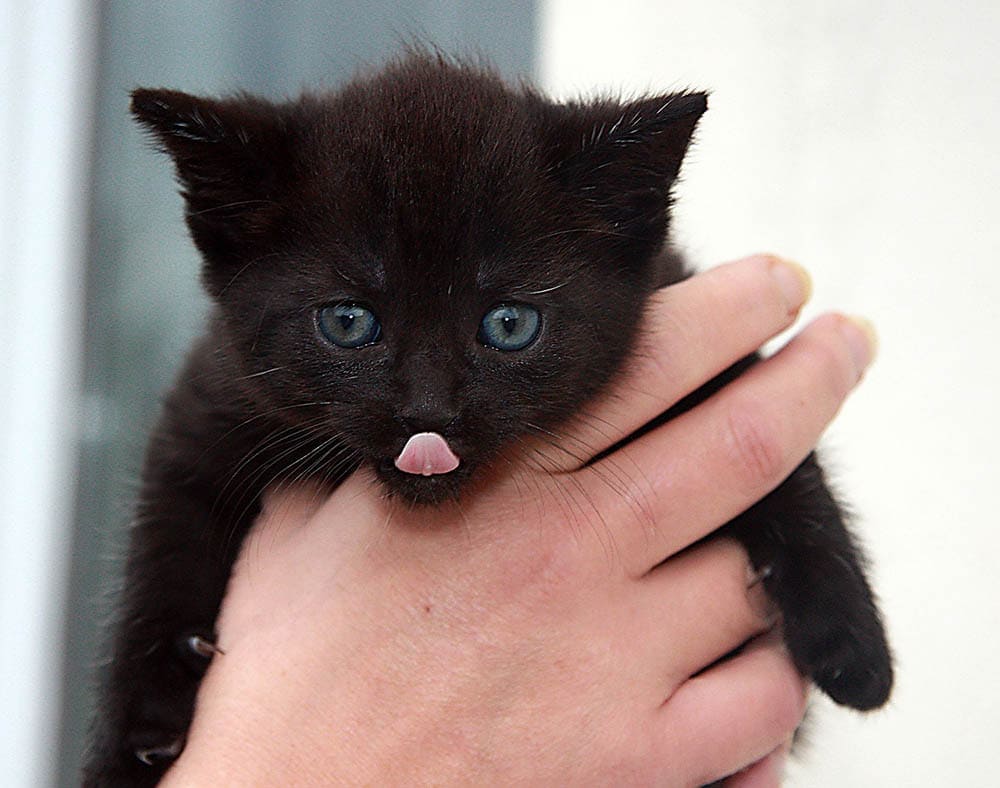
“Cat’s got your tongue” is an idiom we use when someone is at a loss for words or cannot speak. No one is sure where the phrase comes from, but one theory suggests that it originated in ancient Egypt, where they would cut out liars’ tongues and fed them to cats. It might also refer to the practice of whipping sailors with a cat o’ nine tails when caught swearing or speaking out of turn.

Conclusion
Cats have made their way into our language and culture in many ways. From idioms about their natural behaviors to references in literature and popular culture, they continue to fascinate us. By understanding the origins of these idioms and sayings, we can appreciate the history behind the words that we use and our long-standing friendship with these animals.
See also:
Featured Image Credit: You are free to use this image but we do require you to link back to Hepper.com for credit
Get Hepper In Your Inbox


Pet care tips from our vets and experts, straight to your inbox.
You may opt-out at any time. View our Privacy Policy for more information.
Ed Malaker is a veteran writer who has contributed to a wide range of blogs that cover pets, tools, guitars, fitness, and computer programming. When he’s not writing, Ed is usually performing DIY projects around the house or working in the garden. He’s also a musician and spends a lot of time helping people fix their guitars and composing music for independent films.
Join the conversation
Ask a question, share your story, or send private feedback.