Hepper is reader-supported. When you buy via links on our site, we may earn an affiliate commission at no cost to you. Learn more.
Why Teenagers Are Like Cats: 15 Striking Similarities


Parents often speak of the terrible twos and the challenges of raising toddlers. Those with teenagers will tell you that it’s just a warm-up for what’s in store when their kids become a bit older. However, cat owners can relate.
Adolescence is a time of extremes. Life could be moving along smoothly until a crisis emerges when a cat is startled by the new sofa you bought. It’s the same with teens when you decide on new house rules. Believe it or not, cats and teenagers are more alike than you may think.

The 15 Similarities Between Cats and Teenagers
1. They Sleep a Lot
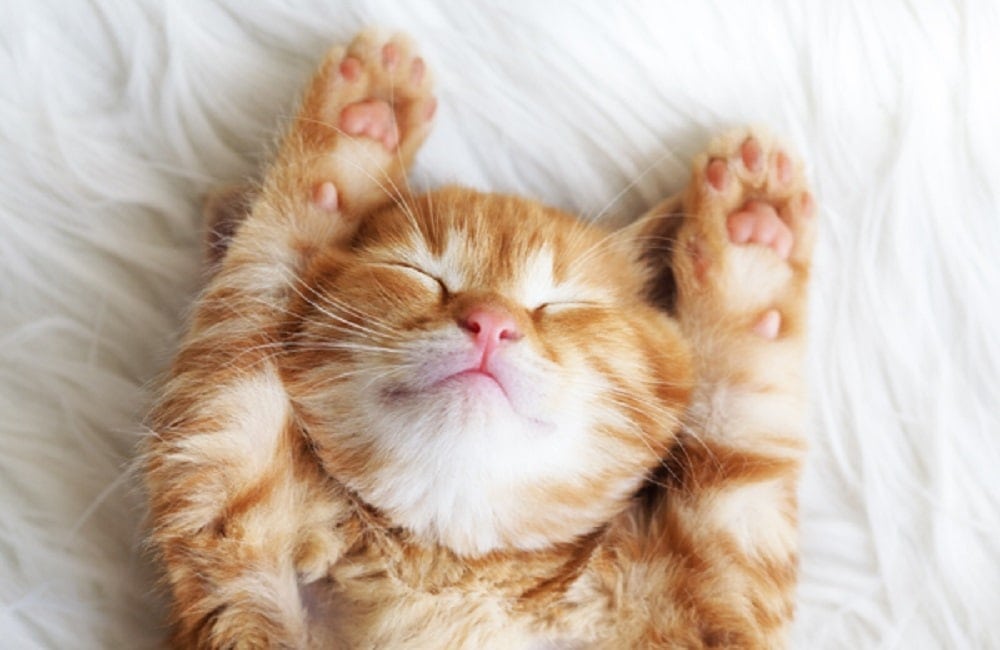
One of the things people often associate with cats is their excess amount of sleep. Adult cats may grab 16 hours or more of shut-eye daily. It’s not all deep sleep, either. We call them cat naps for a good reason. Teens aren’t far behind, needing 9–9.5 hours. Rest supports the growth and development they are experiencing—they’re not just being lazy. Now if only our parents knew that when we were teens!
2. They Are Picky Eaters
Felines are picky eaters because they’re obligate carnivores. Animal-based proteins are their primary food. They’re also in touch with their wild side, which also affects their behavior. On the other hand, teenagers are just picky eaters because that’s what they are. Remember that these kids are trying to find their places in the world. Sometimes, it comes through as fussy about what they consume.
3. Looking Good Is Essential
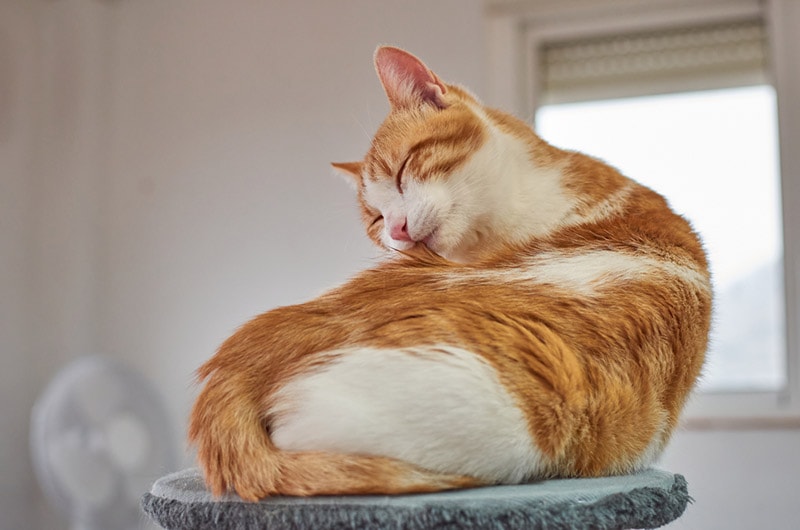
Cats spend a lot of time self-grooming, probably more than any other animal. It’s also a way for them to bond with their conspecifics. It works similarly with adolescents. They want to look their best and worry about their appearance regularly. Their changing bodies are often a source of angst. Remember that they are also reaching sexual maturity, a strong reason for this behavior.
4. Both Can Be Sneaky
Felines are often the epitome of stealth. Just when you turn your back, your pet is counter-surfing or getting into some other mischief. It’s not unlike teens sneaking out of the house at night or taking off in their parents’ car. Testing their boundaries is a part of growing up.
5. They Hide
Cats excel in hiding. They may find the strangest places to sleep because it makes them feel secure. They also do it when they’re not feeling well and potentially vulnerable to threats. Teenagers hide out in their rooms for many of the same reasons. The confusion accompanying the transition into adulthood can cause some kids to seek security and privacy away from their parents’ observation.
6. They Don't Come When You Call Them
Research has shown that cats do indeed know their names. They recognize the voices of household members. Yet, that doesn’t mean they’ll come when you call them. You’re more likely to experience the opposite, with your pet giving you a blank stare and maybe even looking away from you. Teens tend to have selective hearing that can tune out the sound of their names or their parents’ voices, and we think most parents would agree.
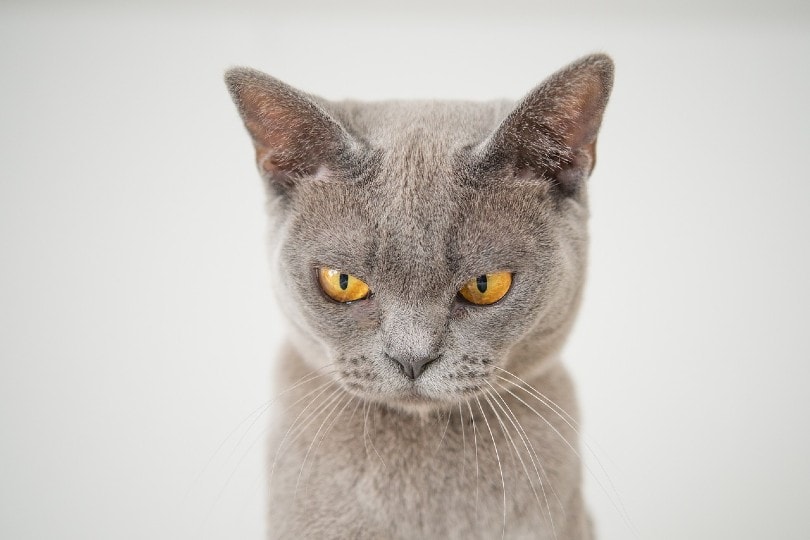
7. Cats and Teenagers Can Take a Toll on Your Belongings
Cats and teenagers may destroy your stuff but for different reasons. Felines don’t purposely tear up your furniture and carpets. Instinct makes them do it to mark their territories and avoid conflicts with would-be interlopers. However, teens might drive their Dad’s car to show off to their friends. A lack of knowledge and experience often is what gets them in trouble—at your expense!
8. Ulterior Motives Rule
Sometimes, teens think they’re being clever when they’re trying to get something. They might be ornery and anti-social—until they need something. Teens might be getting in touch with their inner cats. Research has shown that our cats prefer freeloading as opposed to working for a treat. That’s contrary to typical feline behavior and probably a product of domestication. After all, cats are intelligent.
9. They Are Independent
Cats are fiercely independent, especially if not handled or socialized as kittens. That doesn’t mean behavioral conditioning isn’t possible. Let’s just say you’ll have a challenge on your hands. Teenagers are in the same boat. They’re flexing their muscles, sometimes inappropriately, as they prepare to enter the adult world. We can chalk both up to evolution.

10. Both Can Act Weird
Cats and teenagers can irritate their owners or parents with their weird behavior. A pet might suddenly yowl and race around a room for no apparent reason. A teen may show extreme mood changes. We can’t vouch for what’s going on in your cat’s mind, but hormones are often the culprit with teens. The only thing we can say for sure is to fasten your seatbelts. The teenage years will be a bumpy ride.
11. They Are Night Owls
Cats have a reason to be night owls. That’s when their prey is usually active. Teenagers might find the allure of night irresistible. It’s mysterious and is probably a rush. It’s no wonder that many municipalities have curfews. You can look at it as another way to stretch their wings and push the envelope. Many kids like the privacy nighttime might afford.
12. They Can Turn on a Dime
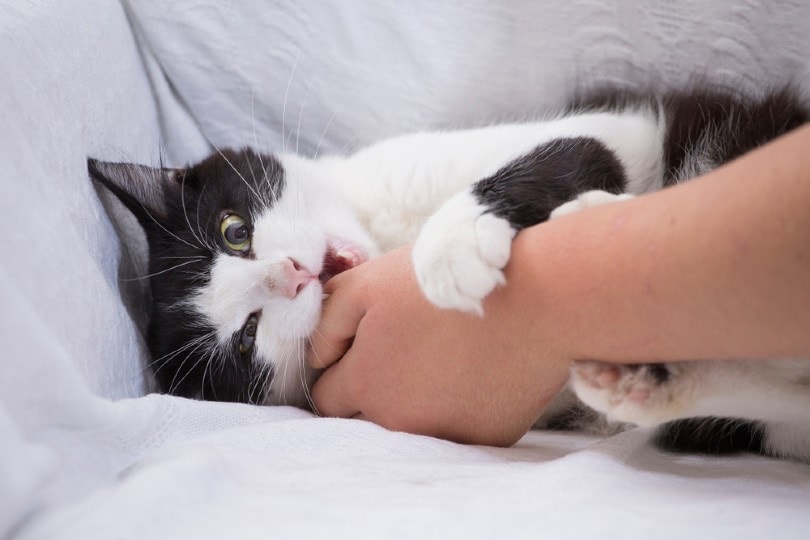
Cat owners will relate to this next scenario. You’re cuddling with your kitty on the couch, and all seems well until your pet turns around and bites you. That’s because felines prefer short bursts of attention. When they’re done, they’re done. Teens typically experience mood swings because of hormonal changes. They may also lack the experience to view matters rationally.
13. Cats Have Nine Lives
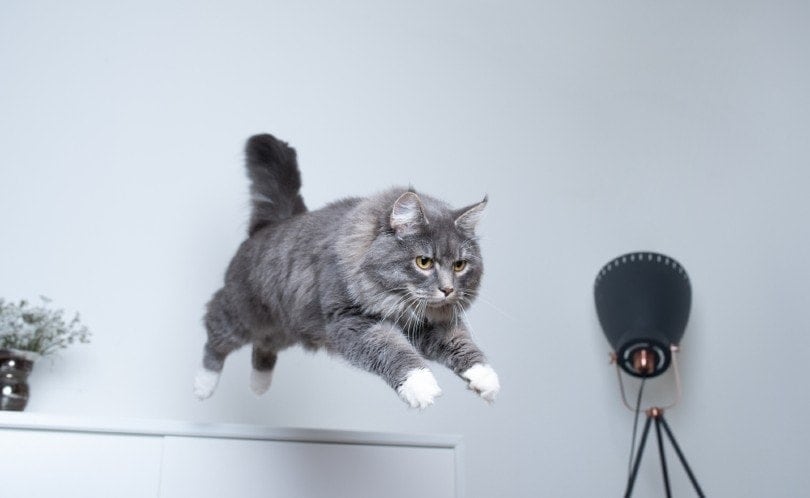
A common adage is that cats have nine lives. They survive situations that would end less favorably for other animals. They may do strange or seemingly dangerous things, like jumping on bookcases or climbing trees. Teens may not have the same quantity of life’s daring escapes, but they sure act like they do. Teens 16–19 years old have 300% more fatal crashes per mile than other age groups.
14. Boredom Is Bad for Either One
A bored cat is an accident waiting to happen. Felines have a penchant for finding trouble. The same thing applies to teenagers. It’s part of testing boundaries and just entertaining themselves. If it gets under their parents’ skin, all the better. Again, evolution and biology are at play. Teens can’t take the next step in life without mixing it up, much to their parents’ chagrin.
15. We Can't Help but Love Them
At the end of the day, we must come to this fitting conclusion. We can’t help but love our cats and teens, no matter how much they frustrate us and make our blood boil. Take consolation in that nature is pulling the strings in some cases. The lessons learned are meant for you and them. Your teenager may act like a peevish feline now, but it, too, will pass.


Conclusion
Cats and teenagers are surprisingly alike in many shared behaviors. Some are an inevitable part of growing up and finding one’s way; others have deep evolutionary roots. Despite the challenges, we will always cherish our children and feline companions. The joy they bring to our lives is priceless.
Related Read: How to Help Cats & Children Bond: 12 Expert Tips
Sources
https://thesleepdoctor.com/animal-sleep-habits/how-much-do-cats-sleep/
https://www.discovermagazine.com/planet-earth/yes-cats-probably-know-their-names
https://www.oahs.org/pdf/Behavior/Cat/Declawing/Whyscratch.pdf
https://link.springer.com/article/10.1007/s10071-021-01530-3
https://www.iihs.org/topics/fatality-statistics/detail/teenagers
Featured Image Credit: Africa Studio, Shutterstock
Get Hepper In Your Inbox


Pet care tips from our vets and experts, straight to your inbox.
You may opt-out at any time. View our Privacy Policy for more information.
Ed Malaker is a veteran writer who has contributed to a wide range of blogs that cover pets, tools, guitars, fitness, and computer programming. When he’s not writing, Ed is usually performing DIY projects around the house or working in the garden. He’s also a musician and spends a lot of time helping people fix their guitars and composing music for independent films.
Join the conversation
Ask a question, share your story, or send private feedback.