Hepper is reader-supported. When you buy via links on our site, we may earn an affiliate commission at no cost to you. Learn more.
Do Dogs Feel Sad? Canine Emotions & Depression Explained

In this article
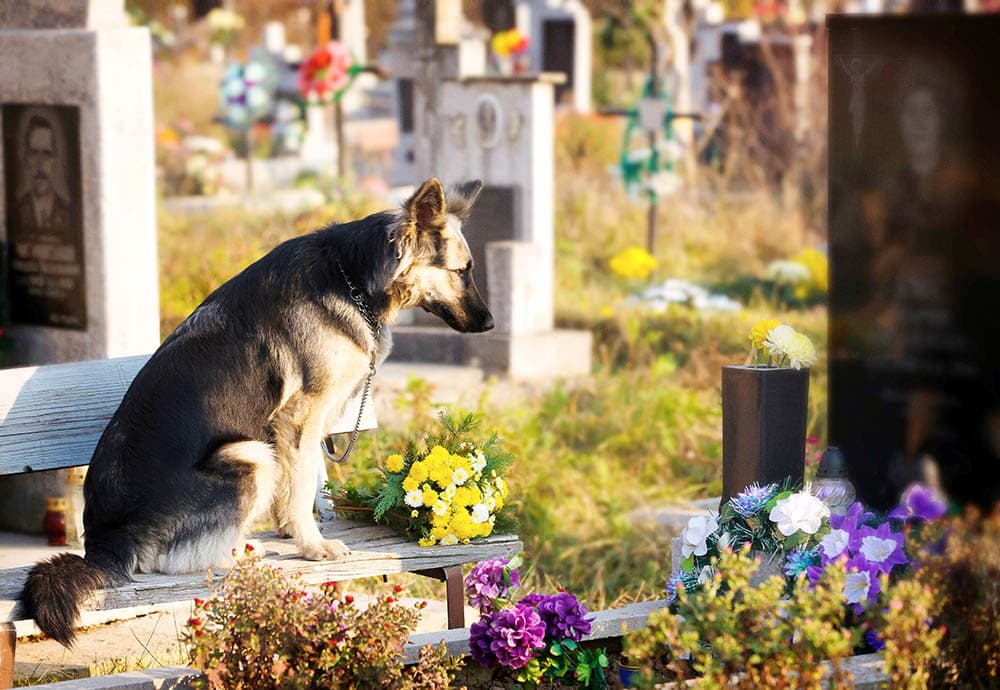
Dogs are exceptionally intelligent, social, and intuitive animals. Many people inappropriately attribute human emotions to their dogs, though. It can be difficult to determine how dogs feel since they can’t verbalize their feelings to us. This often leaves us trying to guess how our dogs are feeling. Without understanding the emotions that our dogs are capable of feeling, we can’t successfully support our dogs’ emotional needs.
If you’ve ever wondered if your dog can feel sadness, here’s everything you need to know. The short answer is yes, dogs can feel sad. Keep reading to learn more!

Do Dogs Feel Sad?
Dogs are absolutely capable of feeling sad. Your dog can become sad based on how different situations impact them, including their ability to pick up on how you’re feeling. When you’re sad, your dog may also seem to be sad. Your dog may also seem sad if something unpleasant has happened to them, like losing a companion or getting in trouble for breaking the rules.
It’s important to keep our dog’s emotions in mind, especially when it comes to training. Dogs are sensitive animals that can become sad if they realize they’ve disappointed you. This is why positive reinforcement is often recommended as a training technique. It supports your dog’s successes and doesn’t put a heavy focus on their failures in the training environment.

Can Dogs Become Depressed?
Not only can dogs feel sadness, but they can also experience depression. This is common for dogs that have lost an animal or human companion, those experiencing illness, or those going through significant changes within their home environment, like a new baby or a move.
Dogs that are depressed may experience a variety of symptoms, including low energy, excessive sleepiness, poor appetite, aggression, abnormal vocalizations, and spending time in unusual spots within the home. It’s important to have your dog seen by a vet when they exhibit these symptoms. While they can indicate your dog is depressed, they can also be indicative of physiological illnesses and age-related mental changes, like Canine Cognitive Dysfunction Syndrome.

Tips to Support Your Dog’s Mental Health
If your dog is experiencing depression or you simply want to prevent sadness and depression for your dog, there are a variety of things you can do to help support your dog’s mental health needs. If your dog is good with other animals, a play date or new companion may help to ease their mood. Keep in mind, though, that there is an adjustment period for dogs when introduced to a new friend.
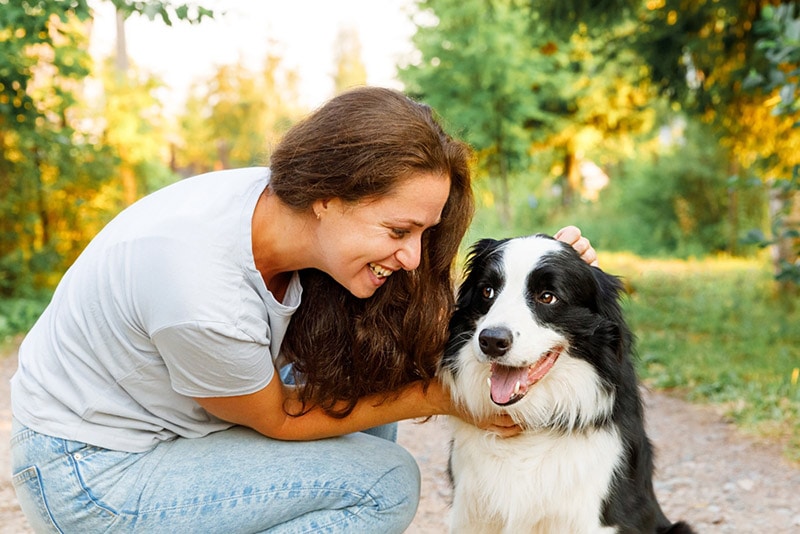
Find ways to increase your dog’s activity level and spend more one-on-one time with your dog. By introducing new toys, puzzles, games, and training exercises, you can help to lift your dog’s mood and encourage their confidence level. Sometimes, your dog may just need more time spent with you, whether it’s extra playtime, a walk, or a little bit of cuddle time before you leave for work in the morning.
Another way to support your dog’s mental health is to ensure they are eating and practicing positive reinforcement of desirable behaviors. In severe cases of depression, your dog may need medication to help them through the adjustment period they are experiencing. There are multiple medications on the market that your vet can help you get your dog started on if needed to provide extra support.

Conclusion
Dogs are sensitive animals that are perfectly capable of experiencing sadness and depression. The good news is that most dogs make significant improvements with added support from their human family members. Just a few extra minutes of your time every day can make a significant difference in your dog’s mental health. Just like humans, dogs need mental health support when experiencing loss, sadness, grief, and change.
Sources
Featured Image Credit: Dima Berlin, Shutterstock
Get Hepper In Your Inbox


Pet care tips from our vets and experts, straight to your inbox.
You may opt-out at any time. View our Privacy Policy for more information.

After nine years as a veterinary assistant, Brooke Billingsley transitioned to a career as a nurse in 2013. She lives in Arkansas with her boyfriend, sharing their home with three dogs, two cats, five fish, and two snails. A dedicated animal lover, Brooke has a special place in her heart for special needs pets, including a three-legged senior dog and a famous cat with acromegaly and cerebellar hypoplasia. Fish keeping is one of her hobbies, and she is constantly improving her knowledge to care for her aquarium pets. Brooke is an active yoga enthusiast, having obtained her 200-hour yoga teacher certification in 2020. She believes in the importance of continuous learning and dedicates time each day to developing new skills and expanding her knowledge.
Join the conversation
Ask a question, share your story, or send private feedback.