Hepper is reader-supported. When you buy via links on our site, we may earn an affiliate commission at no cost to you. Learn more.
How Long Do Dogs Grieve the Loss of Their Owner? What Science Says & Support Tips
In this article
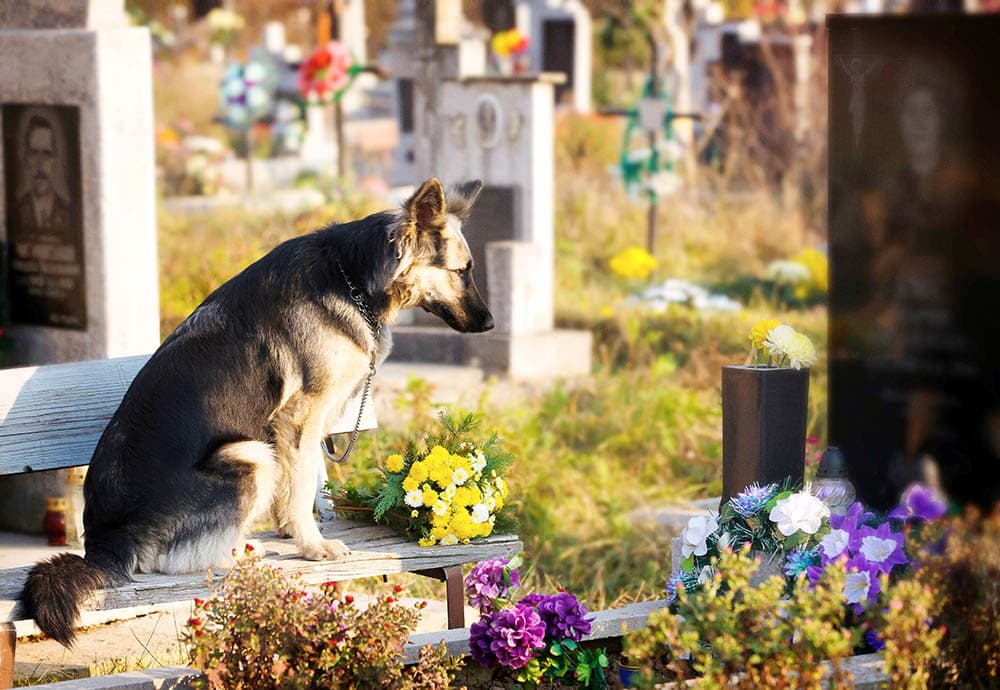
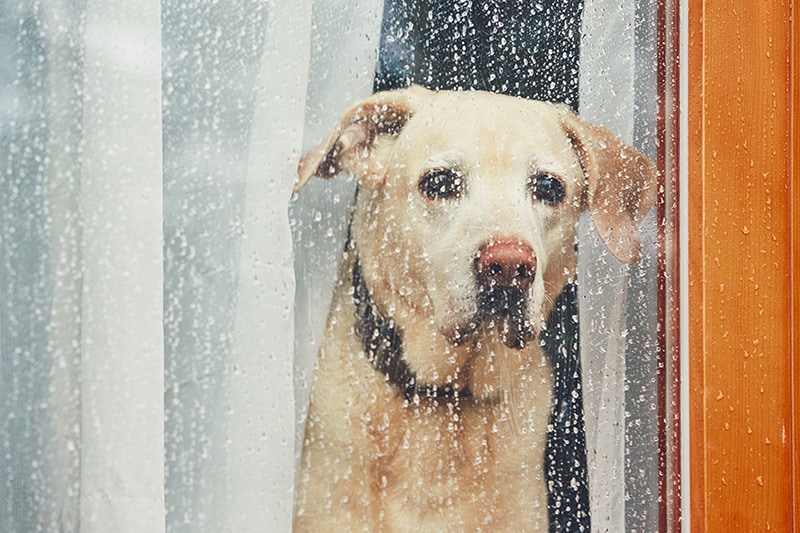
The loss of a loved one can be an exceptionally difficult time for everyone in the family, and pets are no exception to that. Dogs in particular tend to be very in tune with the emotions of the people around them. They also tend to bond closely with the people in their home, so it should come as no surprise that many dogs take it really hard when a family member passes. A dog’s grieving can last for weeks or months. In some cases, it can even last multiple years. Let’s talk about the grief that dogs experience after they lose their owner.

Why Dogs Grieve
Dogs are emotionally intelligent animals that form close bonds with people and other animals. They are also notably impacted by shifts in the emotions of people in their environment. When a dog loses their owner, they will likely be anxious at first. After they realize their owner isn’t coming back, they will likely begin to grieve.
There’s no way for us to know exactly what dogs think or feel when they lose their owner, but many dogs show signs of grief, stress, and depression. Imaging studies of dogs’ brains have also shown that dogs experience similar brain activity to that of humans when experiencing emotions1.

Signs of Dog Grief
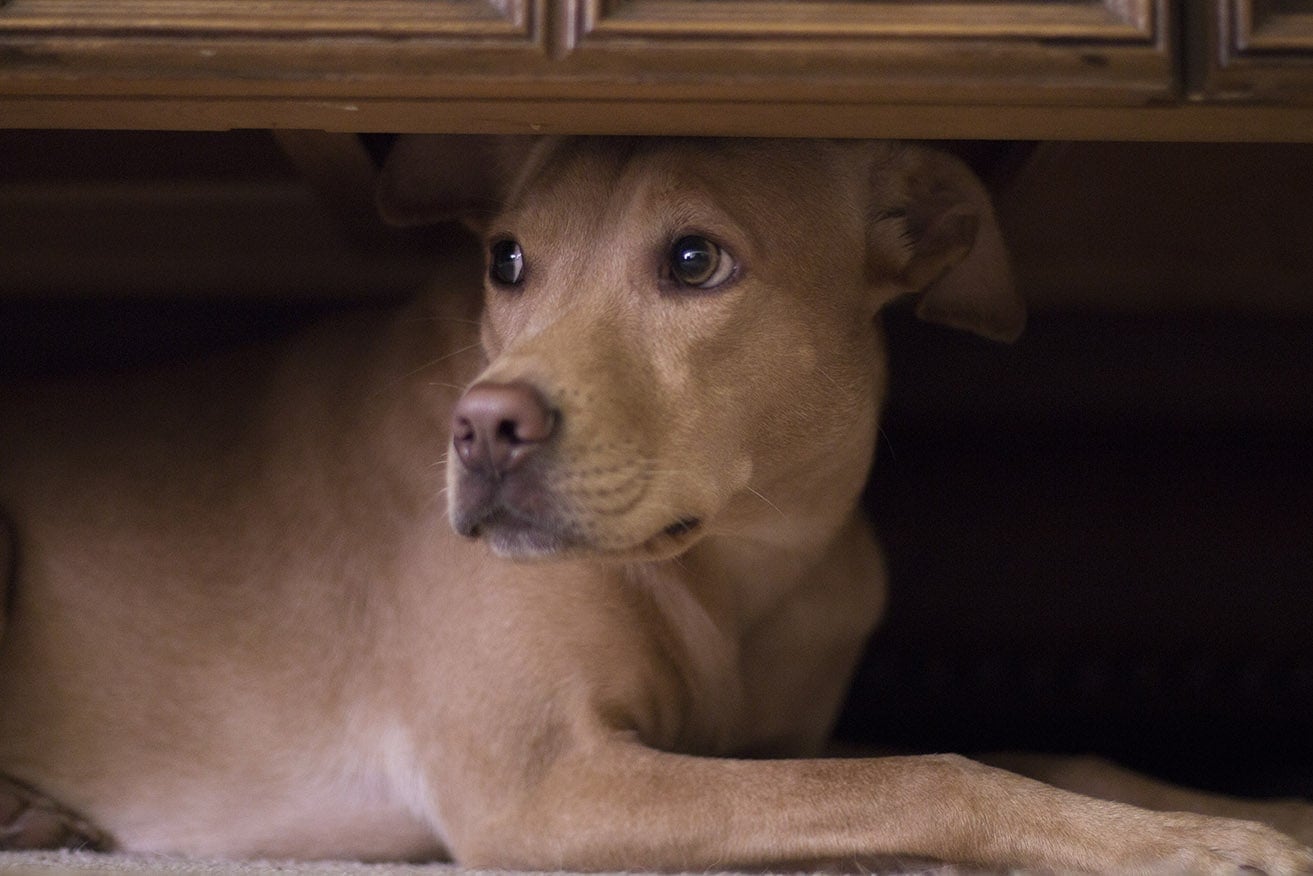
Just like with humans, the way each dog grieves is highly individualized and personal, so the signs may differ. Oftentimes, dogs experiencing grief will show signs of stress, like excessive panting, barking, pacing, whining, and fidgeting. Other dogs may slip into more lethargic and depressive behavior, clinginess, and even loss of appetite and weight loss.
If a dog begins to experience changes in their behavior, it is extremely important to get them checked by a vet. While dogs can show signs of grief, these can also indicate that a serious medical condition is present. It is also well-documented that emotional health can affect physical health. A vet visit will help rule out an underlying medical problem and allow you to find the best ways to support the grieving pup in your life.

How to Support a Grieving Dog
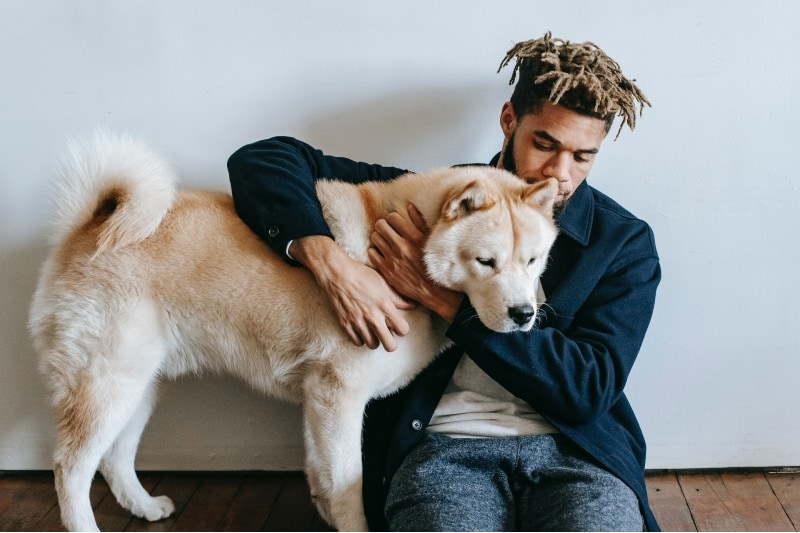
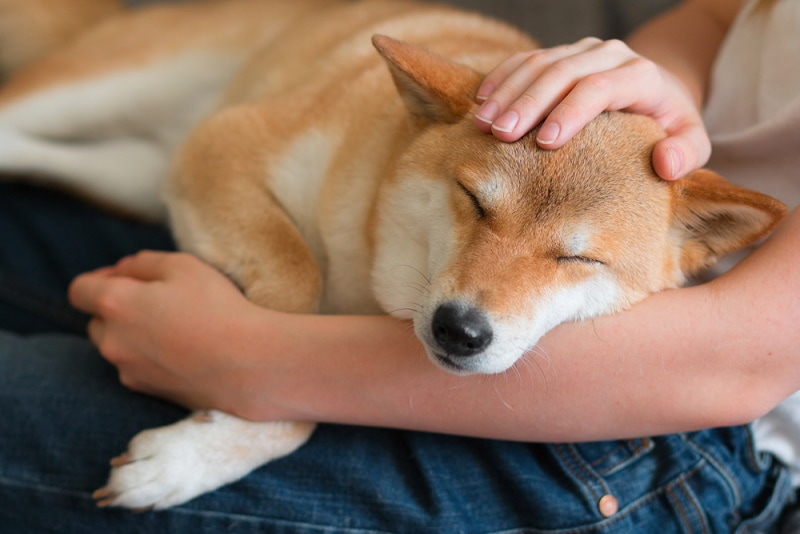
Although you can’t take away the grief of the dog, you can provide them with comfort and emotional support during their grieving process.
Here are a few ways you can provide support:

Final Thoughts
The grieving process for a dog is just as variable as the grieving process for humans, so a dog’s response to the loss of their owner may surprise you. You should be prepared for a grieving process that can last for weeks. Most dogs seem to process their grief in a couple of months, but that isn’t always the case. Make sure to take the dog to the vet to rule out a medical issue when they begin to show signs of grieving, but also be prepared to provide the dog with lots of love and support throughout this difficult time.
Related Read: Does My Dog Miss Me When I Go On Vacation?
Featured Image Credit: Jaromir Chalabala, Shutterstock
Get Hepper In Your Inbox


Pet care tips from our vets and experts, straight to your inbox.
You may opt-out at any time. View our Privacy Policy for more information.

After nine years as a veterinary assistant, Brooke Billingsley transitioned to a career as a nurse in 2013. She lives in Arkansas with her boyfriend, sharing their home with three dogs, two cats, five fish, and two snails. A dedicated animal lover, Brooke has a special place in her heart for special needs pets, including a three-legged senior dog and a famous cat with acromegaly and cerebellar hypoplasia. Fish keeping is one of her hobbies, and she is constantly improving her knowledge to care for her aquarium pets. Brooke is an active yoga enthusiast, having obtained her 200-hour yoga teacher certification in 2020. She believes in the importance of continuous learning and dedicates time each day to developing new skills and expanding her knowledge.
Join the conversation
Ask a question, share your story, or send private feedback.