Hepper is reader-supported. When you buy via links on our site, we may earn an affiliate commission at no cost to you. Learn more.
Depression in Dogs (Vet Answer): Signs, Causes & Treatments

In this article
Depression is something that is well recognized in humans, but what about dogs? Do they suffer from depression too? It can certainly seem that way at times, with many dogs going through periods where they seem out of sorts. Dogs can’t communicate as we can though, so it can be hard to know for sure what is going on and whether they are depressed. We certainly know that pets can get down in the dumps and act out of character, and there can be many triggers for this which we’ll explore further.

Signs of Depression in Dogs and Other Behavioral Issues
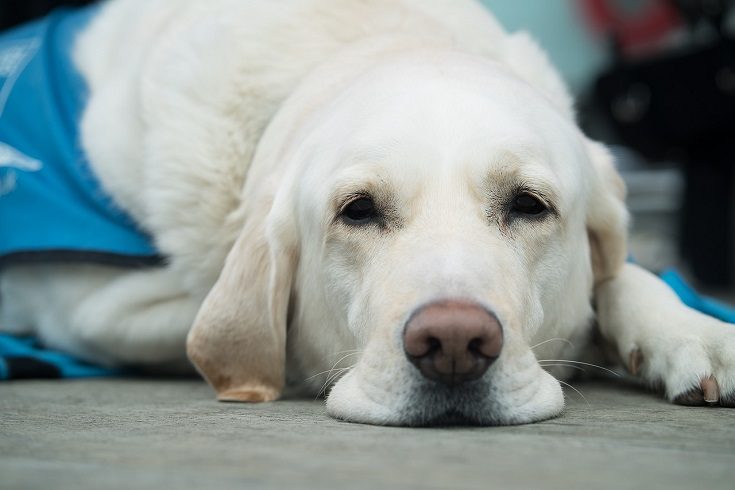
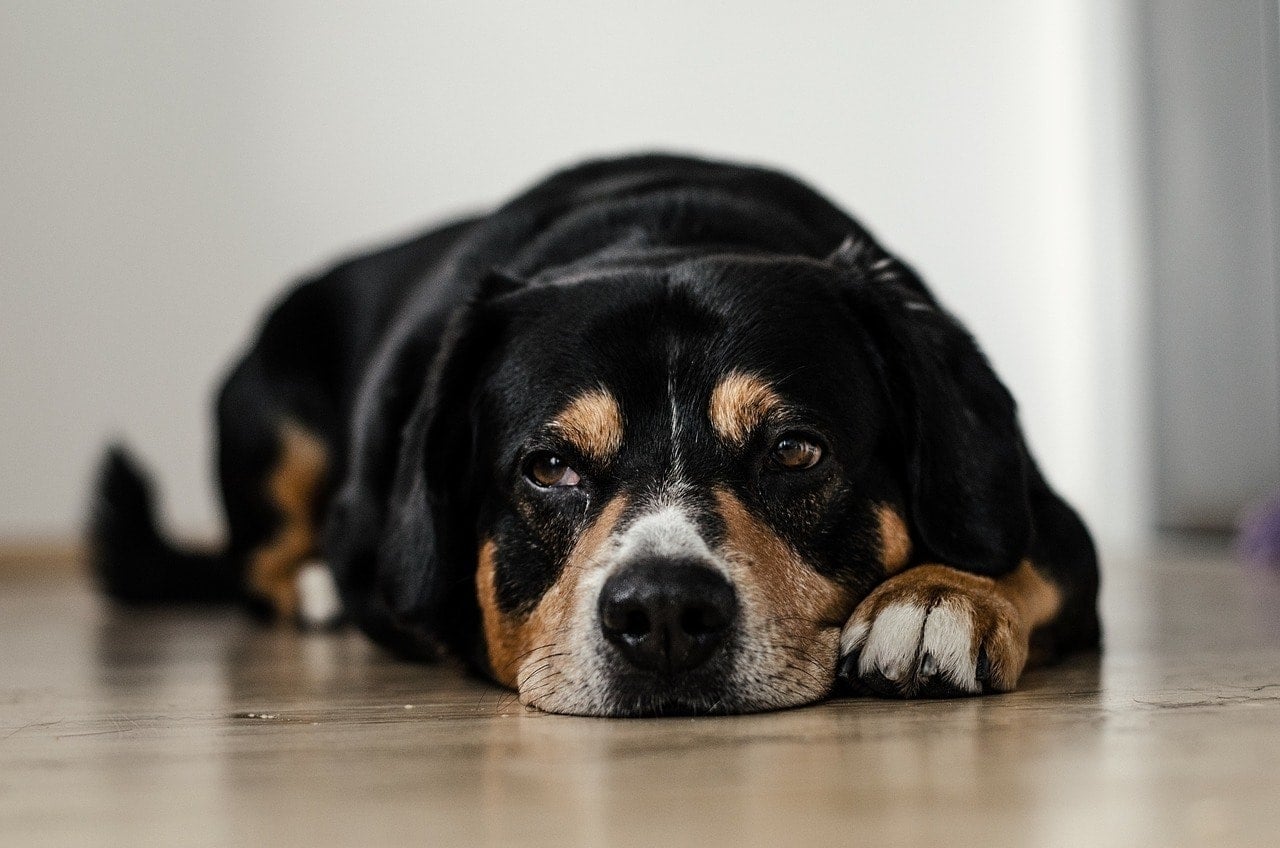
Signs of depression in dogs can be very similar to what we see in humans. Many symptoms also overlap with those seen in anxiety conditions.
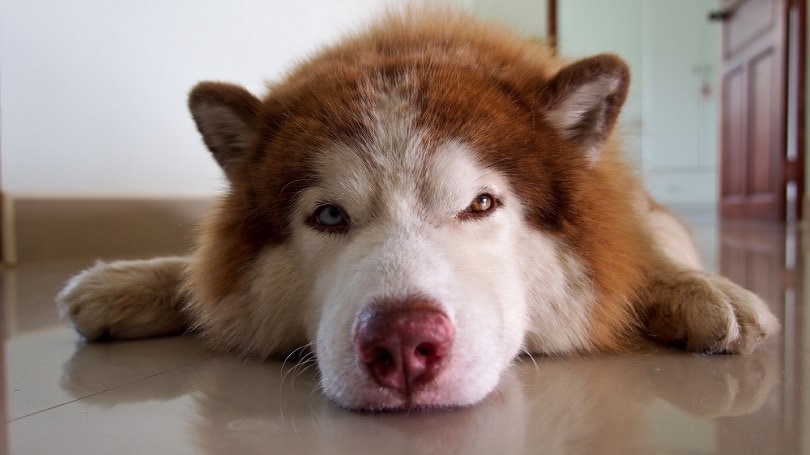
- Becoming withdrawn and subdued: Your dog may seem quieter than normal or not have as much enthusiasm for things he used to enjoy.
- Changes in appetite: Some dogs may go off their food, or become pickier and fussier than normal.
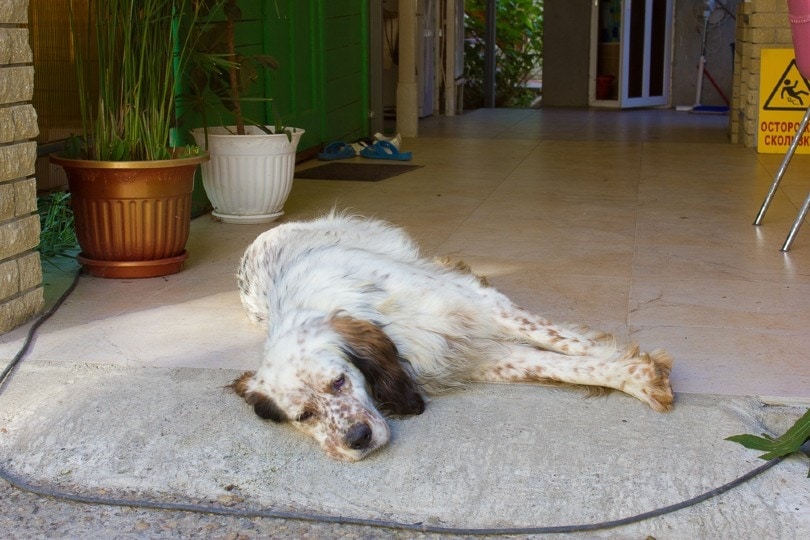
- Changes in sleep: Your dog may be sleeping much more than normal, or may alternatively have broken sleep and seem more unsettled than normal.
- Changes in exercise: They may not want to go for walks, or might be lacking in energy and not wanting to play.
- Aggression: In some cases, your dog may lash out or show signs of aggression.
- Excessive grooming: Some dogs may lick or chew their paws as a way of self-soothing. However, this can be seen with skin allergies too.
In most cases these signs are not long-term—many dogs bounce back after relatively short periods of depression, perhaps lasting just days. Occasionally though, dogs may take a few weeks or months to get back to normal, depending on what has caused their change in mood.
Possible Causes of Depression in Dogs
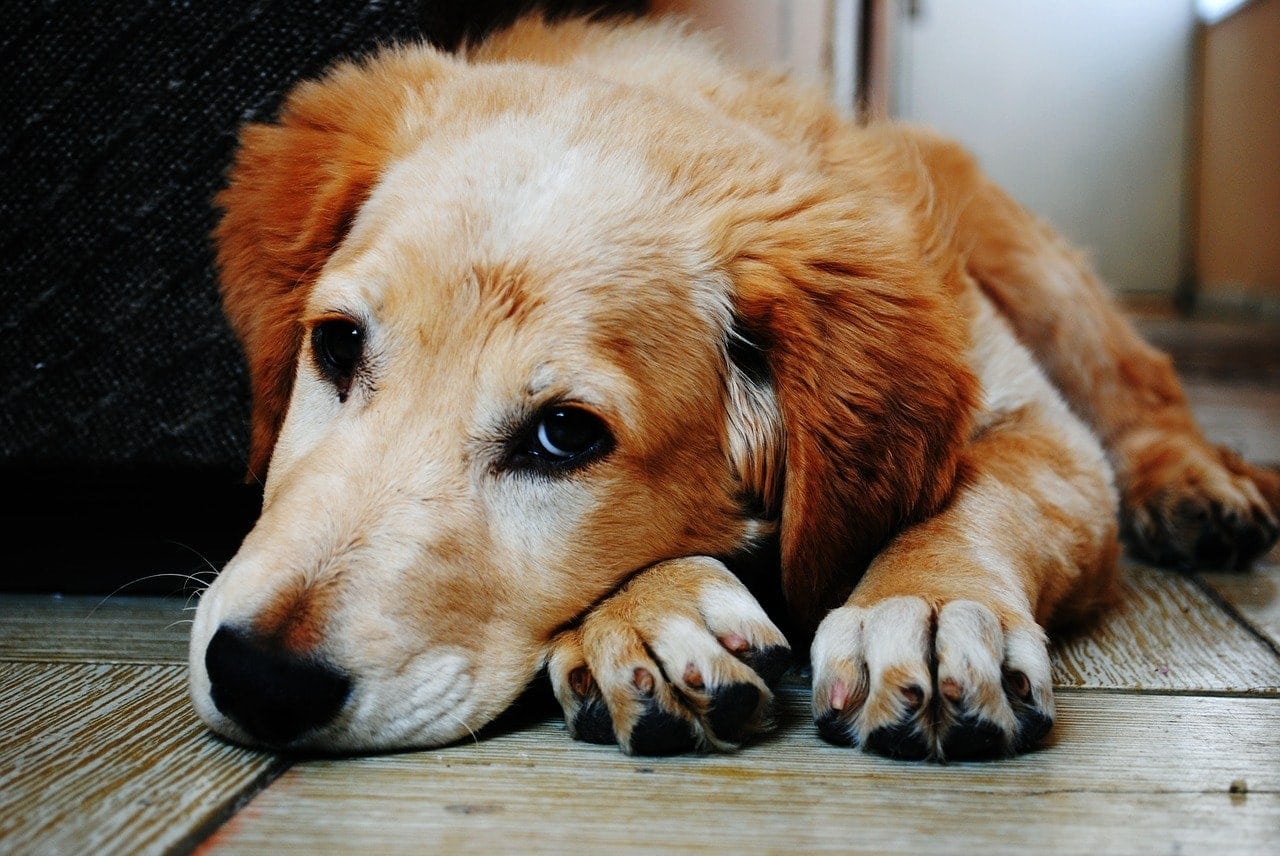
In most cases, there is a trigger that causes a dog’s behavior to change. The following are some of the most common causes of depression in dogs.
Boredom
Lack of mental stimulation can cause dogs to become depressed. Some dogs may vent their frustrations, becoming destructive in the house or vocalizing more than usual. Other dogs may become lethargic and disengaged. This can especially be seen in working breeds of dog that naturally need to be kept busy and require more exercise.
Moving House
The change in environment and territory can put some dogs off of their stride for a while. It can also be quite stressful moving house, and some dogs don’t deal well with all the changes involved.
A New Baby or Family Member
Dogs may feel put out by a new member of the family arriving, creating a change in the dynamics of their ‘pack’. New babies add extra noise, and attention is naturally diverted away from your dog during this transition period, which some dogs can struggle with.
A Death in the Family
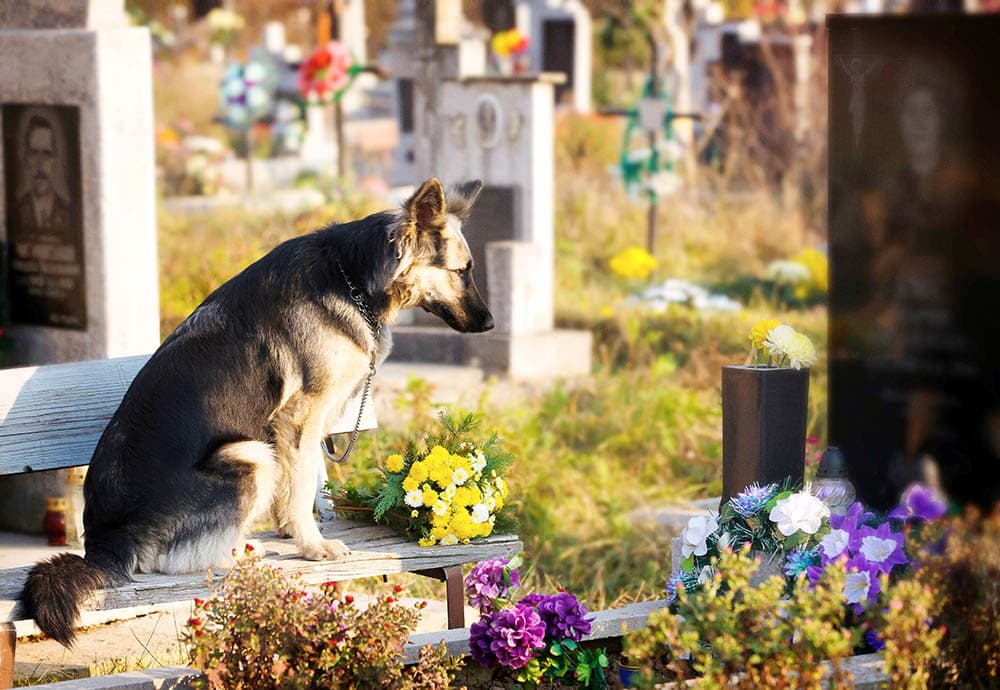
The death of a family member or fellow pet can cause some dogs to ‘pine’. They can’t understand where their loved one has gone and can become stressed and sad, particularly if they are very attuned to the emotions that the rest of the family are displaying. They can pick up on the general vibe of the household and will feel down too. However, they will eventually come to terms with things and get used to their new normal.

Changes in Routine
Changes in routine can occur with any of the above, but also if their owner starts a new job with different working hours, or when the children go back to school after the summer holidays, for example. Separation anxiety is something that can become apparent if a dog is left on his own for longer periods than he is used to. Signs like destructive behaviors, inappropriate toileting, and howling, as well as low mood, can be seen when a dog isn’t used to being alone.
Physical Illness
Some animals may become depressed because of their illness. For example, a dog that is put on strict cage rest for a fractured leg or recovery post-surgery may become depressed. Not being able to do the things they normally enjoy, like walking or chasing balls, can make some animals feel down.
Fear
Animals that are scared can show signs of depression. Fireworks and thunderstorms are common phobias for many dogs, but others may exist too.
Changes in the Weather
Some dogs can feel a bit low during the winter months. Dark nights and cold wet weather may mean fewer walks and time outdoors, which can make some dogs feel a bit blue. Try making indoor obstacle courses in the house or teaching him new tricks to keep busy.

Depression in Dogs: A Trip to the Vet?
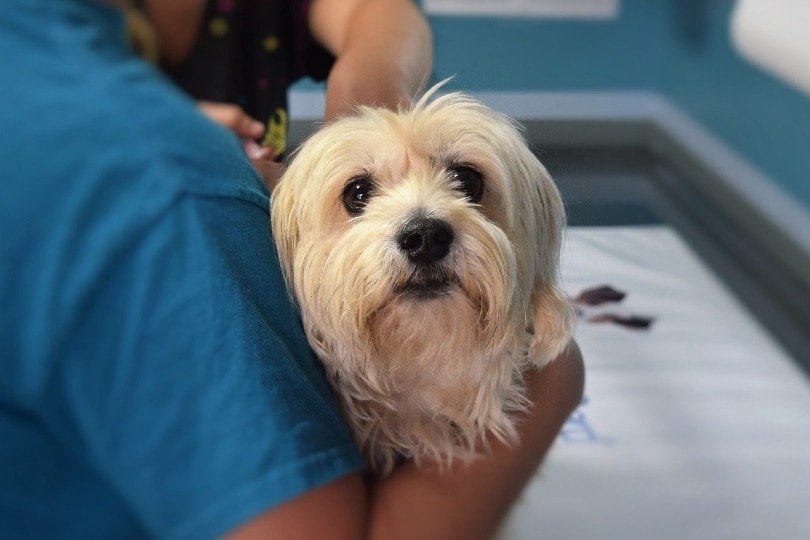
Symptoms of depression can be very similar to signs of ill-health in dogs, so it can be difficult to differentiate between the two. For example, being off their food could be a sign of dental or abdominal pain, as well as depression. Before assuming your dog is suffering from depression you should get them checked out by a veterinarian.
Your veterinarian will perform a physical examination to assess your dog for issues such as dental disease, dehydration, or a high temperature. In some dogs, arthritic pain could cause them to become more lethargic or grumpier than usual. Your vet may suggest a trial course of pain relief medication to see if this improves their demeanor. They also may recommend a blood test to try and rule out any underlying causes of disease.
But if your veterinarian is unable to find anything obvious, they may just suggest you keep an eye on your pet and give them lots of extra fuss and attention, particularly if there is an obvious trigger like a death in the family or a recent house move.
Depression Treatment Options
Medications are not routinely used in dogs that are showing symptoms of depression. In most cases, the signs will naturally improve over a course of days to weeks. If an examination from your veterinarian reveals other issues these may require specific treatment, such as painkillers for arthritis or dental surgery for oral issues. Ensuring you treat any underlying conditions as advised will help improve your dog’s mood.
Calming Pheromone Products
In some cases calming pheromone products can be helpful, especially in stressful situations. Natural appeasing pheromones are available in plug-in diffusers or sprays to spritz on bedding. Other calming supplements are also available that can help dogs to cope with things like house moves or new family members a bit more easily.
Do the Things He Enjoys
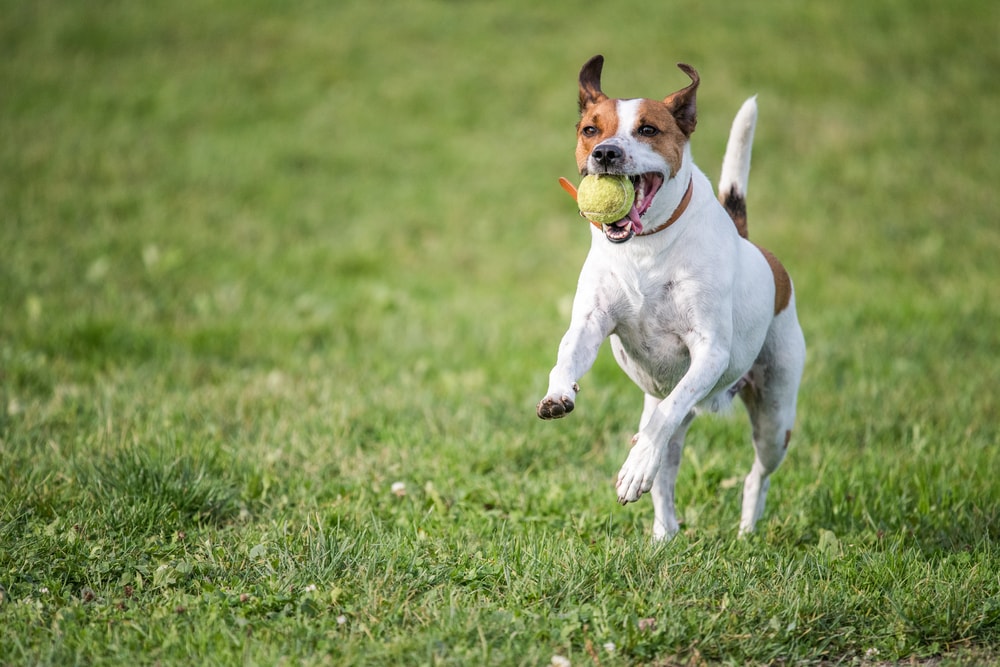
One of the best treatments for dog depression is to continue doing the things he enjoys and keeping to his normal routine as much as possible. Plenty of walks are a good idea if he is feeling up to them, or playing ball games if that is what he loves best. This will help take his mind off the other things that are causing him stress and worry. Be careful not to give him too many treats or tidbits to cheer him up though, as your dog may view this as a reward for his negative behaviors.
Medication in Very Specific Cases
Very occasionally medication such as antidepressants (like Prozac) are recommended, usually while under the care of a dog behaviorist, but these shouldn’t be seen as the answer. Medication is not a quick or easy fix. It is usually used alongside behavioral training and reserved for specific ongoing cases. Your veterinarian may be able to advise you further on this.

How to Avoid Depression in Dogs
It is impossible to avoid big life changes and triggers for depression altogether, but you can help steer your dog through them more comfortably. Dogs thrive on routine and regular exercise, so always try and make sure your dog is getting to go out for his walks. If it is hard to manage this because you are caring for a new baby or because you are grieving a loved one yourself, then consider getting a friend to come and help take your dog out or even employing a dog walker.
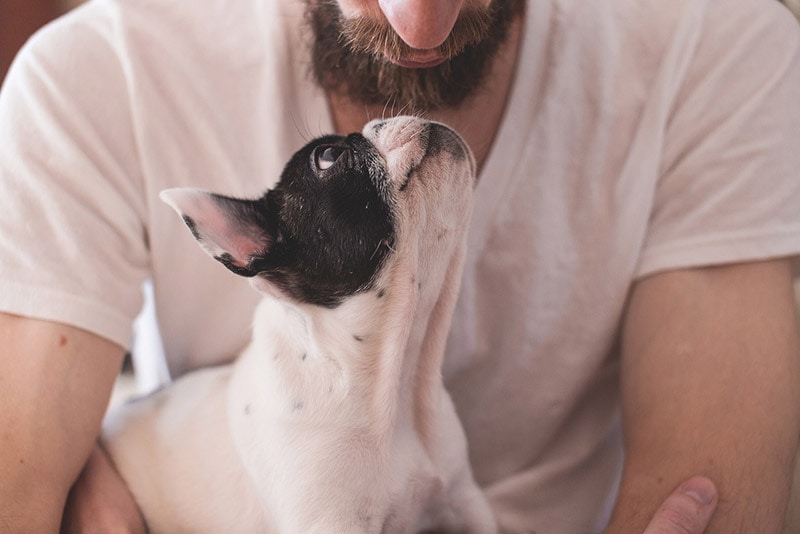
Plenty of positive attention should be given to your dog at stressful times as well. Try and play with them, groom them, or spend time cuddling/fussing them when you can. Lots of TLC and quality time will help improve your dog’s mood. Interactive puzzle toys and favorite walks may also help give them a boost and ward off depression.
Keeping your dog mentally stimulated and busy is a good idea generally. Things like agility or dog training classes are a great way of warding off low mood. Even socializing with other dog friends at the park can help.

Conclusion: Signs of Depression In Dogs
We do not know for certain whether dogs suffer from depression or not, but certain situations might make them seem a bit down or stressed. If your dog isn’t right then take them to a veterinarian to make sure there is not any other illness contributing to their symptoms. Give your dog plenty of cuddles, exercise, and positive interaction to help boost their mood. Most dogs will come around in their own time, and hopefully, in the meantime, some of the hints and tips in this article will help.
Check out some of our other top-trending 'Ask a Vet' posts:
Featured Image Credit: Pixabay
Get Hepper In Your Inbox


Pet care tips from our vets and experts, straight to your inbox.
You may opt-out at any time. View our Privacy Policy for more information.
Dr. Rebecca MacMillan, BVetMed MRCVS (Vet)
Rebecca is a companion animal vet who has always had a passion for writing and client communication. Since her graduation in 2009 from the Royal Veterinary college, she has gained an exceptional amount of experience in first opinion small animal practice, in both clinical and managerial roles. She currently deals with a variety of routine and emergency appointments, but particularly enjoys medicine cases. Outside of work and writing, she enjoys spending time with her family, including her bouncy flat-coated retriever, George!
Rebecca is a companion animal vet who has always had a passion for writing and client communication.
Education
Dr. Rebecca graduated from the Royal Veterinary College in London, UK, in 2009.
Experience
Since her graduation from RVC, she has gained a wealth of experience in first-opinion small animal practice, in both clinical and managerial roles. She currently works in the South West and deals with a variety of routine and emergency appointments, but particularly enjoys medicine cases. Outside of work and writing, she enjoys spending time with her family, including her bouncy flat-coated retriever, George!
Check out some of our top posts written by our veterinary team
Bump On a Dog’s Eye: Causes, Symptoms, and Care
How Common is Heartworm in Cats? 7 Things to Know About Heartworm Disease
Join the conversation
Ask a question, share your story, or send private feedback.