Hepper is reader-supported. When you buy via links on our site, we may earn an affiliate commission at no cost to you. Learn more.
Do Dogs Get Car Sick? 4 Vet-Approved Tips to Prevent It


In this article
This article has been reviewed by a qualified veterinarian using information available at the time of review. The knowledge of canine medicine is continually evolving. This article is not intended to replace consultation with a veterinarian for your specific pet. It does not take into account your pet’s unique circumstances.
If you’ve ever witnessed your dog vomiting after a car ride, or worse, during a car ride, you were probably surprised to learn dogs can get motion sickness just like humans. It’s an unpleasant surprise but also pretty common. Many times, it is a physical problem, but there are also lots of dogs that haven’t been in cars often who experience so much anxiety that it motivates motion sickness too. Regardless of the cause, there are ways to remedy it. Let us talk some more about why dogs get car sick, how to spot the signs, and what to do to prevent it in the future down below.

Why Do Dogs Get Car Sick?
Motion sickness is most common in younger dogs and puppies whose middle ears aren’t fully formed, which is thought to make their sense of balance precarious. It also makes them more sensitive to the kind of rapid motion experienced while riding in a car. Many dogs will outgrow this car sickness after their first birthday, while others may remain vulnerable to motion/car sickness their entire lives and require medical help to live with it.
Other times, car sickness isn’t technically motion sickness at all—yes, really. It’s nausea induced by extreme anxiety, sort of like how panic attacks in humans can cause bouts of nausea and vomiting. The particular anxiety can be fueled by the car itself, leaving your home, or sometimes being confined in a travel crate. This can make traveling with your best four-legged furry friend a challenge, to say the least.
It’s critical you identify the exact cause of your dog’s car sickness so you can treat it most appropriately. Motion sickness caused by a medical problem can’t be effectively treated with behavioral conditioning, for instance, and vice versa.

Signs of Car Sickness in Dogs
When a person feels sick, they may appear pale or “green around the gills”, but how do you tell when your dog is feeling sick? They have obvious telltale signs if you pay close enough attention. It’s important that you detect signs of car sickness so you can come to a safe stop and help your dog feel more comfortable.
Signs of Car Sickness in Dogs include:
- Pacing
- Whining
- Panting
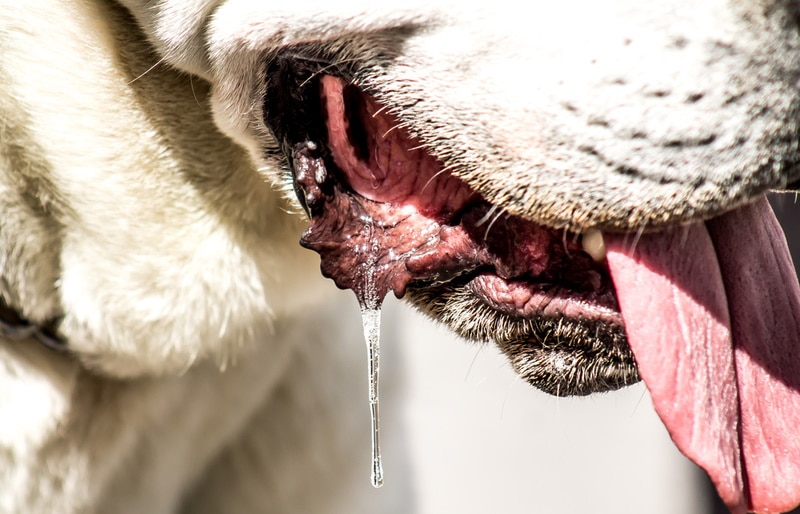
- Excessive salivation or drooling
- Retching
- Vomiting

The 4 Tips for Preventing Motion Sickness in Dogs
1. Make Your Dog Feel More Secure
If you think your dog is car sick due to anxiety, you need to figure out which part of the process is bothering them. Is it separation anxiety? Are they afraid of the car itself? Maybe they were mortified by a visit to the vet. Regardless, the best way to treat extreme car anxiety is to condition them by building a positive association with the act of going out. In this case, counter-conditioning your dog will help make the entire process of leaving in the car pleasant.
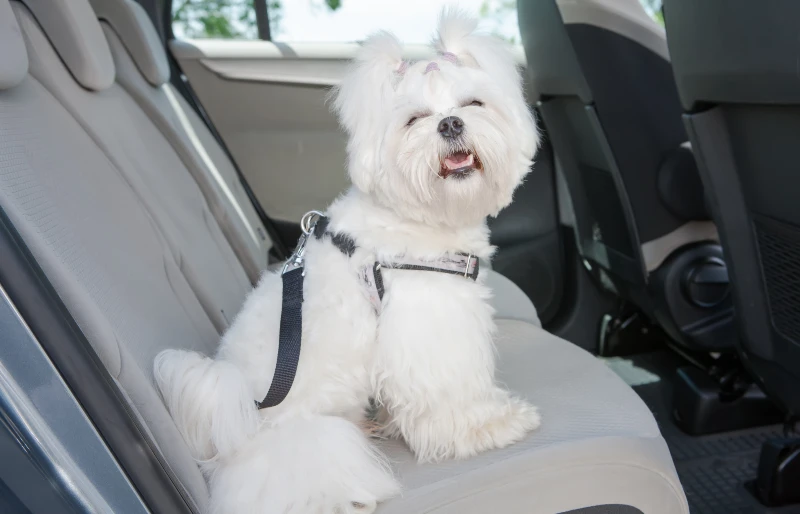
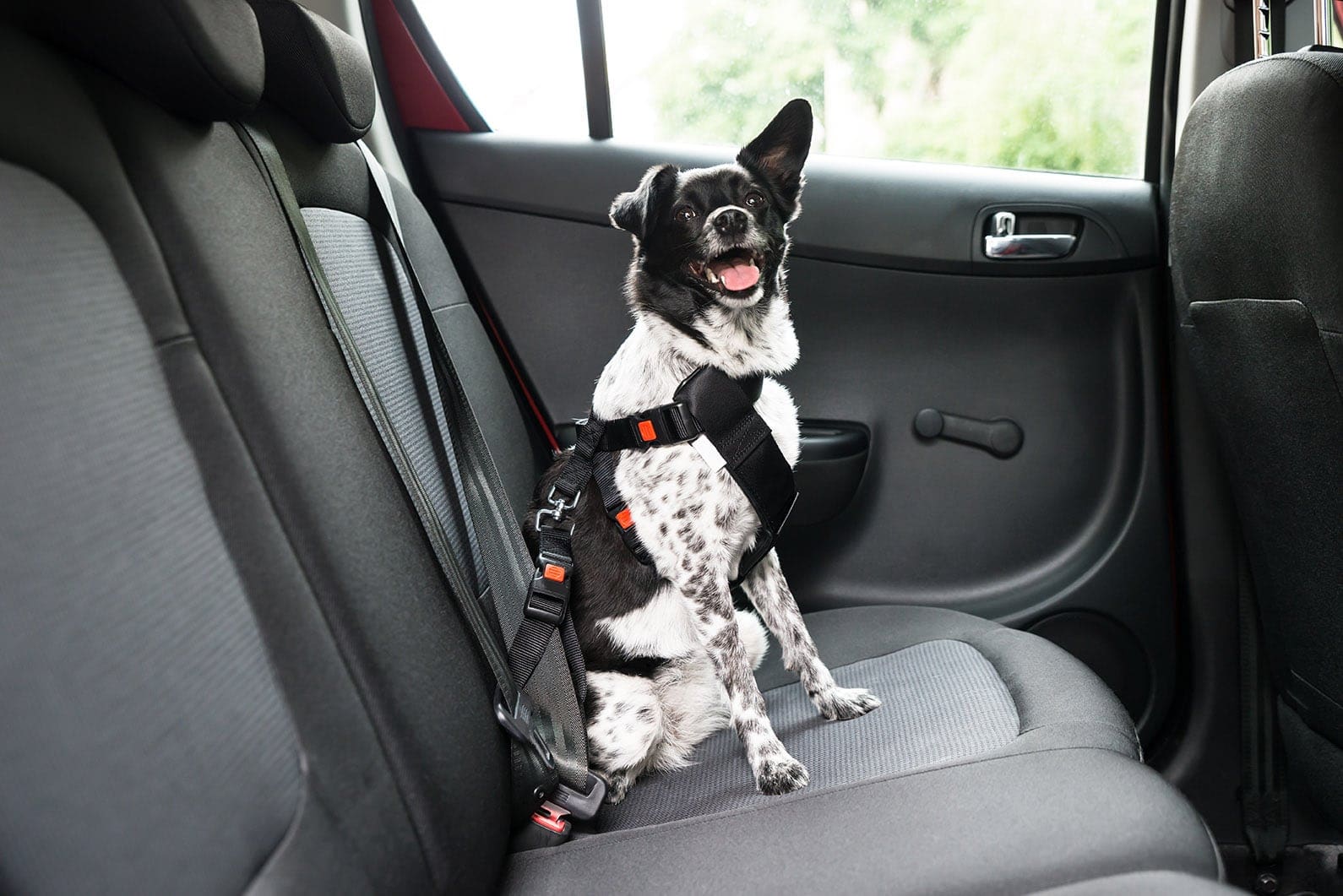
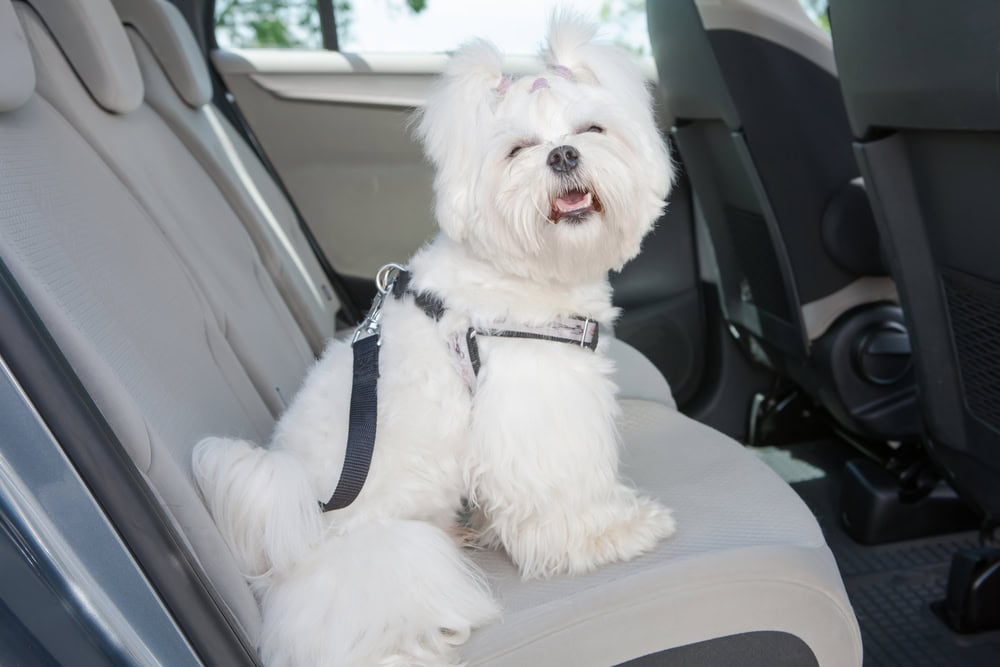
Start small, and if your dog shows anxiety at any point, go back a step. For example, bring your dog into your car while it’s parked at home and hang out with them for a while; if they seem anxious, retreat some distance from the car and start your training there. If not, tet them nose around and explore the interior while you’re stationary, and reward them periodically. Do this a few times before you even start the engine. Then, put them in their travel crate or secure dog seat and start the engine, but don’t go anywhere yet. While they’re calm, shower them with praise and treats to build positive associations with being in the car with you. Proceed to short, fun-filled day trips to places your dog enjoys, like the dog park. Over time, you can make going in the car an adventure to be anticipated and not something to be dreaded.
2. Make the Ride More Comfortable
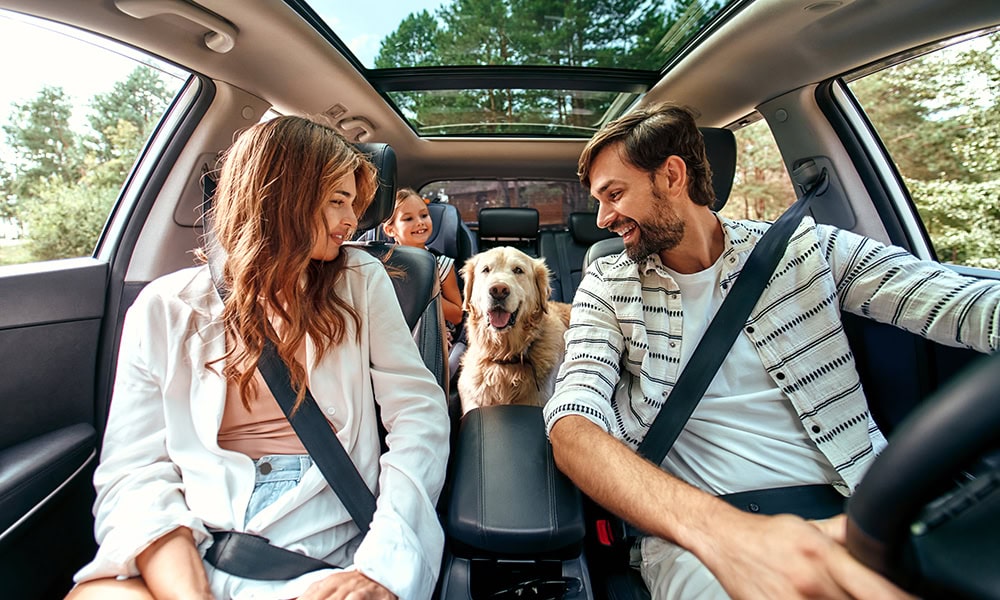
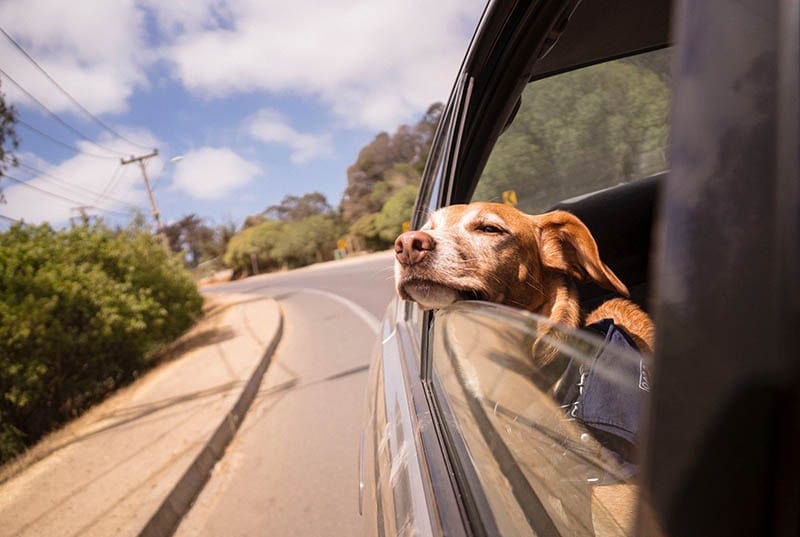
One way to help your dog is by making the ride as comfortable as possible. Start by adjusting your dog’s view, like by putting them in the middle seat so they’re more likely to face forward and don’t have to watch the world speed by in a blur. If it’s warm outside, consider lowering the windows to allow some fresh air in the vehicle. You might also consider bringing something that smells like you, like an old T-shirt, so that it offers them some extra comfort.
Always provide plenty of fresh water for your dog during this time. On top of that, keep the car cool and quiet, if possible. The less stimulation in scenarios like this, the better.

3. Reduce Food Before Traveling
If you know your dog gets car sick, a simple way to effectively manage nausea is to reduce how much food they eat before you take trips in the car. About 8 hours without food should help your dog feel less nauseous and reduce the odds they vomit. However, not all dogs like going without food for long periods of time and can become antsy due to that. It’s a fine line to balance for a more comfortable riding experience for your furry buddy. If you know you’re going out in the morning, for example, you can just skip breakfast to reduce potential nausea.
4. Seek Medical Help
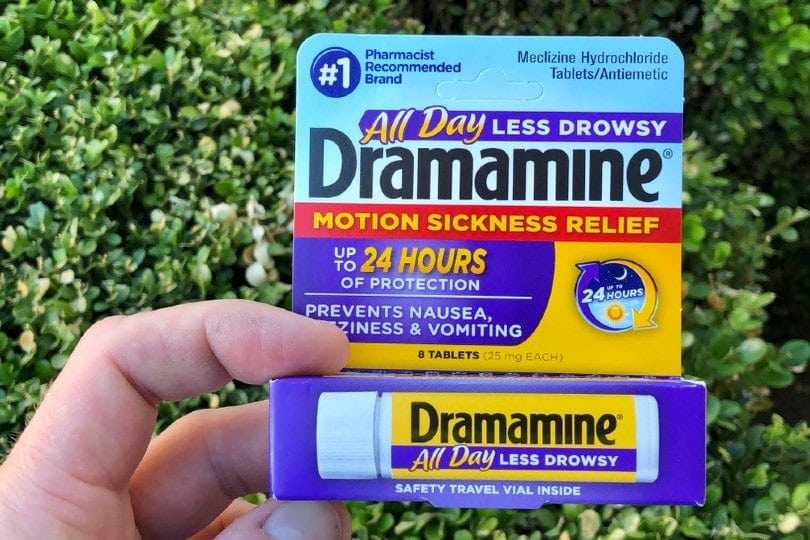
In some cases, a dog never outgrows car sickness, which is where your vet comes in to save the day. Prescription medication can help alleviate short-term signs of motion sickness, or anxiety, and make trips in the car possible again with minimal discomfort. It’s also possible your vet can help identify a latent medical condition to blame for their motion sickness. However, don’t give your dog any over-the-counter medications or supplements advertised to cure motion sickness or nausea without consulting your vet first.

Conclusion
Car rides are a source of joy to many dogs, but some dogs with motion sickness can’t tolerate them for various reasons. Pinpointing the exact cause of their car sickness is critical to figuring out the best way to treat them, like behavior modification, food reduction, or medication. Either way, you have a few options to help your dog feel less sick in the car.
Sources
Featured Image Credit: Monika Wisniewska, Shutterstock
Get Hepper In Your Inbox


Pet care tips from our vets and experts, straight to your inbox.
You may opt-out at any time. View our Privacy Policy for more information.
Join the conversation
Ask a question, share your story, or send private feedback.