Hepper is reader-supported. When you buy via links on our site, we may earn an affiliate commission at no cost to you. Learn more.
Why Did My Puppy Throw Up? 7 Vet-Reviewed Reasons


Puppies can throw up for many reasons, and it is more common than you think. Most of the time, throwing up once is harmless and nothing to worry about. Even adult dogs will vomit occasionally and for seemingly no reason at all. Have you ever seen a dog throw up or regurgitate and look surprised that it happened?
When your puppy throws up, you want to take note of the event in case it should happen again. You should also track any other behaviors or symptoms so you can accurately report those to your pup’s vet in case you have to take them in for care. However, more often than not, it either doesn’t happen again, or the reason for the vomiting is easy to figure out.
Continue reading to learn more about seven possible reasons your puppy threw up.

Note: Please Contact Your Vet Right Away If…
If your puppy has thrown up more than once in a short period or is throwing up frequently, you should contact their vet for guidance. Please seek immediate vet care if they are experiencing any of the following symptoms:

Why Did My Puppy Throw Up? The 7 Possible Reasons
1. An Issue with Their Food
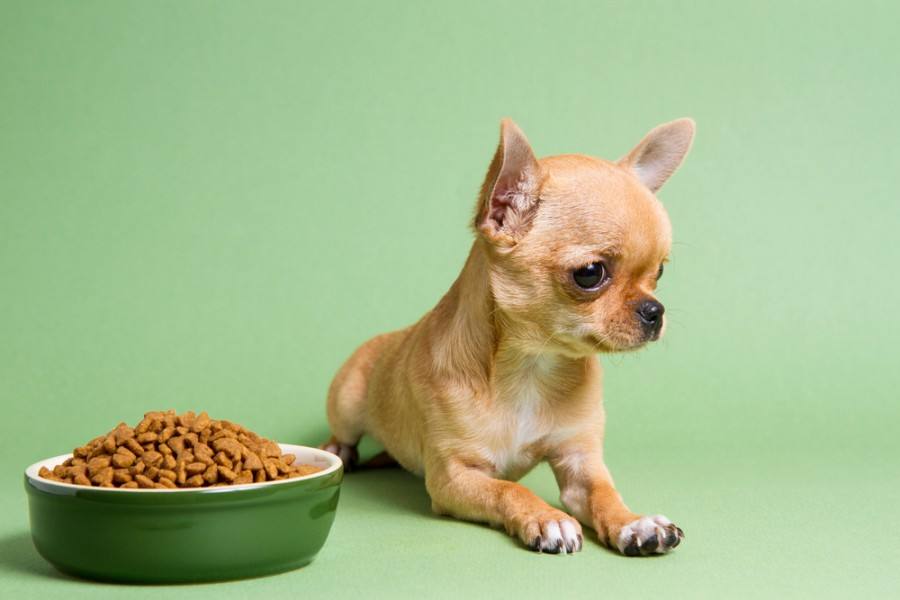
The most common reason puppies throw up their food is stomach upset. They can have an upset tummy for many reasons that can be as simple as a change in their diet or eating their meal too quickly. If you’ve recently changed their food, you may need to slow down the transition. Puppies that eat too quickly may benefit from a slow-feeder dog bowl.
Young puppies that throw up often after eating may be suffering from food sensitivity. If they vomit more than once, you should discuss this with their vet so they can find the underlying cause. If the dog is otherwise healthy, the vet could suggest a different diet. You should avoid feeding your dog human food or table scraps as it can lead to an upset stomach.
Examples:
- Diet changes
- Food sensitivities or allergies
- Eating too fast
- Eating human food
Possible Symptoms:
- Vomiting
- Diarrhea
- Licking the air (nausea)
- Loss of appetite
- Lethargy
2. Ingested Toxins or Foreign Objects
Pups sometimes like to get into things they aren’t supposed to. Even the most well-mannered puppy may get curious about a plant or over-excited about its favorite stick. When a dog ingests something they aren’t supposed to, it can lead to throwing up and other unpleasant symptoms.
Depending on the cause of the symptoms, you may also need to seek vet care. Poisons like antifreeze, certain plants, and medications not designed for dogs can cause serious side effects if not treated immediately.
Foreign objects may also cause a big problem. Your vet may need to take X-rays to locate the object. Once they know what it is and where it’s located, they can set up a treatment plan ranging from “wait and make sure it passes” to emergency surgery.
Examples:
- Drinking antifreeze
- Plant poisoning
- Eating a toy or plastic
- Eating a stone or stick
- Getting into the garbage
- Medications
Possible Symptoms:
- Vomiting
- Diarrhea
- Seizures
- Lethargy
- Behavioral changes
- Abdominal pain
- Constipation
3. Intestinal Parasites
Intestinal parasites are dangerous to any dog but especially to puppies. Parasites may cause them to throw up much of the food they eat and prevent them from effectively absorbing nutrients from the food they keep down, stunting their growth.
Parasites are incredibly contagious among pets. If you are aware that one of your pets has them, then it’s a good idea to treat all of them.
Because your puppy will most likely need anti-parasitic medications, you’ll need to make an appointment with your vet. It’s sometimes possible to see worms in a dog’s poo and diagnose the condition, but it’s not always that easy, and your vet will need to make an official diagnosis and prescribe treatment.
Examples:
- Whipworms
- Roundworms
- Tapeworms
- Hookworms
Possible Symptoms:
- Vomiting
- Diarrhea
- Dehydration
- Abdominal pain
- Distended belly
- Weight loss
- Lethargy
- Poor coat appearance
- Blood in stool

4. Infection
Most adult dogs have already had all of their core vaccine booster shots. They get their regular vaccines to keep them safe from the most common and deadly infections like parvo and distemper. However, puppies may not have had a chance to receive all the booster shots or build up a strong immunity to them while still young.
Because they are at a higher risk for contracting these infections, puppies may also be more susceptible to their symptoms and need faster veterinary care. You must call your vet immediately should you find out that any other pets your puppy socializes with have been diagnosed with an infection, even if yours has received all their vaccines.
Examples:
- Parvovirus
- Distemper
- Canine influenza
Possible Symptoms:
- Vomiting
- Diarrhea
- Pneumonia
- Seizures
- Coughing
- Sneezing
- Fever
5. Bloat
Bloat in dogs is an extremely dangerous condition and needs immediate veterinary care. GDV, or gastric dilation-volvulus complex, is a condition where the stomach fills with air/food/fluid and then rotates. This leads to a series of other conditions that require surgical intervention.
It is most common in dogs with deep chests with a high height-to-width ratio, such as Great Danes, standard poodles, and Irish setters. Male dogs are more likely to suffer GDV, or bloat, than females. While elderly dogs are at higher risk, it can affect dogs of any age.
If you notice the symptoms of bloat, regardless of your dog’s risk, you must get your dog to a vet as soon as possible. In addition to trying to throw up, (unproductive heaving), your puppy will have an enlarged abdomen.
Possible Symptoms:
- Bloating
- Drooling
- Vomiting
- Restlessness
- Whimpering/pain

6. Endocrine & Metabolic Disorders
The most common endocrine disorder in dogs is diabetes. It can be managed effectively with medications, possibly insulin if needed when diagnosed early. As in humans, diabetes can lead to related conditions, later affecting the kidneys and other organs. While it is mainly older dogs at risk of developing diabetes, puppies may rarely be born with the disease, requiring more immediate treatment.
Other endocrine disorders include Addison’s syndrome and hypothyroidism, although there are many more. Metabolic disorders affect levels of vital substances within the body necessary for optimal health. They often occur together with other metabolic or endocrine disorders.
Vets are more aware of the signs in puppies and elderly dogs.
Examples:
- Diabetes
- Hypothyroidism
- Liver disease
- Kidney disease
Possible Symptoms:
- Vomiting
- Diarrhea
- Weight loss
- Increased appetite and thirst
- Chronic infections
7. Reaction to the Environment
As humans, we are greatly affected by the world around us. A rocking boat may make us seasick, or a strong perfume may make us nauseous. Puppies can be affected by their environment as well.
We aren’t always aware of how much the heat affects puppies. Their paws are just as sensitive to the hot ground as our bare feet. Hot asphalt can quickly burn them and raise their body temperature. Dogs can’t sweat to cool themselves as we can. If we aren’t aware of the signs of overheating and dehydration in dogs, they can easily suffer heatstroke, which may cause vomiting.
Stress is another cause of nausea and vomiting, although the cause of stress will be different for every dog, just like it is for humans. It can be hard to diagnose stress in dogs, as you may have to rule out medical conditions first.
Puppies are also prone to bilious vomiting syndrome. This usually shows as vomiting yellow bile in the early hours of the morning. Feeding a small meal late at night may help to reduce the frequency of vomiting.
Examples:
- Heatstroke
- Motion sickness
- Bilious vomiting syndrome
- Stress
Possible Symptoms:
- Vomiting
- Panting
- Nausea
- Drooling
- Rapid pulse


Vomiting vs. Regurgitation
We should first explain the difference between vomiting and regurgitation. They look similar but have different causes. If your puppy threw up stomach contents after retching several times, it most likely vomited. Regurgitation is a more passive occurrence with no abdominal effort. Undigested food contents come up, usually in a tube shape.
When discussing the possible reasons your puppy has thrown up, we are referring to vomiting, although your vet should know about both if they happen more than once.

Most Common Treatments for Puppies That Throw Up
If your puppy has only thrown up once and appears okay, it’s likely just part of being a puppy. Throwing up is very common in dogs of all ages. Your vet will make a proper diagnosis if the vomiting occurs frequently. To rule out any serious conditions, the doctor may perform several tests. However, most bouts of vomiting are resolved with common treatments.

Conclusion
Young puppies, like adult dogs, can throw up for seemingly no reason at all. However, it may also be a sign that you should pay attention. Because they are so young, an accidentally ingested rock or common parasite will have much more effect on young dogs. Seeing your vet as soon as possible can help minimize the symptoms so they can return to the playful pup they are!
Sources
Featured Image Credit: Stéphanie Briand, Pixabay
Get Hepper In Your Inbox


Pet care tips from our vets and experts, straight to your inbox.
You may opt-out at any time. View our Privacy Policy for more information.
Krysha is a proud mom to Shelly, a tortoiseshell “Tortie” rescue kitty that loves to talk back, especially if I’m late with breakfast. Shelly’s big personality, despite her small stature, has been a driving force behind my ambition to spread awareness about local shelters and the small things residents, support groups, and non-profits can do to support them. Growing up, Krysha experienced the care of many pets, from cats and dogs to turtles and small lizards to hamsters and tropical fish.
Krysha is a freelance content writer specializing in pets, travel, and wellness. Her writing career began in 2009 while still studying English and Creative Writing at the University of Nevada, Las Vegas. Now, her creative writing skills combine with technical SEO experience to provide high-quality blog and web content for eCommerce and service-based websites.
Join the conversation
Ask a question, share your story, or send private feedback.