Hepper is reader-supported. When you buy via links on our site, we may earn an affiliate commission at no cost to you. Learn more.
Why Does My Dog Drool in the Car? 4 Vet Approved Reason & Traveling Tips


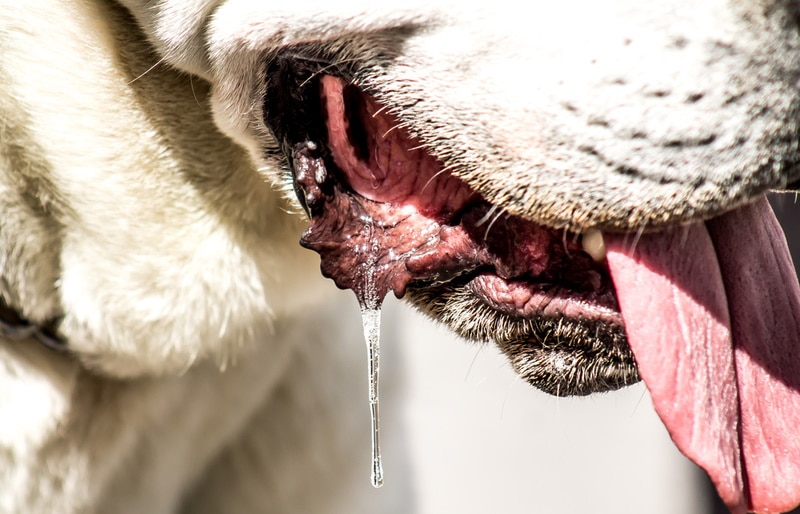
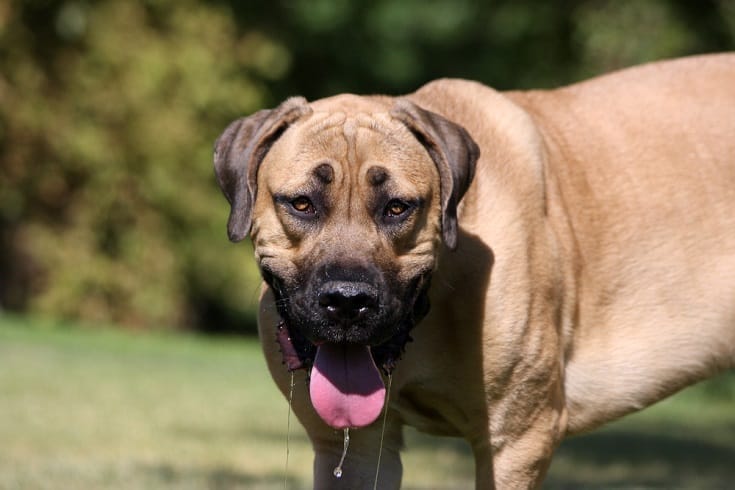
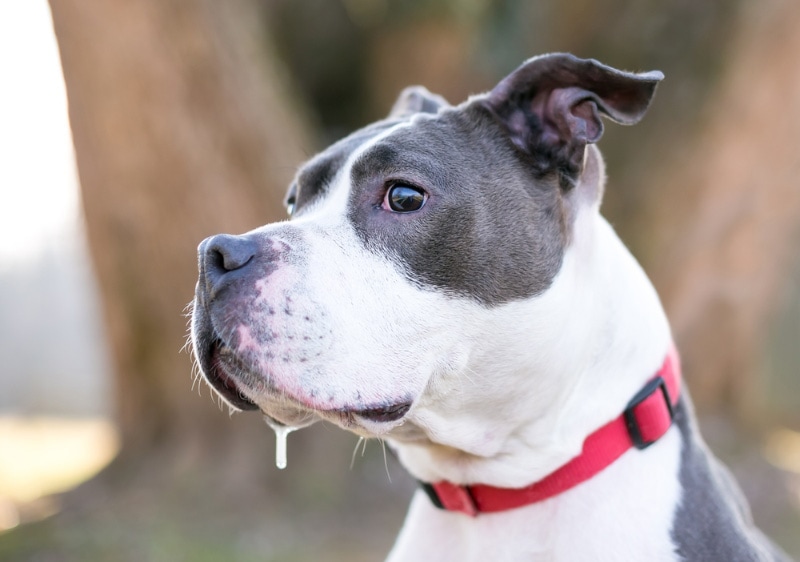
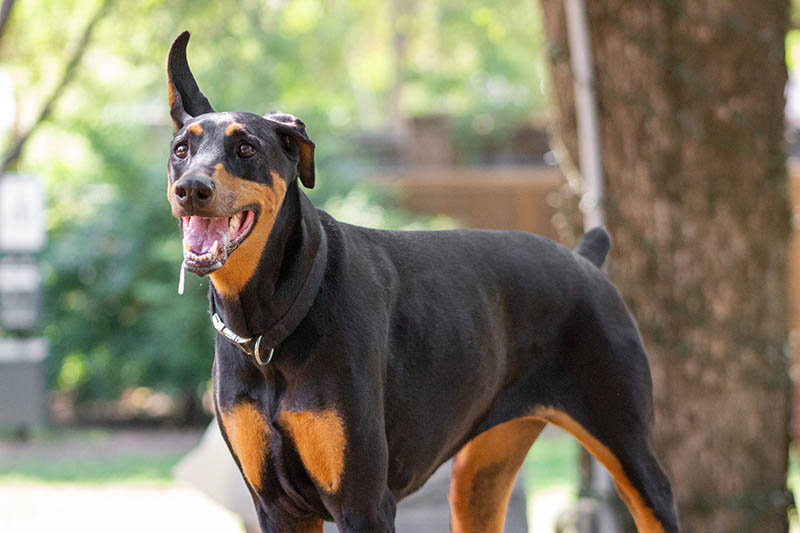
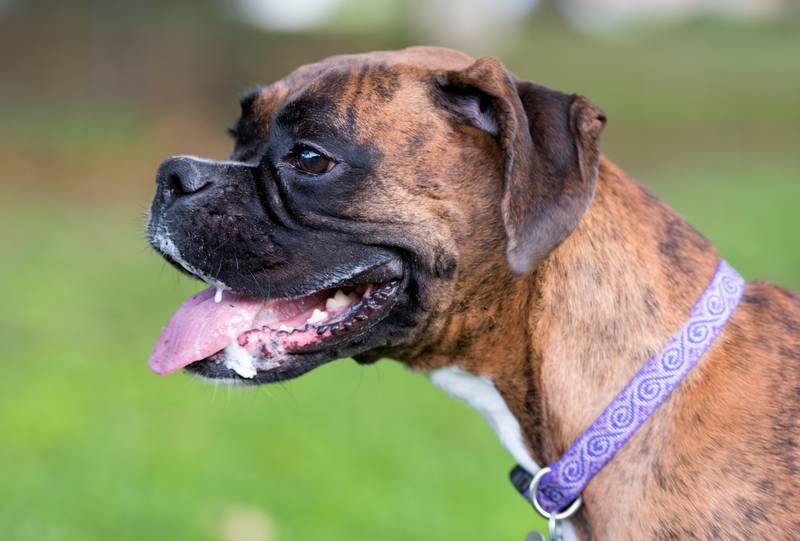
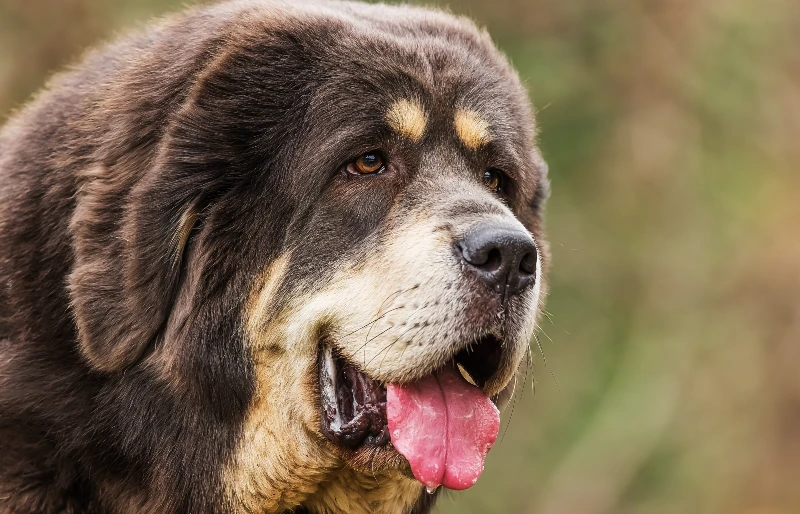
Many dogs drool, and it can be an especially common occurrence with Saint Bernards, Bulldogs, Great Danes, and similar dog breeds. For many owners, though, their dog’s drooling gets much worse when they are riding in the car. This is typically because the dog is excited, but they could also have motion sickness. If this happens to your dog, keep reading for other possible explanations, along with tips that might help reduce this behavior so you both can have a better time on your adventures.

The 4 Reasons Why Your Dog Drools More Than Usual in the Car
1. Motion Sickness
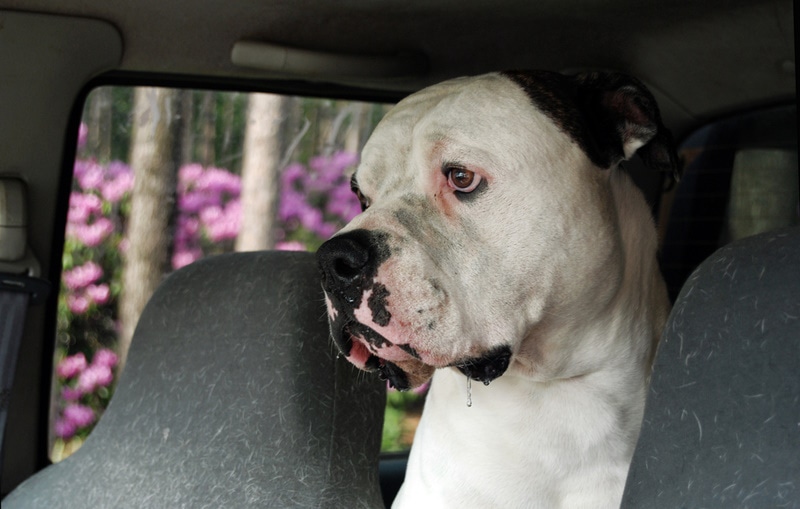
One of the primary reasons for excessive drooling during car rides is motion sickness. Dogs can experience discomfort and nausea when subjected to the jostling and movement of a moving vehicle, and the nausea causes drooling.
What Can You Do About It?
2. Anxiety and Stress
Dogs are creatures of habit, and changing their routine or environment can induce stress and anxiety. Car rides can be intimidating for some dogs, especially if they associate them with unpleasant experiences like visits to the veterinarian or if they haven’t gotten used to them yet, which can result in drooling. Other signs of stress and anxiety can include trembling, panting, and quivering. They may also try to avoid getting into the car.
What Can You Do About It?
3. Excitement
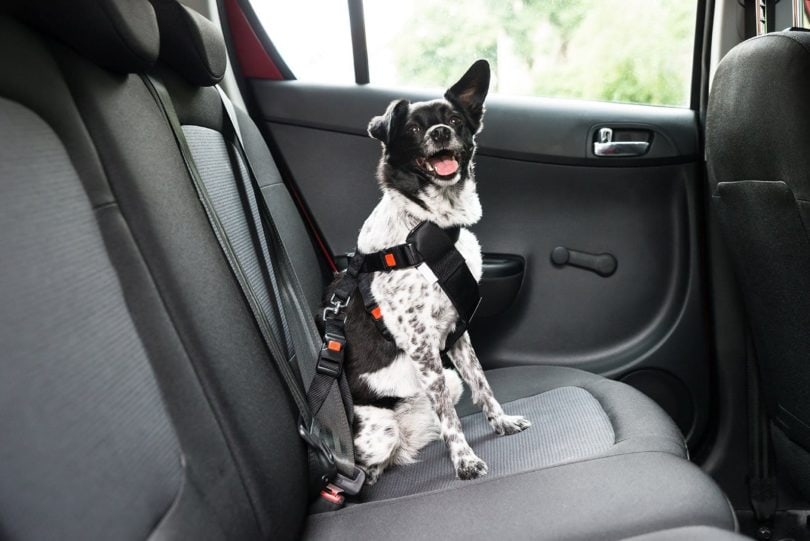
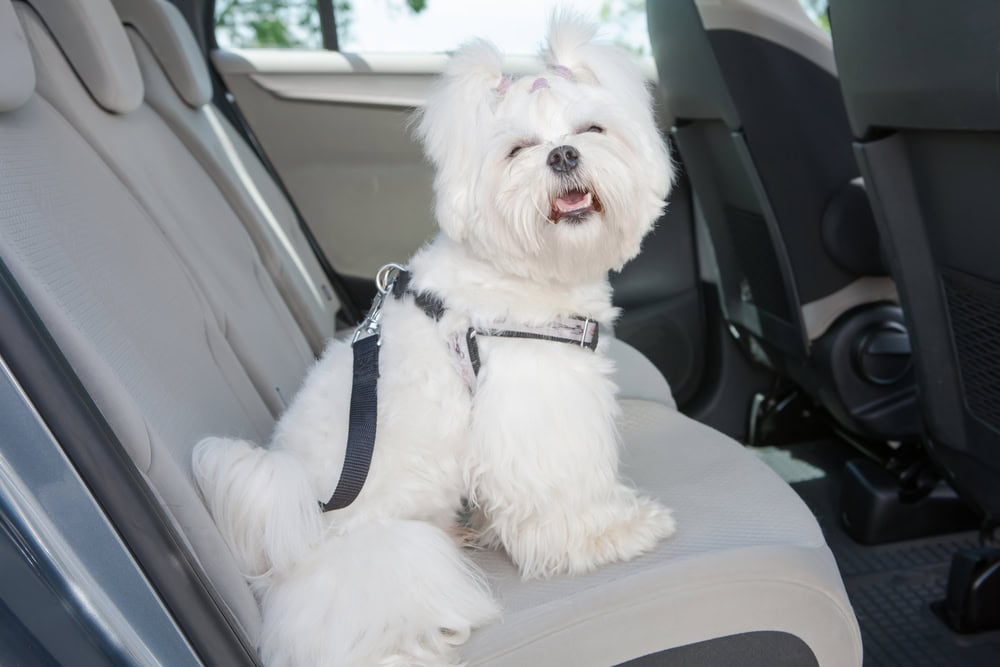
One of the most likely reasons behind excessive drooling in the car is excitement. Many dogs may become overly enthusiastic about car rides, and their bodies may react by producing more saliva, resulting in excessive drool. You will also likely see plenty of tail wagging, and the dog will move quickly from window to window, trying to see everything.
What Can You Do About It?
4. Heat-Related illness
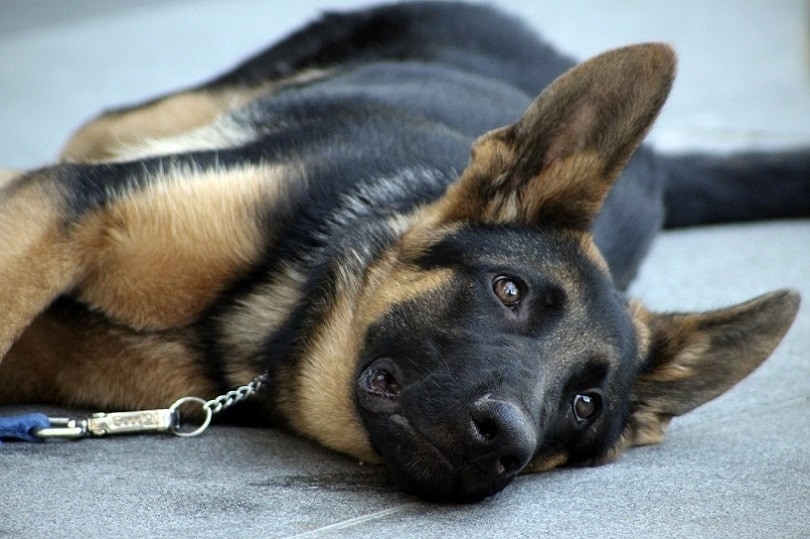
Unfortunately, the elevated temperatures that can occur in a vehicle can cause a dog to suffer from heat-related illness, from heat exhaustion to heat stroke. Both situations can cause drooling, but other signs will also be obvious. Heatstroke is an extremely dangerous situation that can occur in only a few minutes when the car is too hot, and it can also result in collapse or even death.
What Can You Do About It?

Frequently Asked Questions
Can I Use Medication to Prevent My Dog From Getting Motion Sick in the Car?
Yes. Medications are available to help your dog with motion sickness in the car. You can discuss this option with your vet to ensure that it’s the best alternative. There are also desensitization techniques that you can consider with your vet, depending on your dog’s specific needs.
Is It Safe to Let My Dog Stick Their Head Out of the Car Window During a Ride?
No. Allowing your dog to put their head out of the car window can be unsafe. It exposes them to debris and potential hazards and can lead to ear and eye injuries despite their fast reflexes. Keeping your dog secured inside the vehicle during the ride is always highly recommended.
Can I Use Calming Products or Supplements to Help My Dog Relax During Car Rides?
Definitely. Various calming products and supplements are available for dogs that can help reduce anxiety and stress during car rides. Some of the ingredients used for this purpose include alpha-casozepine, passiflora, souroubea, platanus, or other natural ingredients to help some dogs feel more relaxed during the ride. Consult your veterinarian to find the right product and dosage for your dog.
How Can I Make Car Rides a More Enjoyable Experience for My Dog in the Long Term?
To make car rides enjoyable for your dog for the long term, focus on desensitization, positive reinforcement, and creating positive associations with the car. Consistency, patience, and gradual exposure will help your dog become more comfortable, and many dogs look forward to going in the car once they get used to it.
Summary
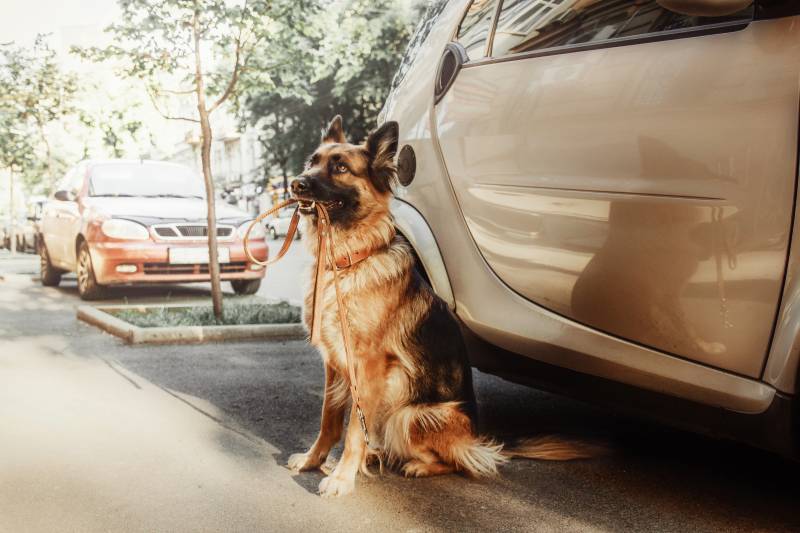
Most dogs drool excessively in the car because they are excited to go for a ride. It’s a real joy for many pets, and few things are more exciting, so the drooling always seems to get out of control. Positive reinforcement training can help keep them calm in the car so they don’t get so excited, which might reduce the amount of drool. The thrill might wear off as they age, and with less excitement comes less drool.
Dogs can also drool due to motion sickness, anxiety, and heat-related illness, so it’s important to watch your dog carefully, especially if they don’t seem excited. And never leave them unattended, as it only takes a few minutes to reach deadly temperatures.
Sources
Featured Image Credit: Vladimir Konstantinov, Shutterstock
Get Hepper In Your Inbox


Pet care tips from our vets and experts, straight to your inbox.
You may opt-out at any time. View our Privacy Policy for more information.
Ed Malaker is a veteran writer who has contributed to a wide range of blogs that cover pets, tools, guitars, fitness, and computer programming. When he’s not writing, Ed is usually performing DIY projects around the house or working in the garden. He’s also a musician and spends a lot of time helping people fix their guitars and composing music for independent films.
Join the conversation
Ask a question, share your story, or send private feedback.