Hepper is reader-supported. When you buy via links on our site, we may earn an affiliate commission at no cost to you. Learn more.
Does My Cat Need Sunscreen? Vet-Verified Summer Safety Facts


In this article
As any cat lover knows, cats can be a bit finicky when it comes to what they do or don't like. So, when it comes to protecting your cat from the sun, you may be wondering: does my cat need sunscreen? The answer is yes and no. While some cats may benefit from sun protection, it’s important to understand how to use sunscreen on cats.
Sunscreen isn't a one-size-fits-all solution and requires consideration of your cat’s lifestyle, breed, and health. For example, cats that stay indoors all the time likely don’t need sunscreen unless they spend a lot of time in a sunny window, but cats that spend significant time outdoors may benefit from sunscreen in the warmer months.
In this post, we’ll explore the potential risks and benefits of sun protection for cats so you can make an informed decision about whether your cat needs some extra protection from the sun.

When Do Cats Need Sunscreen?
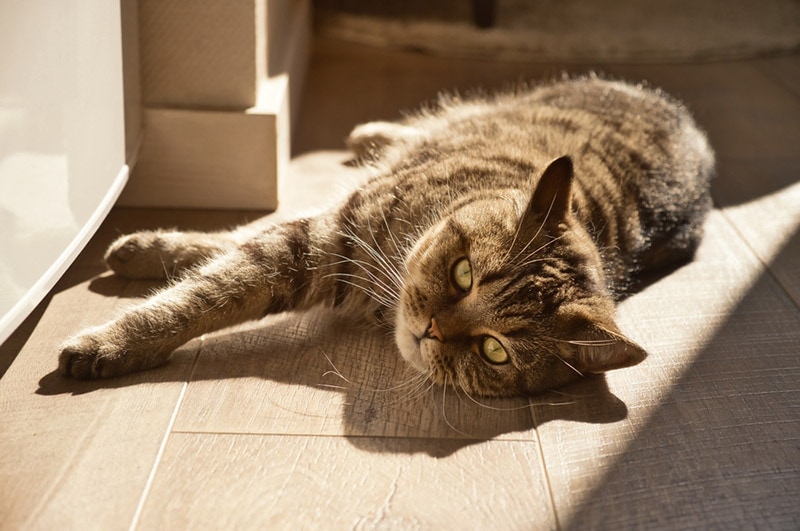
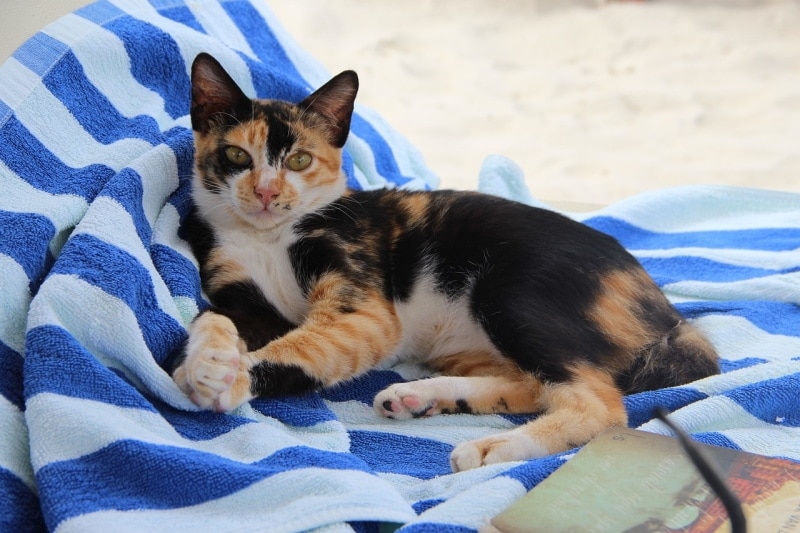
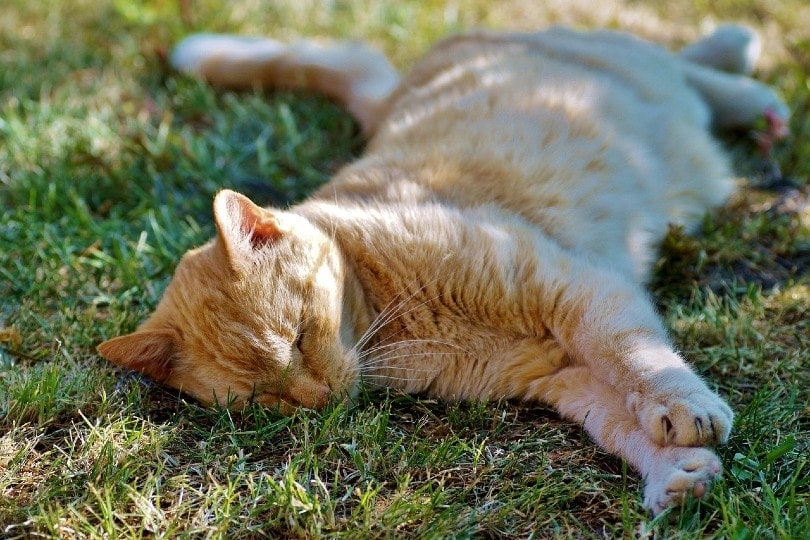
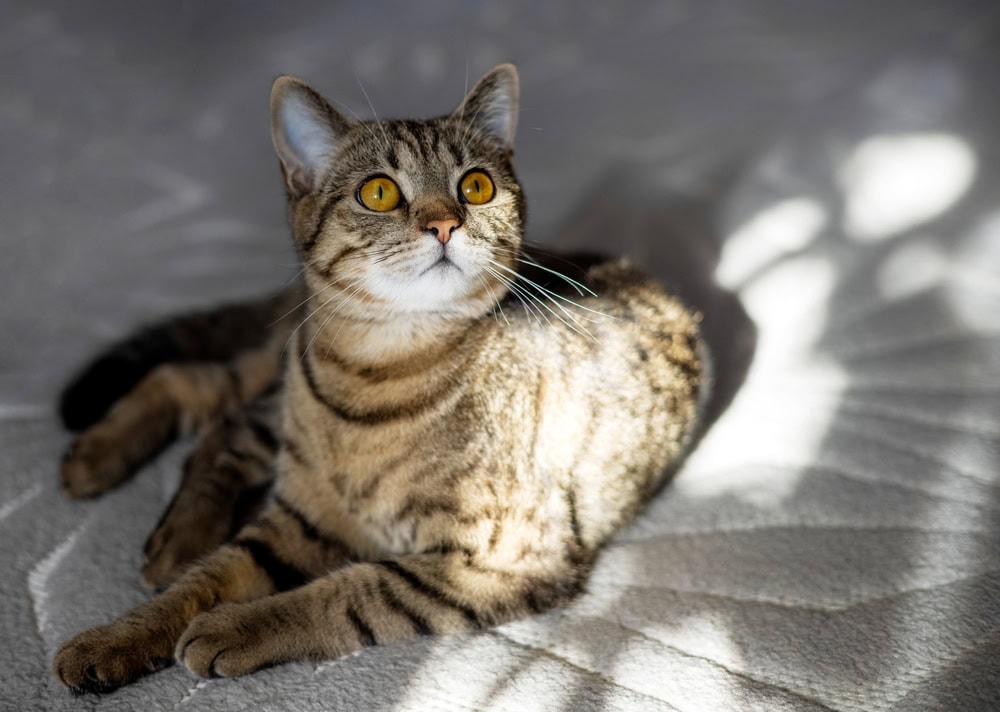
Your cat will need sunscreen if you notice that he or she loves to sunbathe or sit near windows for a long time. It’s not uncommon for cats to do this, especially if you live on a higher floor of a building. Cats are curious, and the view may entice them to sit near windows and stare out to observe the outside world. This can be an effective way to fight boredom and can provide your cat with hours of entertainment while you’re away from the house. However, this would also increase their exposure to the sun. Like humans, prolonged exposure to sunlight can sometimes be detrimental to our feline friends. If your cat loves spending time near windows, it might be a great idea to look into sunscreen options.
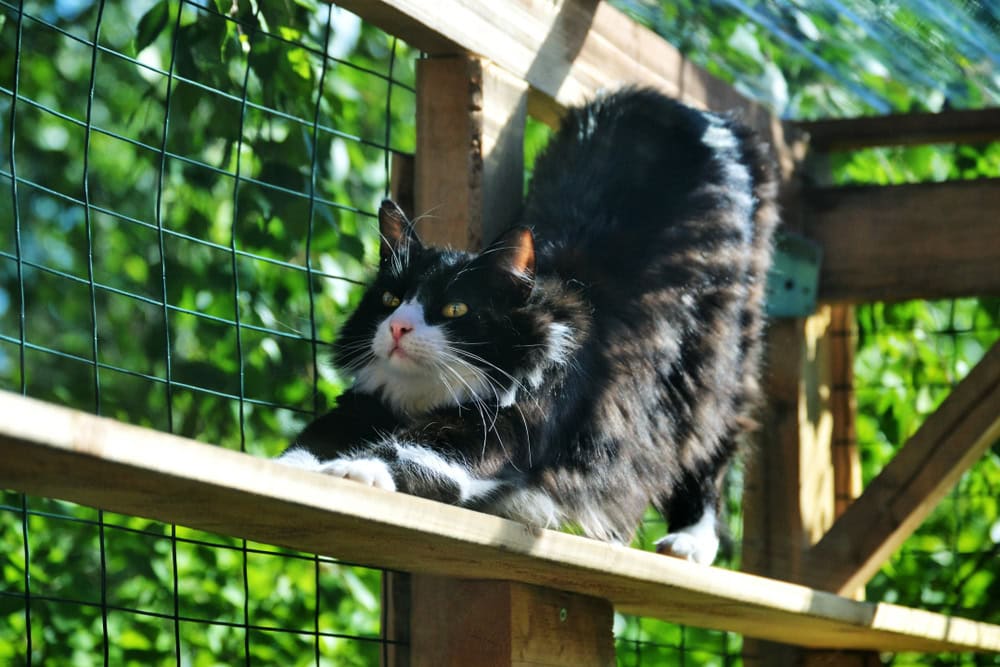
"Catios" are safe outdoor enclosures that allow cats to spend some time outdoors while keeping them (and the local wildlife) safe. Cats love catios since they provide a lot of enrichment, with birds and other passersby to entertain them. If your cats have outdoor access in such a manner, they may likely spend more time in the sun. Although your cat may avoid direct sunlight while in such an enclosure, it is important to note that sunlight reflects off surfaces, and your kitty could be exposed to the sun’s UV rays even when you see it sitting in a shaded area of an enclosure. To err on the side of caution, it may benefit your kitty to wear sunscreen in their “catio”.
Benefits of Sunscreen for Cats
Cats can be exposed to harmful UV rays just like humans. Ultraviolet rays can damage your cat’s skin and may lead to burns or unwanted complications, such as skin cancer. Cats are especially at risk for skin cancers like squamous cell carcinoma from sun damage. While some cats will naturally gravitate toward sun-protected areas like under trees, grass, and shrubs, others might be drawn toward the warm rays of the sun.
If you notice your cat sunbathing and they have white fur, it is time to apply some sunscreen. As with humans, overexposure to the sun can lead to sunburn. Protecting your cat from sunburn can lower the risk of skin cancer later in life – yes, cats can get skin cancer. It also helps prevent skin damage.
Risks of Sunscreen Use in Cats
Sunscreen can be beneficial but as with any product, it is not without its risks. One such risk is that sunscreens are currently not regulated by laws and may therefore include ingredients that could be harmful for our feline friends when used in high amounts. Many sunscreens are labeled as “pet friendly” however, it is important to remember that pet friendly does not mean pet safe.
The biggest risk associated with sunscreen when it comes to our feline friends is that cats can develop problems if they lick sunscreen, as sunscreen isn’t meant to be ingested. These problems can range from gut issues like vomiting and diarrhea to other long-term issues that may arise from repeated ingestion of the product involving various organs, such as the liver or the kidneys.
Salicylates and zinc oxide are common ingredients found in sunscreen that can be dangerous when ingested by your cat. If a sunscreen has these ingredients in high quantities, it would be best to explore other alternatives.
If you ever notice these signs in your cat after applying sunscreen, immediately rush them to a vet.
Signs your cat may have ingested sunscreen:
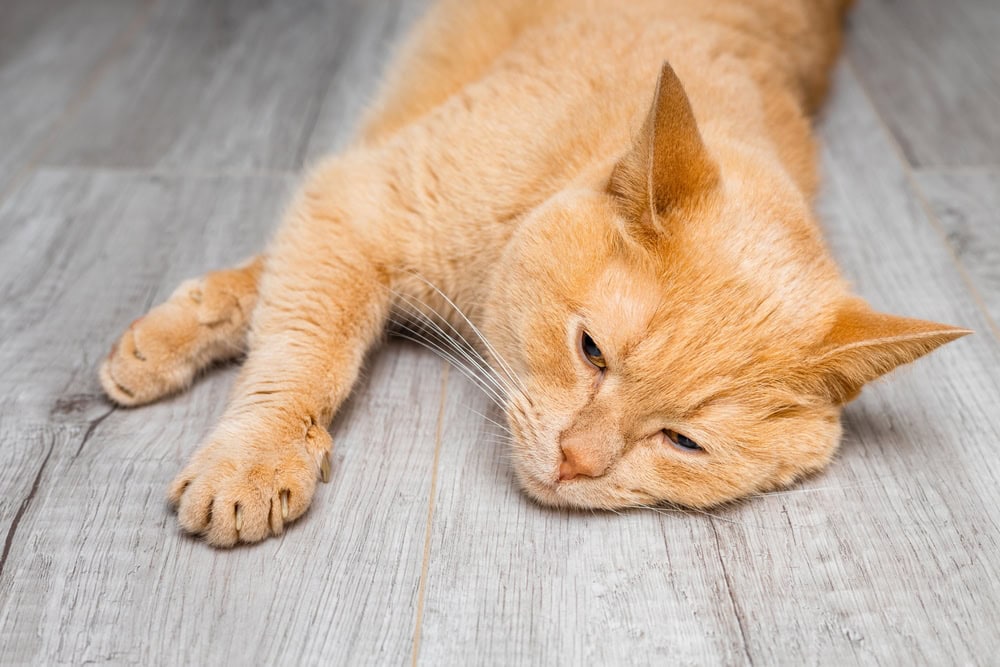
Occasionally, some cats may have reactions to sunscreen on their skin. These reactions usually present as red inflamed itchy spots that are often the areas where one applied sunscreen. If this happens, a visit to your veterinarian should be your priority. Your veterinarian can determine the extent to which your cat is allergic to the product and offer advice on sunscreen alternatives.
Factors to Consider When Choosing Sunscreen for Your Cat
There are a few factors you’ll want to keep in mind when choosing sunscreen for your cat. These include the following:
Cat Breed
Certain cat breeds are more at risk of skin damage and disease due to their fur color, density, and distribution. For example, white fur cats are more likely to develop skin cancer than cats with other fur colors. Hairless breeds, such as the Sphynx, are more prone to sunburns.
State of Health
Cats with existing health conditions like asthma or allergies may be more sensitive to the ingredients or chemicals found in sunscreen. If you notice your cat experiences additional signs after applying sunscreen, contact your vet for information or recommendations for sunscreen.
Types of Sunscreen for Cats
In pet stores (both brick-and-mortar and online) you can find a variety of sunscreen types for your cat. Here are the most popular ones:
Cream/Lotion-based Sunscreen
Creams and lotions can be difficult to apply to smaller areas like your cat’s ears and face. These sunscreens are usually more economical than other alternatives and also have the most available options.
Spray-on Sunscreen
Spray-on sunscreen can be easier to apply to your cat’s fur, but it can also be harder to gauge how much sunscreen your cat actually receives. Make sure to follow the instructions for applications that are listed on the product.
Stick Applicators
Sunscreens for pets sometimes come in small tubes that are great for certain spots, such as the ear tips.
How to Apply Sunscreen to Your Cat
Applying sunscreen to your cat can seem like a daunting task, but it’s easier than you think. There are a few ways you can apply sunscreen to your cat.
First, start with a clean cat. Before applying sunscreen, make sure your cat’s fur is clean and free of dirt and grime. This will help to ensure the sunscreen applies as intended. Apply the sunscreen when your cat is relaxed. Cats can be a bit finicky when it comes to having anything applied to their skin. Make sure to apply sunscreen to your cat when he is relaxed and lying still. Also, be sure to cater to your cat's skin specifically. For example, if your cat has sensitive or dry skin or allergies, be sure to choose a sunscreen designed for these conditions.
The priority with sunscreen application is targeting areas with sparse or no hair. In most cats, these are the tips of the ears, around the eyes, nose, and mouth (but not close enough for them to lick it), and their bellies. If your cat is missing hair in another area (for example, if it was shaved for a medical procedure) then you should prioritize sunscreen application in those areas as well. Sunscreen should never be applied on any open wounds, incisions, cuts, or skin that is under medical treatment.
Caution should be used when dealing with a hairless cat or a hairless breed, as these cats are more prone to being sunburned. For these animals, it is best to use sun-resistant clothing of appropriate size to protect the animal, and sunscreen on the areas that aren’t covered by the apparel. Your cat may try to lick off the sunscreen when you apply it. Treats, toys, or other distractions can help deter your cat from doing so. Just make sure you offer them before the cat starts licking off the sunscreen, giving them after might actually reinforce the behavior.
Always confirm with your vet before applying sunscreen on your cat if:
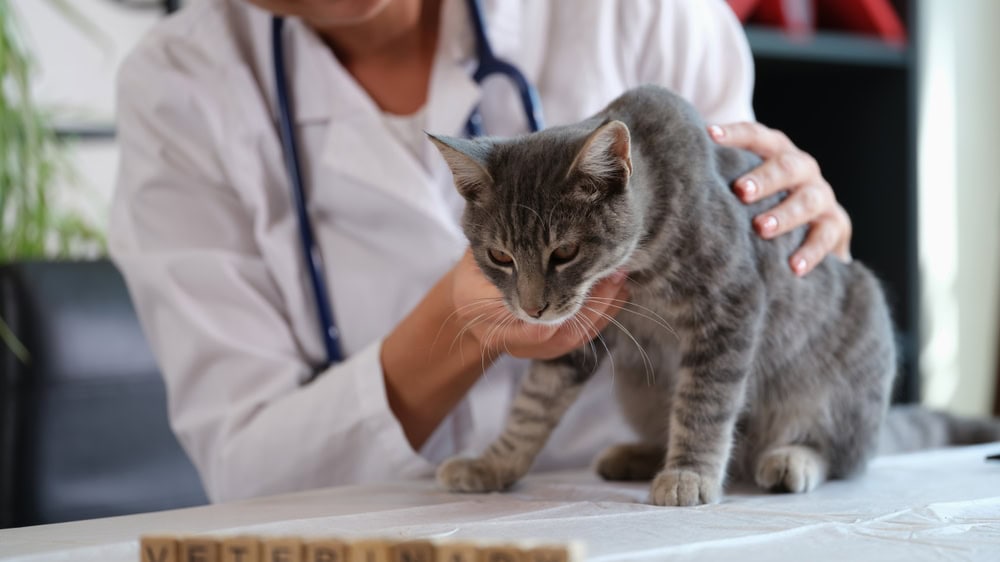
Remember to always consult with your vet before applying any product to your cat. Our cats are individuals just like us and need individual vet approval to avoid any unwanted complications from products we wish to use on them.
Wrapping Things Up
Cats can experience all of the same benefits of sunscreen as humans, including protection from sunburn and reduced risk of skin damage.
If you notice your cat sunbathing it is beneficial to apply some sunscreen. There are a variety of sunscreen types available for your cat. Sunscreen should be applied at your veterinarian’s discretion or advice. It is important to note that sunscreen DOES NOT guarantee absolute protection from the sun’s rays, nor does it make extended periods of sunlight exposure risk-free.
Caution should be a main priority when you notice your cats staying in the sun for extended periods of time. Cats should also be shielded from the sun during peak hours of the day when sunlight and UV exposure are higher than normal.
Sources
Featured Image Credit: Vasylchenko, Shutterstock
Get Hepper In Your Inbox


Pet care tips from our vets and experts, straight to your inbox.
You may opt-out at any time. View our Privacy Policy for more information.
Christian Adams writes for Hepper, sharing practical advice and expert insight for cat owners.
Join the conversation
Ask a question, share your story, or send private feedback.