Hepper is reader-supported. When you buy via links on our site, we may earn an affiliate commission at no cost to you. Learn more.
Do Cats Need Vitamin D? What Science Says


In this article
Vitamin D is known as the “sunshine vitamin’ because it is acquired naturally by exposing ourselves to sunlight, aiding the body in producing it. Most humans get vitamin D from sun exposure, and our bodies require it for various health benefits and necessities.
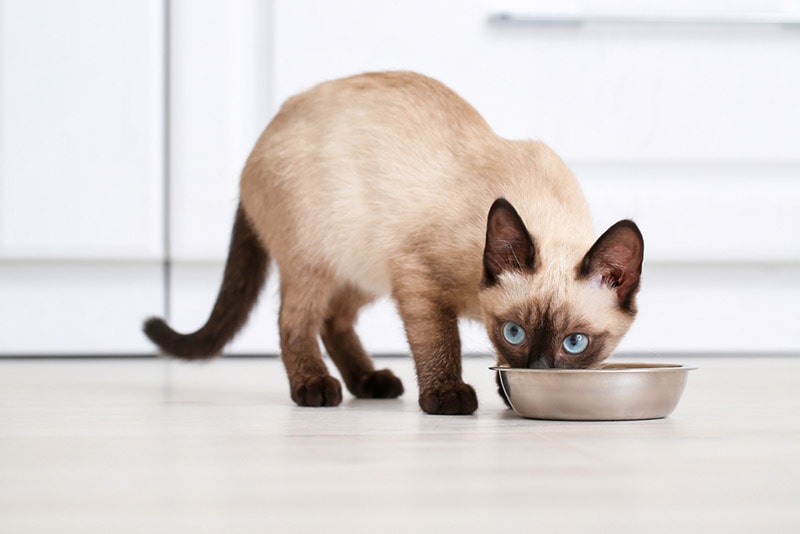
Our cats also need vitamin D to survive. While vitamin D is essential for cats to live healthy lives, their bodies don’t produce enough like ours. Therefore, it must be included in their diet to maintain optimal health.

Benefits of Vitamin D for Cats
Vitamin D helps regulate calcium and phosphorus balance, and aids in the proper function of the nerves and muscles. It is vital for bone development and maintenance; it does this by controlling the absorption of calcium from the intestine and the amount excreted by the kidneys.
If cats do not acquire a suitable amount of vitamin D, they may suffer from bone disorders and congestive heart failure, and research has also shown that low vitamin D levels are linked to an increased risk of cancer.
Furthermore, the University of Edinburgh's vet school conducted a study in May 2015 that demonstrated that seriously ill cats with high blood levels of vitamin D had a higher likelihood of remaining alive one month later than cats with low vitamin D levels.1
Do Cats Get Vitamin D from the Sun?
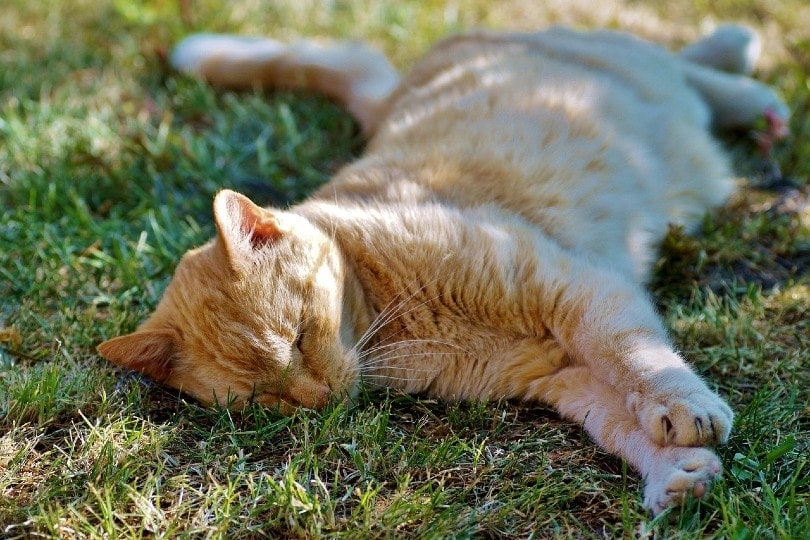
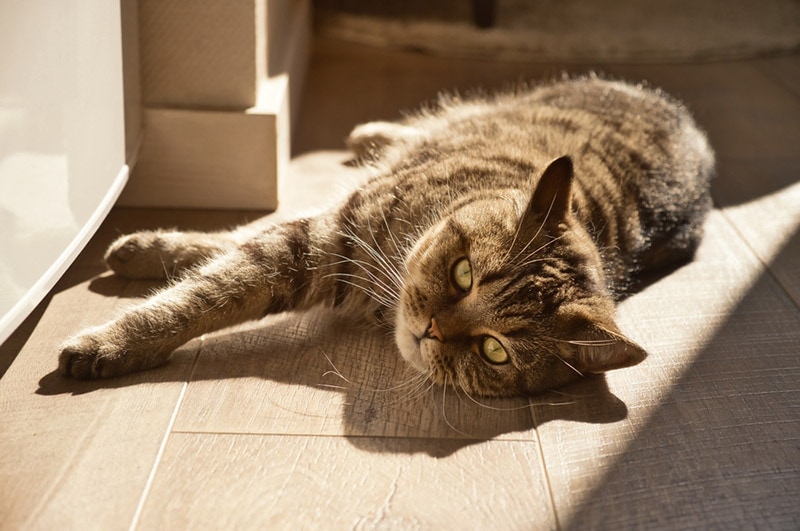
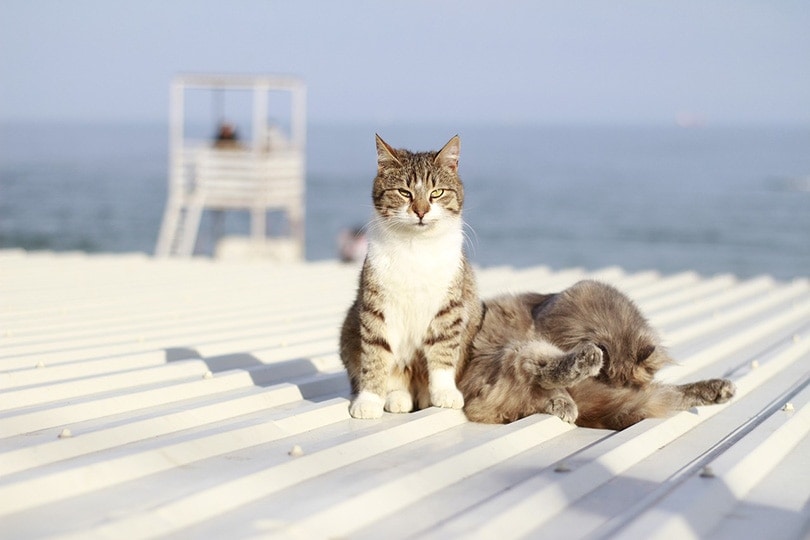
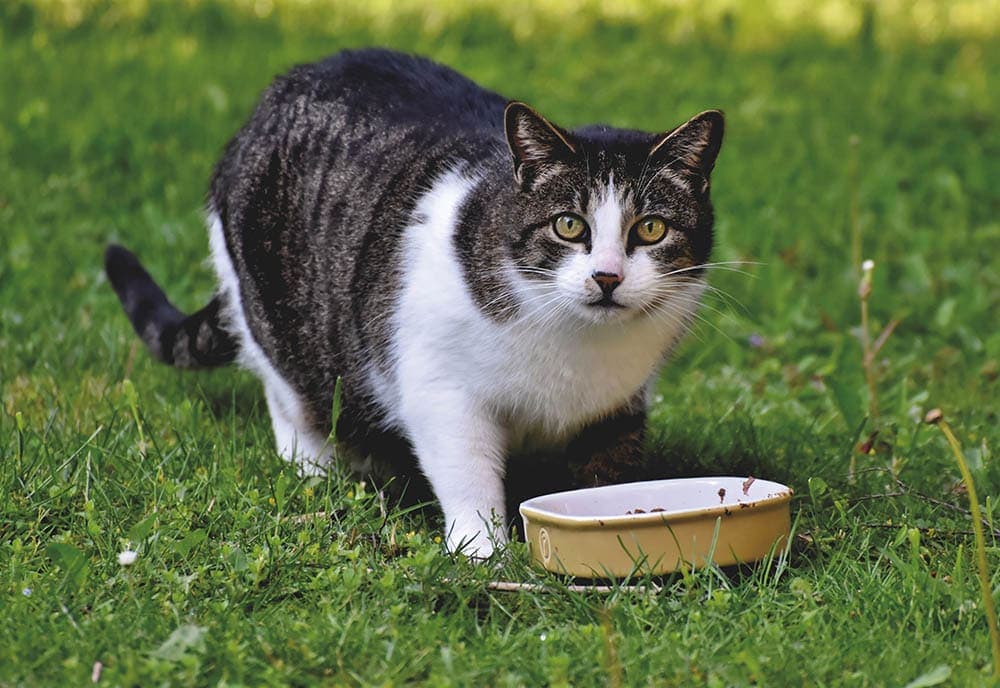
Unlike humans, cats do not produce vitamin D in their skin in response to sunlight. Their skin, fur, and body are not designed to synthesize it. As a result, cats must consume vitamin D in their diets, which is why it is often added to pet foods. Cats that rely on hunting will get their vitamin D from their prey.
While it makes sense that cats could synthesize vitamin D as we do, science proves otherwise. In a 1999 study kittens were fed a diet devoid of vitamin D and kept inside or exposed to direct sunlight or ultraviolet lamps.2 They all showed similar declines, so they removed some fur to reveal the skin. There was no difference, demonstrating that cats do not synthesize vitamin D in the same manner as humans.
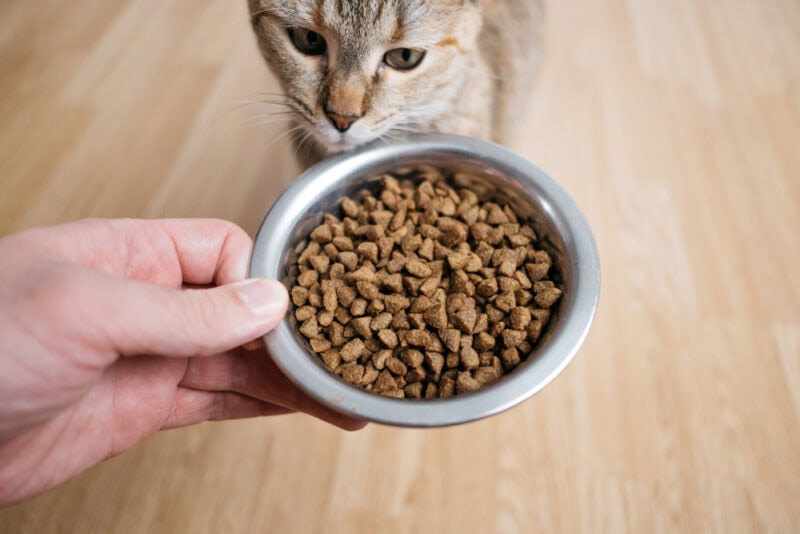
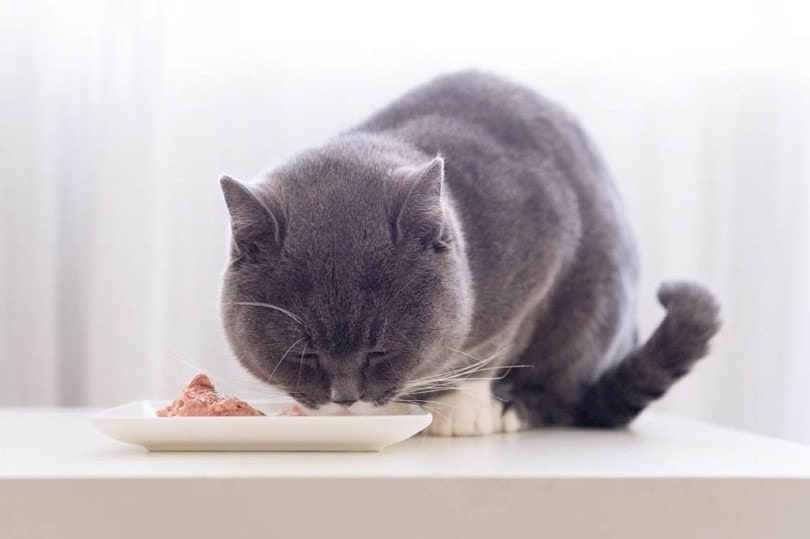
Cats can get vitamin D from various foods, but liver, fish, and egg yolks are the most common. Beef and dairy products are also good sources of vitamin D. According to the Association of American Feed Control Officials (AAFCO)3, adult cat food should contain no more than 30,080 international units (IU) of vitamin D per kilogram of food and no less than 280 IU.
This applies to commercial pet food that is easily found in stores, but if you prepare homemade food for your cat, it's crucial to speak to a veterinary nutritionist.
Should I Give My Cat a Vitamin D Supplement?
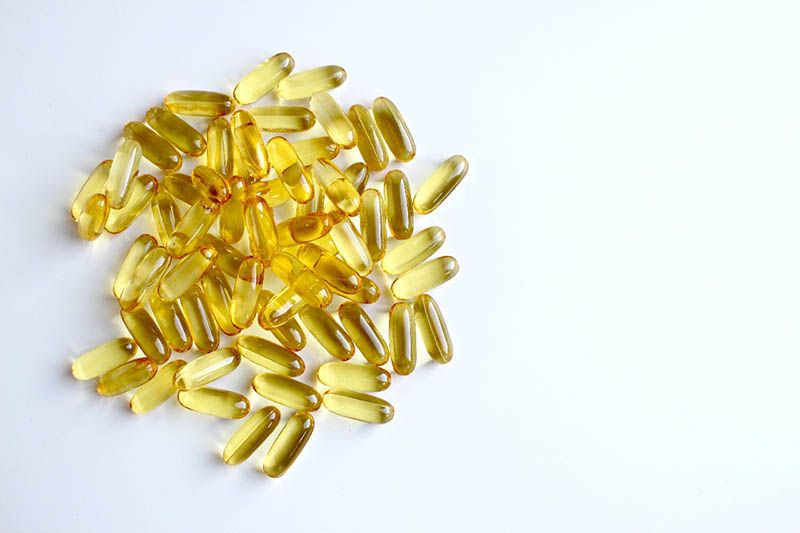
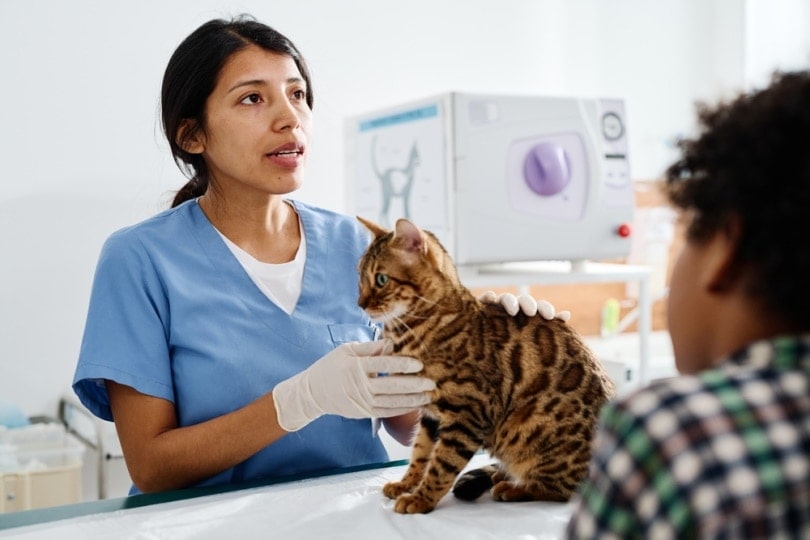
Never give your cat a vitamin D supplement unless specifically directed by your vet. If your cat is getting a well-balanced diet, but you suspect that it may be lacking vitamin D, you should consult a veterinarian. If a deficiency is diagnosed the first step is usually to increase dietary vitamin D ingestion by feeding a high quality cat food. If that isn’t enough to increase the vitamin D levels, your veterinarian may advise a brand of supplements for cats.
If your veterinarian recommends supplements for your cat, it's critical that you accurately follow the dosage. Too much vitamin D can be dangerous and cause toxicity.
Vitamin D Toxicity
Because vitamin D is a fat-soluble vitamin, excess amounts are stored in the liver, fatty tissue, and muscle rather than excreted through urine. This inability to eliminate excess vitamin D can result in toxicity. Because vitamin D maintains calcium levels in the blood, the levels can become dangerously high when there is too much vitamin D. The build-up of calcium deposits in the kidneys can lead to renal failure.
While cats can receive an overdose of vitamin D from improperly formulated diets, it is less common. Vitamin D toxicity is most commonly caused by ingesting highly concentrated synthetic forms of vitamin D, which can come from supplements, vitamin D-rich rodent bait and some prescription medications. Licking psoriasis cream off someone's skin which contains potent amounts of vitamin D3 is another way cats may ingest an overdose of vitamin D.
Signs of vitamin D overdose may include:
If you notice any of these signs in your cat, you must visit your veterinarian immediately.
How to Keep Your Cat Safe from Vitamin D Toxicity
While we know cats need vitamin D, they usually get a sufficient amount in their diets. However, an overdose is usually caused by synthetic vitamin D, so it's essential to keep your cat safe by:
- Avoiding food labels with high amounts of vitamin D
- Keeping medications that include vitamin D out of reach from your cat
- Be aware that psoriasis creams can contain high levels of vitamin D so ensure your cat doesn’t lick you after application.
- Removing plants containing vitamin D, such as Jasmine
- Keeping vitamin D tablets used for humans out of reach.
- Only using vitamin D supplements when prescribed by a veterinarian
Conclusion
Cats need vitamin D to stay healthy. Unlike humans, they do not synthesize vitamin D from the sun, so they have to acquire it from their diet. Most cat foods have suitable amounts of vitamin D, so if your cat is fed a good diet, they should receive adequate amounts of vitamin D. Vitamin D toxicity is most commonly caused by synthetic vitamin D, but it can be avoided. All in all, a balanced, complete, high-quality diet is all your cat needs.
Sources
Featured Image Credit: Pixel-Shot, Shutterstock
Get Hepper In Your Inbox


Pet care tips from our vets and experts, straight to your inbox.
You may opt-out at any time. View our Privacy Policy for more information.
Nicole is a lover of animals of all sizes but is especially fascinated with the feline variety. She’s the proud mom of Baby, a Burmese, and works every day so he can relax in the sunshine or by the fire. She’s always had a cat in her home and has spent countless days with others, observing behaviors and softening up even the grouchiest of the lot. Nicole wants to share her kitty expertise with you so you and your cat can live happy, healthy, and care-free.
Join the conversation
Ask a question, share your story, or send private feedback.