Hepper is reader-supported. When you buy via links on our site, we may earn an affiliate commission at no cost to you. Learn more.
My Dog is Breathing Heavy, Should I Worry? (Vet Answer)

In this article
From personal experience, you know that breathing can vary enormously depending on circumstances or situations. It can get faster or slower and shallower or deeper. While this is a very natural variation and is usually completely healthy, it can also reflect problems developing for your pet. The challenge is how to tell the difference between normal and abnormal changes, and this will guide your next steps as to what to do.

When Should I Be Worried That My Dog Is Breathing Fast or Heavy?
The best question to ask yourself is whether the breathing change is appropriate or not in the circumstances. Compare this to yourself and whether you would usually expect to breathe differently in this situation. If the answer is that the breathing is not appropriate, it is potentially a reason to worry. Don’t panic; several factors can affect breathing, and some are not life-threatening.
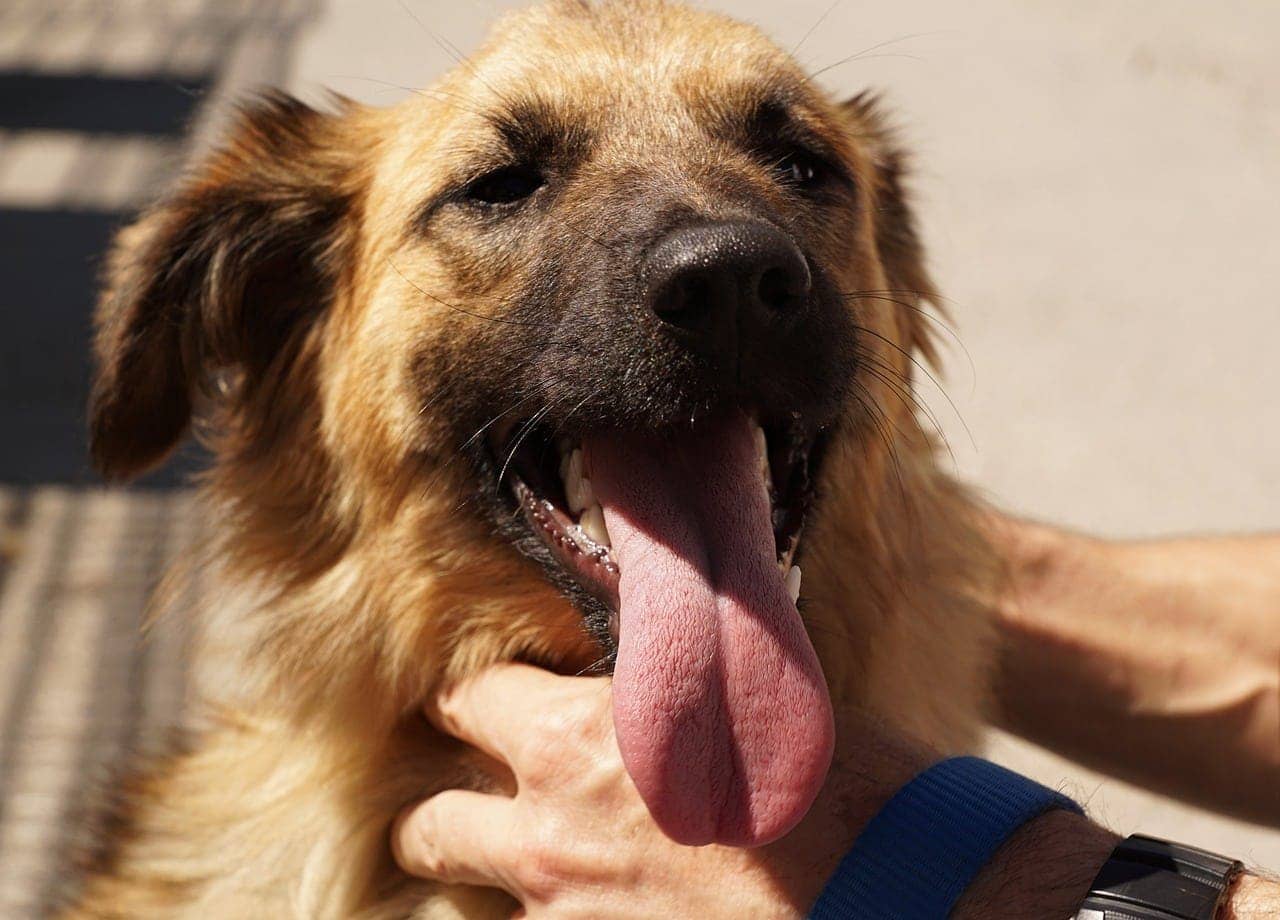
It is important to look at all the signs:
Signs Your Dog is Breathing Fast or Heavy
Why Is My Dog Breathing Fast or Heavy?
Breathing changes are a reaction to a wide variety of physical and emotional factors. Some can reflect internal problems, but many are completely normal adaptations the body makes to a particular set of circumstances.
Physical Effort, Heat, Pregnancy and Fear Are All Normal!
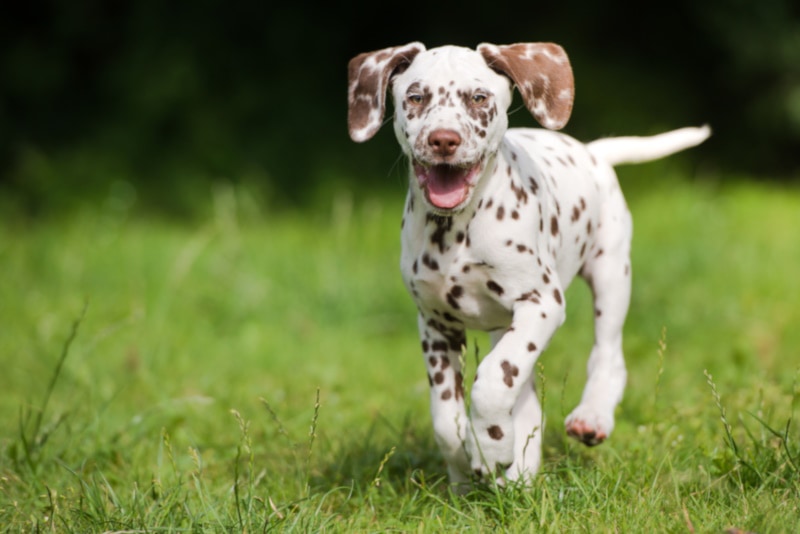
Normal reasons for breathing fast or heavy include physical effort (running around, playing), where breathing gets faster to take in more oxygen. If your dog is frightened or anxious, the breathing rate will also increase for the same reason.
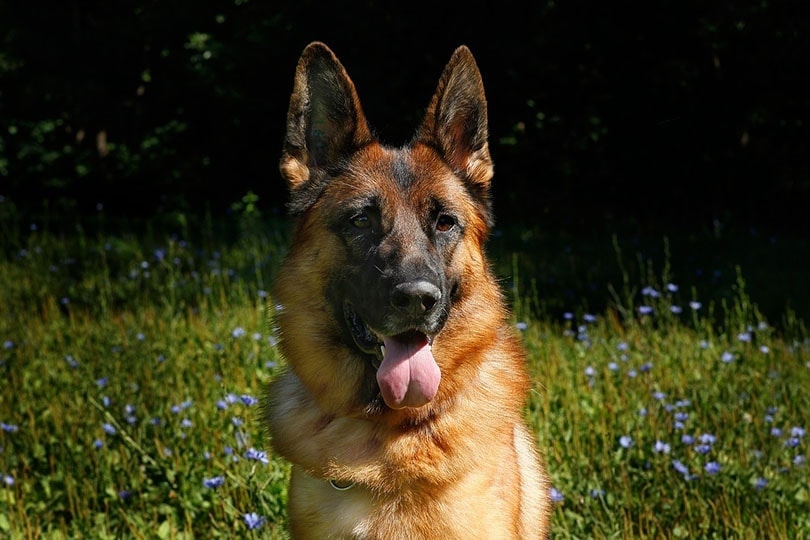
This can also be seen after a fit or seizure, reflecting emotional distress. If your dog is hot, they will also pant normally. Pregnant dogs usually have more labored breathing as there is often a lot of weight pressing against their chest in the form of puppies!
Pain
Heart, kidney, and liver problems can cause breathing problems and pain since they drive changes to the chemistry of the blood. Changing the breathing rate is the body trying to adapt to these chemical changes. Breathing changes in older dogs are often clues that something is changing inside.
Oxygen Deprivation
Breathing will also change if the body struggles to get oxygen into the blood and the organs. This can happen with lung and heart problems or if something obstructs the airways or lungs and reduces the ability to breathe correctly. Blood loss and anemia can also cause breathing changes, as the body doesn’t have enough blood to carry oxygen around the body.
My Dog Is Breathing Heavy, What Should I Do?
Steps to Take if Your Dog is Breathing Heavy

How Will My Veterinarian Investigate Heavy Breathing and Respiratory Distress in Dogs?
Your vet will first ask detailed questions about the background and signs of the problem. They will then perform a clinical examination of your dog for external clues. This initial stage is critical to narrow down the long list of potential causes of changes in breathing and allow you and your veterinarian to focus on the more likely possibilities for your dog.
Initial Stabilization
In an emergency, your dog may require initial stabilization before further work can be performed. If your dog cannot breathe or oxygenate the blood normally, it is life-threatening and must be treated immediately. This can be achieved through giving oxygen or intubation (placing a tube into your dog’s airway to open and secure it and provide oxygen). Your vet may also give drugs to calm your dog, as stress will be adding to their difficulties.
In rare circumstances, especially in choking situations, emergency intubation may be required by a tracheostomy, where your veterinarian will need to make a hole in your dog’s throat and insert a tube.
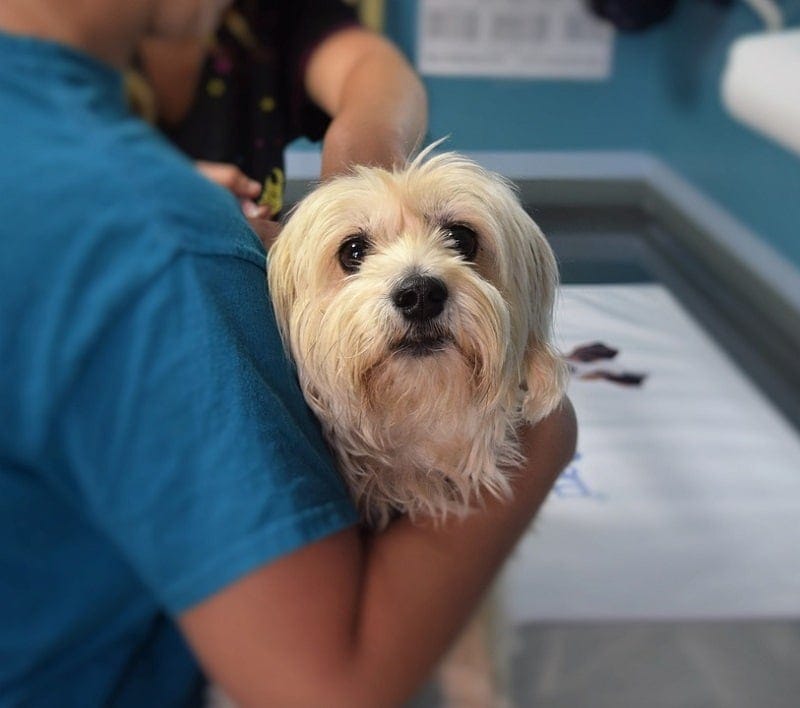
Testing and Diagnosis
To reach a conclusive diagnosis, your veterinarian may recommend blood tests to check for internal disease and changes in blood chemistry. Imaging may also be advised, including chest X-rays (or a chest CT scan) to assess the health of your dog’s heart and lungs. If pain is suspected as a cause, your veterinarian will look for common causes such as tummy pain or orthopedic pain (arthritis, for example). Specific tests may be conducted to narrow down the issue.
Depending on the exact cause, many problems are entirely treatable and have a good long-term prognosis. Unfortunately, some causes of changes in breathing are sinister and may not be treatable. As with all things, the sooner professional help is sought, the better your dog’s chances will likely be.
What Can I Give My Dog for Breathing Problems? Are There any Home Remedies to Breathe Better?
Home remedies may suit your dog, but a proper diagnosis is needed first to ensure there is no immediate risk to your dog. In addition, there are several causes of breathing issues, and you will likely miss the target at home. Home remedies are also at risk of worsening conditions affecting the heart, lungs, kidneys, and liver. Human medicines for breathing problems are not appropriate for dogs in most cases.
If your dog is breathing abnormally, the best advice at home is to keep your dog as cool, calm, and relaxed as possible. It is worth drawing curtains to darken the space and using fans or air conditioning to provide gentle, cool air movement. This will help you assess the situation described above and seek professional veterinary advice.
If your vet isn’t immediately worried about your dog’s condition, they will provide advice you can follow.

FAQs
What Are the Signs of Respiratory Distress in a Dog?
Look for heavy and fast breathing that is inappropriate, given the circumstances. Dogs may also stretch out their head or neck, have wide and fearful eyes, and make unusual noises like gasping or wheezing. Breathing faster than 30 breaths per minute is too fast if a dog isn’t or hasn’t recently been exercising.
How Do I Know if a Dog Has Fluid in His Lungs?
Fluid in the lungs is one potential cause of rapid breathing, and it prevents the lungs from doing their job as they cannot fully expand and get oxygen in. This would cause the signs of respiratory distress above, but it requires professional veterinary examination and chest X-rays to properly diagnose.
Why Does My Dog Sound Like He Can’t Breathe?
There are many causes of breathing issues, ranging from problems or obstructions affecting the airways to heart, lung, liver, and kidney problems. If you feel your dog cannot breathe, it is vital to seek emergency veterinary advice.
How Can I Give My Dog More Oxygen?
This is very difficult to achieve at home, as most homes will not have access to medical oxygen. If your dog needs emergency veterinary attention, the veterinary clinic can provide oxygen with a mask or intubation.
Is Rapid Breathing a Sign of Pain in Dogs?
Rapid breathing can be a sign of pain and may be accompanied by other signs. However, there are other causes of rapid breathing, and it’s best to let your vet determine what is affecting your dog.

Conclusion
Breathing is a highly variable body process and changes to reflect the demands of the current situation on your dog. It can also change rapidly with disease processes and pain, and unfortunately, there are a significant number of possible causes of heavy breathing in dogs. If you suspect your dog is breathing abnormally and inappropriately for the circumstances, it is best to seek professional veterinary advice sooner rather than later. It is not something you can treat at home.
Related Read:
Featured Image Credit: Sandra M. Austin, Shutterstock
Get Hepper In Your Inbox


Pet care tips from our vets and experts, straight to your inbox.
You may opt-out at any time. View our Privacy Policy for more information.
Greg graduated from the University of Cambridge over five years ago. Since then, he has been working in mixed-species practice in the UK — he enjoys working with all species, great and small! Outside of veterinary work, Greg enjoys the outdoors, gardening, and sport in all forms! He currently has just one amazing cat, called O'Malley. Greg loves writing and communicating veterinary knowledge, but still works as a vet full time, so writing is fitted around his clinical work and on days off.
Greg loves writing and communicating veterinary knowledge, but still works as a vet full-time, so he fits his writing around his clinical work and on days off. His amazing cat, O'Malley, is currently his only furry friend. Outside of veterinary work, Greg loves the outdoors, gardening, and sport in all forms!
Education
Greg is a graduate of the University of Cambridge in England.
Experience
Since graduating over six years ago, Greg has been working in mixed-species practice in the UK, though he enjoys working with all species, big and small!
Join the conversation
Ask a question, share your story, or send private feedback.