Hepper is reader-supported. When you buy via links on our site, we may earn an affiliate commission at no cost to you. Learn more.
Dizzy Dog Syndrome: Our Vet Explains Idiopathic Vestibular Disease


In this article
You woke up this morning, and your older dog wasn't acting quite right. He's got a head tilt and keeps stumbling in a circle. Did he have a stroke? You immediately called your veterinarian, who examined your dog and diagnosed vestibular disease. Let's take a look at what you need to know about this condition.

What Is Idiopathic Vestibular Disease?
Idiopathic vestibular disease generally occurs in older dogs, so it's often called "old dog vestibular disease". Your dog's vestibular system is made up of central and peripheral sections. Areas of the brain are the central vestibular system, while the vestibulocochlear nerve and its receptors in the inner ear make up the peripheral vestibular system. If any part of your dog's vestibular system is affected, they won't have average balance or coordination.

What Are the Signs of Idiopathic Vestibular Disease?
Idiopathic vestibular disease often comes on suddenly.
Common signs include:
Another common sign associated with vestibular disease is nystagmus. If your dog has nystagmus, their eyes rapidly jerk back and forth, up and down, or in a circular rotation.
Dogs with vestibular disease may be nauseous, so you might see vomiting, drooling, or lip-smacking. They often don't want to eat.
Vestibular disease generally occurs acutely, with a rapid onset. Your dog might go to sleep fine and wake up with a head tilt. The first day or two is usually the worst, but your dog's signs often gradually improve over the next several weeks.
What Are the Causes of Vestibular Disease?
Vestibular disease is most common in older dogs. However, it can occasionally occur in younger dogs, mainly when an underlying cause is an ear infection. Some breeds, such as Doberman pinschers and German shepherds, appear to have a higher occurrence of vestibular disease.
Your veterinarian will look for an underlying cause, such as:
Many cases of vestibular disease, especially in older canines, are idiopathic, which means your veterinarian can't find any underlying causes.

How Do I Care for a Dog With Vestibular Disease?
If your dog has vestibular signs, contact your veterinarian for an exam. While many cases of vestibular disease are not fatal, dogs can become dehydrated if they are vomiting or not drinking enough water.
Your veterinarian will recommend several tests when evaluating your dog for vestibular disease and a thorough neurologic and otoscopic ear exam.
- Blood work (biochemical profile and complete blood cell count)
- Thyroid testing
- Blood pressure
- Ear cytology
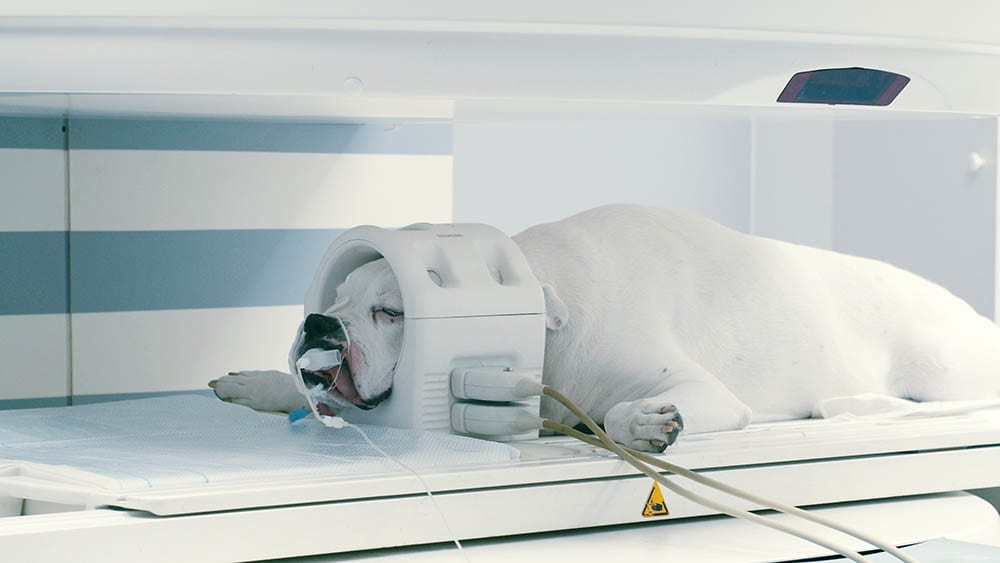
- MRI or CT
The mainstay of treating vestibular disease is time. As hard as it may be when your pet isn't feeling 100 percent, you've got to be patient and wait.
If an underlying condition triggers the vestibular disease, your veterinarian will treat it. For example, your veterinarian might prescribe medication to treat an underlying ear infection, or non-steroidal anti-inflammatory drugs or steroids could treat inflammation.
Dogs with nausea need anti-nausea medication, so a commonly utilized treatment is Cerenia (maropitant). Your veterinarian might prescribe meclizine, an anti-sickness and antivertigo drug which is often used to help motion sickness.
If your dog isn't eating or drinking, your vet will likely give them fluid therapy (IV or subcutaneous fluids, depending on the condition). Your pup might also need nutritional support, such as highly palatable and calorie-dense veterinary diets.
Keep in mind that if there is irreversible damage to the vestibular centers, such as a chronic ear infection that leads to calcification of the ear canal or a brain tumor, the vestibular changes may be permanent.
While most dogs recover within a few weeks, some dogs will take months and may be left with a lingering head tilt or abnormal gait.
While your dog recovers, you may need to assist your furry family member in getting around. Don't let them hop on and off furniture, where they could stumble and hurt themselves. Make sure food and water dishes are easily accessible so that your dog can eat and drink readily.
Frequently Asked Questions (FAQ)
How long can a dog live with vestibular disease?
Vestibular disease does not itself shorten most dogs' lifespans. However, the underlying cause, such as a brain tumor, could shorten your dog's life expectancy.
Is vestibular disease in dogs painful?
Vestibular disease is classified as non-painful. However, some dogs with underlying infections or traumatic injuries that led to vestibular disease could be in pain. If this is the case, your veterinarian will prescribe pain medication.

Final Thoughts
Vestibular disease in dogs can make it difficult to pinpoint an underlying cause, and many cases are considered idiopathic. While it can be stressful for owners and even dogs, many pets will do better if given enough time.
Sources
Featured Image Credit: Mary Swift, Shutterstock
Get Hepper In Your Inbox


Pet care tips from our vets and experts, straight to your inbox.
You may opt-out at any time. View our Privacy Policy for more information.
Dr. Samantha Devine is a veterinarian who loves sharing her knowledge about animal species and their care with others. Whether it's a guinea pig question or a pressing matter about something your dog ate, Dr. Devine is always striving to provide clear and helpful answers.
Dr. Devine received her degree from the Virginia Maryland Regional College of Veterinary Medicine.
Dr. Devine has been practicing veterinary medicine for over 12 years and has spent a great deal of that time writing online to educate pet parents. She is particularly passionate about preventative care.
Dr. Samantha Devine is a veterinarian who loves sharing her knowledge about animal species and their care with others. Whether it's a guinea pig question or a pressing matter about something your dog ate, Dr. Devine is always striving to provide clear and helpful answers. She is passionate about preventative care and firmly believes in the old adage, "An ounce of prevention is worth a pound of cure."
Education
Experience
Dr. Devine has been practicing veterinary medicine for over 12 years and has spent a great deal of that time writing online to educate pet parents. In addition to general practice small animal medicine, she has worked with horses. zoo animals and aquatic species. She enjoys all aspects of preventative medicine, from nutrition to vaccines.
Join the conversation
Ask a question, share your story, or send private feedback.