Hepper is reader-supported. When you buy via links on our site, we may earn an affiliate commission at no cost to you. Learn more.
Rosemary for Dogs: Our Vet Explains The Safety, Potential Uses & Efficacy

In this article
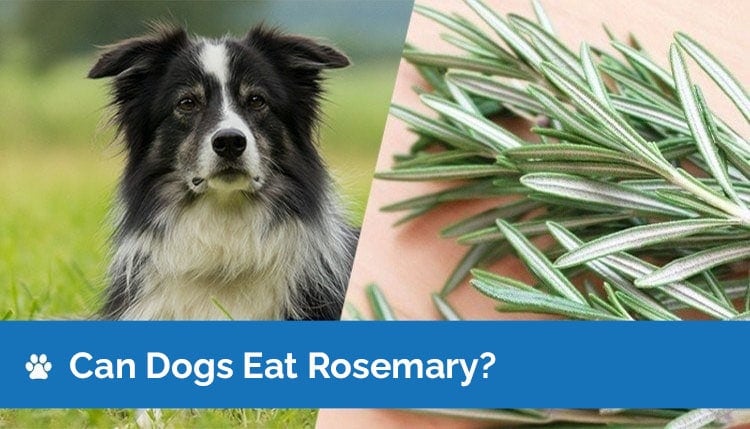
You've got a lovely pot of rosemary in your back garden that your dog loves to sniff. You might even consider adding it to treats that you're making for your pup. You know that some plants are toxic for dogs and should be avoided at all costs. But can your dog eat rosemary?

Can Dogs Eat Rosemary?
According to the ASPCA, rosemary is non-toxic to dogs, cats, and horses1. This fact relates to the plant itself, not necessarily preparations made from it, such as rosemary essential oils. Rosemary is touted as having a multitude of health benefits for people, but we're not sure exactly what benefits dogs receive from ingesting rosemary.
The herb itself is safe to consume in small amounts. It's even used in some pet foods to help stabilize the kibble and keep it from going rancid. Too much of a good thing can cause GI upset, particularly if your dog eats a bunch of the fibrous plant.

Benefits of Using Rosemary for Dogs
Rosemary has been shown to have several significant benefits in people, which may apply to dogs:
- Antimicrobial properties
- Anti-inflammatory properties
- Acts as an antioxidant
- Maybe an anti-tumorigenic agent
- Improves mood
- Decreases anxiety
- Decreases pain
- May improve memory
Giving Your Dog Rosemary
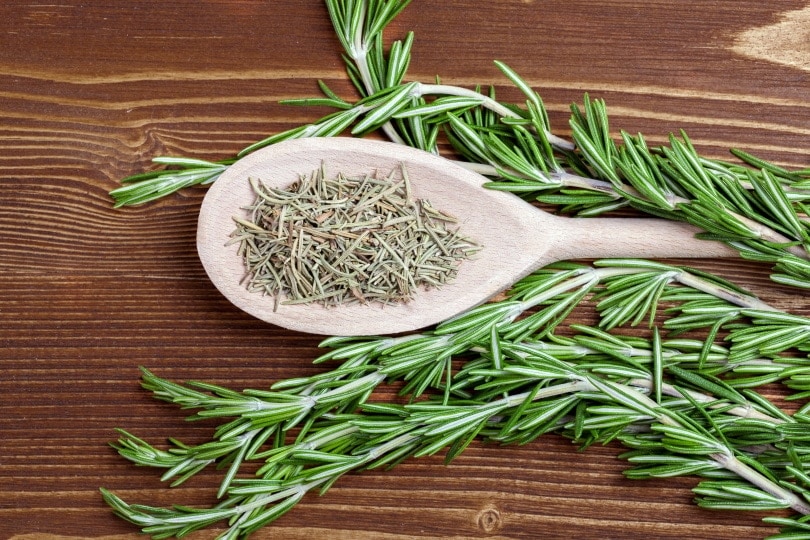
The best way to add rosemary to your dog's diet is to add a little bit of chopped-up rosemary to its fresh or dried food. You could also bake the rosemary into dog biscuits to offer a little extra flavor.
While rosemary has potential benefits for dogs, you would likely need to give it a lot to reap the benefits. Too much rosemary could throw off your dog's nutrient balance. You could consider adding fresh rosemary to your dog's shampoo. It would add a pleasant fragrance and might have some topical antimicrobial benefits for dogs with skin issues.

Dangers of Using Rosemary Essential Oils
You're likely fine using rosemary essential oils in a diffuser in your dog's room. However, dogs with respiratory issues should not be in the room. You should not apply rosemary essential oils directly to your dog's skin because they can irritate its coat and skin. These pills should also not be fed directly to your dog. Talk to your veterinarian about whether your dog might benefit from rosemary in a carrier oil or tincture.
In people, rosemary oil has been linked to seizures. Rosemary essential oil, in particular, contains compounds that promote convulsant activity, such as camphor and thujone. We don't know its effect on a dog's seizures, so it should be used cautiously and avoided in dogs with a history of seizure activity.
Rosemary and Food Storage
If you see rosemary on your dog's food label, don't panic. The food company will likely use rosemary as a safe but weak preservative. It is used for its antioxidant and antimicrobial benefits.
Frequently Asked Questions (FAQ)
What other herbs are safe for dogs?
Some of the herbs you cook with can be safe for your dogs, including:
- Chamomile
- Dill
- Cinnamon
- Parsley
- Peppermint

What are some spices or herbs to avoid giving your dog?
There are risks if you give your dog certain spices or herbs, such as:
- Allspice
- Black pepper
- Bay leaf
- Cocoa powder
- Onion powder
- Garlic powder
Can dogs be allergic to rosemary?
While it doesn't seem common, some dogs can be allergic to rosemary. Signs of allergies in dogs include:
- Licking paws
- Itchy ears
- Skin infections
- Sneezing
- Vomiting or diarrhea
Final Thoughts
Adding rosemary to your dog's diet should only be an issue if your dog has a history of seizures. Rosemary appears to have several health benefits for pets and people, but more research is needed.
Sources
Featured Image Credit: Pilialoha, Shutterstock
Get Hepper In Your Inbox


Pet care tips from our vets and experts, straight to your inbox.
You may opt-out at any time. View our Privacy Policy for more information.
Dr. Samantha Devine is a veterinarian who loves sharing her knowledge about animal species and their care with others. Whether it's a guinea pig question or a pressing matter about something your dog ate, Dr. Devine is always striving to provide clear and helpful answers.
Dr. Devine received her degree from the Virginia Maryland Regional College of Veterinary Medicine.
Dr. Devine has been practicing veterinary medicine for over 12 years and has spent a great deal of that time writing online to educate pet parents. She is particularly passionate about preventative care.
Dr. Samantha Devine is a veterinarian who loves sharing her knowledge about animal species and their care with others. Whether it's a guinea pig question or a pressing matter about something your dog ate, Dr. Devine is always striving to provide clear and helpful answers. She is passionate about preventative care and firmly believes in the old adage, "An ounce of prevention is worth a pound of cure."
Education
Experience
Dr. Devine has been practicing veterinary medicine for over 12 years and has spent a great deal of that time writing online to educate pet parents. In addition to general practice small animal medicine, she has worked with horses. zoo animals and aquatic species. She enjoys all aspects of preventative medicine, from nutrition to vaccines.
Join the conversation
Ask a question, share your story, or send private feedback.