Hepper is reader-supported. When you buy via links on our site, we may earn an affiliate commission at no cost to you. Learn more.
Dog Charcuterie Boards: 8 Vet-Approved Barkcuterie Ideas for Your Pup


In this article
Charcuterie boards are often a staple at dinner parties and gatherings. They can include many foods that dogs would love to eat. However, not all foods on a charcuterie board are safe for dogs. Cured meats and certain cheeses aren’t the best options, and some foods like grapes are toxic to dogs.
Fortunately, your dog can still participate in the festivities by enjoying a barkcuterie board. Barkcuterie boards include an array of snacks that are both tasty and safe for dogs to eat. Here are some ideas of foods you can use to arrange a beautiful barkcuterie board for your dog to enjoy at your next dinner party.

The 8 Charcuterie Board Ideas for Your Dog
1. Meat
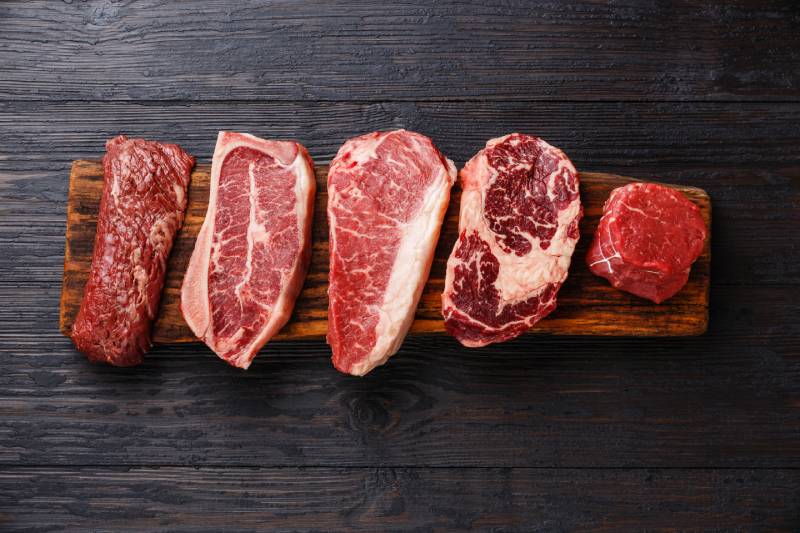
While most dogs will be fine if they eat a small bite of cured meat or deli meat, it’s still not recommended to feed them large quantities. They contain a lot of sodium and can include artificial flavors and preservatives. Jerkies can also have a lot of added sugars, especially if they’ve been flavored.
Safer alternatives for cured meats are plain, fully cooked, lean cuts of meat. You can place chicken, beef, pork, or turkey on your dog’s barkcuterie board. There are also plenty of jerky treats that are specifically made for dogs and only include ingredients that are safe for them to eat.
2. Cheese
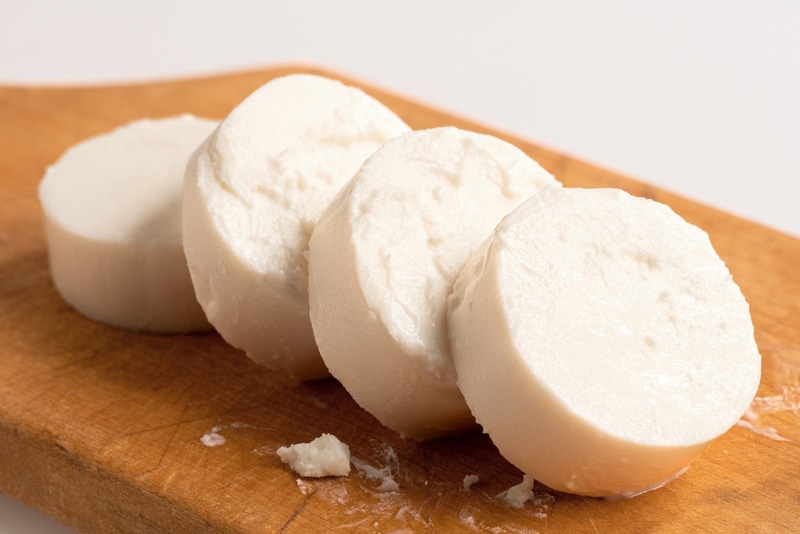
Certain cheeses are safe for dogs to eat, and most dogs won’t refuse a savory cube of cheese. Since cheese tends to have a high-fat content, try to choose more low-fat options for your dog’s barkcuterie board. Local grocery stores are often stocked with low-fat mozzarella or cottage cheese.
While cheeses are often the main star of charcuterie boards, it’s best to limit the amount of cheese that’s on a barkcuterie board to just a bite or two. Many adult dogs are lactose intolerant and can get sick if they eat too much cheese. You can try to add goat cheese to the barkcuterie board for a little more variety. Avoid cheeses with additional seasonings, such as onion and garlic.
3. Fruit
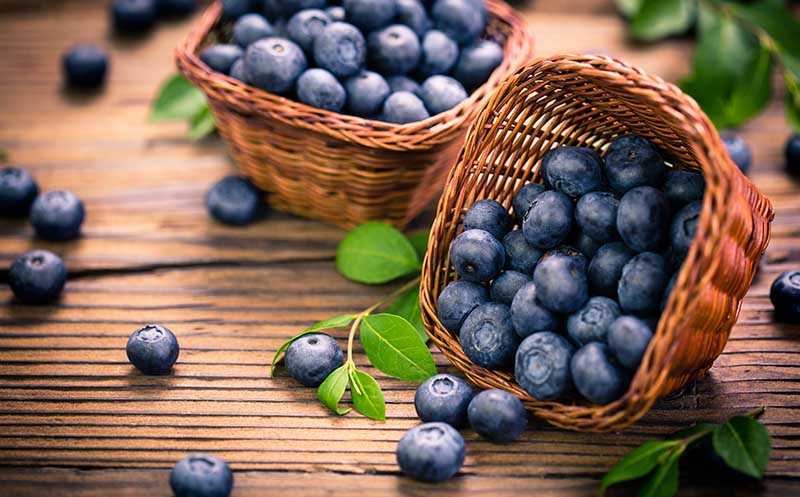
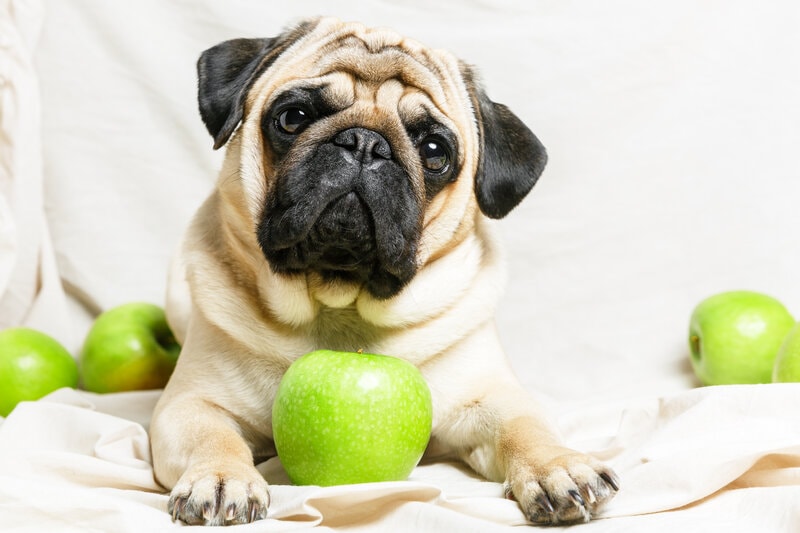
Dogs can enjoy eating many different kinds of fruits, and fruits often add a nice splash of color to barkcuterie boards. Dogs can eat most berries, including blueberries, strawberries, and raspberries. Many dogs are also fans of apples, bananas, melons, and pears.
When preparing fruit for your barkcuterie board, make sure to remove any pits and larger seeds to prevent any risk of choking. Pieces of fruit should also be sliced into small chunks or thin slices. This is another one to limit to one or two bites as the high sugar content can cause an upset stomach.
4. Vegetables
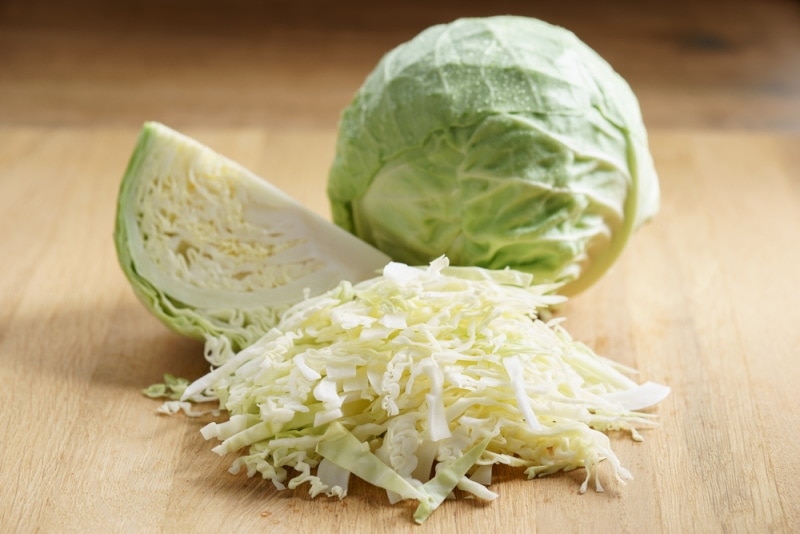
Vegetables make excellent low-calorie snacks to add to a barkcuterie board. Common favorites amongst dogs include carrots, green beans, sweet potatoes, corn, and peas. If you plan to add starchy root vegetables like sweet potatoes and yams to your barkcuterie board, make sure that they’re fully cooked.
Some vegetables may be too tough for dogs to eat in their raw form and are better served cooked. Broccoli, Brussels sprouts, and cabbage are all vegetables that are more easily digested when they’re steamed. However, some dogs may still experience bloating and extra flatulence when eating these types of vegetables. So, it’s best not to keep giving them to your dog if you notice your dog having a difficult time digesting them.
5. Biscuits and Crackers
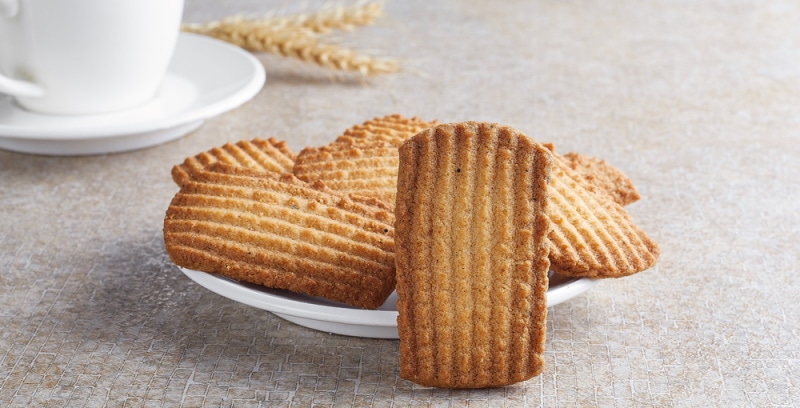
Crackers can add a nice crunchy texture to barkcuterie boards. However, many crackers and biscuits made for human consumption are seasoned with a lot of salt and ingredients that aren’t safe for dogs to eat. This includes garlic powder, onion powder, dried chives, and oregano.
The safest option to use on your dog’s barkcuterie board are dog biscuits because they’re made of ingredients that are completely safe for dogs to eat. Just make sure to add high-quality biscuits that don’t use artificial colors, flavors, and preservatives.
6. Dips
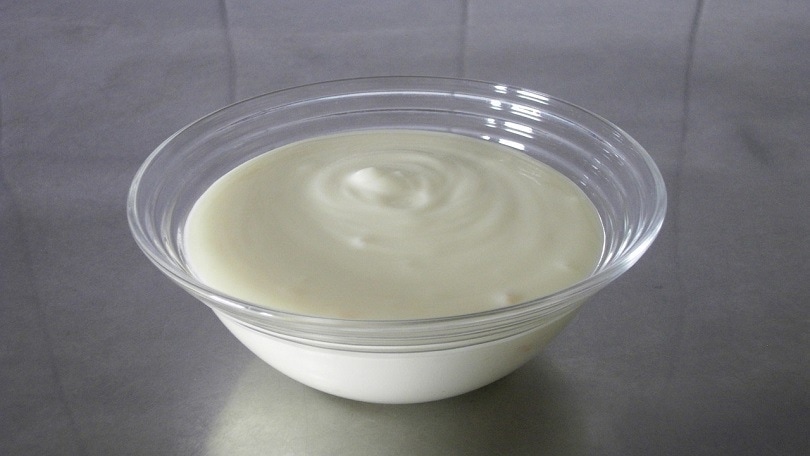
Jam is often too sugary for dogs and can make them feel sick. Feeding dogs too much sugar can also lead to many health complications, such as obesity and diabetes, over time. However, you can still add other kinds of dog-friendly dips to your barkcuterie board. Low-fat plain yogurt is a safer option.
7. Chews
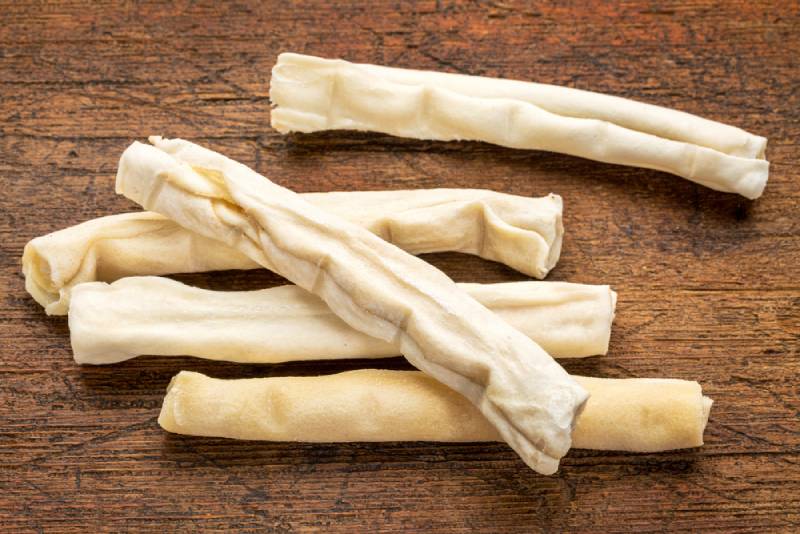
Dog chews are a much safer alternative to jerkies made for humans. You can get really creative with the types of chews you add to your dog’s barkcuterie board. Rawhide, Himalayan yak cheese, dried tendons, and bully sticks are all excellent options to consider. You can even add dental chews to help freshen your dog’s breath.
If you plan to add chews to your barkcuterie board, just make sure that they’re appropriately sized for the dogs that will be eating from it. Chews that are too large for dogs can cause choking and tooth damage, and larger dogs that eat chews designed for smaller dogs are at risk of choking on them. Also be sure to supervise your dog while they’re working on a chew.
8. Lick Mat or Slow Feeder Bowl
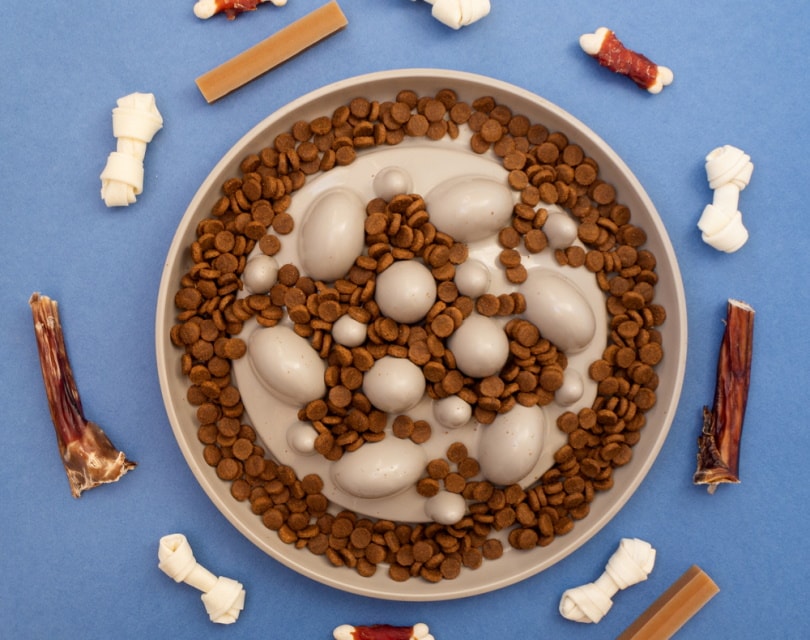
If you’re making a solo barkcuterie board for your dog, consider using a lick mat or slow feeder bowl as your platter. Lick mats are excellent sensory toys for dogs that can also help reduce stress. Slow feeder bowls will help your dog take their time with eating their food and lower the risk of choking. Overall, these types of bowls are good for enrichment and mental stimulation. So, they make barkcuterie boards an even more fun experience for dogs.

The 5 Foods to Avoid Putting on Barkcuterie Boards
We mentioned how cured meats aren’t the best foods to put on barkcuterie boards. Here are some other foods commonly placed on charcuterie boards that shouldn’t be included on a barkcuterie board.
1. Grapes
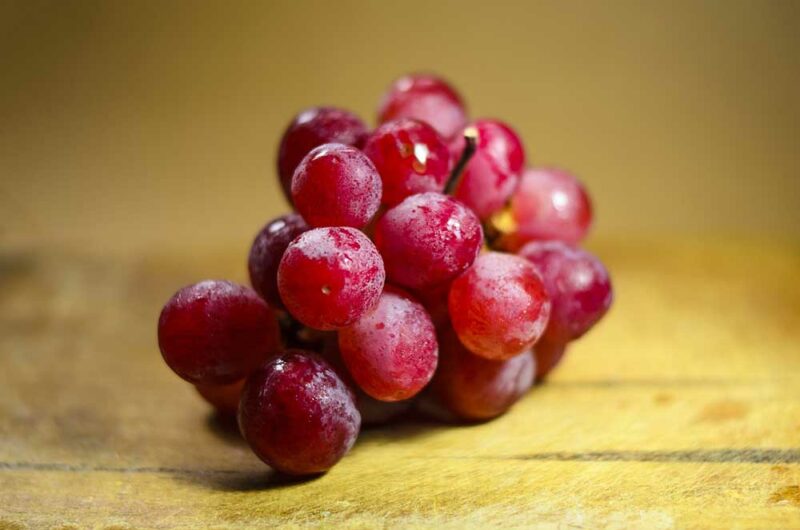
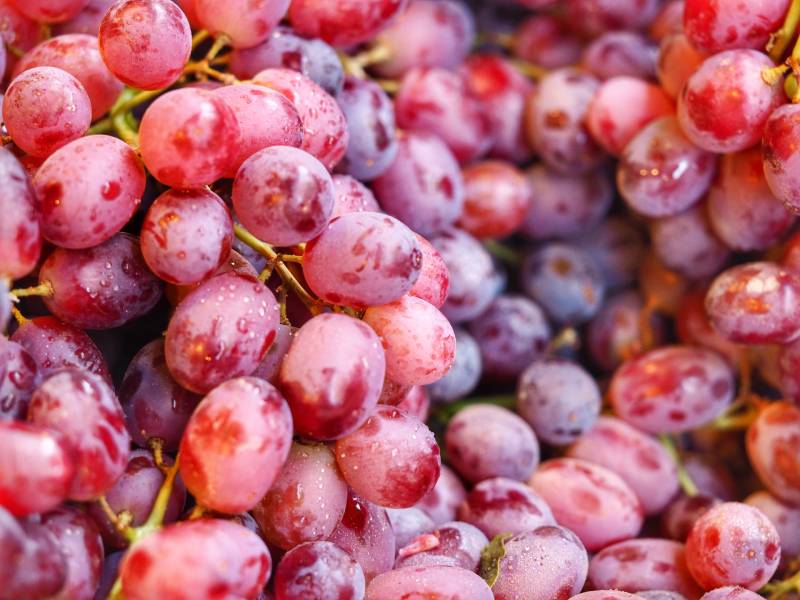
Any kind of grape is toxic to dogs and should be avoided because they can cause kidney damage. The toxic substance in grapes remains unknown, and it is unclear exactly how many grapes a dog can eat before they get sick. Therefore, it’s best to refrain from feeding your dog any grapes or grape products, including grape jam and raisins.
2. Dried Fruit
While most dried fruits aren’t toxic to dogs, they’re still not healthy for dogs to eat. They have a much higher sugar content than fresh fruit. They’re also more prone to getting stuck between your dog’s teeth, which can contribute to plaque buildup and dental issues.
3. Olives
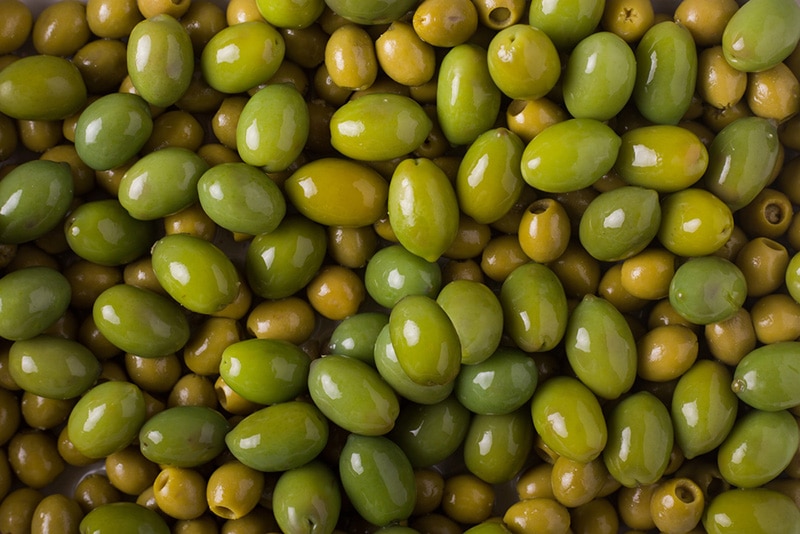
Olives are another food that’s not toxic to dogs, but they’re not that healthy either. Olives are often packed in salty brine and oil and can cause dogs to feel sick if they eat too many. Unpitted olives can also be a choking hazard for dogs. Stuffed or marinated olives can include ingredients that are harmful for dogs, such as garlic and alcohol.
4. Blue Cheese
Blue cheese is a type of cheese that’s unsafe for dogs due to the type of mold it contains. Because this mold can make dogs sick, dogs shouldn’t be fed blue cheese and other soft-ripened cheeses. This includes gorgonzola, Roquefort, and stilton cheeses.
5. Nuts and Seeds
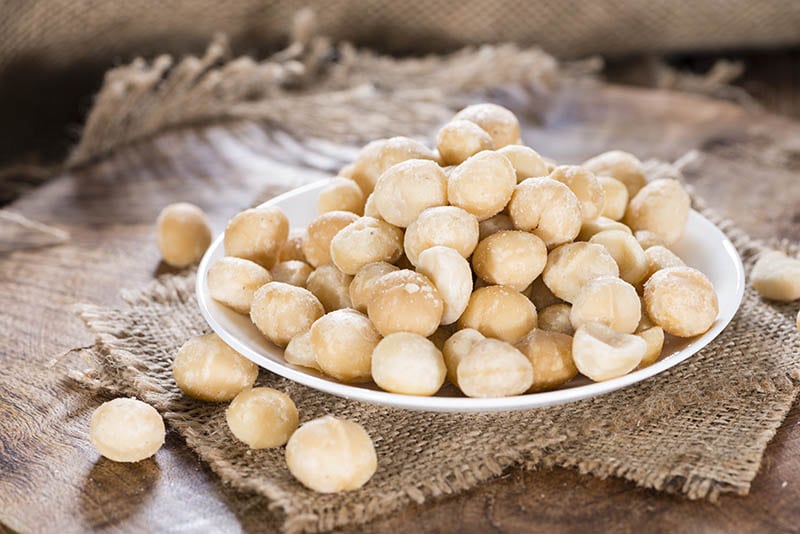
Most nuts and seeds aren’t toxic to dogs, but they’re not the best option to feed either. They contain a lot of fat, and some varieties can be a choking hazard or throat irritant to dogs. They’re also prone to getting stuck between your dog’s teeth, which can cause dental issues. Macadamia nuts are also toxic to dogs, so they definitely shouldn’t have a place on the barkcuterie board.
Conclusion
We hope you’re feeling more inspired to create a beautiful barkcuterie board for your dog. Assembling a barkcuterie board with many tasty foods will be sure to be a hit at your next party. Just remember to consult your veterinarian before adding any foods to your dog’s diet, keep the amounts small, and to make barkcuterie boards a very occasional thing, not a staple of their daily diet.
Sources
Featured Image Credit: Michael Berlfein, Shutterstock
Get Hepper In Your Inbox


Pet care tips from our vets and experts, straight to your inbox.
You may opt-out at any time. View our Privacy Policy for more information.
Jessica is a freelance writer who spends most of her day reading and writing while her fluffy Cavapoo, Nora, naps beside her. She loves and appreciates pets and animals because there’s so much to learn from them, and they do so much for people. As a dog mom, she understands the special relationship that pet parents have with their pets. So, she loves sharing helpful information that people can use to better understand their pets. When she’s not writing, you can find her walking dogs, tending to her plant babies, or drinking her nth cup of coffee.
Join the conversation
Ask a question, share your story, or send private feedback.