Hepper is reader-supported. When you buy via links on our site, we may earn an affiliate commission at no cost to you. Learn more.
10 Foods High in Vitamin C for Dogs (Vet-Verified Facts)



Roughly 50% of Americans take a daily vitamin or multivitamin.1 Therefore, it’s not surprising that nutrition is on pet owners’ radar as well. The pet dietary supplement industry is booming, with an estimated 5.77% CAGR between 2022–2026 or $858.27 million.2
We understand people care about their animals. However, is vitamin C necessary for our dogs? While dogs synthesize vitamin C in their livers,3 it can still be a beneficial supplement that works as an antioxidant and reduces inflammation.
If your vet deems it necessary, here are a few foods you can feed to your dog to give them a boost of vitamin C.

The 10 Foods High in Vitamin C for Dogs
1. Potatoes
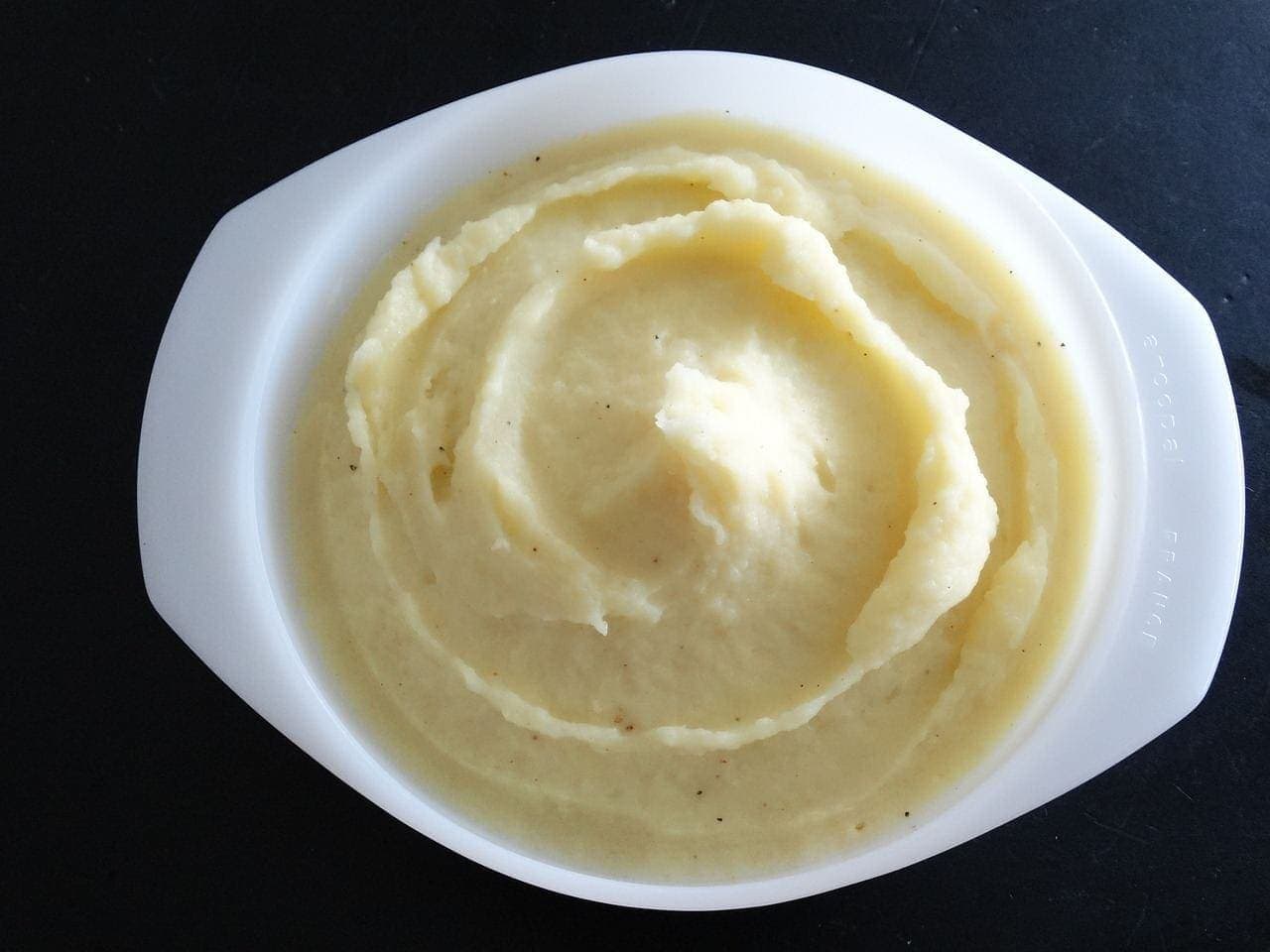
Unlike their wild counterparts, dogs can digest other foods better, thanks to three genes4 they gained through evolution. They allow our pets to metabolize glucose and starches so that they can eat nutrient-rich foods, like potatoes. The amount of vitamin C isn’t a lot, so you don’t have to worry about overdosing on the nutrient.
Potatoes pack a lot of starch, so moderation is imperative. You should also skip the added salt, butter, and sour cream. Giving your pup a small portion of a plain baked potato will provide potassium and magnesium to its diet as well.
2. Pumpkin
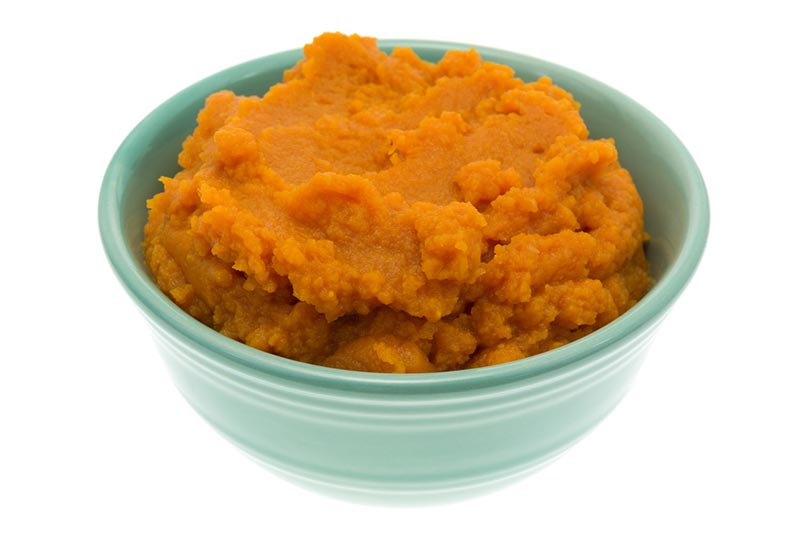
If your dog ever went through a bout of GI distress or vomiting, your vet likely recommended a bland diet that may have included pumpkin for dietary fiber. It also contains many vitamins and minerals, including vitamin C. It has fewer calories than potatoes, making it a good choice. Getting canned pumpkin without salt is essential—don’t grab the pumpkin pie mix by accident.
The latter contains many things your dog shouldn’t have, like sugar, salt, and a high number of calories. The canned version is easier for your pup to digest than chunks of raw pumpkin. There’s also less risk of choking or an obstruction if your pet gobbles it without chewing.
3. Strawberries

Strawberries are a rich source of vitamin C and other nutrients while containing fewer calories than many different food sources. Their size makes it easy to offer them to your dog as an occasional treat. Be sure to cut off the green portion before giving them to your dog. The fruits are also low in carbohydrates and total sugars, so they won’t cause a spike in your pup’s blood glucose levels.
4. Blueberries
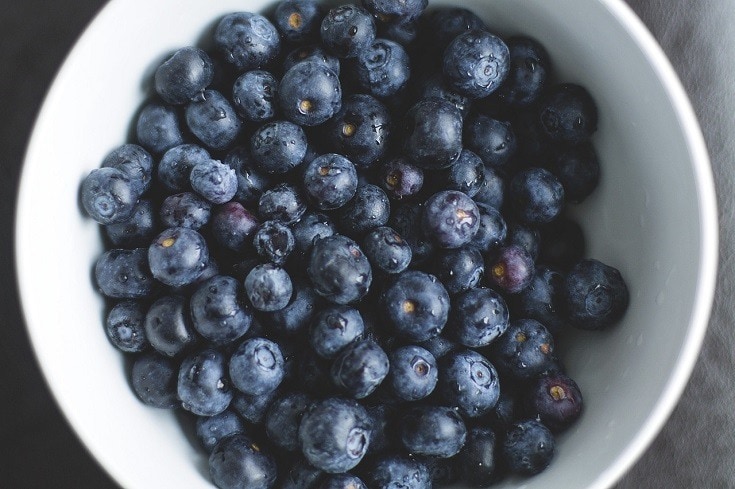
Blueberries are another highly nutritious fruit to add to your dog’s menu. Like many produce items, these berries are made of primarily water. The calories, total sugar, and carbs are more than strawberries. However, their small size is a godsend since you have better control over how much your pup gets for a treat.
Blueberries have a plethora of vitamins and minerals, including vitamin C. Interestingly, a small study showed that dogs prefer the scent of these berries, which may entice finicky pets.
5. Cantaloupe
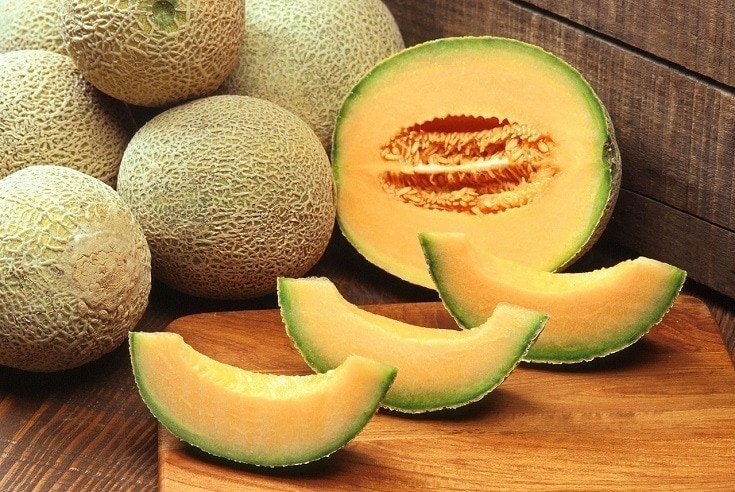
Cantaloupe is another excellent food high in vitamin C. It’s surprisingly low in calories, given its natural sweetness. It is lower than blueberries in sugar and carbs as well. One good thing about it is the ease of offering it to your pup. You don’t have to worry about seeds getting between your dog’s teeth, like strawberries and raspberries. The melon is soft, making it easier for your dog to eat it with little risk of choking or obstruction if cut to an appropriate size.
6. Raspberries
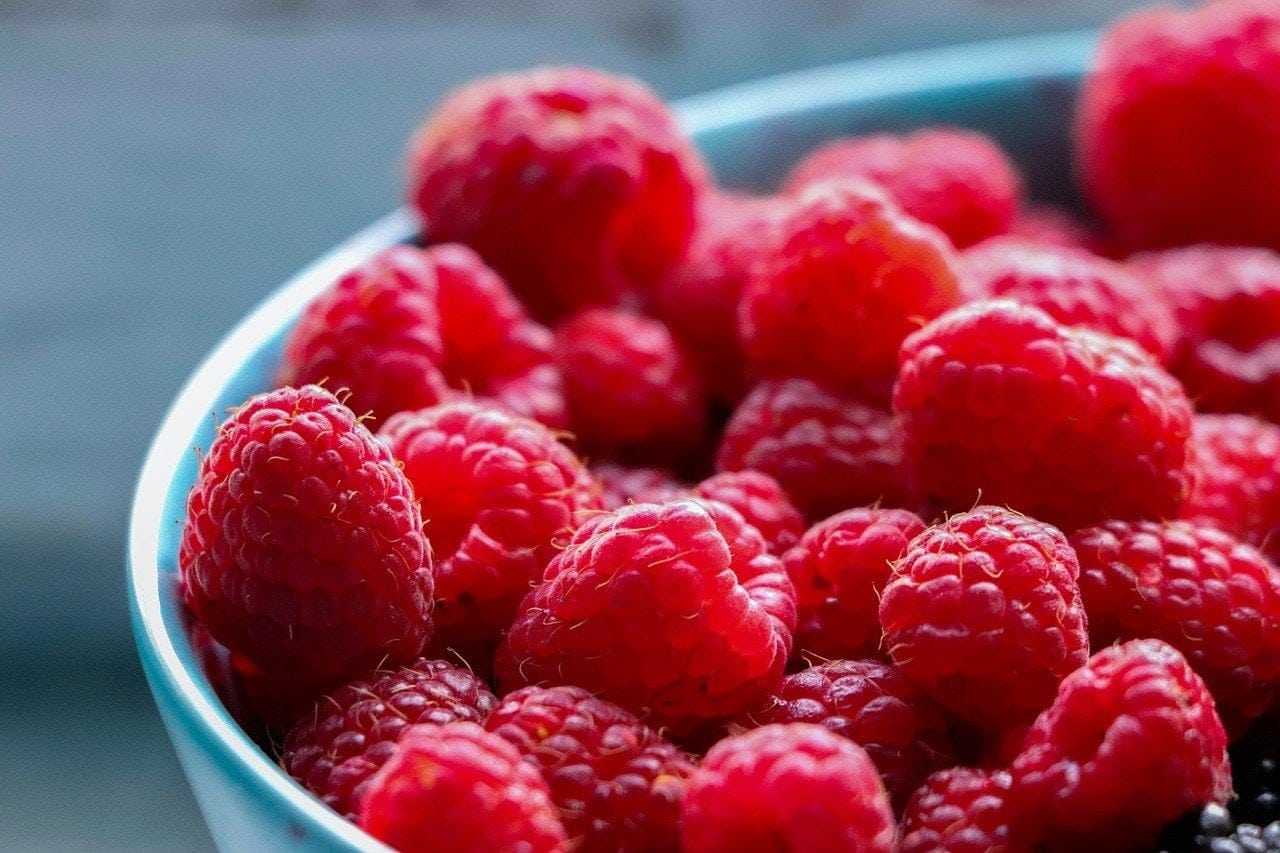
Raspberries have more carbs but less sugar than the other berries on our list. Their fiber content is impressive. It also contains 1.2 g of protein in a 100-gram serving. The potassium and vitamin C contents are decent, making them a good choice for you, too.
7. Carrots
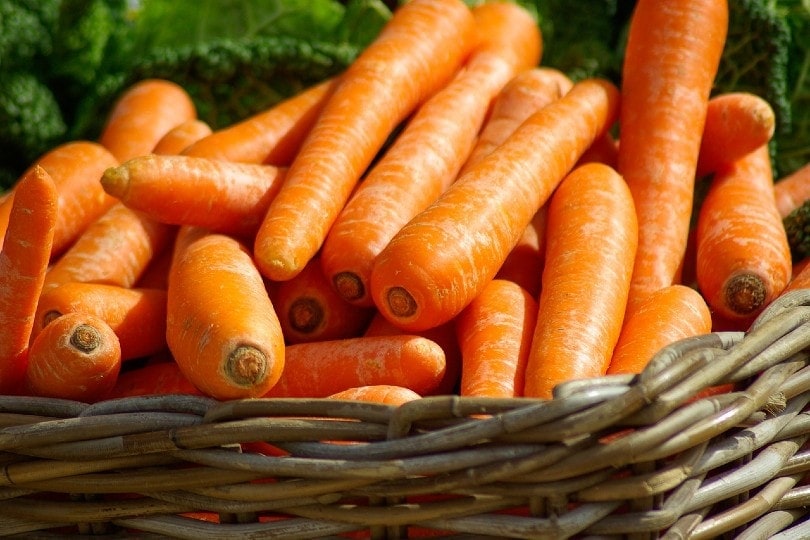
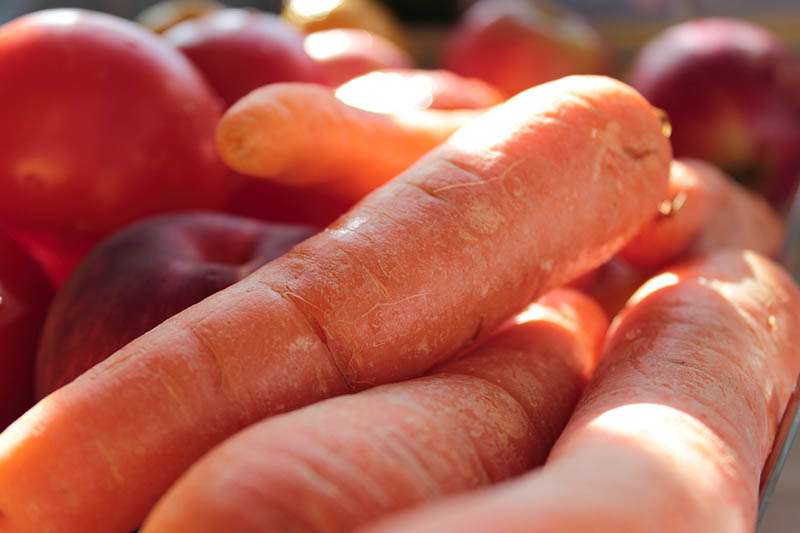
Many pet owners use carrots as a training aid or occasional treat. Dogs also seem to enjoy them. We suspect it’s the texture, which isn’t too different from the biscuits or chews you might give your pup. The carrots offer a natural dental health aid. It’s low in calories and sugar. Yet, it provides an excellent fiber source that can help your pet feel sated.
8. Bananas
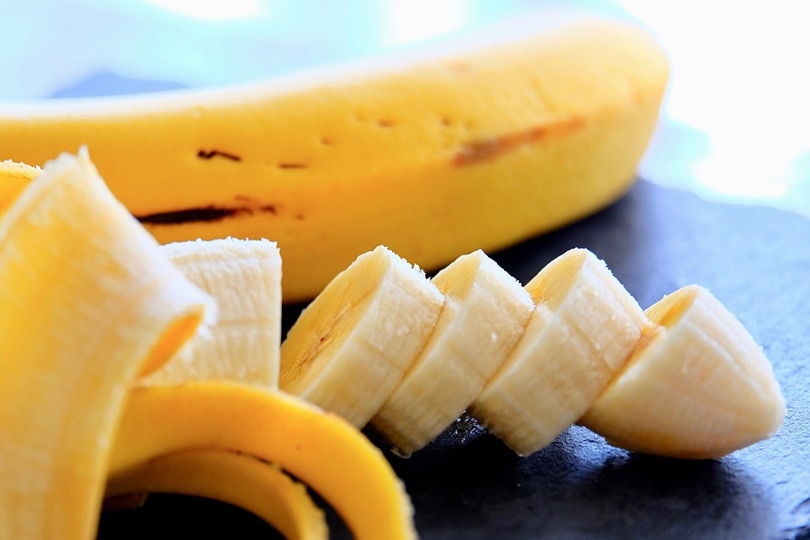
Bananas have more calories and carbs than many other fruits and vegetables. However, it has other things to earn a place on our list. It’s a rich source of potassium, fiber, magnesium, and vitamin C. The soft consistency makes it easy to add to your pet’s regular diet. Just mush it up with its canned food for a healthy nutrient boost.
We recommend sticking with the raw fruit instead of the dried version, which packs more sugar. You should also make bananas an occasional treat rather than something your pup gets frequently.
9. Apples
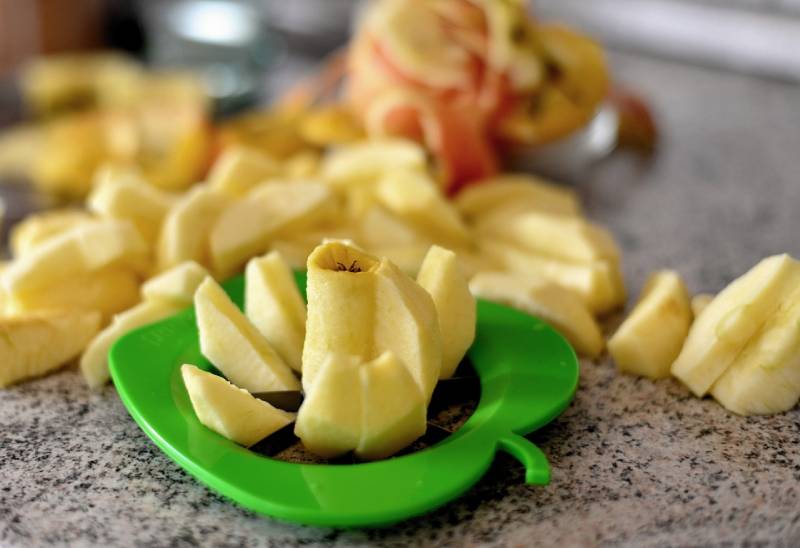
The number of different apple varieties gives you many choices. You can pick ones with less sugar and calories versus sweeter ones. The carbs are balanced by the fiber and nutrient content. They don’t have much vitamin C, but it is still enough for a little boost.
We recommend peeling the apple before you give it to your dog. Make sure to avoid any of the core or its seeds, which contain small amounts of cyanide, making them unsafe for canine consumption.
10. Liver

It only makes sense to have liver on the list, seeing as the organ synthesizes vitamin C in many animals outside of humans and other exceptions. It is higher in calories, but it also supplies protein with virtually no carbs or sugar. The vitamin C content is comparable to many of the foods we’ve discussed.
Things to Know Before Offering Food to Your Dog
We discussed how dogs synthesize vitamin C in their livers. Supplementation is typically not necessary, but there might be a time when your vet recommends it.
Vitamin C is a water-soluble nutrient. A mammal’s body absorbs what it needs and excretes the excess. However, it’s still possible to overwhelm a dog’s system with too much. It can bind with other chemicals to form oxalate. That compound can increase your pet’s risk of urinary stones.
You may wonder why we didn’t include oranges or other citrus fruits on our list. The oils in these foods can irritate the mucous membranes of your dog. After all, they are highly acidic. The other concern is the scent. While they may smell good to you, a dog may find them overpowering and avoid them. Remember that these fruits probably weren’t ever a part of the wild canine diet.
Conclusion
The vital takeaway from this discussion is that dogs aren’t little people. They don’t have the same dietary needs as humans. Foods high in vitamin C are appropriate in certain cases, but always follow the advice of your vet. Health risks exist with a pet consuming too much of this nutrient. As with all treats, less is more. Always offer your pup a small bite and observe its reaction before adding it to their regular diet.
Featured Image Credit: Chendongshan, Shutterstock
Get Hepper In Your Inbox


Pet care tips from our vets and experts, straight to your inbox.
You may opt-out at any time. View our Privacy Policy for more information.
Chris is an experienced pet writer specializing in science topics, with a particular passion for health and the environment. She has been a writer for over 15 years and lives with her husband and three cats in Michigan.
Beyond writing about cats and dogs, Chris loves to learn about wine. She has WSET 1 and 2 certifications and is currently pursuing her Certified Wine Specialist Award (CSW).
Join the conversation
Ask a question, share your story, or send private feedback.