Hepper is reader-supported. When you buy via links on our site, we may earn an affiliate commission at no cost to you. Learn more.
How Long Do Domestic Shorthair Cats Live? Average Lifespan, Data & Care
In this article
If you’ve been researching cat breeds before buying a new kitten, the Domestic Shorthair may have made it onto your shortlist. The Domestic Shorthair breed encompasses any shorthaired cat that doesn’t have a specific purebred pedigree. Domestic Shorthairs have an average lifespan of 12–15 years.
Let’s take a look at the facts behind the average and maximum lifespan of these cats, so you can decide if they’re the perfect match for you and your family.

Average Lifespan of Domestic Shorthair Cats
On average, the Domestic Shorthair should live for around 15 years. But with good care, they can live longer.
Environmental factors, like food, healthcare, and if you keep your cat indoors, can all have an impact on your cat’s lifespan.
Research carried out by UC Davis Veterinary Medicine found that while indoor cats have a lifespan of 10-15 years, this decreases to just 2-5 years for outdoor cats.1
Keeping your cat indoors can help them avoid many hazards, including:
Maximum Lifespan of Domestic Shorthair Cats
It’s not unusual for Domestic Shorthair cats to live for 20 years. The oldest cat ever recorded, as verified by the Guinness World Records, was a Domestic Shorthair.2 The adorably named Crème Puff lived to be incredible age of 38 years and 3 days!
Let’s see how the lifespan of the Domestic Shorthair cat stacks up to some other popular breeds.
- Domestic Shorthair: 15–20 years
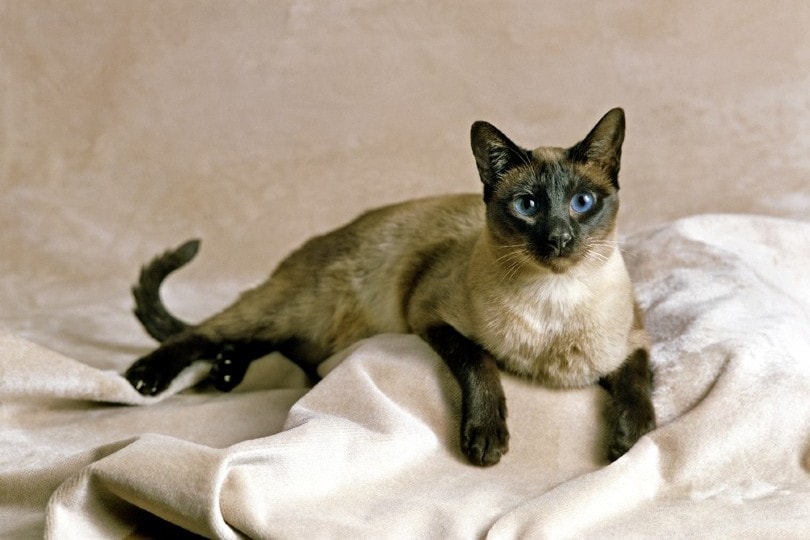
- Siamese: 8–15 years
- American Curl: 12–16 years
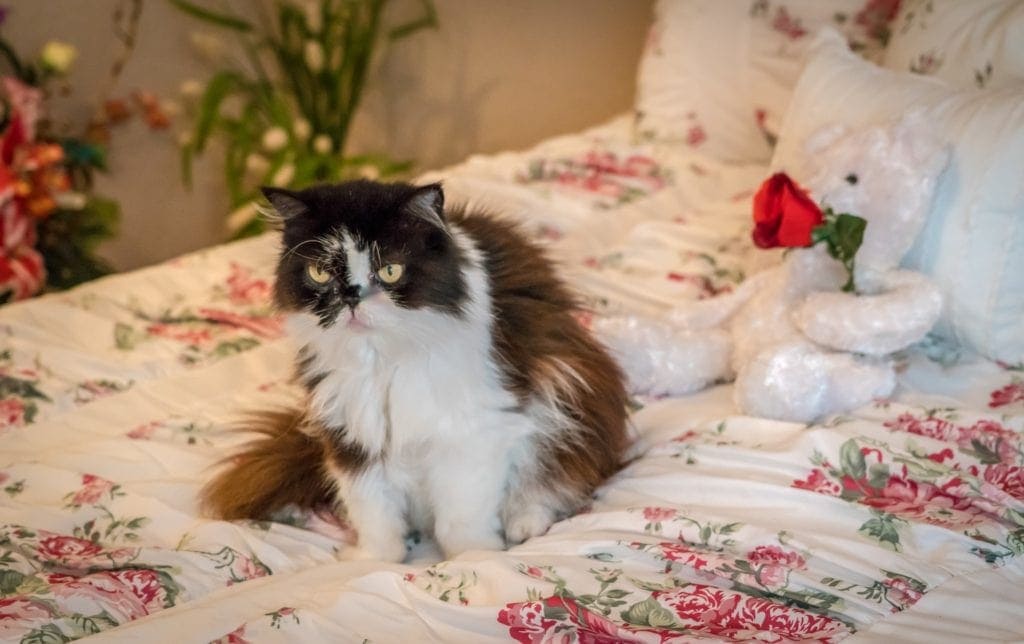
- Persian: 10–15 years
- Maine Coon: 9–15 years
- Ragdoll: 9–15 years
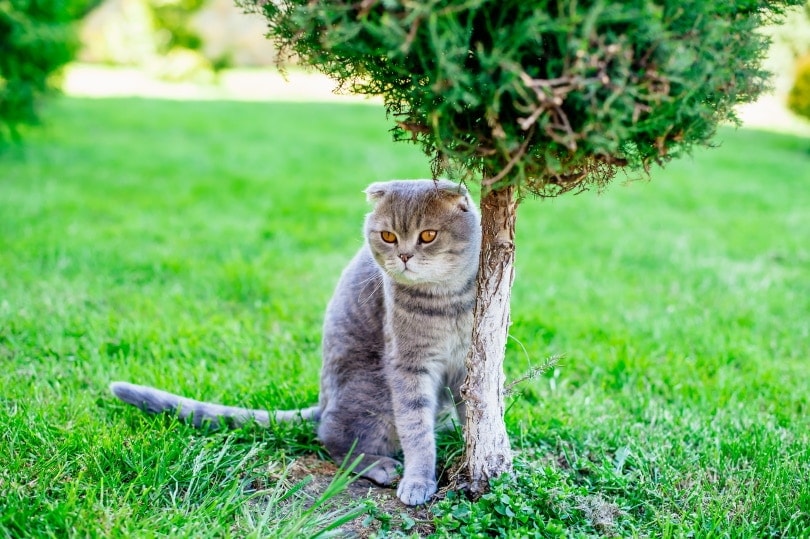
- Scottish Fold: 11–15 years
As you can see, the Domestic Shorthair cat has a much longer lifespan than many purebred breeds. This is partly down to the fact that they’re considered an exceptionally healthy breed.
Factors that Affect a Domestic Shorthair Cat’s Lifespan
Feeding & Diet
Domestic Shorthair cats don’t have unique dietary needs. Generally, feeding a high-quality wet cat food featuring substantial amounts of animal meat proteins designed for your cat’s life stage will provide the necessary nutrition. Always keep fresh water available, and monitor your cat’s eating habits to ensure they aren’t overfeeding or avoiding the food or water you provide.
Environment
Ideally, your Domestic Shorthair cat will spend most of their life indoors, which will give them the best chance for longevity. Your home should have sufficient enrichment devices, including scratch pads, cat trees, and toys to keep them active and give you a way to bond.
To prevent any unexpected health issues, avoid exposing them to dangerous substances like chemical cleaning sprays, toxic foods, or cigarette smoke.
Care
Reducing stress on your Domestic Shorthair cat’s mind and body is essential in extending their lifespan. Proper grooming, exercise, and bonding should be consistent aspects of the routine so your cat feels comfortable physically and secure in their space.
Watch for signs of stress, such as lethargy or appetite changes, and talk with your vet about appropriate strategies to give your cat the care they need.
Cleaning
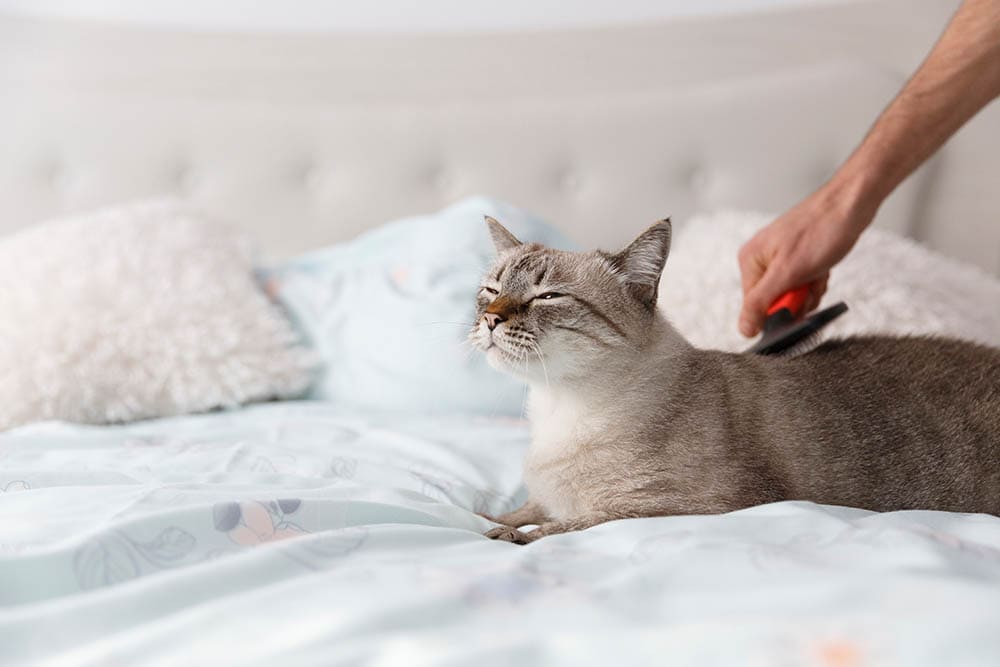
Indoor cats don’t need frequent bathing, especially if they can self-groom efficiently. Generally, Domestic Shorthairs require bathing every 1–2 months with a mild, cat-friendly shampoo. Brush them at least once weekly, clip their nails every 2–3 weeks, and clean their ears every 1–2 weeks to remove debris and residue.
Keep a close eye on the cleanliness of your cat’s environment, too. You should clean bedding regularly and scoop the litter box daily to keep it fresh for your cat.
Healthcare
After spaying and neutering, the most vital healthcare task is the regular vet visit. Adult cats can usually manage with one appointment annually, while older cats may benefit from one every 6 months. Keep your cat current on preventatives, and take advantage of visits to ask your vet about your cat’s diet, behaviors, or changing life stages.
Health Conditions Affecting Domestic Shorthair Cats
The good news is that most Domestic Shorthair cats are extremely healthy. Unlike many purebred cat breeds, they’re not predisposed to any particular diseases or illnesses. That’s not to say that they won’t suffer from any health conditions, but the likelihood is far lower compared to many purebred cats.
Since the gene pool of any Domestic Shorthair cat is far larger than most purebred cats, the chances of them suffering from hereditary conditions are reduced. If both parent cats suffer from the same health conditions, as is the case with certain purebred varieties, the chances of the kittens suffering from the same condition are increased. As Domestic Shorthair cats often have different purebred parents, though, there’s less chance of a health condition being passed on.
That said, it’s still important to get your kitten’s health tested by their breeder, so you can feel reassured that they’re as healthy as possible.
For any cat breed, it is important to keep up a regular schedule of annual vet checks so your cat can stay up to date with their annual vaccinations and your vet can give them a clean bill of health. Depending on the age of your cat, they may need slightly different types of care, both at home and from vet checks.

Domestic Shorthair Cat Life Stages
1. Kitten: 0 to 12 months
At this age, your Domestic Shorthair kitten will be growing rapidly. Help keep them as healthy as possible by providing them with high-quality kitten food that offers all the nutrients that they need to grow up big and strong. Make sure you take them for their vaccination appointments, and ask your vet about spaying or neutering them at the appropriate age.
2. Adult cat: 1 to 6 years
At this age, your Domestic Shorthair cat will be in the prime of their life. You can switch them onto adult cat food, and make sure you book them in for an annual vet check. Keep vaccinations up to date, and take your cat to the vet if you notice any unusual behavior.
3. Mature cat: 7 to 10 years
As your cat reaches their 7th birthday, they may start to slow down a little. Keep an eye on their food rations. If they reduce their activity levels but eat the same amount of food, they may become overweight or obese. This can lead to a whole range of health issues. If you’re not sure, ask your vet to weigh your cat or show you how to assess their body condition. Encourage your cat to stay active with interactive toys, but allow them plenty of time for napping too!
4. Senior cat: 11 to 14 years
By now, your Domestic Shorthair cat can switch onto a food designed for senior cats. These blends usually contain ingredients to help with joint health, like glucosamine or omega-3 fatty acids. Your cat may not be so keen to jump, so offer them ramps or steps to reach areas that they like to hang out. Senior cats should have 6-month vet checks rather than annual ones.
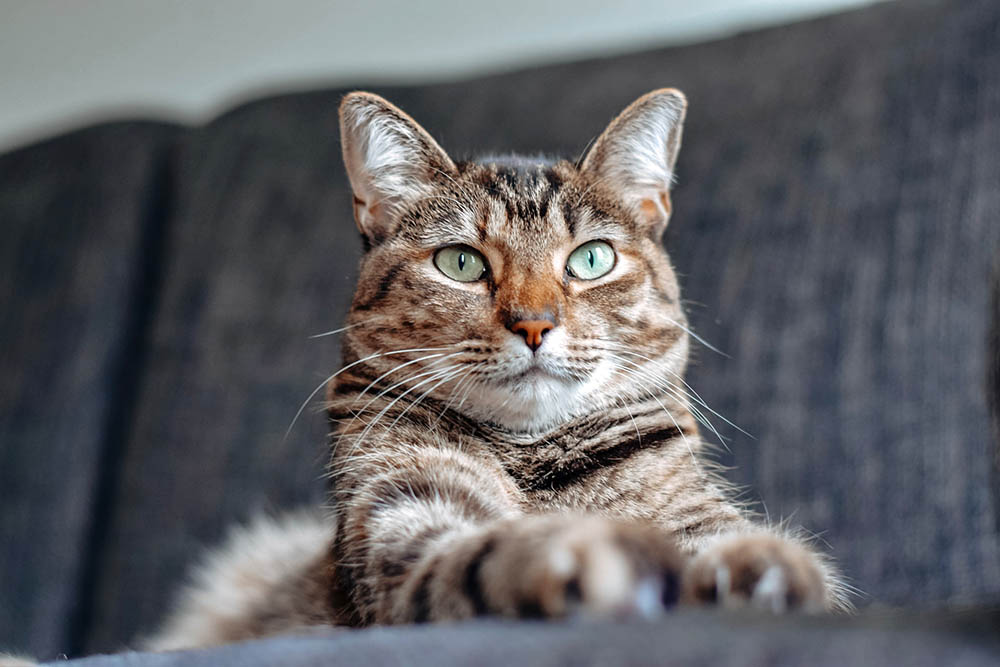
5. Geriatric cat: 15 years-plus
Many Domestic Shorthair cats will reach this stage of life, and you may see them slow down even more. Offer them thickly padded beds, or even a heated bed to help them stay warm. Your cat will likely sleep more, but you can encourage them to play gently with toys that don’t require too much running around. Keep an eye out for any changes in behavior, like increased vocalization, using their litter box more than usual, or confusion.

How to Tell Your Domestic Shorthair’s Age
One of the easiest ways to tell your Domestic Shorthair cat's age is to look at their teeth. Cats develop their milk teeth during their first 1–2 months of life, with the adult set typically replacing them entirely by 6–7 months.
Once established, these teeth can give you a general idea of your cat’s age by the wear and tear. Young cats will have shiny white teeth while aging cats will show more staining and tartar buildup.
Your Domestic Shorthair’s coat may also change. As they age, you’ll usually see more gray and white hairs come in. The coat is often duller, and you may notice more sagging skin exposing the joints. If you notice this alongside a bluish haze over the eyes, you can guess your cat is likely over 10 years old.
How to Help Your Domestic Shorthair Cat Live as Long as Possible
Spaying or neutering your cat at the appropriate age can help increase their lifespan by reducing the chances of them developing certain health conditions. It’s also important to feed them high-quality cat food, with real meat as one of the first ingredients and a high percentage of protein. Feed them the correct amount for their activity levels, so they don’t put on too much weight.
You should also groom your cat at least once a week, checking their skin, coat, nails, ears, and teeth at the same time. Many cats can suffer from dental problems, so get into the routine of brushing your cat’s teeth from a young age. You may also want to schedule annual teeth cleanings by your vet.
Conclusion
Make sure you provide your cat with plenty of physical and mental stimulation to keep them feeling in the best of health. Consider adding interesting items, like scratching posts, climbing shelves, and an outdoor cat enclosure.
By giving a home to a Domestic Shorthair, you’re choosing one of the healthiest cat breeds out there!
See also: Longest Living Cat Breeds
Featured Image Credit: Pixabay
Get Hepper In Your Inbox


Pet care tips from our vets and experts, straight to your inbox.
You may opt-out at any time. View our Privacy Policy for more information.

Emma is a freelance writer, specializing in writing about pets, outdoor pursuits, and the environment. Originally from the UK, she has lived in Costa Rica and New Zealand before moving to a smallholding in Spain with her husband, their 4-year-old daughter, and their dogs, cats, horses, and poultry. When she's not writing, Emma can be found taking her dogs for walks in the rolling fields around their home...and usually, at least some of the cats come along, too! Emma is passionate about rescuing animals and providing them with a new life after being abandoned or abused. As well as their own four rescue dogs, she also fosters dogs for re-homing, providing them with love and training while searching for their forever homes.
Join the conversation
Ask a question, share your story, or send private feedback.