Hepper is reader-supported. When you buy via links on our site, we may earn an affiliate commission at no cost to you. Learn more.
Trail Etiquette for Hiking with Dogs: 10 Rules for a Well-Behaved Pet
In this article
Getting out for walks with your dog is a wonderful bonding experience and good for you and your dog’s physical and mental well-being. Hiking allows your dog to explore fresh scenery and new smells beyond their house or well-sniffed walks around the block. But when you go hiking you have to share the trail with other people, dogs, and wildlife, so how do you take your dog out and respect those around you? We will take a look at trail etiquette so you and your dog can have a successful hike together!

The 10 Rules for Trail Etiquette When Hiking With Your Dog
1. Choose a Dog-Friendly Trail
Do your research before you go out to confirm if dogs are allowed on the trail so you won't be disappointed when you get there. Be respectful if it isn’t allowed as there might be some conservation or safety reasons behind the “no dogs” rule.
2. Keep Your Dog on a Leash
This will depend on where you hike, some trails will expect you to keep your dog on a leash at all times, while others will allow your dog to be off it if they have a reliable recall. Be honest about your dog’s skills when it comes to recall. The signs that your dog should be on a leash are if your dog:
- Chases wildlife
- Disappears for several minutes (or longer)
- Doesn’t come back when called
- Doesn’t stay on the trail
- Runs up to people/other dogs/wildlife
You will also need to know what leash is appropriate—some trails require a non-retractable leash that is six feet or fewer in length.
3. Yield the Right-Of-Way
If you meet other trail users, it’s common courtesy to step clear of the trail and allow them to pass. While cyclists should give way to you ordinarily, they are going faster than you and it’s not as safe for them to get off their bike and move off the trail. So, if you meet other hikers, cyclists, runners, or horseback riders step aside to let them pass.
4. Leave No Trace
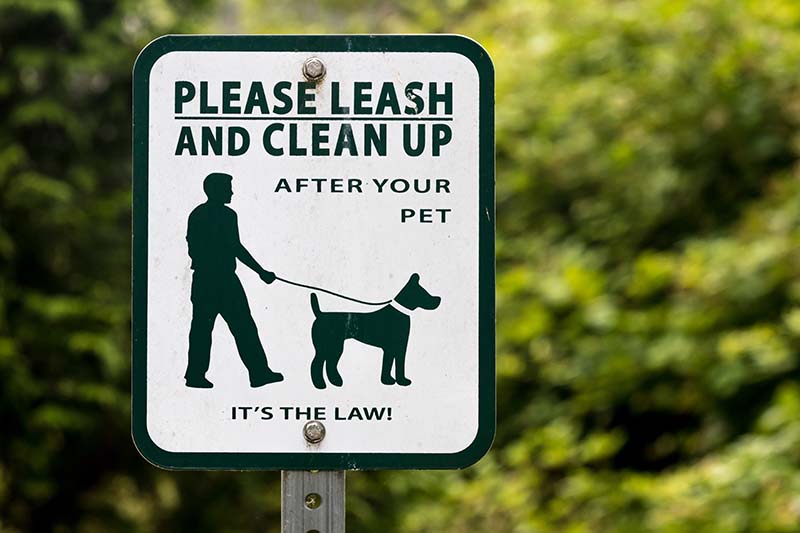
On a trail, hikers should always pack out what they pack in which also includes dog poo. This might seem like a strange one because animals pooping outside is perfectly normal in the wild, right? Well, no, because that poo builds up when hundreds of dogs are hiking those trails day after day. And no one wants to step in dog poo on their hike, either.
Make sure you pick up all your trash and personal belongings and leave natural objects, features, and creatures as you found them for others to enjoy too.
5. Have Respect for Others
Make sure your dog isn’t running up to other people, begging for food, or coming up to other dogs when they are unwelcome. This isn’t a dog park, so it’s important to respect other people’s space.
You also might meet horses on the trail and you will need to yield and make sure your dog is calm, doesn’t move toward the horse, or bark as horses can be easily spooked. Keep calm as you move off the trail with your dog held closely at your side until the horse has passed well beyond you both and if you talk to the riders use a normal volume.
6. Help Protect the Environment and Wildlife
Hikers should keep to the trails as much as possible and always strive to leave a minimal impact on nature. Don't allow your dog to wander off the trail and dig, or harass the wildlife in any way. If you like to observe the wildlife, do so at a distance and resist the urge to move closer. This keeps you and your dog safe, but also means the animal won't need to exert itself fleeing from you.
If your dog barks a lot, it can traumatize smaller animals and bigger animals might even see it as your dog inviting them to lunch! This risk is small, as is the likelihood you or your dog could contract a contagious disease from wildlife, but it could still happen, so keeping your distance is wise.
7. Teach Your Dog Basic Commands

Taking the time to teach your dog basic commands will be useful out on the trail. “Sit” and “stay” are always a good start but there are others that you might consider too:
- “Here” or “place” can be used to get your dog to lie down or sit in a specific spot until you say it’s okay to move again.
- “Leave it” is useful when you want your dog to leave another person, dog, wildlife, or something they shouldn't eat from the ground.
- “Look at me” or simply “look” is a good way to get them to focus on you instead of something they shouldn't be. It’s also a super handy one for getting a good picture of them to capture this fun day out you’ve shared.
8. Get Your Dog to Carry Their Own Gear
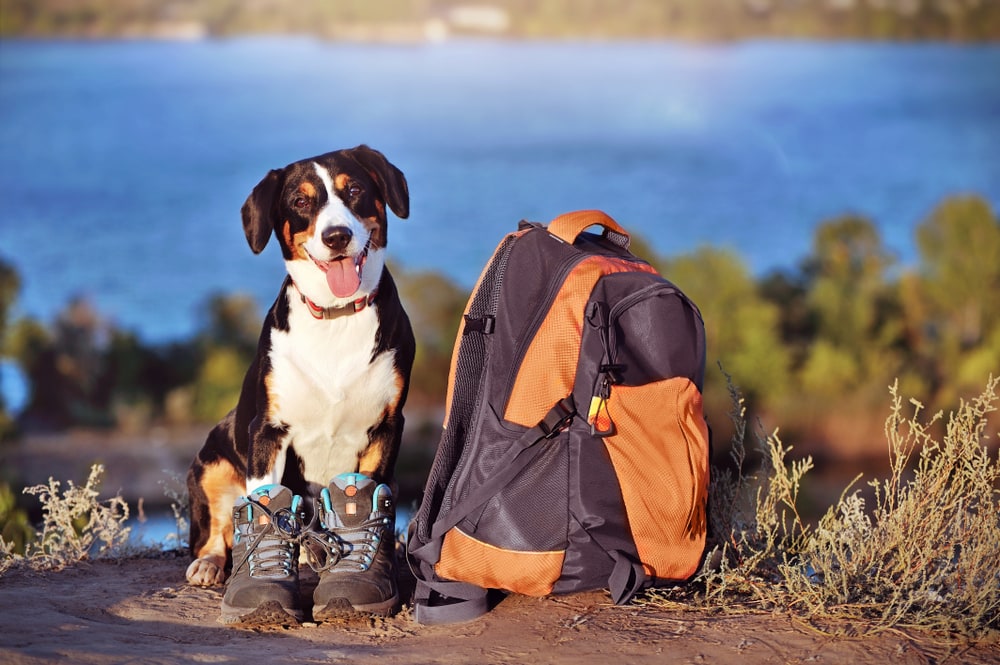
Pack-wearing dogs carry their own gear like poo bags or their water bowls but packs also make your dog easier to see. Packs have a few benefits such as:
- It can help them build muscle
- Your dog can lighten your load
- Some dogs like having a job
- It keeps them focused because they’re in job-mode
9. Follow All Local Ordinances
Make sure you obey the rules specific to the trail you’re visiting. When in a national park, for example, follow the National Park Service B.A.R.K initial rules which are:
- Bag your pet’s waste
- Always leash your pet
- Respect wildlife
- Know where you can go
10. Advocate for Your Dog
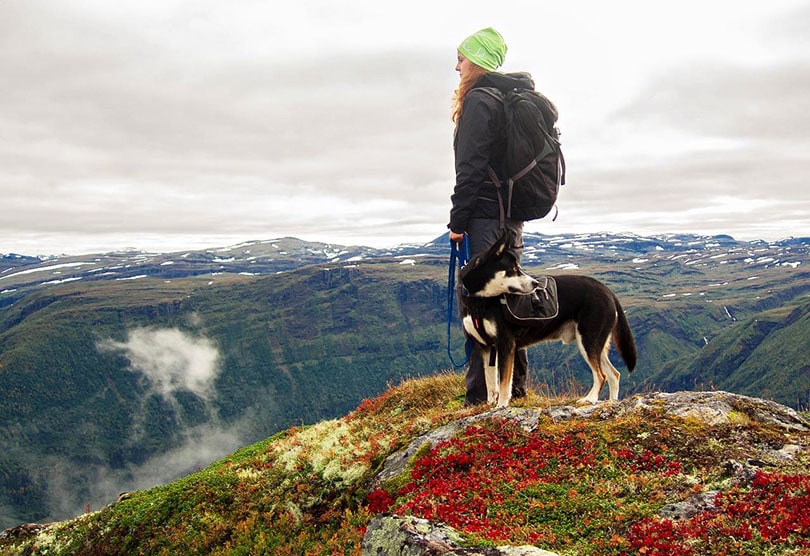
To advocate successfully for your dog you need to know them well: understanding their fears is important as is protecting them from other people, dogs, and dangers. While you are taking heed of these rules, other hikers might not be, so it’s important to be aware of your surroundings. This might be in the form of communicating with other pet parents if they have a dog off the leash and your dog is nervous around other dogs.
Learn your dog’s body language, how they stand, and react to other people and dogs. It’s important to keep up to date with training. No matter how young or old your dog is, training is ongoing, so you should be reinforcing your lessons when you’re out together.

Frequently Asked Questions
It’s My First Time Hiking With My Dog, Is There Anything Else I Should Know?
When you go hiking, you’ll be aware of ways to keep yourself safe, but when you bring your dog, you’re also in charge of their safety so the first thing you’ll want to do is make sure they’re up to the task. Check with your veterinarian to find out what your dog can handle as some breeds will make better hiking partners than others. You’ll find you have to be cautious with young or old dogs as they will struggle to keep up with you on long, challenging hikes, and the strain might be too much on growing bones for puppies.
Dogs don't sweat as we do, so overly warm weather should be avoided, and make sure you take plenty of water for your dog. If you don't bring water they could overheat and it also means your dog might take a drink from streams, ponds, or standing pools of water which carry a high risk of bacteria or parasites that could make your dog very ill.
Your dog might also be venturing into tick and flea territory so you might consider a vet-approved preventative. Make sure you check your dog over if you are venturing off the trail and do your research before you leave on how to remove a tick from your dog as the earlier you remove the tick the lower the chance of a secondary illness.
What Sort of Equipment Would Be Useful?
Being prepared will mean everyone has a much more enjoyable hike and that includes taking the right equipment. Some things you could bring include:
- Brush/comb to remove burrs and foxtails
- Collar with ID tags and an extra leash in case one breaks
- Dog booties for rough terrain
- Dog food and/or snacks
- Pet first aid kit
- Pet-safe insect repellent
- Poo bags
- Towel
- Water supply and a portable water bowl
Also, plan for the weather to be unpredictable. It might be a mild day but if it’s been amongst warm days you might need a cooling vest or sunscreen. Or you might consider an insulated jacket if it’s going to get cold. The trick is to plan ahead and be as prepared as possible.
Conclusion
Getting out for a hike can be a wonderful experience to share with your dog, but it isn’t something you can do without a little bit of research and planning. It’s important to ensure the safety of your dog, you, other hikers, the environment, and the wildlife you’ll come into contact with on the trail. We hope you’ve found this list helpful and that you and your dog will be getting out on a hike sooner rather than later!
Sources
https://www.thewildest.com/dog-lifestyle/tips-hiking-with-your-dog
https://www.orvis.com/trail-etiquette-for-hiking-with-dogs.html
https://longhaultrekkers.com/hiking-with-dogs-trail-etiquette-manifesto/
https://www.akc.org/expert-advice/lifestyle/tips-for-hiking-with-your-dog/
https://www.preventivevet.com/dogs/hiking-with-your-dog-preparation-and-tips
Featured Image Credit: Kasefoto, Shutterstock
Get Hepper In Your Inbox


Pet care tips from our vets and experts, straight to your inbox.
You may opt-out at any time. View our Privacy Policy for more information.

Kerry-Ann lives in Scotland and wishes her garden was bigger so she could have her very own Highland cow. But her dogs probably wouldn’t like that very much. She has a La Chon called Harry who was poorly with a liver shunt when he was a puppy. It wasn't likely he would make it into adulthood, which was difficult, but he beat the odds and is a healthy old man now. She also has a Pug called Maddie who is a big foodie. She’s small, sassy, and every day she finds a new way to mess with her brother.
When she isn’t writing you can find Kerry-Ann going for long walks when the weather isn't bad, reading, or watching cartoons when she should be tidying her house. She would one day like to be a tourist in her own country and travel through the Highlands with her family.
Join the conversation
Ask a question, share your story, or send private feedback.