Hepper is reader-supported. When you buy via links on our site, we may earn an affiliate commission at no cost to you. Learn more.
Giant Schnoodle (Giant Schnauzer & Poodle Mix): Info, Pictures, Care & More
In this article
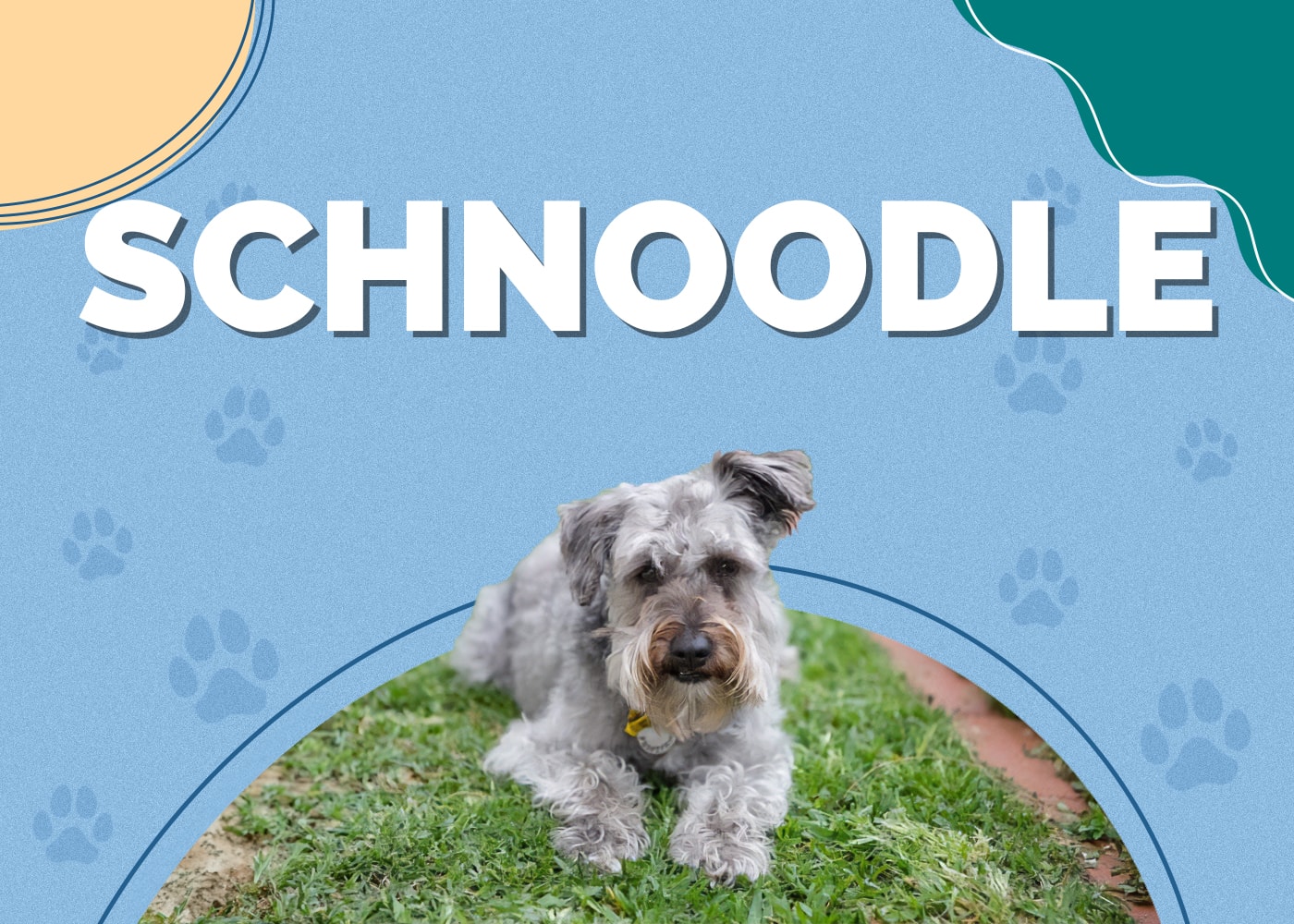
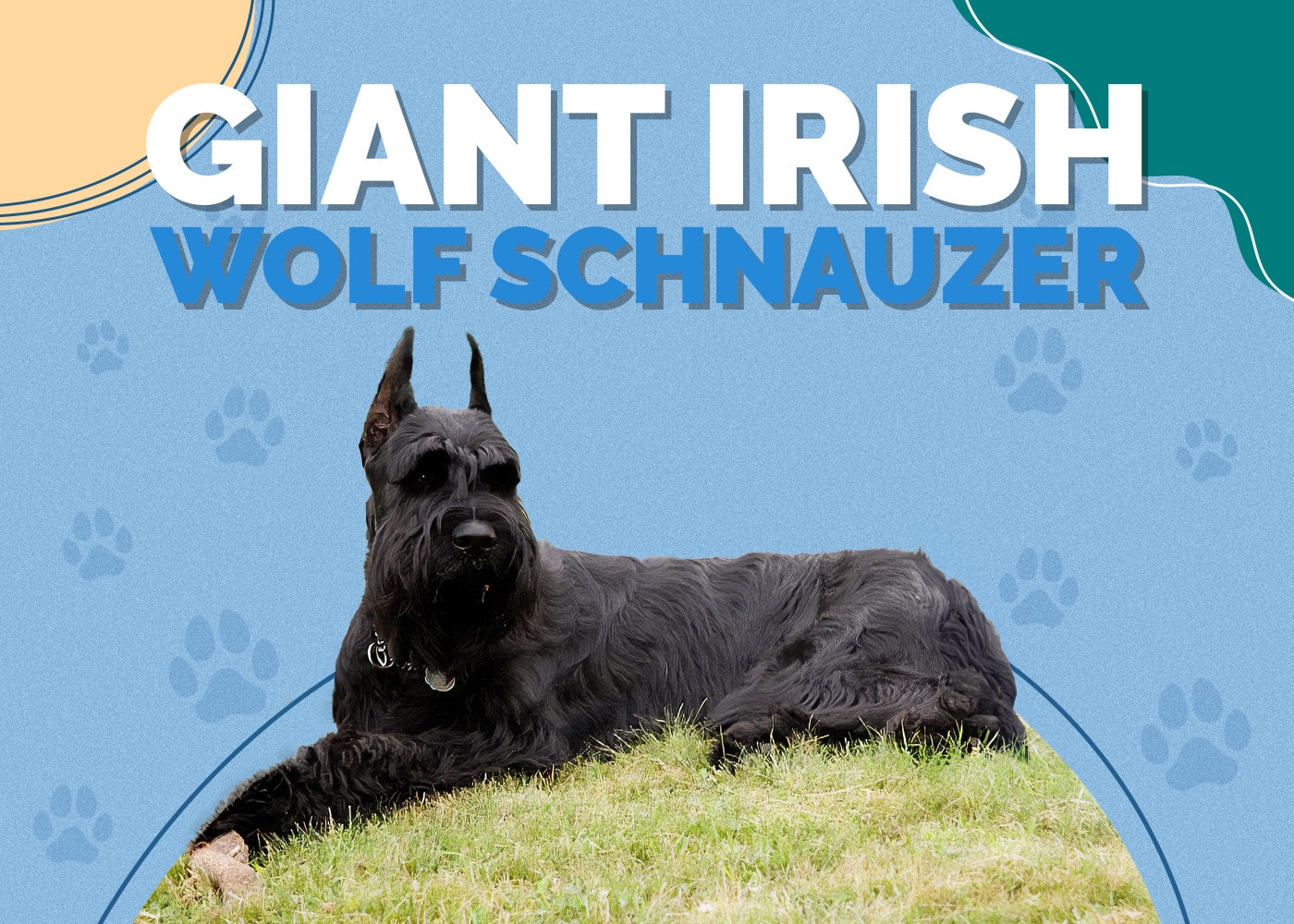
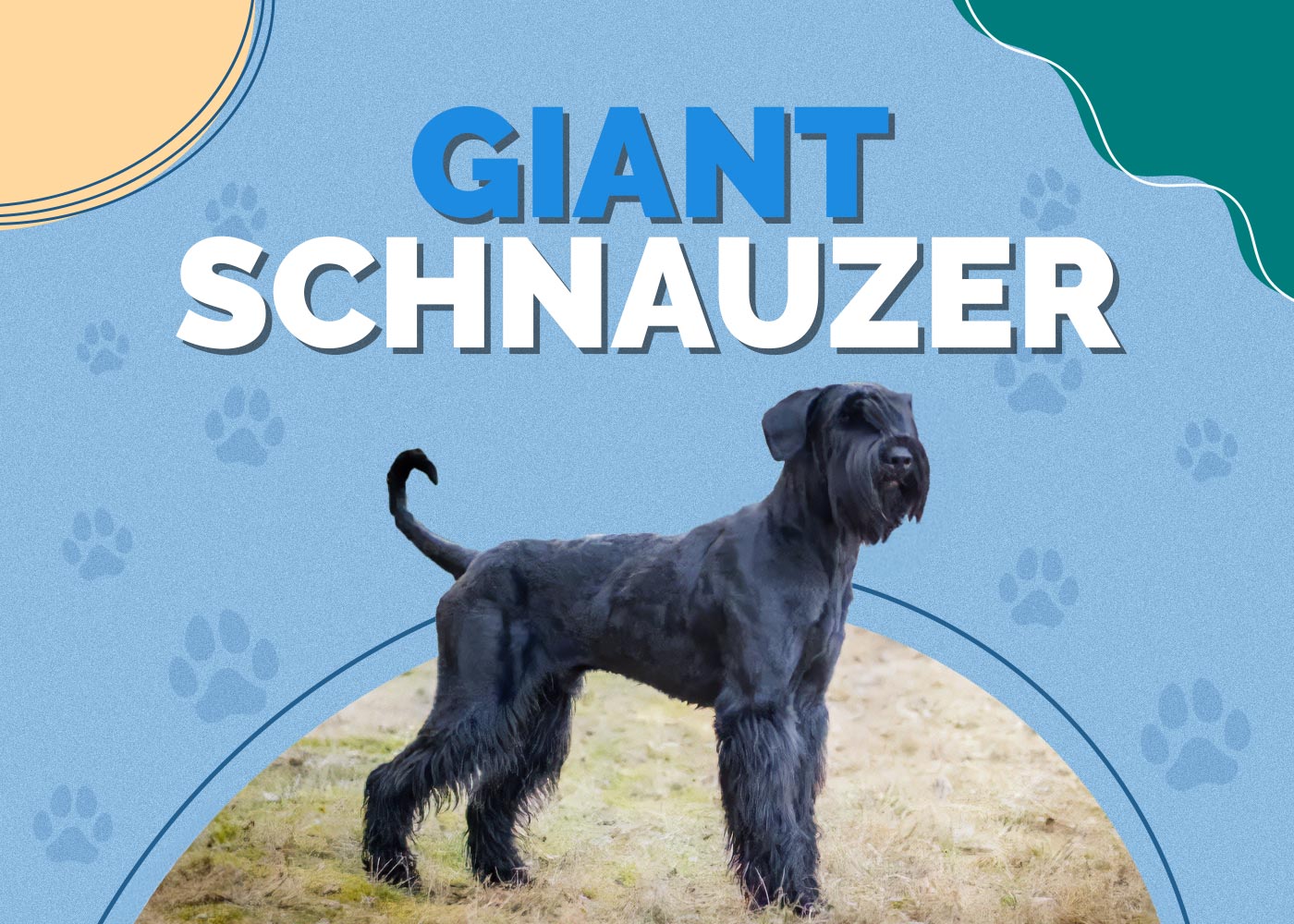
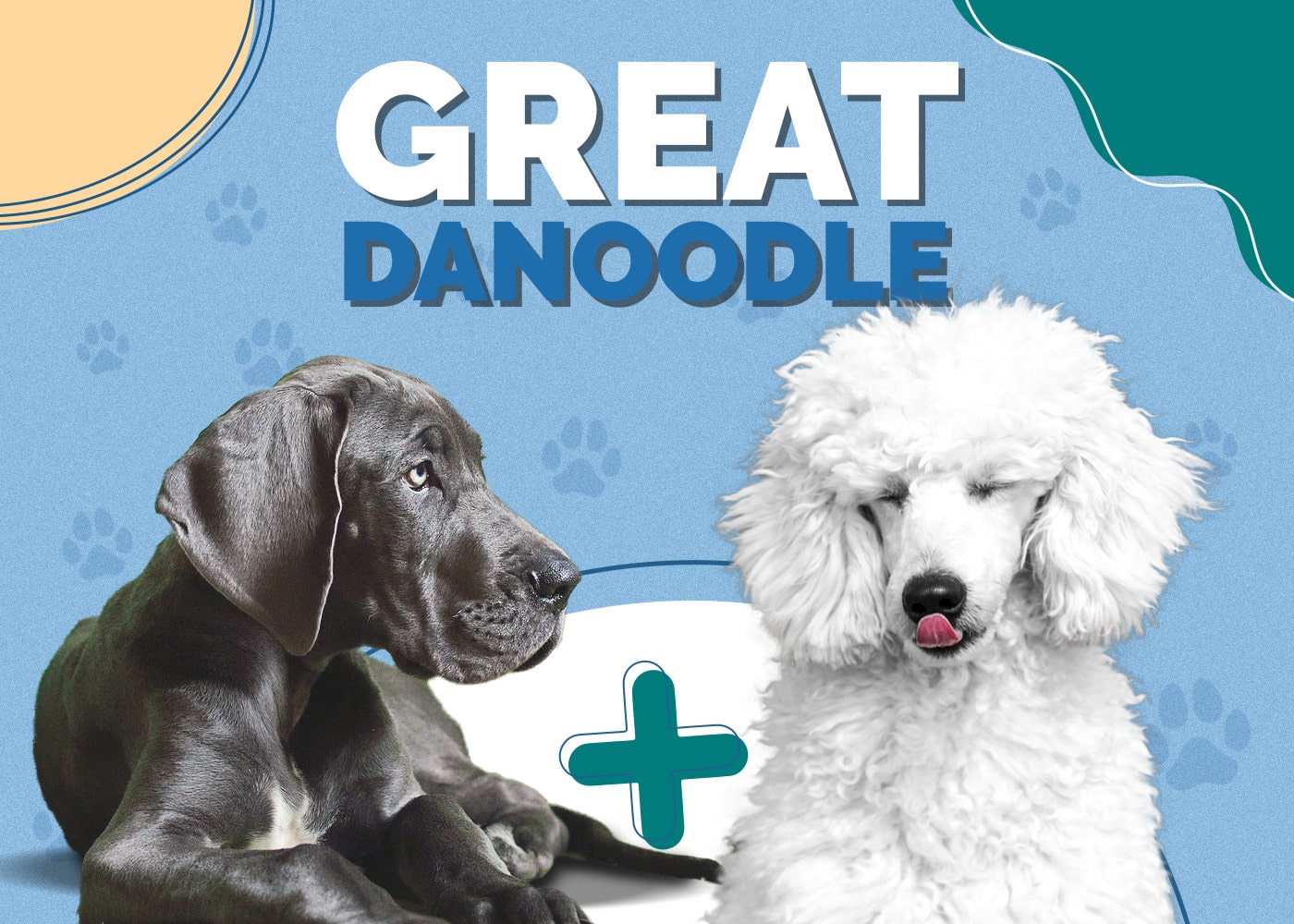
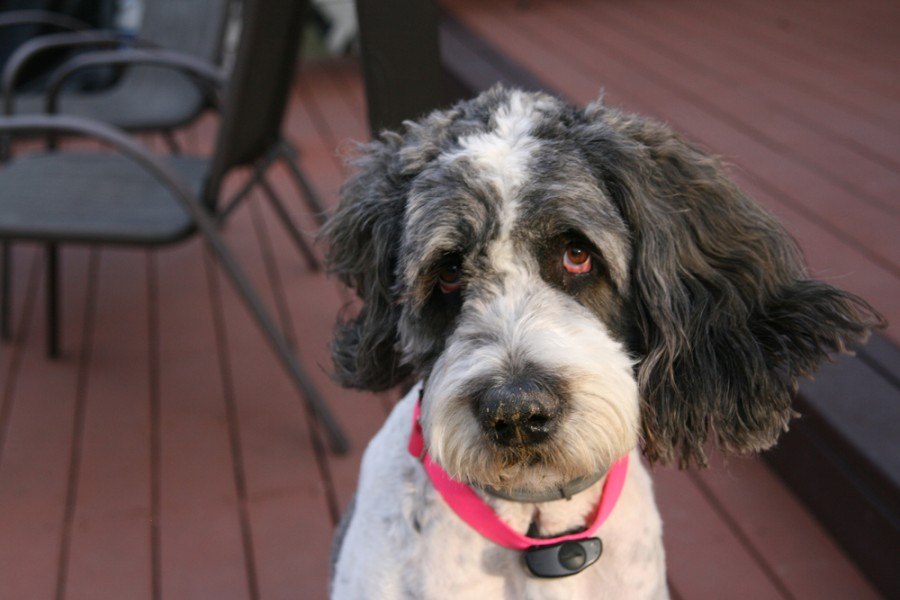
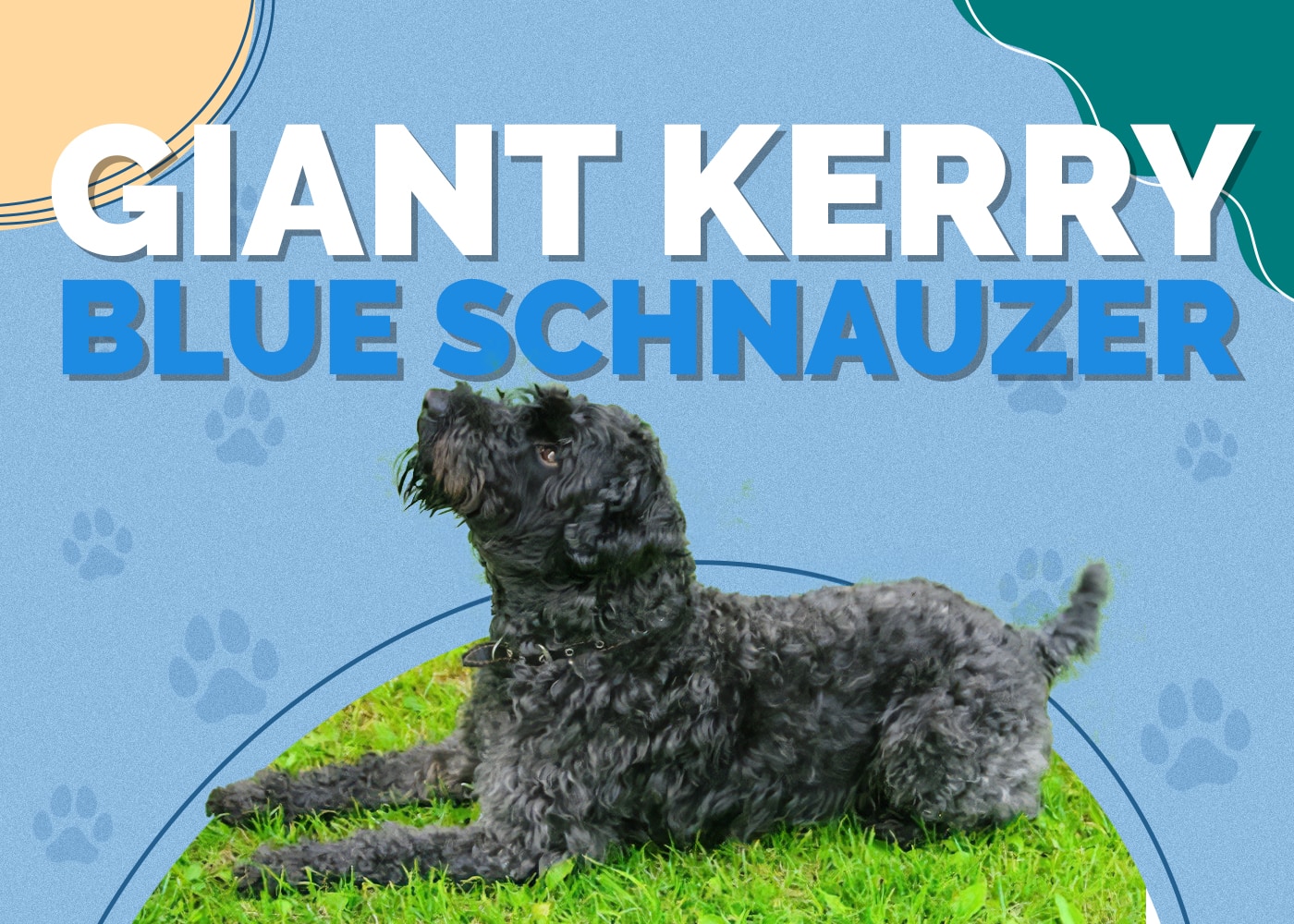
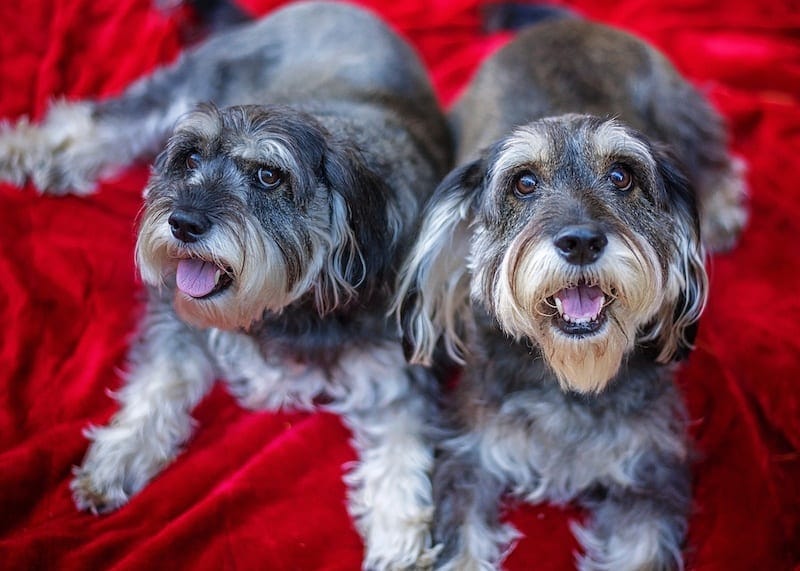
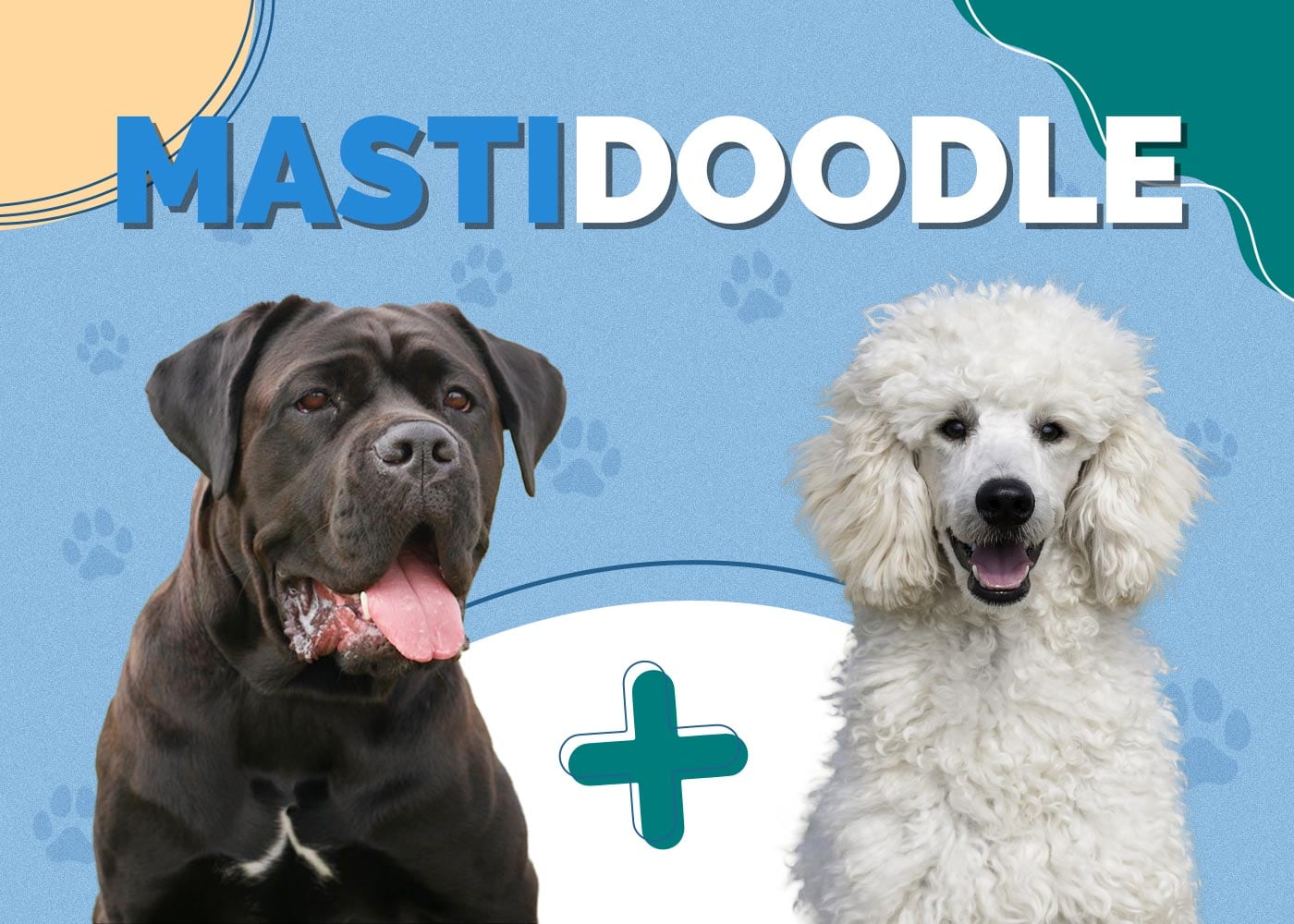
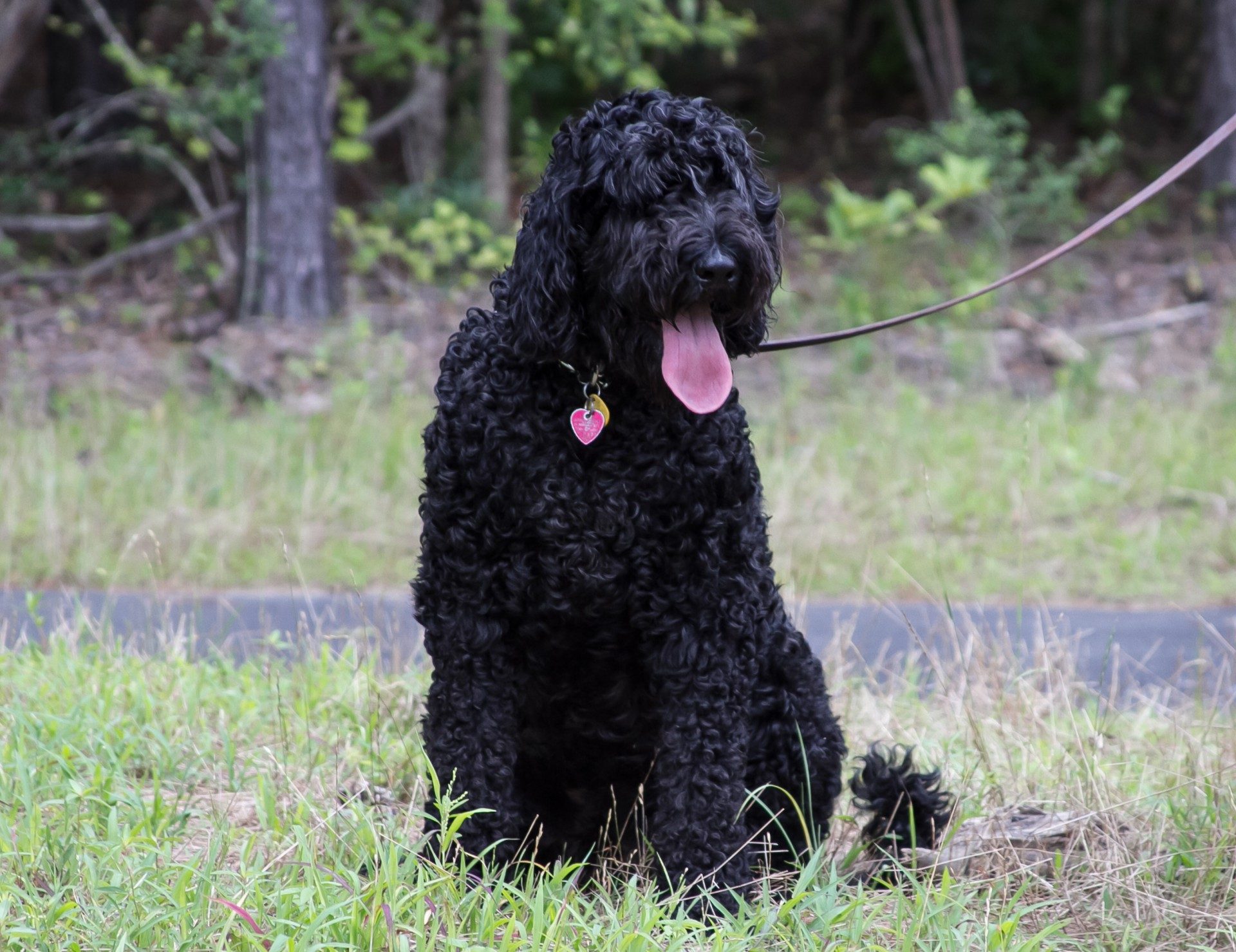
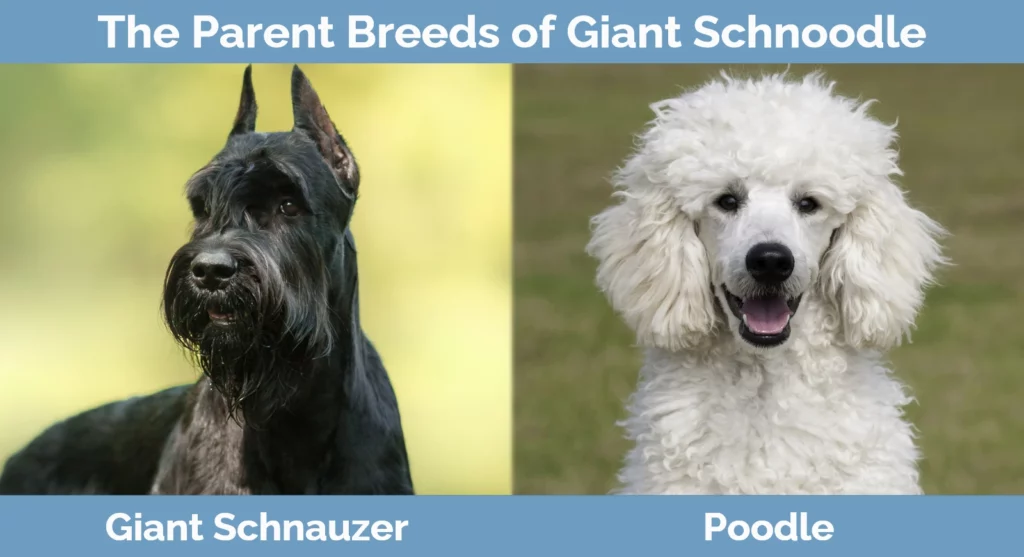
Made by mixing the Poodle with the Giant Schnauzer, these dogs are fantastic for anyone who wants a loving pet who’s also capable of giving you a little space. Also called the Schnauzer Doodle, these dogs love their families and appreciate affection, but they don’t need to be glued to your side at all times.
Breed Overview
Height:
Weight:
Lifespan:
Colors:
Suitable for:
Temperament:
Of course, you may never have even heard of a Giant Schnoodle, much less encountered one, so you may not understand why you’d want to bring one of these pups home. In the guide below, we’ll fill you in on everything you need to know about these dogs.
Giant Schnoodle Characteristics

Giant Schnoodle Puppies
The Giant Schnoodle is a great all-around dog, but they’re kind of a jack of all trades and master of none. These pups can do just about everything you ask of them, but if there’s just one thing you want out of a dog, chances are that you can find another breed that can do it better.
They’re smart but are not super-geniuses like Aussiedoodles. They’re protective but may be too quiet to make great watchdogs. They do well with children, but there are certainly other breeds who love kids more.
None of this is designed to discourage you from adopting a Giant Schnoodle puppy — far from it. Just be aware that this dog’s strength is its all-around capability; it’s not a specialist.
3 Little-Known Facts About the Giant Schnoodle
1. Giant Schnoodles rarely bark.
If you need a dog who won’t wake the neighbors, a Giant Schnoodle is a good choice. They’re dogs of few words, choosing instead to save their barks for times when they’re truly needed.
This can be both a strength and a weakness when it comes to being a guard dog. It’s good that you won’t have many false alarms because you’ll know that you have to get out of bed to investigate if your Schnoodle starts barking at 3 a.m.
The downside is that they don’t offer much in the way of a deterrent, so the burglar may not know the dog’s there until they’re already in the house.
2. These pups love to cuddle.
As smart as these pooches are, they clearly don’t know what the word “giant” means because they think they’re lap dogs.
They love nothing more than to curl up next to you on the sofa for a Law & Order marathon, so clear space on the couch for them.
3. The shape of their ears and muzzle can vary.
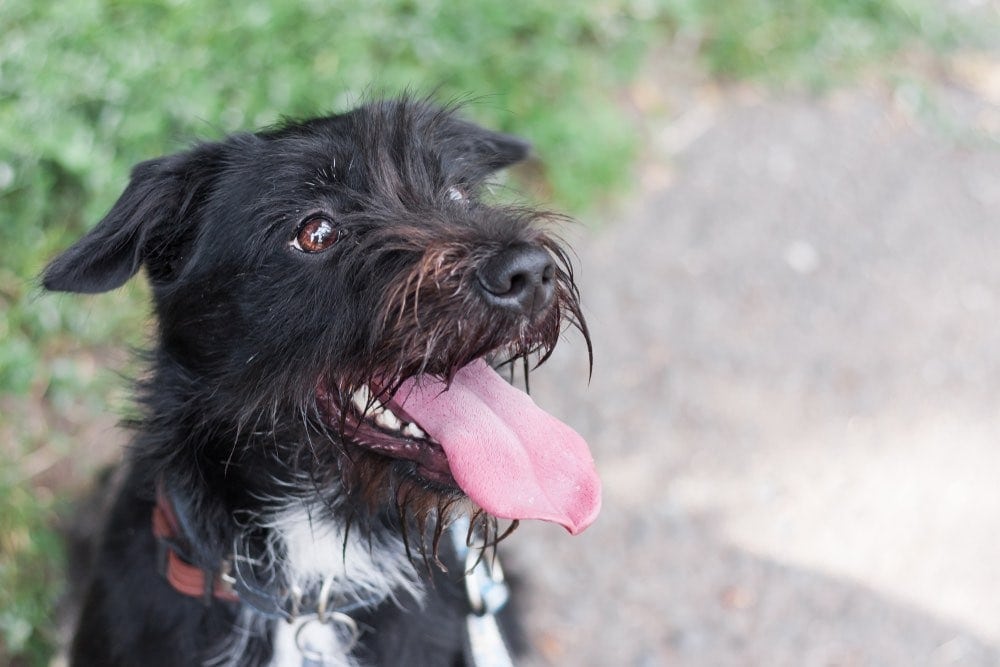
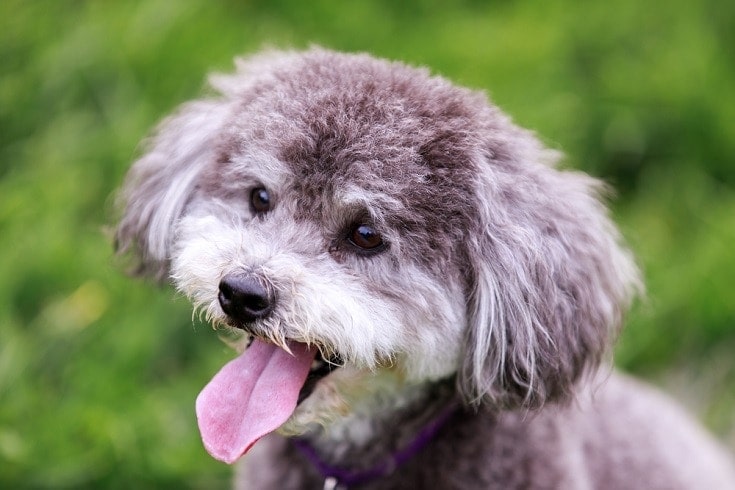
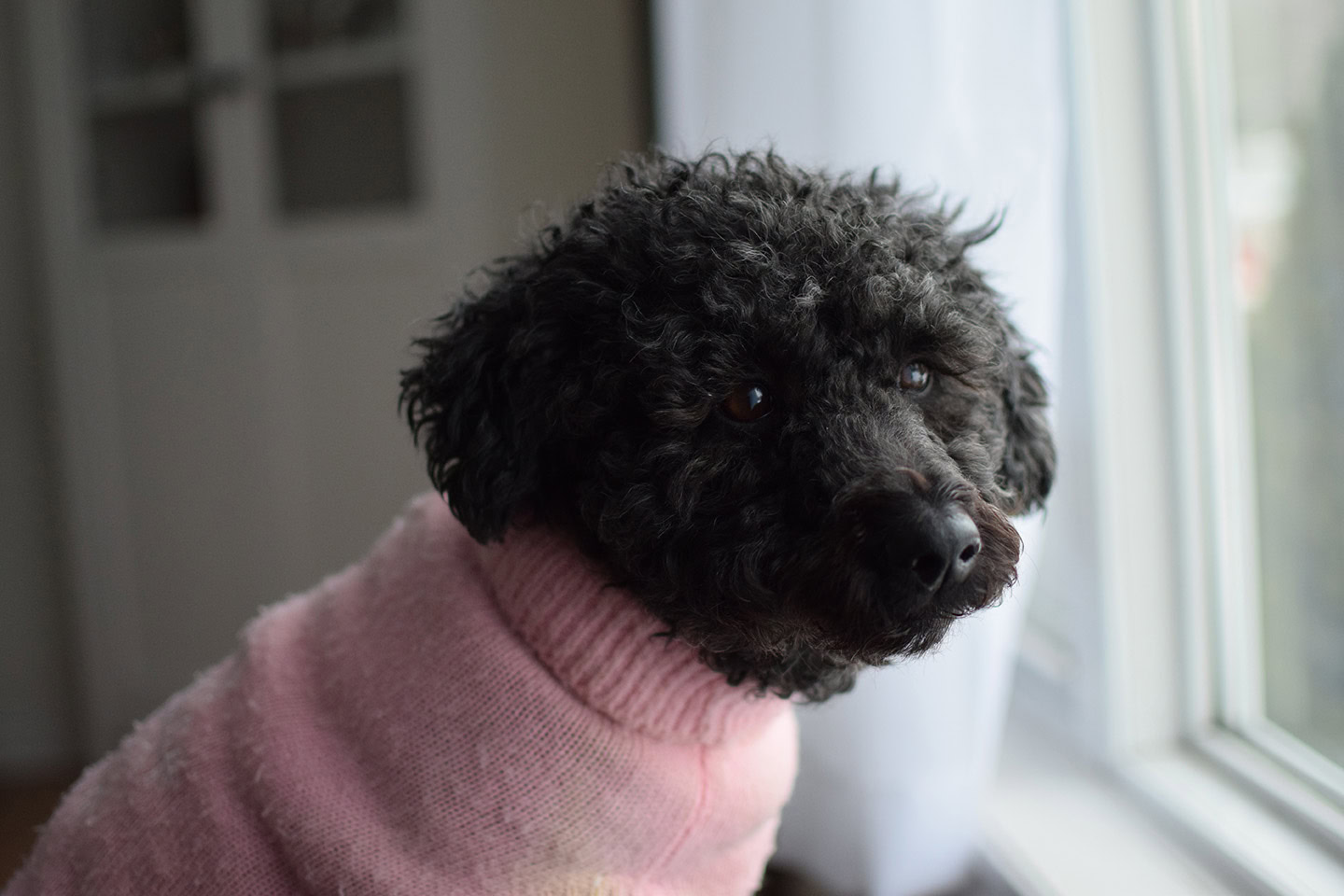
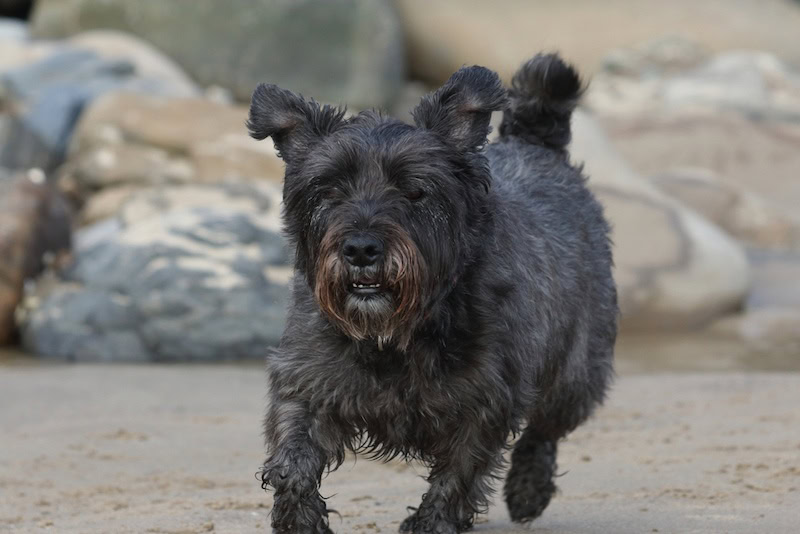
These dogs are rarely a perfect 50/50 mix of their parent breeds. Individual dogs can take after one parent breed more than the other, and one Schnoodle can look drastically different from another.
Two places where this is most apparent is in the ears and muzzle. Some Schnoodles have folded-over ears like Schnauzers, while others have the long, droopy Poodle ears. Similarly, some have square noses and others have pointy ones.
If either of those traits is particularly important to you, then be sure to shop around until you find a puppy who fits your criteria. Just don’t expect they’ll all look like that one picture you saw in your Google image search.
Temperament & Intelligence of the Giant Schnoodle 🧠
Giant Schnauzers and Poodles are both extremely intelligent dogs, and their hybrid offspring certainly follows in their intellectual footsteps. These dogs are whip-smart and can pick up anything you want to teach them in no time at all.
However, one consequence of being smart is that there may not be much that interests them. You’ll need to continually try to find new toys, games, and activities to keep them stimulated both mentally and physically. This can make training difficult. You may need to continually change it up and challenge them, or else they’ll become bored and unresponsive.
They’re also good at diagnosing social situations. They can tell when someone’s capable of playing rough, as well as toning it down when they’re dealing with someone more fragile. They’re usually suspicious of strangers until the newcomer proves themselves.
They’re not prone to aggression and can soak up affection. However, they don’t need it as much as other breeds, so don’t be surprised if they’re just as happy entertaining themselves as they would be interacting with you.
Are These Dogs Good for Families? 🏡
These dogs make great family pets for a variety of reasons. Their temperament is a significant one, as they can tailor their activity level to the person they’re interacting with. This dog is less likely to bowl over a toddler than, say, a German Shepherd.
Also, they’re protective of children without being aggressive. If danger approaches, don’t be surprised if your Schnoodle meets it head on; however, you don’t need to worry about them when your little ones have friends over. Of course, you should never leave small children unattended with any dog, but the Schnoodle is one of the safer options in that regard.
They do require a great deal of stimulation and regular training, so it may be better if those tasks were divided equally among the family rather than relegated to a single person. However, they can do well when left alone and won’t require constant attention.
They’re hypoallergenic, so if one of your family members suffers from allergies, this is one of the best breeds you can bring home.
Does This Breed Get Along With Other Pets? 🐶 😽
Schnoodles can get along with other pets, but it’s best to start socializing them while they’re young if you want them to be a part of a menagerie.
That’s not to say that they’re aggressive, because they’re typically not. They just don’t know what to make of other animals at first and will often give them a wide berth.
You should introduce them to calm, gentle dogs as early and often as possible, being sure to reward them for behaving appropriately. Once properly socialized, Schnoodles will often find that they love their new canine playmates.
Cats and other small pets should be safe, but they may not be happy. These dogs are descended from breeds designed for herding and retrieving, and cats generally don’t like dogs to do either of those things to them.

Things to Know When Owning a Giant Schnoodle
Giant Schnoodles are still rare, and it’s likely you’ve never known anyone who’s owned one. If that’s the case, then here are a few things to consider before you decide to add one to your family.
Food & Diet Requirements
While you might think any dog descended from a Poodle would be a dainty eater, Giant Schnoodles are, well, giant. Expect to need to buy at least one bag of food a month, and don’t just bring home the cheapest option at the store. These animals need (and expect) high-quality food, which means no animal by-products, cheap fillers, or artificial colors or flavors.
Instead, look for something with real protein, plenty of natural fruits and vegetables, and probiotics for digestive support. Will such a food be expensive? Yes, but if you can afford to fork over two grand for a Schnoodle, you can afford to feed them appropriately.
Like all big dogs, Schnoodles sometimes have joint problems later in life, so we recommend giving them a glucosamine supplement as soon as they’re old enough for one. You should also try to keep their weight at a manageable level, which means no free-feeding and plenty of exercise.
Exercise 🐕
Schnoodles need a great deal of exercise every day — 60 minutes should be your starting point. However, it’s a little more complicated than just mindlessly throwing a tennis ball for an hour.
These dogs need variety and challenge, so any repetitive activity is likely to get old quick. You’ll need to be present and involved, as they’ll lose interest if they see that you have. As a result, any exercise needs a strong mental component as well. This could be playing a game of tag, incorporating a puzzle toy, or learning agility drills.
Walks are important as well. However, they should be considered essential but not sufficient. You may want to spend more time letting your pup sniff around on a walk rather than trying to push the pace, as you stand a much better chance of exhausting their mind on a 30-minute stroll than their body.
The good news is that these dogs calm down significantly as they age, so there will eventually be a light at the end of the tunnel.
Training 🦮
Training is important for these dogs, as is socialization, but just like with playtime, you can’t do it on autopilot.
They’ll pick up on commands quickly, so you need to continually bring something new to the table. Don’t be afraid to push them, as their big brains have plenty of room for whatever you want to teach them.
If you get complacent in your training regimen, they may respond by becoming unresponsive. These dogs have been known to have a stubborn streak, so you’ll need to be firm, assertive, and present during every session.
If you feel that you’re not up to the task, enlist the help of a professional trainer. Group classes are a good idea too, especially early in life when the dog needs all the socialization they can get.
Grooming ✂️
Giant Schnoodles are hypoallergenic, so you shouldn’t need to spend much time brushing them or vacuuming up after them. However, that doesn’t mean there isn’t any grooming involved.
You should brush them at least once a week, if for no other reason than to keep tangles from forming. They may require periodic haircuts as well.
Teeth should be brushed regularly and nails trimmed periodically, but this is true for all dogs. Schnoodles don’t have any special needs here. Be sure to clean their ears out every week, though, especially if they have long, dangly, Poodle-style ears.
Health and Conditions ❤️
The Poodle is one of the healthiest breeds around, so the Schnoodle shouldn’t have too many issues. The list below is more an indication of diseases that the dogs could possibly get, not ones they’re likely to.

Male vs. Female
Both genders are fairly similar in this breed, although males tend to be a few inches taller and a couple pounds heavier.
Temperamentally, they’re much alike, which is to say they’re loving, playful, and intelligent. Both sexes can be goofy during playtime and become protective if the need arises.
Ultimately, there’s little reason to choose one gender over the other unless you have a personal preference.

Conclusion
If you want a big, smart, hypoallergenic pooch, the Giant Schnoodle is just what the doctor ordered. These big pups make great family pets, as they can play appropriately with children or roughhouse with adults.
However, they may be too high maintenance for some owners. They require constant mental stimulation and can become stubborn and bullheaded if they aren’t challenged enough. Training and exercising these dogs isn’t something you can do only on weekends.
For those owners who are able and willing to stay engaged with their pets, a Schnoodle can be one of the most loyal and spirited companions you’ll ever encounter.
See Also:
Featured Image Credit: Larysa Johnston, Needpix
Get Hepper In Your Inbox


Pet care tips from our vets and experts, straight to your inbox.
You may opt-out at any time. View our Privacy Policy for more information.

Nicole is a lover of animals of all sizes but is especially fascinated with the feline variety. She’s the proud mom of Baby, a Burmese, and works every day so he can relax in the sunshine or by the fire. She’s always had a cat in her home and has spent countless days with others, observing behaviors and softening up even the grouchiest of the lot. Nicole wants to share her kitty expertise with you so you and your cat can live happy, healthy, and care-free.
Join the conversation
Ask a question, share your story, or send private feedback.