Hepper is reader-supported. When you buy via links on our site, we may earn an affiliate commission at no cost to you. Learn more.
6 Great Pyrenees Colors & Markings (With Info & Pictures)
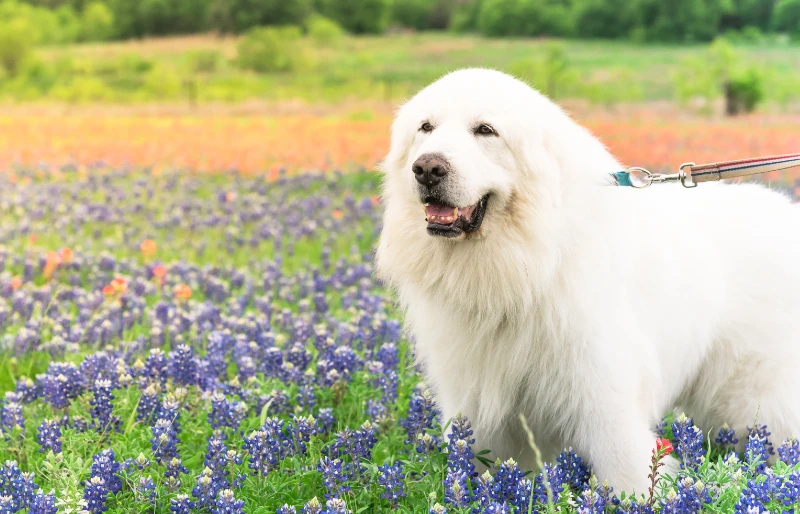
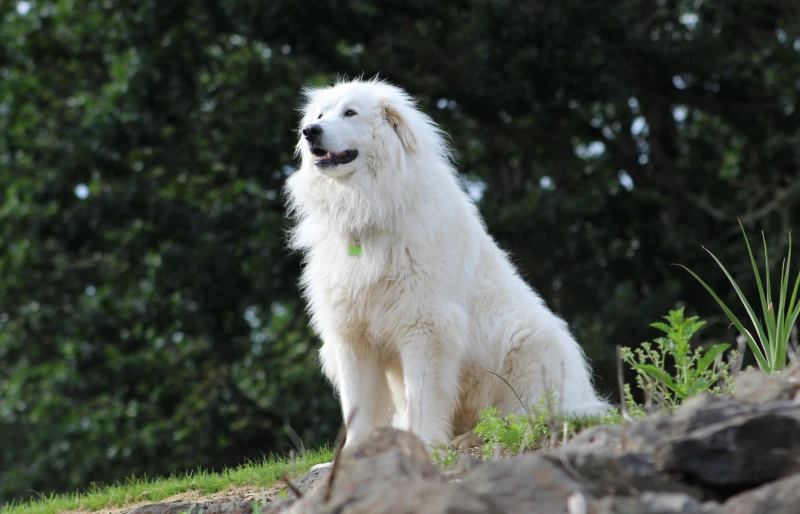
The Great Pyrenees is a gorgeous canine with a powerful, muscular body. They have a warm yet elegant manner and impressive intelligence. All Great Pyrenees dogs typically have all-white coats, which can sometimes include tan, gray, badger, and reddish-brown markings. If you are curious about the colors and markings of the seemingly all-white Great Pyrenees, we’ll discuss the possibilities in this article.

Great Pyrenees Coat
The Great Pyrenees have a weather-resistant double coat made of a long, thick outer coat of coarse hair that is straight or slightly wavy and lays over a dense undercoat.
A ruff or mane that is more prominent in males adorns the neck and shoulders, where the fur is more abundant. The face and ear hair are shorter and have a finer texture, with the tail hair a bit longer, forming a tuft and feathering down the back of the front legs and the back of the thighs.
Their coats can have tan, gray, reddish brown, or badger markings, which are all a part of the breed standard. There may be markings of various sizes on the ears, head and face, tail, and a few body patches.
The 6 Great Pyrenees Colors & Markings
1. All White
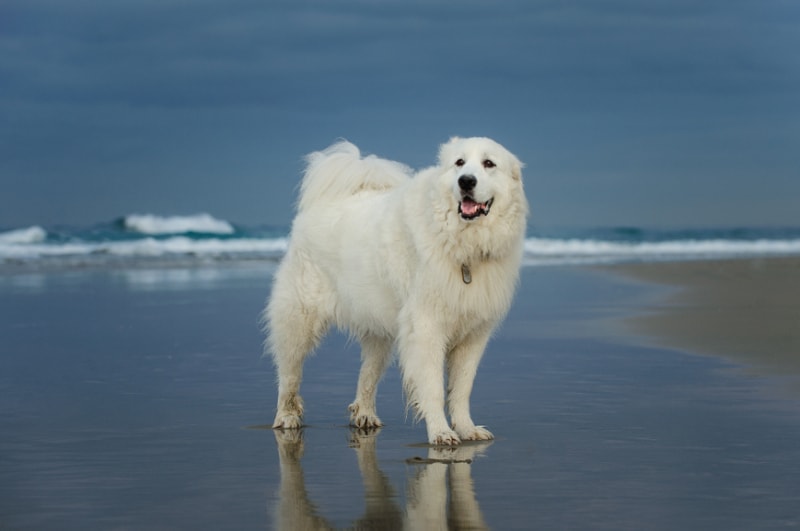
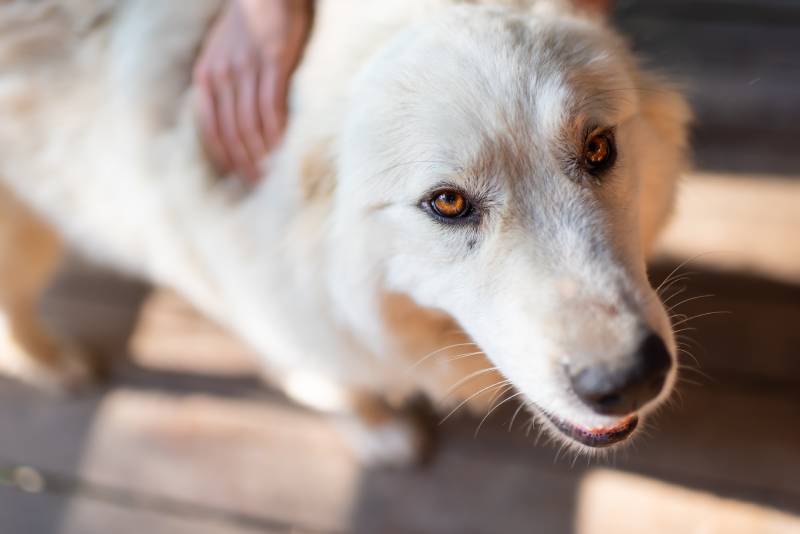
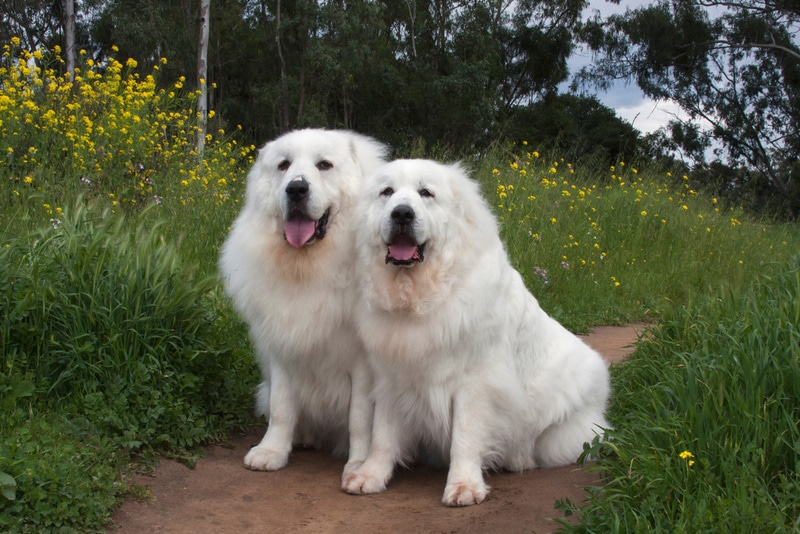
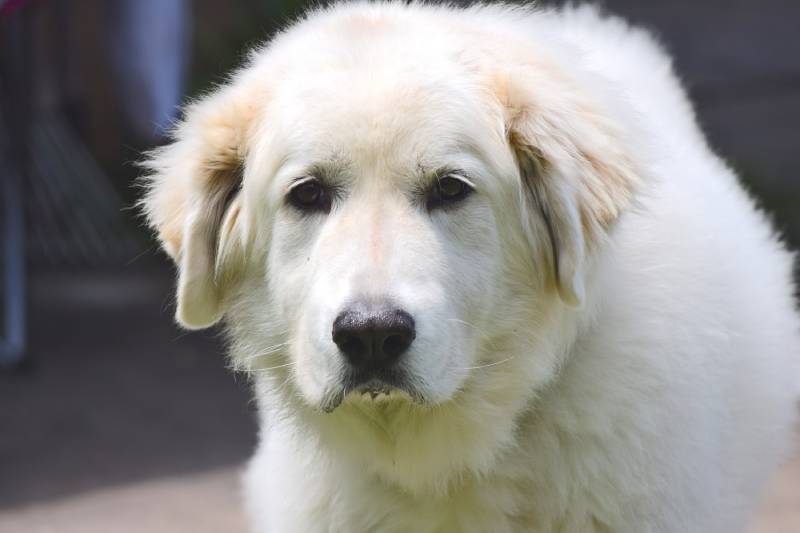
The Great Pyrenees dog's most prevalent coat color is solid white, which is the only acceptable shade. A quick internet search will display Great Pyrenees dogs with coats as white as snow. Some puppy's white coats include markings or a faintly creamy undertone when born. This color eventually turns into solid white as the dog grows older.
If the Pyrenees is not fully white, it can be assumed that they are not a purebred dog. However, The American Kennel Club (AKC) recognizes the Great Pyrenees with various markings.
2. Tan Markings

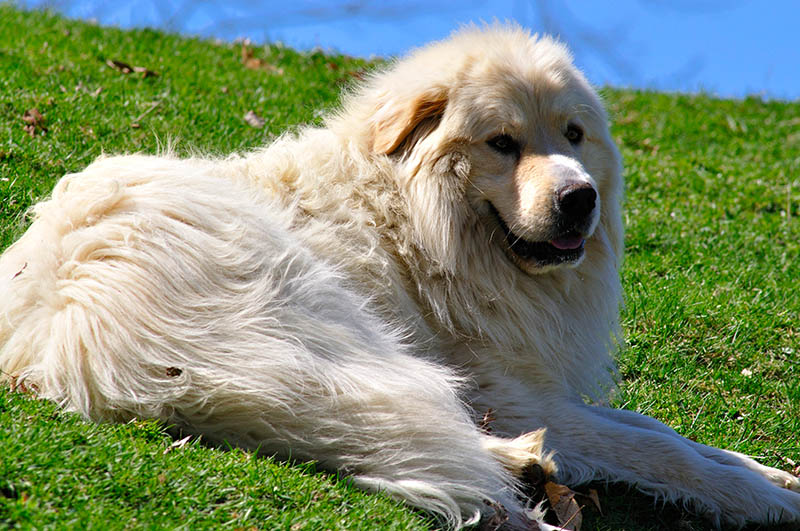
One of the popular varieties of white Great Pyrenees is one with tan markings. Its predominant color is white, with tan markings on the face, body, and ears. It can be difficult to differentiate the dog's tan markings from other colors because they range from dark brown to light tan. However, they frequently have a golden/ yellow tone that distinguishes them from other colors. As with all markings, a face mask is typical, as are patches throughout the rest of the body.
According to the AKC breed standard, dogs with orange markings also qualify as "tans," even though other breeders and organizations view orange as a separate color.
3. Gray Markings
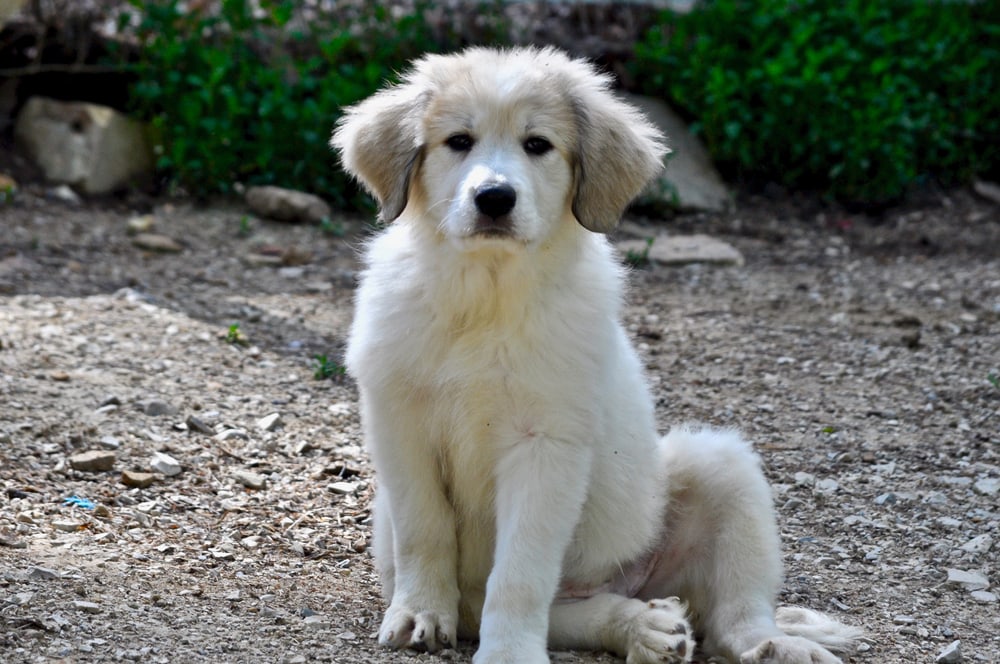
Great Pyrenees coats often sport gray markings. They most frequently appear on the face, ears, and other parts of the body. Usually, dogs with diluted genes are gray.
4. Reddish Brown Markings

A Great Pyrenees coat with reddish-brown markings can range in hue from dark to light. They can sometimes be confused with tan markings. However, they are distinguishable due to the reddish undertone.
5. Badger Markings
Badger is the rarest standard coat color of the Great Pyrenees. They typically have white coats with badger markings on their backs and faces. The badger markings often lighten or sometimes turn white as the dog ages, which makes this coat even more rare.
However, some believe that after fading, the patterns can reappear. The Great Pyrenees' coat renews as it sheds, which is likely what happens when and if this occurs.
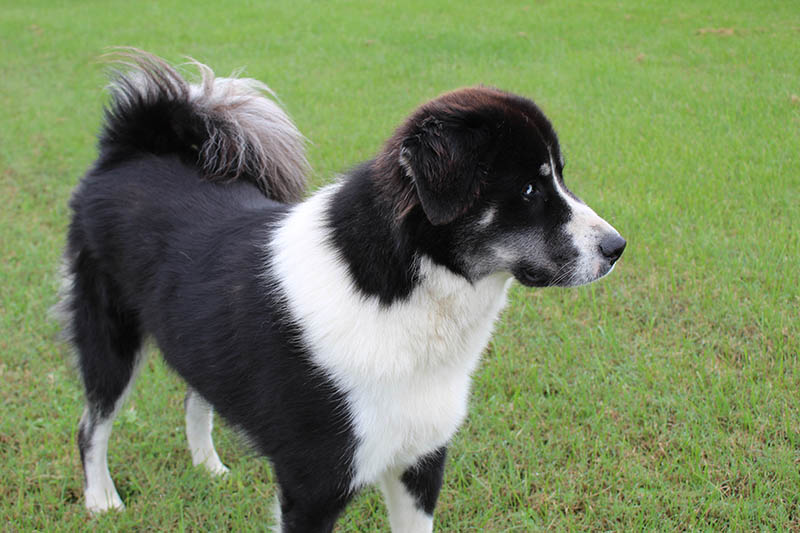
6. White with Black Markings
Experts on the Great Pyrenees have debated whether purebred Great Pyrenees can have black markings. However, they all agree that black markings are very rare. The pattern is often nicknamed “salt and pepper” when it does occur.
According to breed standards, black markings are prohibited. The same holds true for dark brown marks. A dog's black markings are a sign that it is not a purebred animal.
Can a Purebred Great Pyrenees Be Black?
No documented cases of registered Pyreneans with black have been observed. Purebred Black Great Pyrenees are unlikely because black does not exist in the Pyrenean Mountain Dog genes. However, there have been speculations that a litter of two white Great Pyrenees can contain black puppies.
The recessive black gene of the Great Pyrenees is the most likely explanation. Therefore, a black Great Pyrenees could be born if one of the black genes becomes dominant. A purebred black Great Pyrenees is a rare possibility rather than a certainty.
Do Great Pyrenees Change Color?
As your Great Pyrenees grow older, their coat color may change. The black and white Pyrenees coats can occasionally become darker with age and develop more black patches. Conversely, badger marks typically vanish when puppies are 7 months old, and dark badger markings on adult Pyrenees are uncommon.
You should ask your breeder to show you older dogs from their line if the coat color is significant to you. They can show you pictures of the dogs as puppies and as they are currently. You can also get an idea of your puppy's potential appearance as an adult from the parents.

Does the Coat Color Matter?
The Great Pyrenees’ coat color does not affect their health or temperament. A dog's genetics, experiences, and environment have the most significant impact on how they behave. Additionally, it's a warning sign if your breeder prioritizes the coat color or charges more for "rare" puppies.
When it comes to purebred dogs, the coat colors set high-quality Pyrenees breeders apart from those that aren’t. In accordance with the conformation standard, markings cannot cover more than one-third of the body of this huge breed.
The Great Pyrenees are a healthy breed, but they may be more prone to albinism because they lack melanin. Albinism can significantly increase the chance of some diseases, including skin cancer and deafness.
What Color Will My Great Pyrenees Puppy Be?
A Great Pyrenees is typically all white, but having a pup with other colors and markings is possible. When one parent exhibits hints of the colors we mentioned, the puppies can inherit them.
By examining the parents’ coat colors and talking to the breeder, you can get an idea of how the puppy will look, but the best way is through genetic testing. The test can help you determine your puppy's coat color and whether any other colors may develop as your Pyrenees get older.
Conclusion
We hope this list helped you gain clarity on the coat of the Great Pyrenees and the available possibilities. While there are not as many color options as other breeds, the Great Pyrenees’ white coat is one of their most beloved traits. Their bright white fur is stunning, but regardless of your Great Pyrenees' coat color, their loving and calm temperament remains the same.
Sources
Featured Image Credit: Trong Nguyen, Shutterstock
Get Hepper In Your Inbox


Pet care tips from our vets and experts, straight to your inbox.
You may opt-out at any time. View our Privacy Policy for more information.

Nicole is a lover of animals of all sizes but is especially fascinated with the feline variety. She’s the proud mom of Baby, a Burmese, and works every day so he can relax in the sunshine or by the fire. She’s always had a cat in her home and has spent countless days with others, observing behaviors and softening up even the grouchiest of the lot. Nicole wants to share her kitty expertise with you so you and your cat can live happy, healthy, and care-free.
Join the conversation
Ask a question, share your story, or send private feedback.