Hepper is reader-supported. When you buy via links on our site, we may earn an affiliate commission at no cost to you. Learn more.
Greyhound vs. Italian Greyhound: What’s the Difference?
In this article
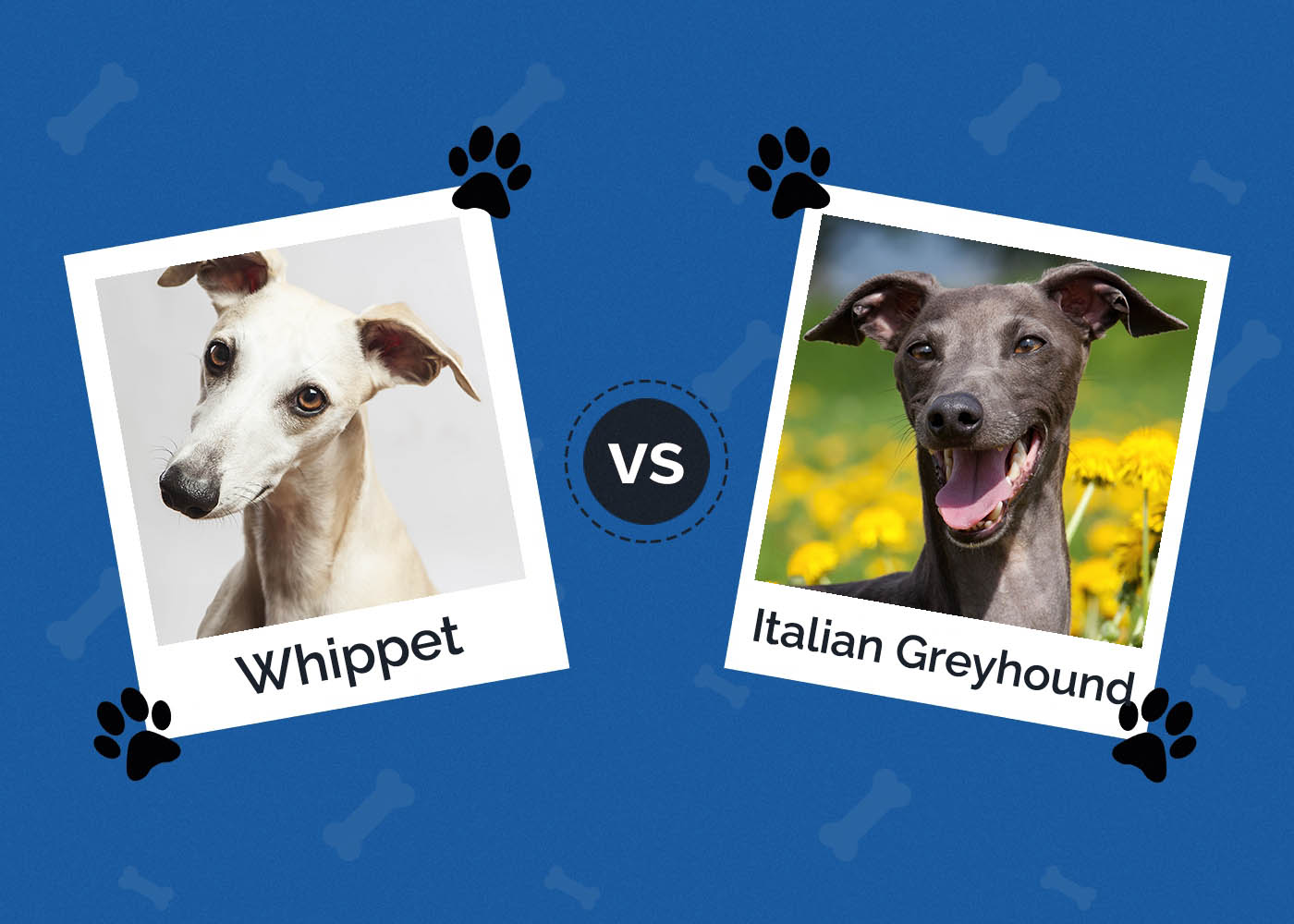
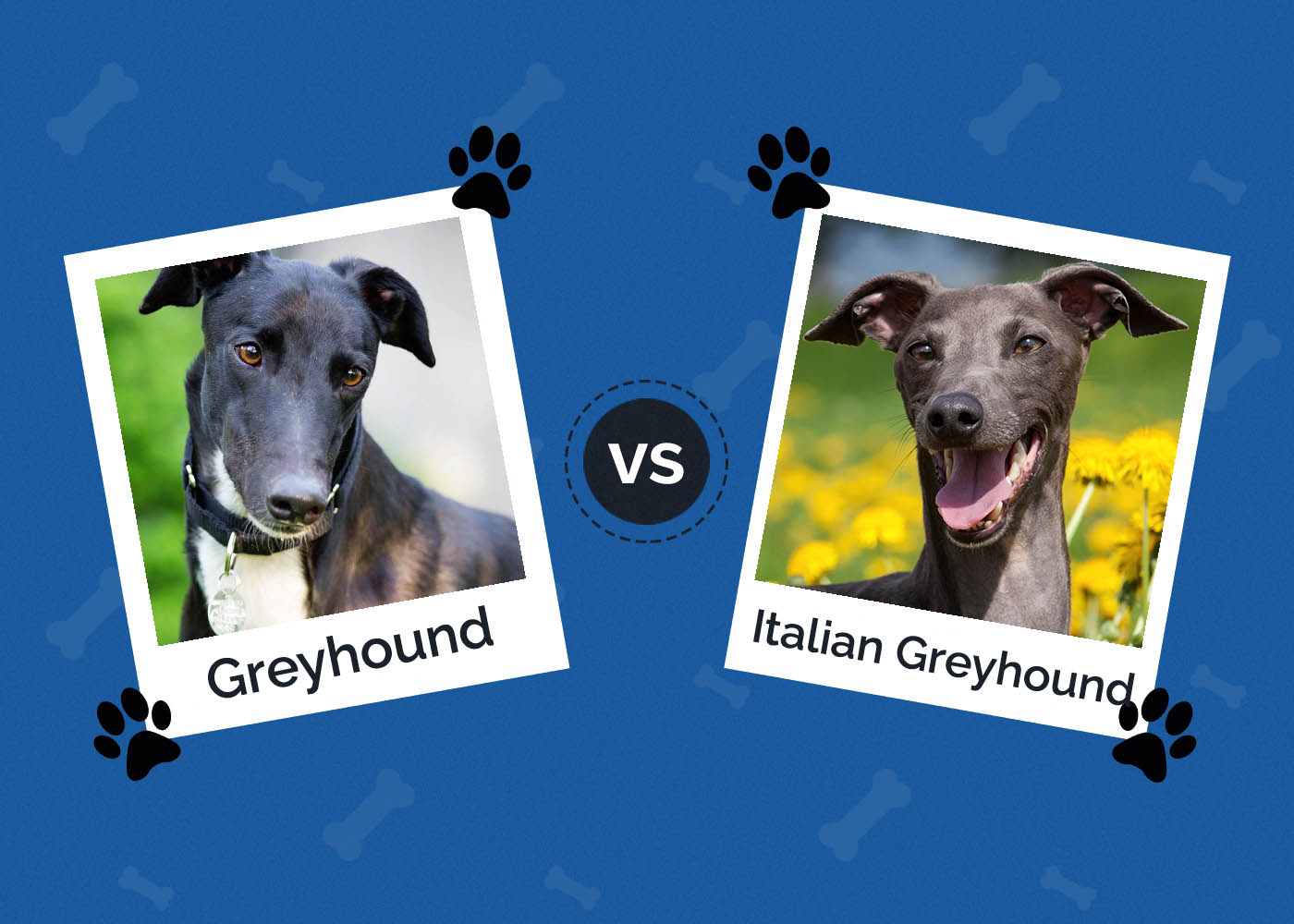
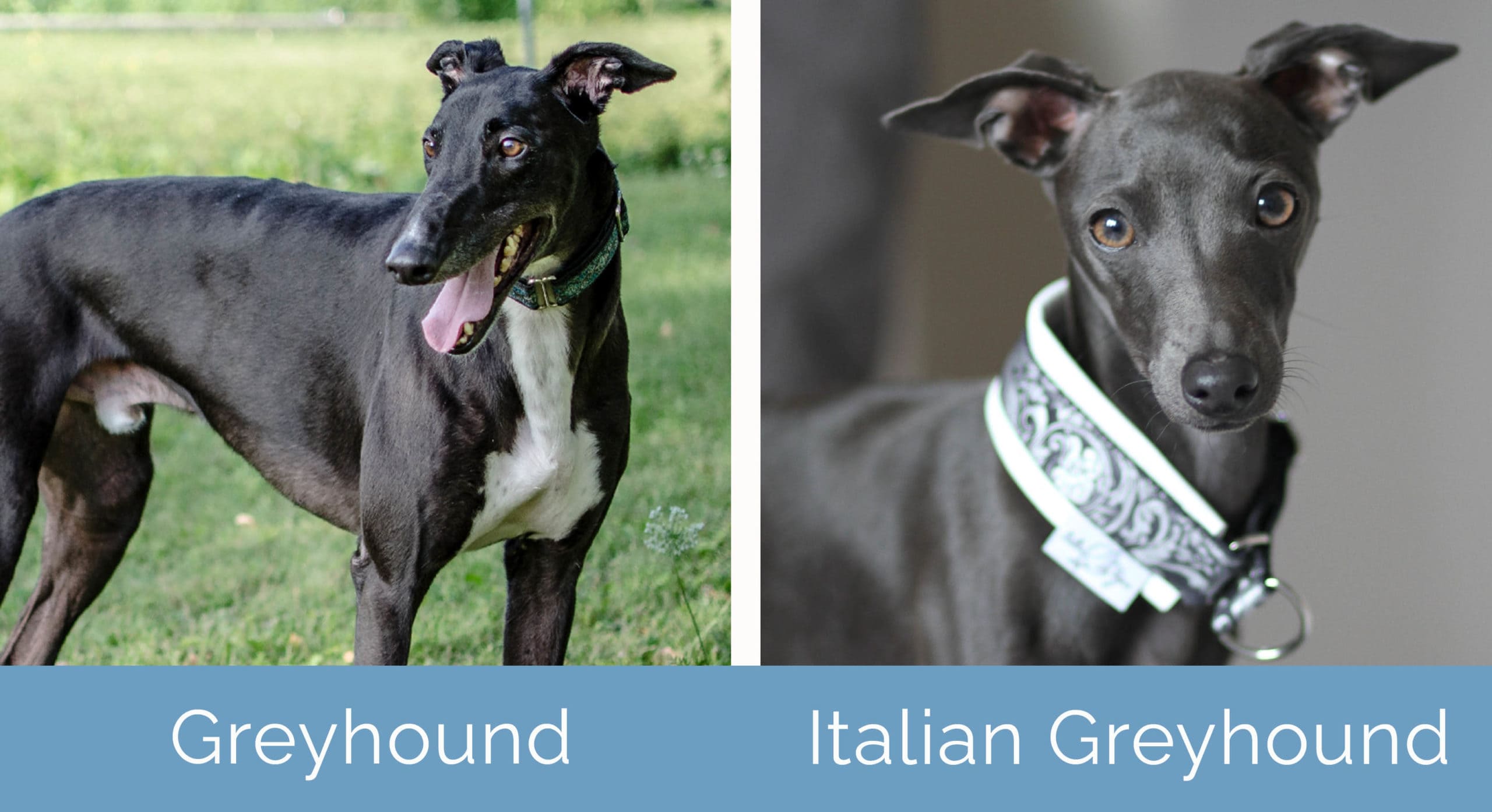
There are so many dog breeds out there, that recognizing them all and understanding their differences can be extremely difficult. For example, an “Italian Greyhound” compared to a “Greyhound” can be even more confusing because they sound like they should be the same breed.
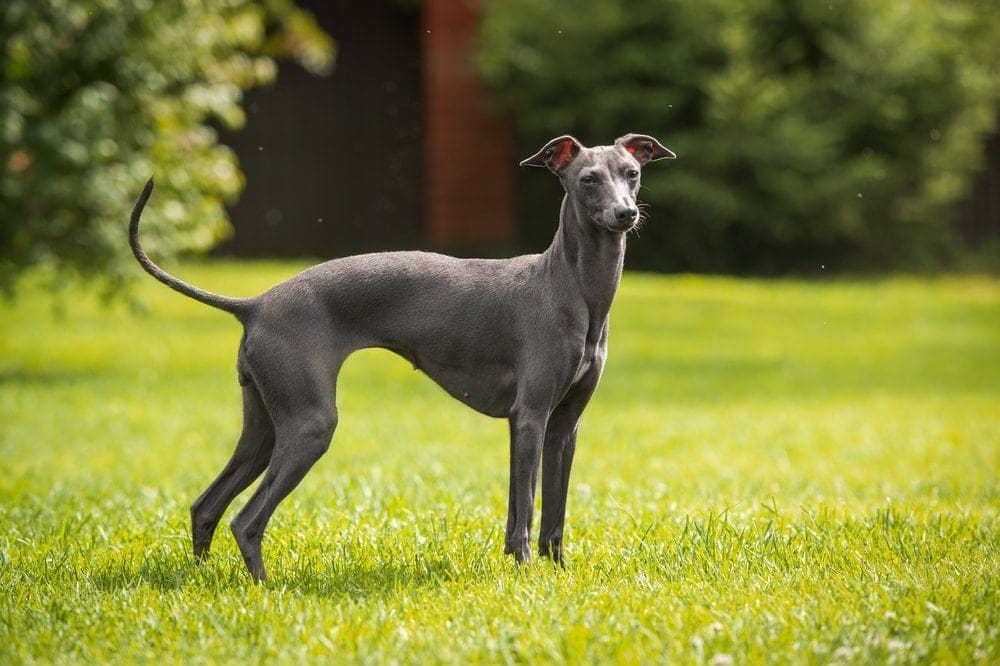
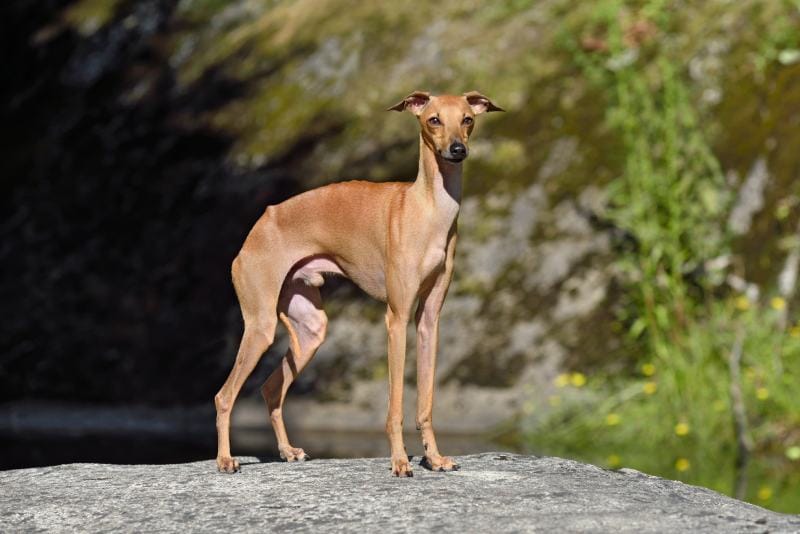
In reality, there are significant differences between these two dogs. The Italian Greyhound is much smaller, but they are not miniature Greyhounds. In fact, they have almost entirely separate ancestries.
So, what are the differences between these two dogs? We will cover them from top to tail in this article.

Visual Differences
At a Glance

Greyhound Overview
Personality / Character
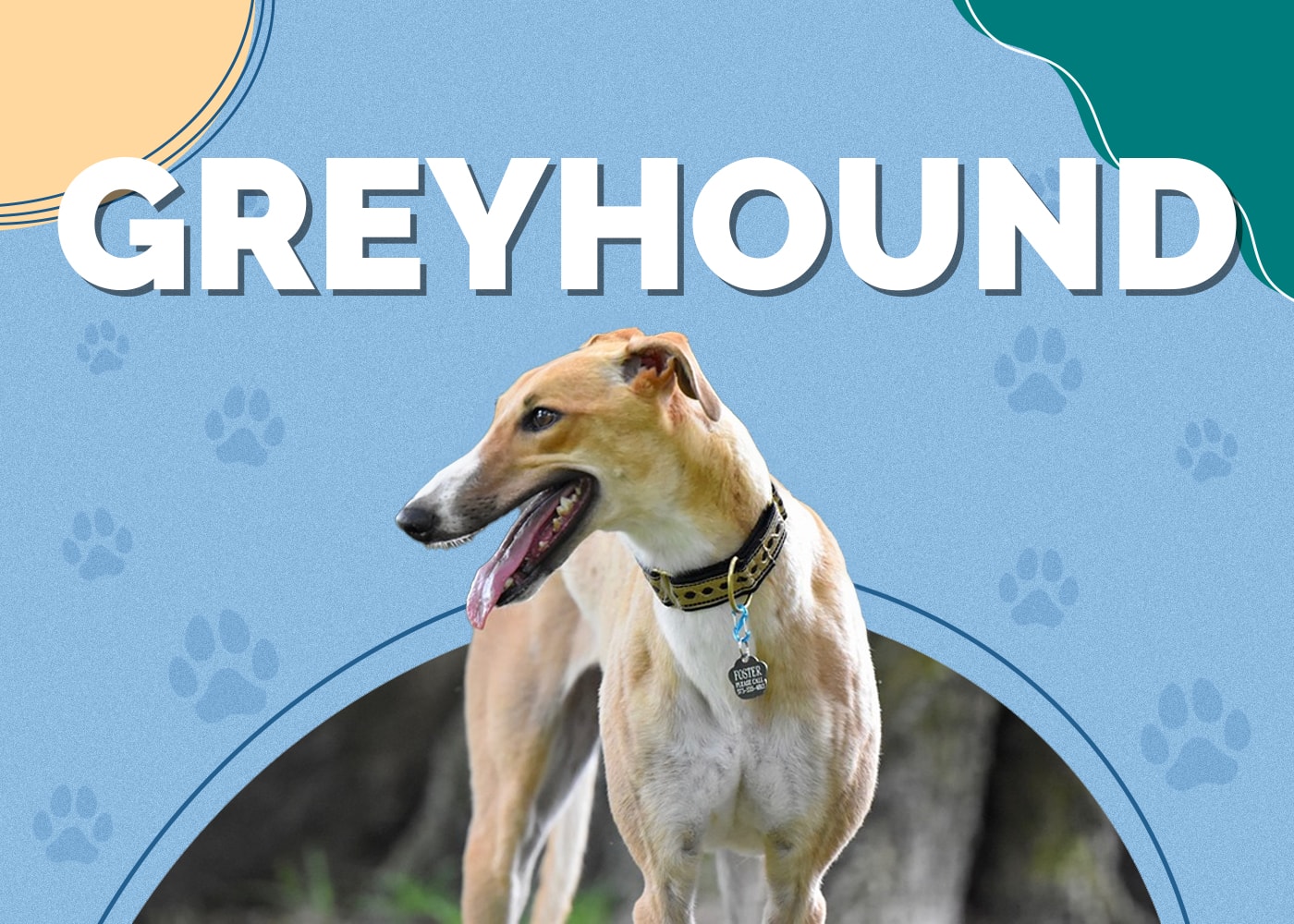
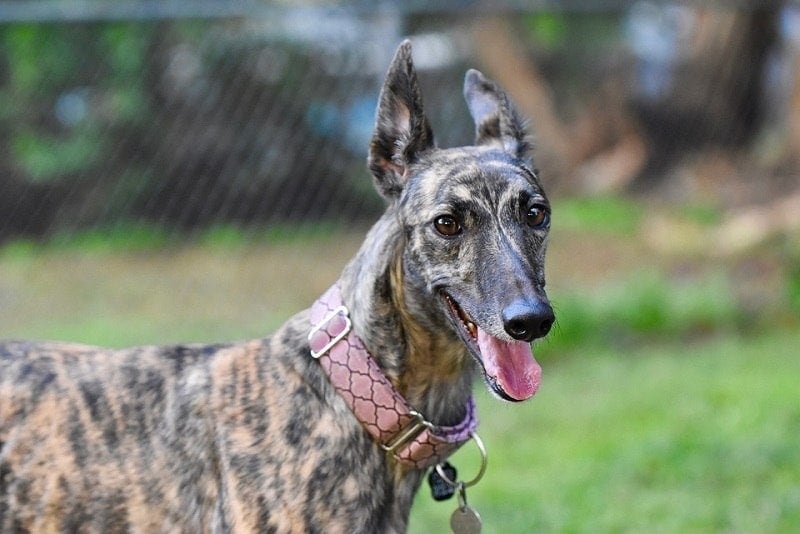
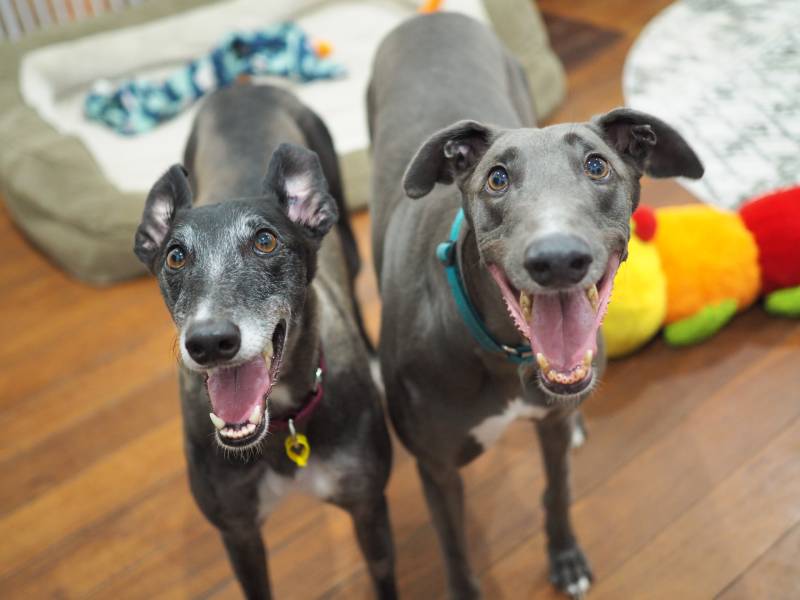
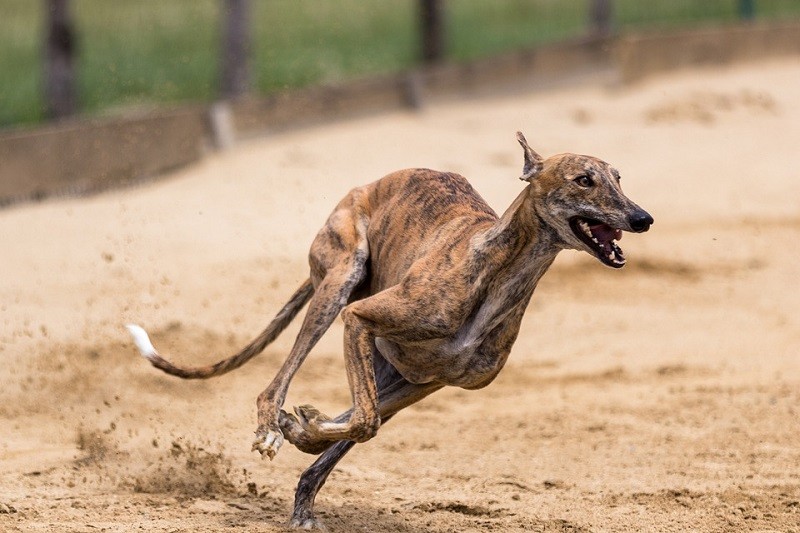
Greyhounds are known for their looks and their incredible speed. These dogs are some of the fastest in the canine kingdom, with the ability to reach between 40 and 45 miles per hour. They are sleek and streamlined, like Ferraris in the world of sports cars. Beyond being fast, though, Greyhounds are known for their extraordinary personalities. They are graceful, elegant, and sweet, with a mild nature that makes them beloved by many.
Greyhounds seem to have two speeds: an all-out sprint and lazing on the couch. One of their favorite things to do is to curl up with a blanket, pulling it off the back of the couch or from the bed to cover themselves up with it. The reason they do this with blankets is that they are quite sensitive dogs. They have mild temperaments and are keen to make you happy, and they seem to feel your emotions. They are also sensitive to the weather and get chilled easily.
These dogs do not deal with loneliness well and must be in a home where there are people around to give them extra love throughout most of the day. Because of this need for attention, they are cuddle bugs and tend to bond closely with their family.
Training
Training a Greyhound can sometimes feel like the toss of a coin. They are quite intelligent, so they can learn new commands quickly. However, they are also relatively independent dogs that will use their intelligence to figure out what they can get out of a training session.
They need consistency more than anything throughout their training. Doing so helps them to know exactly what they should expect and what they will be rewarded with if they do what you ask them to do. During training sessions with a Greyhound, you must remember that they have a sensitive side. Training them with any kind of harshness or impatience doesn’t work for them at all, and instead, they could become timid and unruly pups.
It is also good to remember that a Greyhound will often have issues with the sit command because their bone structure makes this difficult for them. They can become shy animals if they aren’t introduced to various places and people when young.
Health & Care
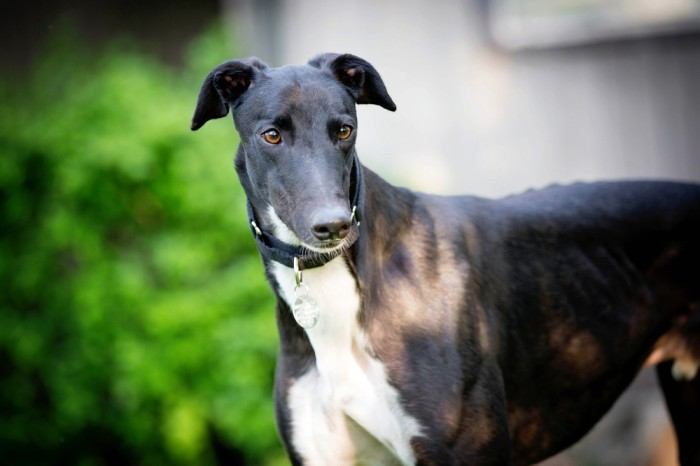
Even though a Greyhound can get up to 45 miles an hour, it doesn’t mean that they will consistently want to do so. They only need to be taken for about an hour of exercise each day and typically prefer to go on easygoing daily walks. They do need daily exercise, though. Without enough activity, they are bound to become bored, which can result in destructive behavior.
Greyhounds are naturally skinny dogs, and their bodies are meant to stay this way. They can become overweight, but it is bad for their health. They need attention paid to their joints, and a good diet can help control bone issues. Your Greyhound’s diet depends on how much activity they get each day. They need between 2 to 4 cups of food each day, and the amount should always be divided between two meals.
Grooming a Greyhound is relatively simple because they have such short and sparse fur. They should be brushed a couple of times a week to reduce the amount that they shed around the house. This type of fur is also why they need to have extra care taken of them during the winter, and they should always wear a coat if they are taken outside.
History
The Greyhound is an ancient dog breed. They originated in the Middle East and the northern reaches of Africa. With their sleek bodies and capacity to run like lightning, these dogs have gained recognition in various cultures, from the Greeks to the Egyptians. They even take the title of the only dog mentioned in the Bible.
Greyhounds have a high prey drive because they have been known as hunting dogs since their beginning. They spread throughout Europe during the Dark Ages for this reason. In fact, the laws in England at one time banned anyone living within 10 miles of the royal game reserves from owning a Greyhound.
Greyhounds were one of the first dogs to be brought over to America and were originally recognized by the American Kennel Club (AKC) in 1885. Greyhound racing became incredibly popular in the States, a controversial activity because dogs were sold to labs, abandoned, or euthanized if they didn’t do well on the track.
Suitability
A Greyhound is a perfect dog for families who are frequently around and quite active. Greyhounds need plenty of activity and companionship, so they aren’t the best choice for a single person who isn’t home frequently.
Italian Greyhound Overview
Personality / Character
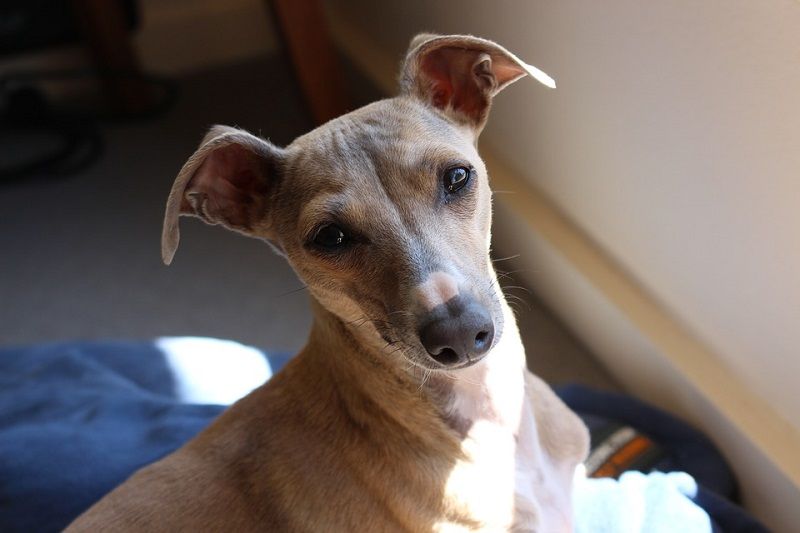
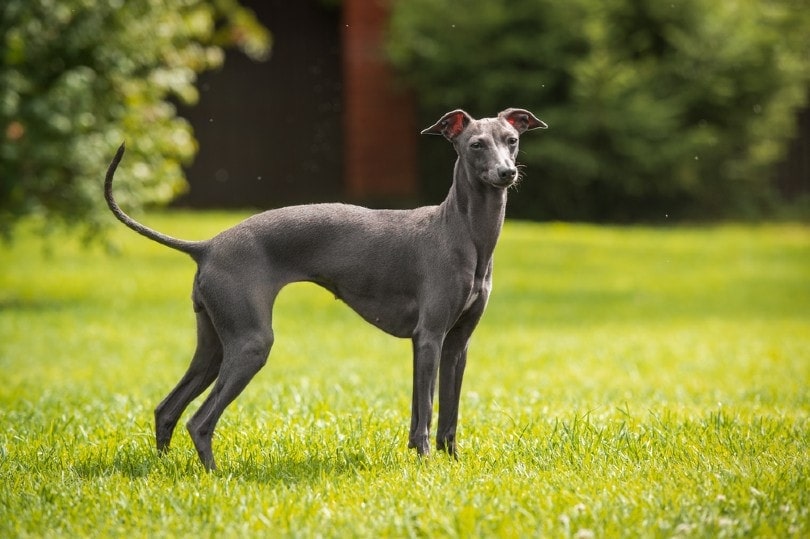
The Italian Greyhound appears to be a miniature version of the Greyhound. However, they have been a different and entirely separate dog breed for many years. The Italian Greyhound, commonly called an Iggie, is thought to be a small hound, with a lapdog’s personality.
Similar to the Greyhound, Iggies are known for their racing capability. They are speedy and have moderate endurance, particularly when it comes to a hunt. These dogs are easy pets for a family to adopt, for the most part. They are adaptable in their living needs and do well in apartments and various other home situations.
These pups are sensitive and hate to be alone. They need to be showered with love and require regular exercise. If you have an active family in a home that frequently has people coming in and out, an Italian Greyhound might fit quite well.
Training
Italian Greyhounds have a similar attitude during training scenarios as a Greyhound. They want to make you happy but require a great deal of consistency in training. These dogs are known for presenting an incredible challenge when it comes to potty training. They are rarely 100% housetrained and are often rehomed because they tend to go to the bathroom whenever the urge hits them.
When training an Italian Greyhound, you will need to find their sweet spot. Figure out what motivates them, and give them a reward that they want. Because they are so sensitive, it is important not to raise your voice with them or be harsh in any way.

Health & Care
The Italian Greyhound, much like any other breed, struggles with health issues. These can include various problems with their eyes and vision as they age and Von Willebrand’s disease, a genetically inherited blood disease.
Beyond making sure to take them to their veterinary appointments to catch any health issues early, there are daily aspects to keeping them happy and healthy. They have short coats of fur and need to be carefully monitored when they are outside. They should always wear a coat if they are outdoors in cool weather and use sunscreen for dogs during warmer weather.
The Iggie has a great deal of energy, and they need regular exercise each day to stay healthy. It is best to have a small yard or take them to a park to run around and have fun. They are small, but they have a high prey drive, so they need to be walked on a leash.
Iggies have a small diet to go with their small frames. They should still get their food spread out to at least two meals a day to keep them from struggling with indigestion. They should get between ½ cup and ¾ cup of food each day. Make it a high-calorie food to fuel them during their daily activities.
Related Read: Best Dog Joint and Hip Supplements – Reviews & Top Picks
History
Although the Italian Greyhound might not be as ancient as the Greyhound, they are an old breed that is thought to have been around for millennia. These dogs are at least 2,000 years old, as their bones have turned up in Turkey and Greece during archaeological digs.
The breed’s original purpose seems to have been lost to history, but they probably served as a hunter and a companion. They were especially popular as a lady’s companion during the Middle Ages when they made their way into and spread throughout southern Europe. They became especially popular in Italy during this time, which is where their name is derived.
Italian Greyhounds have been immortalized along with their owners in famous portraits. Along with the larger Greyhound, Iggies were also some of the first dogs to come to America. They were established in 1886 and registered by AKC then as well.
Suitability
Iggies are well-suited to be companion dogs for families or singles and seniors who have plenty of time for them. Any owner will need plenty of patience, particularly when it comes to housetraining them.

Which Breed Is Right for You?
The most significant difference between these two breeds is their size. The Greyhound is substantially larger than the Italian, well-known for being tall and lean. They need plenty of space to run around, and they settle into adult life and relaxation much faster and easier than the Italian Greyhound.
The Italians are generally higher maintenance than the Greyhound. They take longer to housetrain and take up less space and are easier to exercise and less expensive to feed due to their stature.
The decision is largely dependent on the kind of commitment that you want to make to your next dog. Both of these do well in family living situations, though the Italian is undoubtedly more suited to an apartment. Examine your home and your preferences before making the final choice between these two ancient, incredible canines.
Related Read:
Featured Image Credit: (L) Tracy Kerestesh, Shutterstock | (R) Lendkadan, Shutterstock
Get Hepper In Your Inbox


Pet care tips from our vets and experts, straight to your inbox.
You may opt-out at any time. View our Privacy Policy for more information.

Nicole is a lover of animals of all sizes but is especially fascinated with the feline variety. She’s the proud mom of Baby, a Burmese, and works every day so he can relax in the sunshine or by the fire. She’s always had a cat in her home and has spent countless days with others, observing behaviors and softening up even the grouchiest of the lot. Nicole wants to share her kitty expertise with you so you and your cat can live happy, healthy, and care-free.
Join the conversation
Ask a question, share your story, or send private feedback.