Hepper is reader-supported. When you buy via links on our site, we may earn an affiliate commission at no cost to you. Learn more.
What Were Greyhounds Bred For? Origins & History Explained
In this article
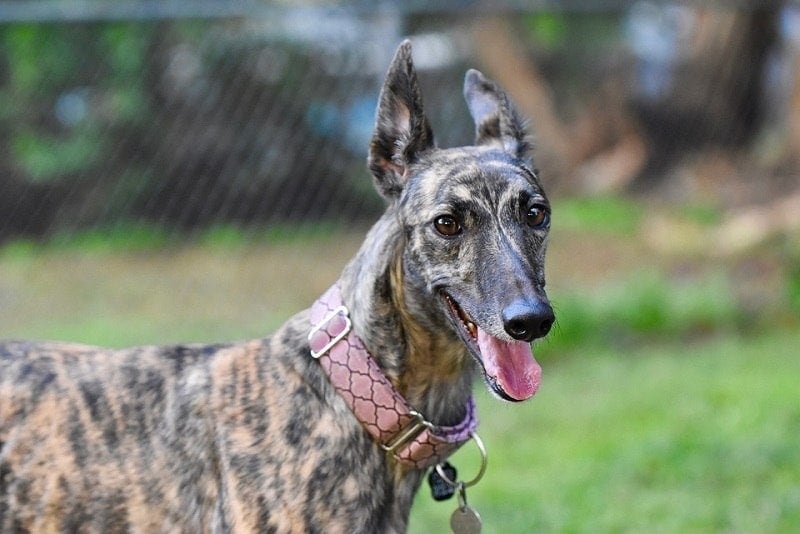
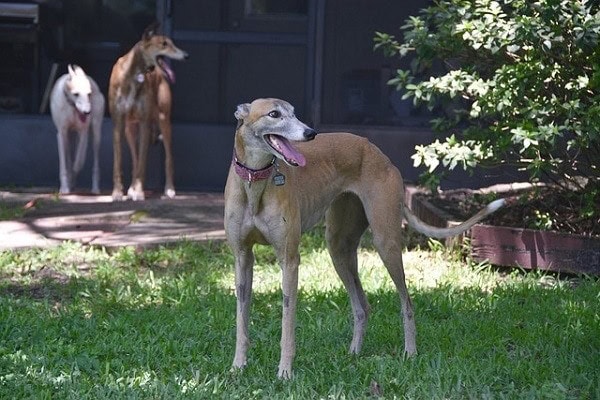
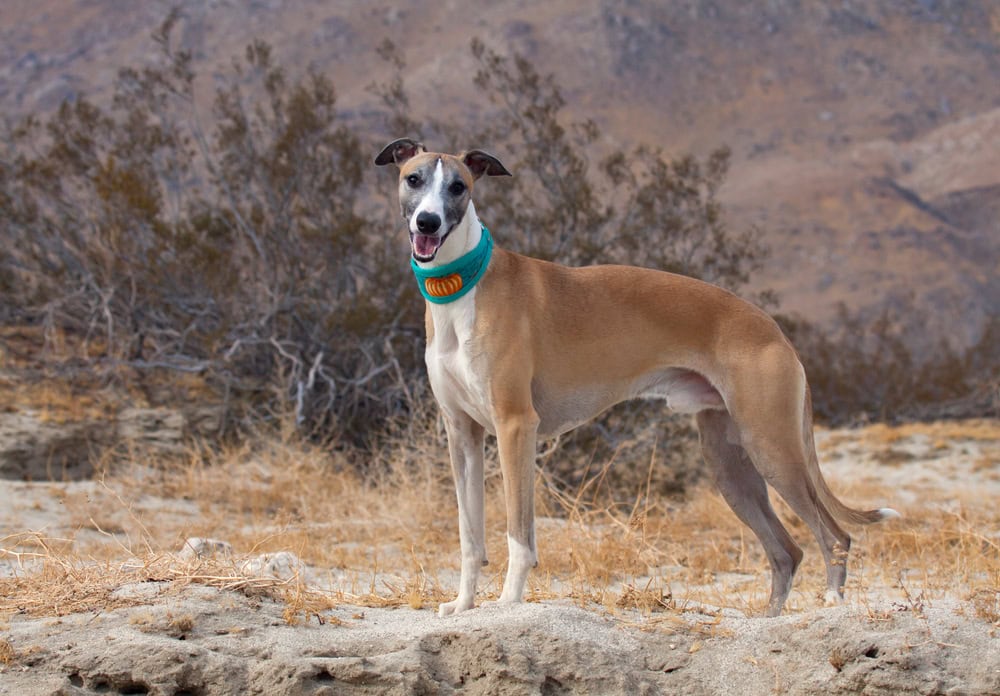
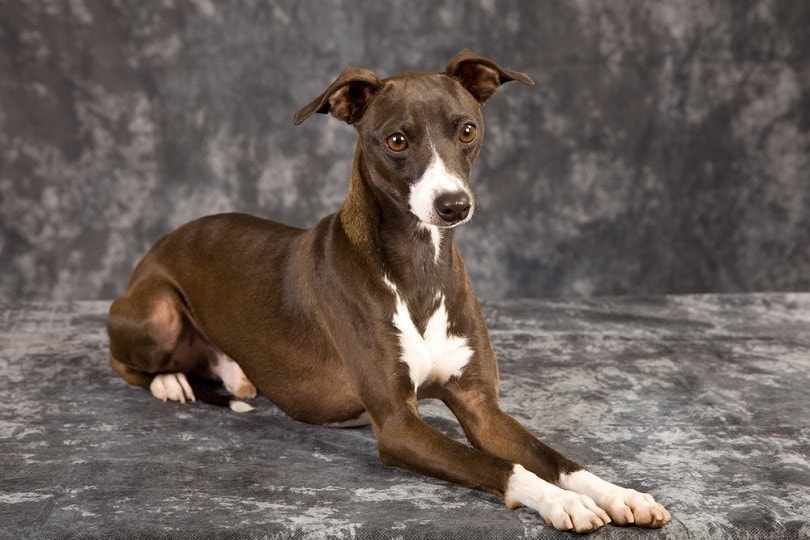
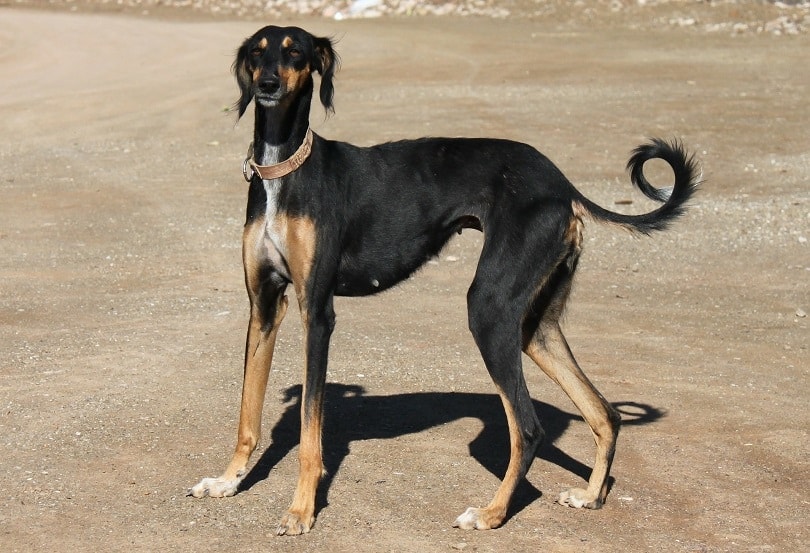
Greyhounds were bred for the same thing they are still used for today—running. They were bred to chase all sorts of different prey. Therefore, they have a very sleek appearance, are lightweight, and can run extremely fast. The original Greyhound was likely the ancestor of the regular Greyhound today and other similar breeds like the Saluki.
This breed is extremely old. Therefore, they have done a lot of development over the years and they have likely changed a lot from when they first came into existence.
Therefore, to truly understand these dogs, you need to go through a bit of their history.

Origins
We know that these dogs were in existence about 4,000 years ago. Or, at least, a common ancestor of the Greyhound and other similar breeds was. We have ancient skeletal remains that were excavated from what is now Syria.
These dogs were utilized in Egypt—or a very distant ancestor of them was. We have pictures of gracile dogs that look similar to Greyhounds. These dogs were extremely important and often mummified. In fact, the whole family sometimes entered into mourning, which was a serious social state that involved the family shaving all of their hair!
Favorite greyhounds would have been buried with their owners.

Other Evidence of Early Greyhounds
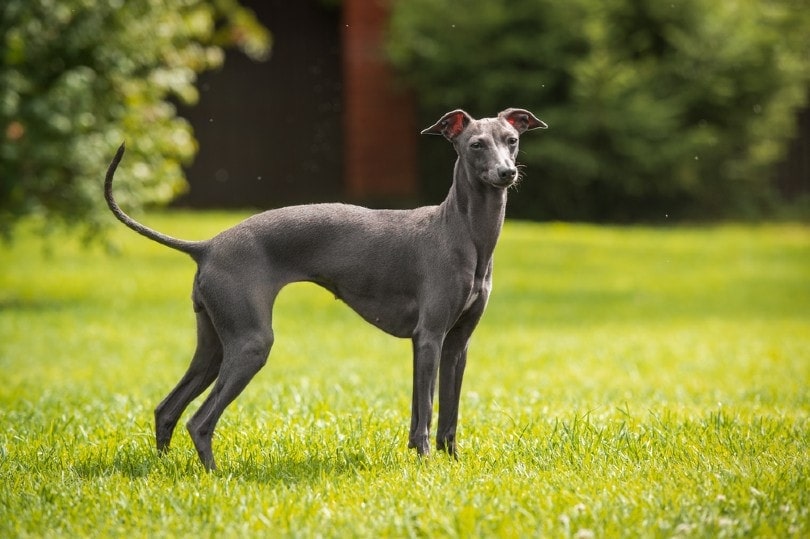
We also have different pieces of historical literature pointing toward these dogs. For instance, the first historical literature of these dogs points out that their origins might lie with the Celts, especially the Celts in Eastern Europe.
It is the first recorded sighthound in history, especially in relation to Europe.
However, systematic archaeology has ruled out the existence of Greyhounds in Europe before the Romans. Therefore, it is likely the Romans that brought the dogs with them, and they had close enough contact with the Middle East to receive Greyhound-type dogs from there.
Likely, these dogs were purchased from Egyptian merchants or traders from around the area. They were likely in Rome before 1000 BC, which is when the first evidence of these dogs is apparent. In the Odyssey, Odysseus’s dog was described in a way that was similar to a sighthound. Therefore, they were probably known around 800 BC, when the story was written.
Evidence that we have from the early Roman occupation does show Greyhound-like dogs, so it seems that they were common with the Romans that invaded Britain. Furthermore, we know that these dogs were used in hunting, as that is how they are depicted in these older texts.
In the Czech Republic, we have sighthound-type dogs that were probably related to the Greyhound, although they were a bit bigger. These bones are from around the 8th to 9th century. They are genetically comparable with the Greyhound and other sighthounds, though they are not similar enough to be called Greyhounds definitively.
These dogs were extremely similar to the Greyhound, though. There were only a few genetic differences, which likely arose after many centuries of breeding. Therefore, it is likely that this breed was directly related to the Greyhound—or at least a very close cousin.
Based on these earlier depictions, the Greyhound has changed very little since it was originally bred. This is likely because it was used for the same purposes throughout the years—chasing fast prey. These dogs were made to be extremely fast and agile— and they had already “perfected” this art at this early stage.

Romans
As we previously stated, we know that the Romans kept greyhounds. They were used for coursing, which is where the dog chases the prey until they catch it. These dogs were used mostly to chase hares, which were common in the region. Based on our knowledge, dogs didn't compete against each other.
We know that they were coursing because it is described by Ovid during the first century. There is also a book called “On Hunting Hares” that was published around this time as well. In this book, the purpose of coursing is described as not to catch the hare, but to enjoy the chase itself. In fact, dog owners are described as glad if the hares escaped!
It was just a competition between dogs and hares—not an actual hunt.
This same book describes the coursing done by the Celts. However, it seems that it did not really take off until the Romans also introduced the Roman hare, which was more suitable for coursing than the type native to Britain.
The Arabs
Many Arabs are Muslim and have been for many years. However, they have been keeping greyhound-type dogs for many thousands of years. For instance, the Saluki is likely descended from these early dogs.
While many Muslims have restrictions against contact with dogs, they often put the Saluki in a different category. For instance, the Quran allows followers to eat game caught by falcon or Saluki. However, other dogs are not allowed.
Based on this information, it is likely that these dogs were around before the foundation of Islam. Otherwise, the dogs would not have been mentioned in the Quran.
These fast dogs were used to hunt just about everything, including gazelle, hare, jackal, and fox. They were even permitted to sleep in their master’s tent and ride on top of camels.

Middle Ages

In the Middle Ages, Greyhound-type dogs almost went extinct. They were not used by the common man, as they were quite expensive to upkeep. However, the clergy saved them and bred them almost exclusively during this time. Since then, they have been considered dogs of the aristocracy.
After that time, many kings and noblemen made laws against keeping greyhounds without being noble, killing greyhounds, or hunting with them. If a commoner was caught with a greyhound, the dog was often killed or they were mutilated to prevent them from hunting.
Despite this, many commoners owned greyhounds. They preferred dogs that were harder to spot in the woods, such as those that were black, fawn, and brindle in color. By contrast, nobles preferred dogs that were white or spotted, as they could be followed easier.
While there is a lot of evidence of their use throughout Europe and Asia by the nobility, there is little evidence that the common man used this type of dog for hunting. Hunting hadn’t changed much since the days of the Romans, and it was still largely a game of sport. People did not often do it for food.
Renaissance
Throughout the Renaissance, many painters used the Greyhound as a subject, so we have lots of pictures featuring them. There is usually an emphasis on hunting, so we know that the dog was still used for this purpose at this time.
Coursing dogs became popular around the sixteenth century. Rules for judging competitive coursing were laid out, which allowed the dogs to be pitted against each other with some regularity. In fact, the rules have not even changed a great deal since they were laid out.
Plus, by the end of this time, many more people were allowed to own greyhounds, as many of the strict rules were removed. The middle class expanded, which allowed more people to afford these dogs. As more land was cleared for agriculture, dogs to exterminate hare and protect the fields were needed.
Modern Greyhound
The modern Greyhound derives from the Greyhound studbook. For a dog to be registered as a Greyhound, its mother and father must be in this book as well.
The first studbook was registered in the 18th century. However, the first public studbook (that anyone can join) was registered in the 19th century. Eventually, all of the studbooks arose out of this one.


Final Thoughts
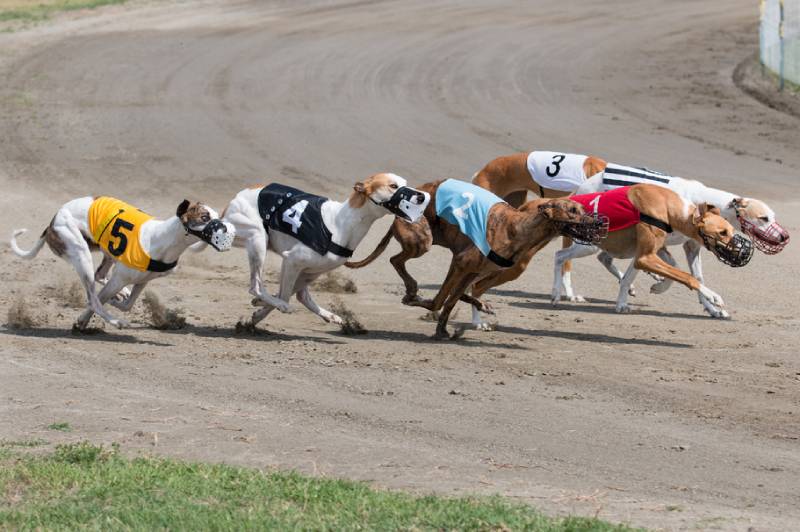
Today, Greyhounds are mostly used for racing and companions. However, they could still be used for hunting fast game like they originally were. People just don’t tend to hunt these animals in areas that Greyhounds can access easily, so they are rarely used for hunting.
Featured Image Credit: Linn Currie, Shutterstock
Get Hepper In Your Inbox


Pet care tips from our vets and experts, straight to your inbox.
You may opt-out at any time. View our Privacy Policy for more information.

Kristin is passionate about helping pet parents create a fulfilling life with their pets by informing them on the latest scientific research and helping them choose the best products for their pets. She currently resides in Tennessee with four dogs, three cats, two fish, and a lizard, though she has dreams of owning chickens one-day!
Join the conversation
Ask a question, share your story, or send private feedback.