Hepper is reader-supported. When you buy via links on our site, we may earn an affiliate commission at no cost to you. Learn more.
Heartworm in Cats: 5 Signs to Look For (Vet Answer)

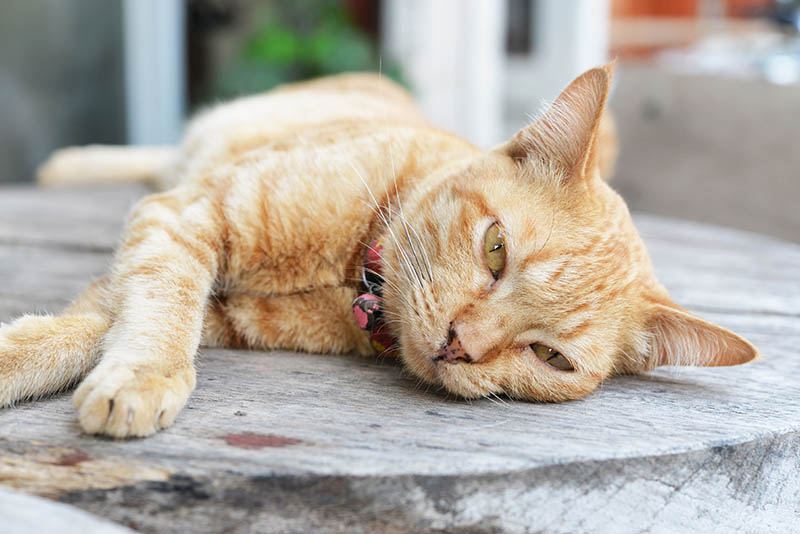
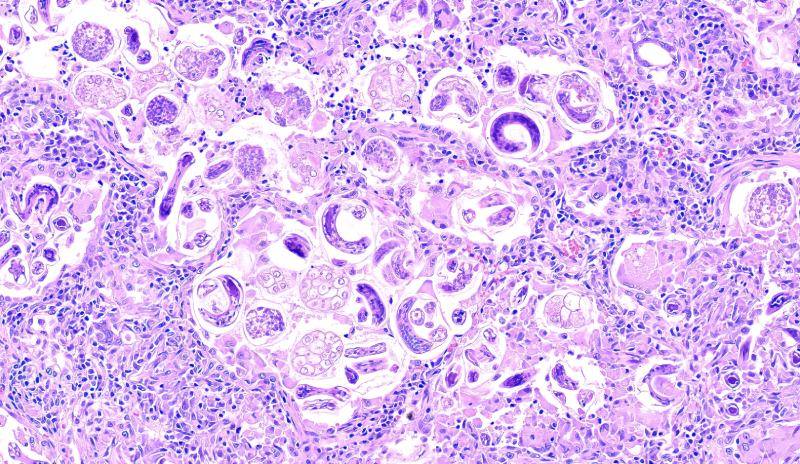
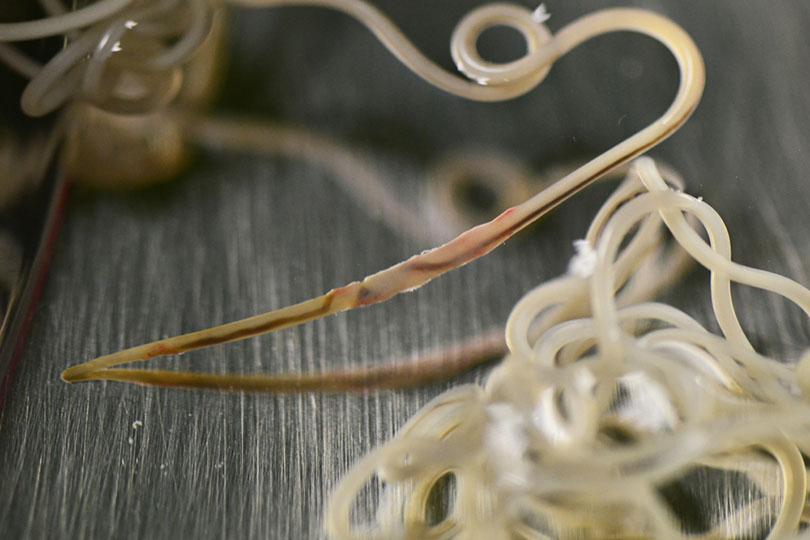
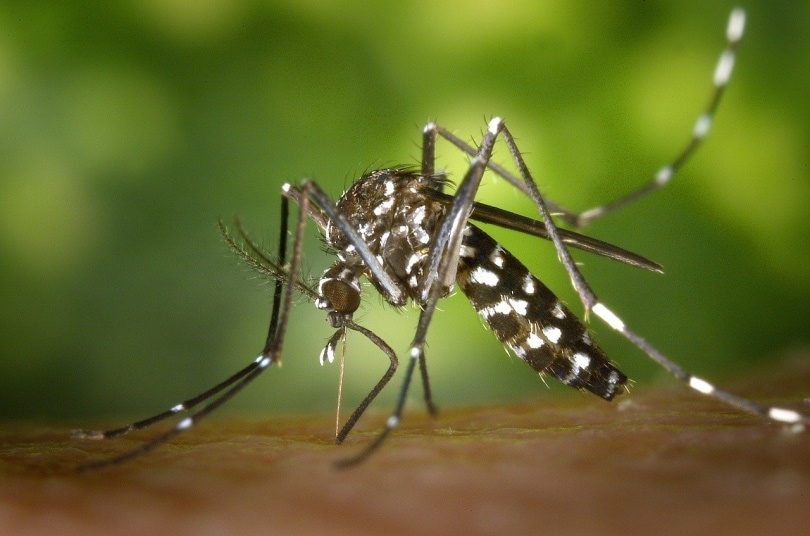
Heartworm disease in cats is a preventable but possibly fatal disease that is caused by the worms Dirofilaria immitis. They are spread by an innocuous mosquito bite, wreaking havoc in the heart and lungs of cats. What’s especially harrowing about these spaghetti-like worms is that they can grow to be almost a foot long! Despite this, heartworm disease causes several clinical signs that can sometimes be quite subtle and non-specific in cats, making diagnosis more challenging than it is in dogs, of which heartworm infection is thought to be more common. Read on to learn what signs you should look out for in cats.

The 5 Signs of Heartworm in Cats
1. Coughing
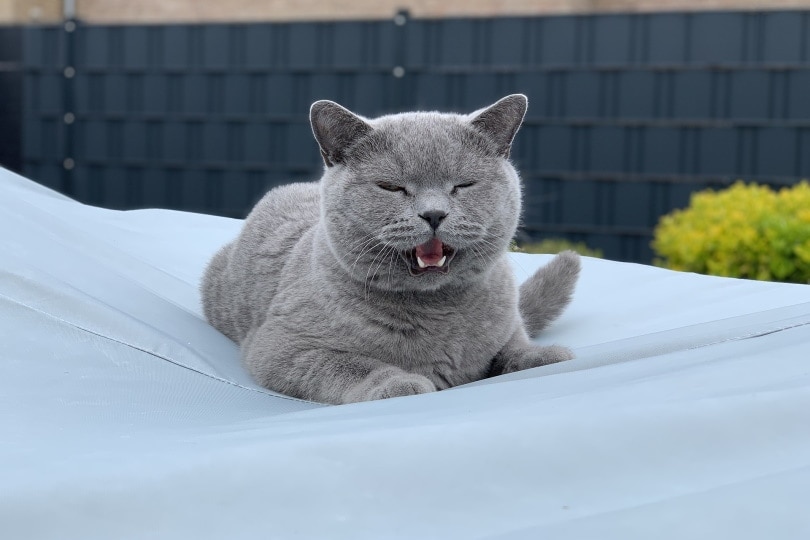
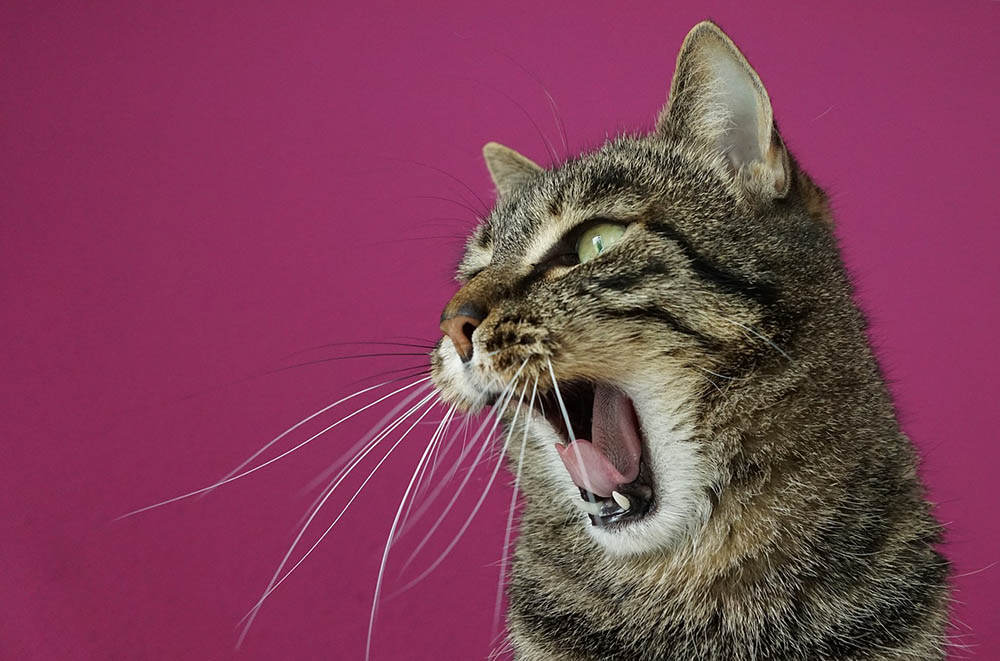
One of the most obvious clinical signs of heartworm in cats is coughing. The immature worms migrate through the small arteries of the lungs, resulting in a significant inflammatory response that damages the surrounding airways. Adult worms then settle in the major blood vessels of the lungs. This causes a whole host of clinical signs, of which veterinarians have given an umbrella term, “HARD” (heartworm associated respiratory disease). It is easy for coughing to be confused with other respiratory diseases in cats, such as asthma or bronchitis.
2. Difficulty Breathing
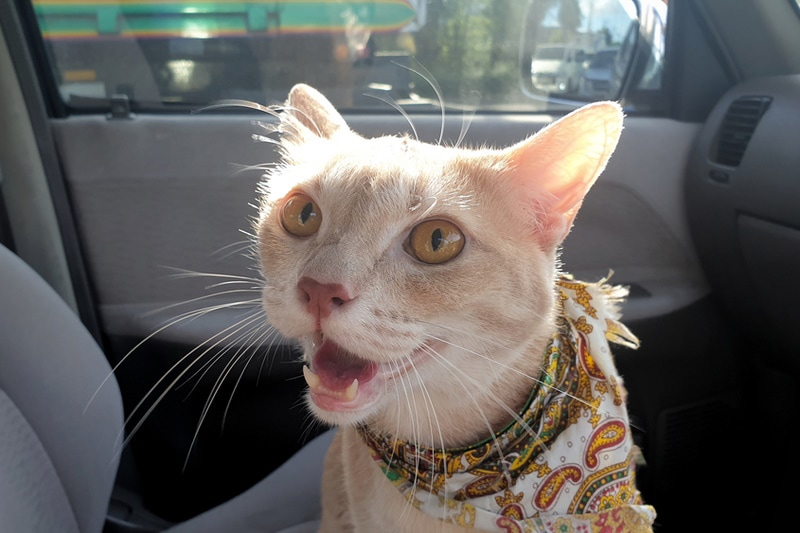
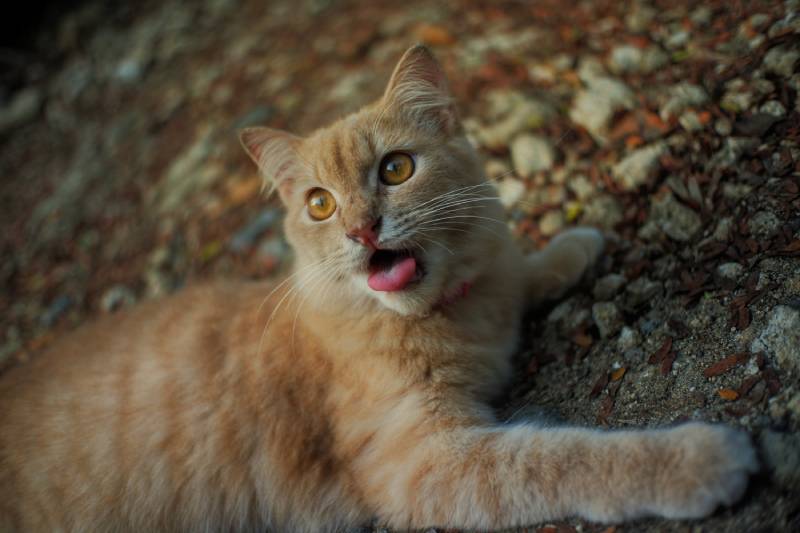
Panting or open-mouthed breathing are obvious signs that a cat is having difficulty breathing. Sometimes it can start subtly, with just an increase in effort when inhaling or exhaling. This can be due to the immature worms stimulating an inflammatory response and the death of adult worms, which in cats, can lead to far more devastating consequences.
3. Vomiting
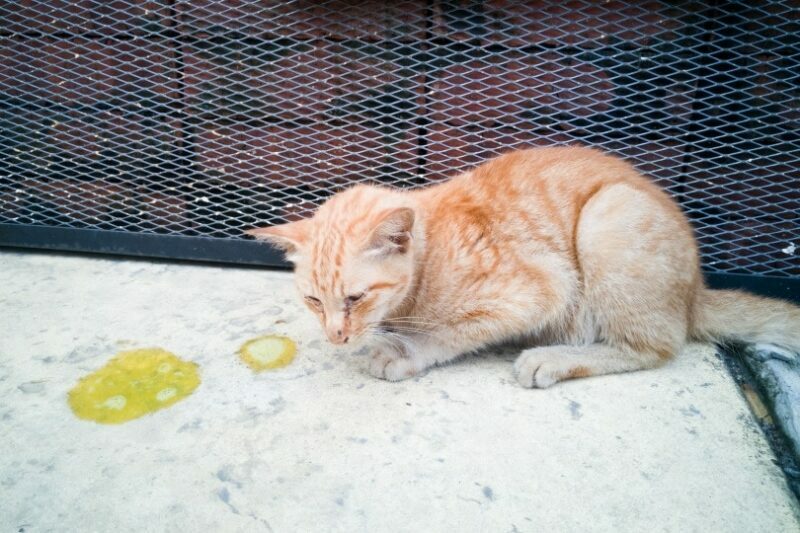
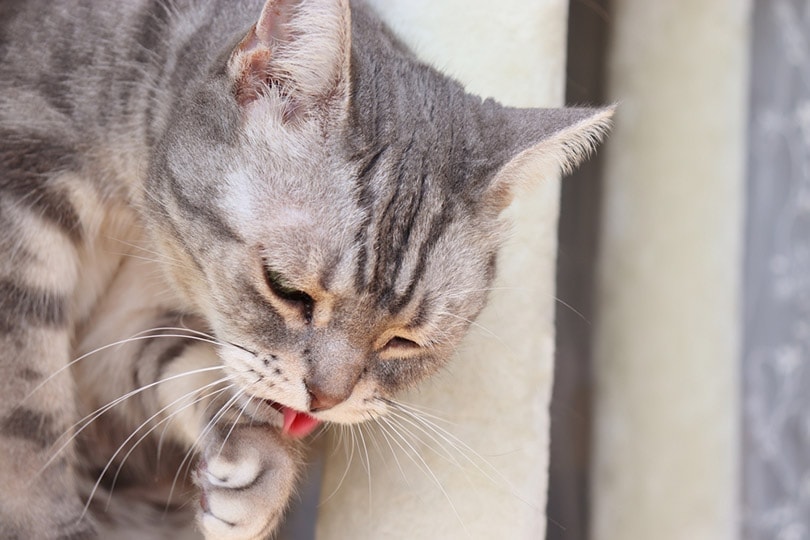
Perhaps somewhat surprisingly, vomiting is a common side effect of heartworm disease in cats. Sometimes the vomit may have blood in it and can be present alongside other gastrointestinal signs, such as diarrhea and lack of appetite. The worms take up to 8 months to mature in an animal’s body, and during this time, the body is attempting to create an immune response that will kill the worms. Unlike dogs, cats can often kill off the adult heartworms and in some cases, without showing any sign of illness. It is thought that non-specific signs of illness that are unrelated to the heart and lungs, such as vomiting, are a result of this immune response that causes system-wide inflammation.
4. Weight Loss
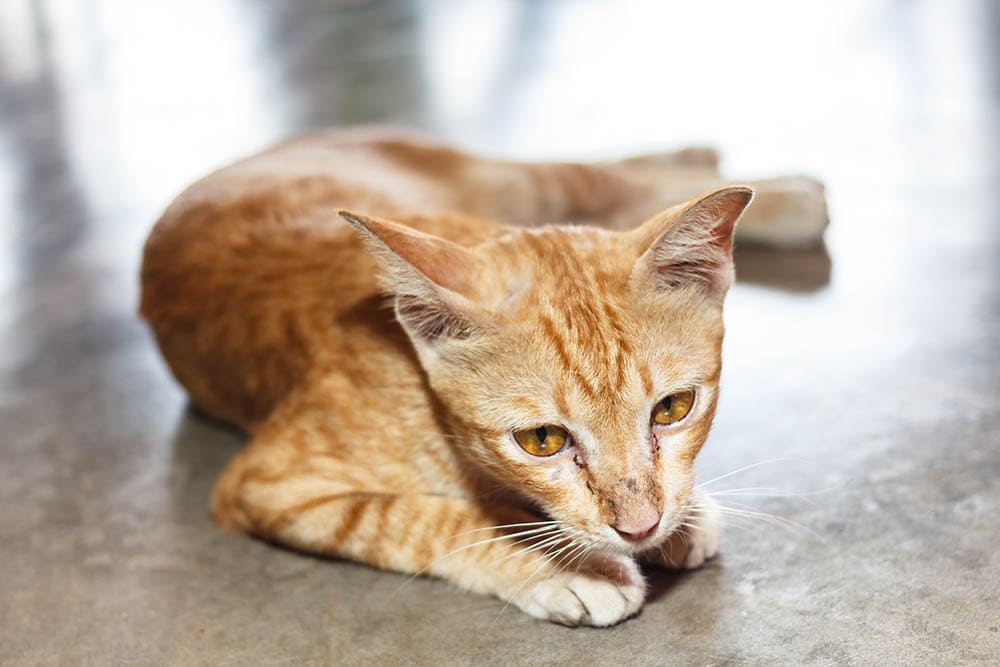
Due to a general lack of appetite and potential vomiting and diarrhea, heartworm-infected cats may lose weight. Cats are extremely sensitive to dietary changes. Even a slight decrease in food intake over time can result in a noticeable change in your cat’s weight. However, there are many other causes of weight loss in cats, so keep a diary of your cat’s weight at home or have your cat checked by your veterinarian if you have noticed that they are looking thinner than normal.
5. Respiratory Failure
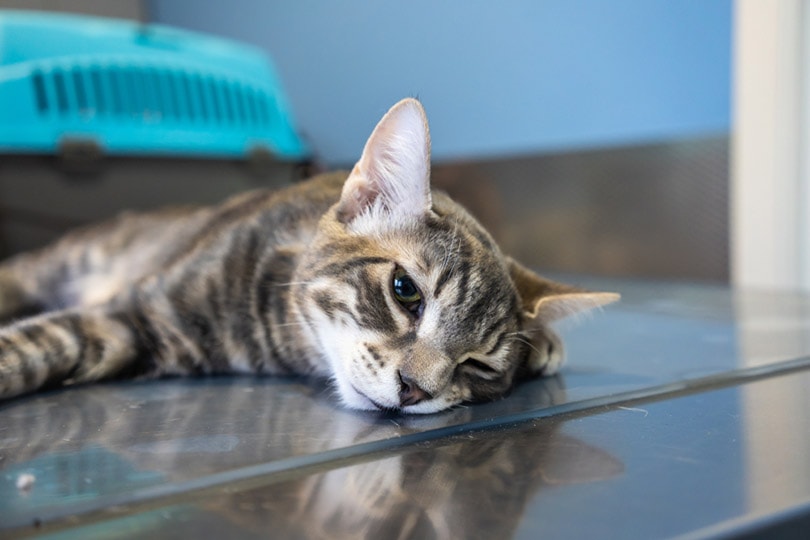
When an adult worm is killed in the cat’s body, either by the natural lifespan of the adult worm or by the cat’s immune system, it releases a bombardment of toxins and inflammatory mediators that can lead to respiratory failure and circulatory collapse in the body, often resulting in sudden death. Even if the affected cat survives, it can cause irreparable damage to the lung tissue. This can occur without any prior signs of heartworm disease.
Heartworm disease in cats causing acute, sudden death sadly occurs in 10% of affected cats.
In Conclusion
Due to the serious nature of heartworm disease and the fact that it can be challenging to diagnose, you must take your cat to a veterinarian if they are displaying any potential clinical signs. It is important to note that where there is a presence of heartworm disease in a dog population (which is easier to diagnose and treat), a proportion of cats will also be affected.
As always, prevention is always better than a cure. Various anti-parasite products on the market can be tailored to your preferences. If you live in a heartworm-endemic area (typically in the warmer parts of the world), talk to your veterinarian about getting your cat on appropriate preventative medication. Currently, there is not an approved treatment for heartworm disease in cats, making prevention an absolute necessity.
Featured Image Credit: Sisacorn, Shutterstock
Get Hepper In Your Inbox


Pet care tips from our vets and experts, straight to your inbox.
You may opt-out at any time. View our Privacy Policy for more information.
Meg is a veterinary surgeon and writer originally from Australia, who currently is living and working in Scotland with her family. She is a passionate advocate of preventative medicine, client education and believes medicine never has a one size fits all approach. When not practicing veterinary medicine, her happy place is out walking the hills with her baby daughter and over-excited Labrador, and writing.
Dr. Meg is from Australia and currently lives with her family in Scotland. When she's not working, you can find her taking her clan out on the hills, writing, and consuming books. She enjoys the variety of general practice and the feeling that there is always something new to learn. There is never a boring day behind the doors of a veterinary clinic!
Education
Meg graduated in 2015 from James Cook University, Australia.
Experience
Dr. Meg has been in practicing veterinary medicine for over seven years. Before traveling and working in the United Kingdom, she spent her formative years after graduating from university obtaining a wide variety of experience in rural Australia, with a focus on both small animal and equine medicine. She has developed a keen interest in client education, learning over the years that once the patient has had the surgery or the medicine to "fix" an issue, it is ultimately awareness that improves patient outcomes.
Join the conversation
Ask a question, share your story, or send private feedback.