Hepper is reader-supported. When you buy via links on our site, we may earn an affiliate commission at no cost to you. Learn more.
How to Tell If Your Cat Has Asthma: 3 Vet-Approved Steps


In this article
As pet owners, we worry about our pets’ health, so we’re always looking for any strange behavior that could indicate illness—especially when it comes to cats, who are not only wildly independent but notorious for hiding when they feel bad. They can make it challenging to figure out whether something is wrong with them.
One thing people worry about with cats is asthma. Can cats even develop asthma? Yes, they can! Though it doesn’t affect many cats, it’s still possible your pet may have it. But how can you tell? This article can help you understand the signs your cat might have asthma.

Can Cats Have Asthma?
Though it is not that common - it’s estimated that only between 1-5% of cats are affected - cats can develop asthma.1 Most felines are diagnosed somewhere between 4 and 5 years of age, with neither gender appearing to be more susceptible than the other. How, exactly, do they get it, though?
Most experts believe that asthma in cats develops similarly to how it appears in humans. That is to say, feline asthma is a reaction of the immune system to allergens inhaled by a cat. Once the immune system reacts to these allergens, it can cause inflammation, irritation, and swelling. Then, various immune cells can be accumulated in the airway and make substances that result in even more inflammation and mucus production; thus, a cat with
Causes of Asthma in Cats
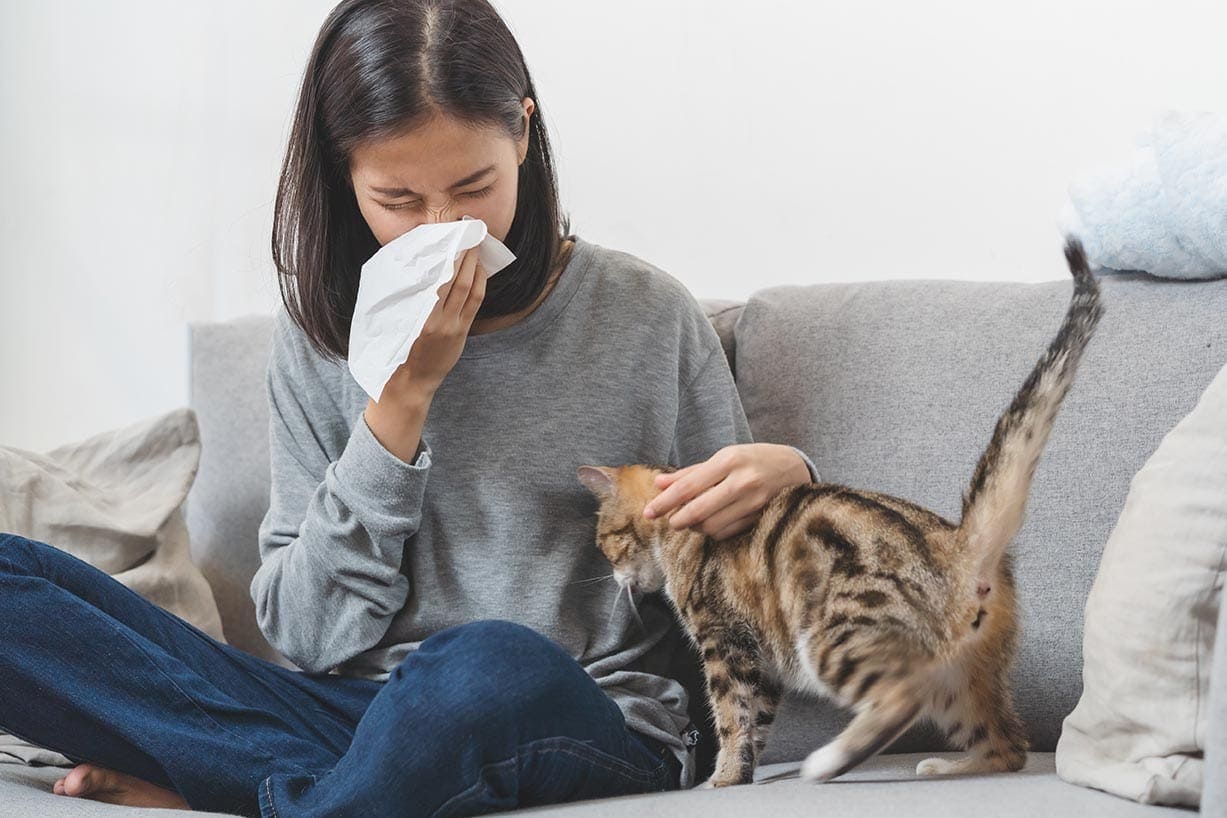
Now that you know cats can develop asthma, the question is, what can cause asthma in a cat? A few of the most common allergens that result in feline asthma include:
The 3 Steps for Telling if Your Cat Has Asthma
If you suspect your kitty may have asthma, but you’re just not sure, follow this step-by-step guide to decipher what symptoms to look for and how to get a proper diagnosis.
1. Look for Non-Asthma Attack Symptoms.
While it is likely easier to see signs when your cat is in the throes of an asthma attack, there are some signs that can appear outside of asthma attacks as well. Note that these signs can occur for other illnesses or diseases, too, though, some of which are true emergencies and may be fatal if not treated promptly.
Any breathing difficulty in your cat needs urgent veterinary attention, and even asthma can cause life-threatening signs. Your vet can distinguish between asthma and other causes of respiratory difficulties by performing blood tests, X-rays, and scans of the lung, sometimes collecting samples of the fluid from the bronchi, and it is always best to contact your vet if you think your cat has any changes in their breathing. Waiting is never a good idea, as the signs will worsen without appropriate treatment.
Some of the signs that warrant veterinary attention may include:
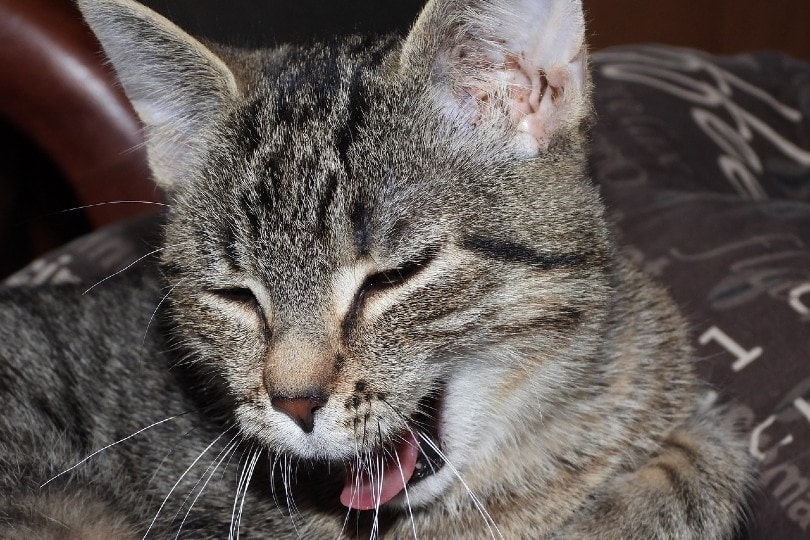
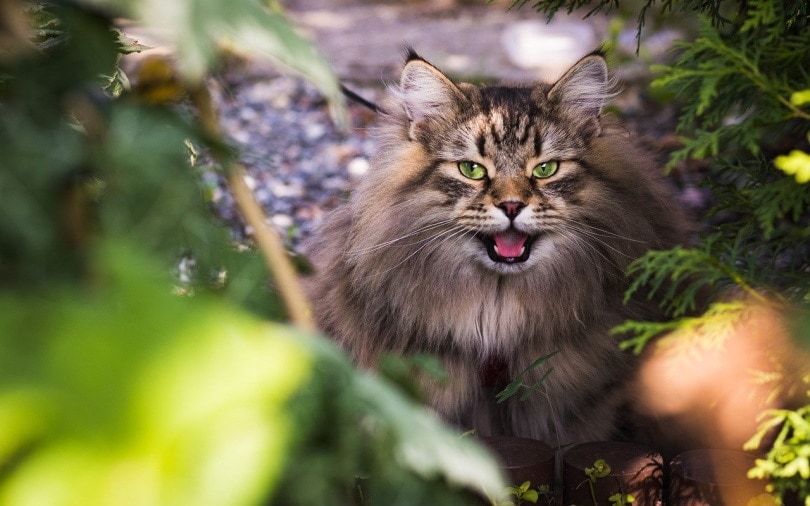
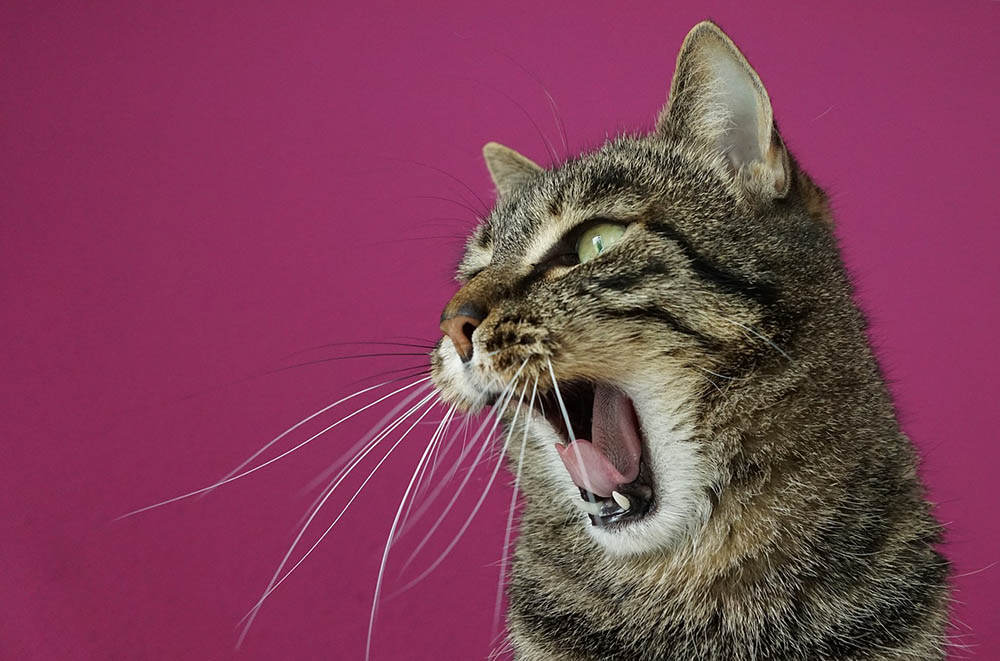
- If your pet is panting or breathing through their mouth, it could be due to asthma. Panting or open-mouth breathing in cats is considered an emergency, and you should contact your veterinarian straight away if you notice this in your cat. Overheating, exertion, and stress may be more benign reasons for panting, but it should never be overlooked, as only a vet can ensure there isn’t a life-threatening cause.
- Rapid and/or heavy breathing. Cats breathe a little faster than humans, admittedly, but the average rate of breath for felines is between 25-30 breaths a minute when they aren’t being active. If your kitty is taking over 30 breaths a minute when it’s at rest, it could be a sign of asthma. However, there are many more reasons for rapid or heavy breathing, most of which are more common than asthma in cats, and again are an indication to get your cat urgently checked by a vet, as all of them require veterinary attention, prompt diagnosis, and appropriate treatment, or can be fatal.
- Coughing or hacking can be another sign of asthma but may also occur in case of respiratory inflammation and infection or be caused by viruses or bacteria, parasites, furballs, inhaled foreign material, and many more.
- Wheezing is another sign often present in asthmatic cats, but can also occur in case of respiratory infections, inhaled foreign bodies, parasites, or other issues.
- Lethargy in felines can signify low oxygen in the blood, general malaise, underlying heart or lung disease, fever, organ disease, and many more. Lethargy and reduced appetite in cats is always a reason to get them checked by a vet.
These signs can vary in intensity, ranging from acute respiratory asthmatic crisis to chronic, low-grade signs that are slowly getting worse.
2. Look for Asthma Attack Symptoms Signs.
There will be several noticeable signs when your cat is having an asthma attack. Not all may be seen, and as with the signs above, many of these may occur for non-asthma-related reasons. These can include:
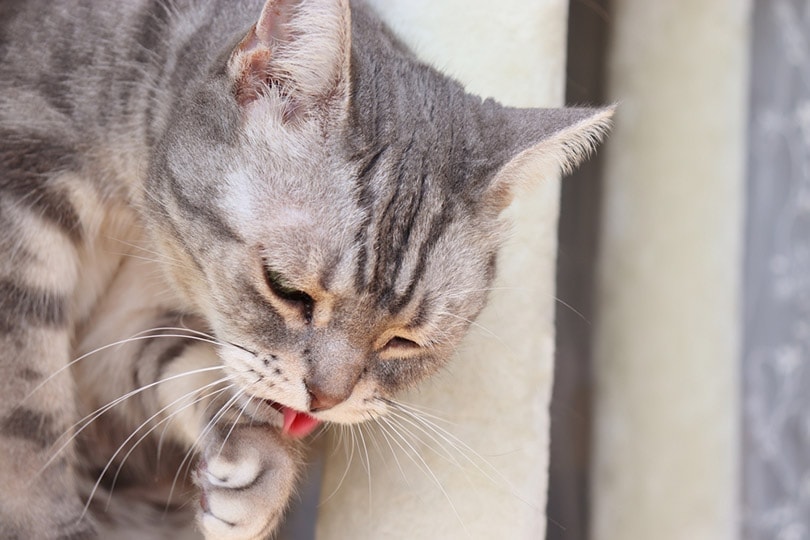
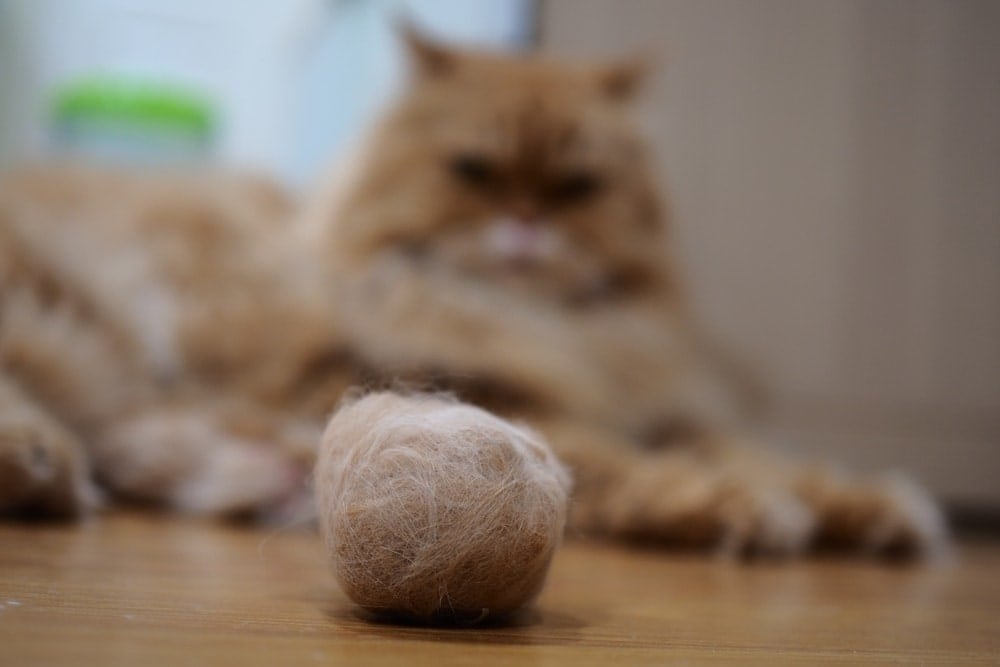
- Does your cat often hack and cough, like it’s trying to pass a hairball? It may not be a hairball; it could be an asthma attack.
- Crouching with their neck extended. This position can help your pet get as much air as they can during an asthma attack.
- If your cat is wheezing, a sound like whistling or rattling, when it breathes, it could be a sign that airways are swollen and narrow, making it difficult for them to breathe.
- Lips or gums that are blue. As with humans, if your pet isn’t getting enough air, their lips or gums could start turning blue.
Important to note - All of these signs require urgent veterinary treatment, as they are life-threatening! Please contact your vet immediately and make your way to their clinic, as delaying it even a few minutes can mean the difference between life and death. We can’t stress this enough.
3. Getting Your Cat Diagnosed.
If you witness your cat having one or more of the signs above, however mild or infrequent they seem, it’s time to get a diagnosis urgently. This means a trip to the vet. Unfortunately, there isn’t a specific test your vet can do to determine if your pet has asthma. Instead, your vet will likely do an amalgamation of tests to rule out other causes for these signs that can include:
- X-rays
- Ultrasound
- Blood tests
- Bronchoscopy
- Airway fluid and cells sampling and culture testing
- Viral testing
- Parasite testing
- Allergy testing
- CT scans (in some cases)
Treating Your Cat’s Asthma
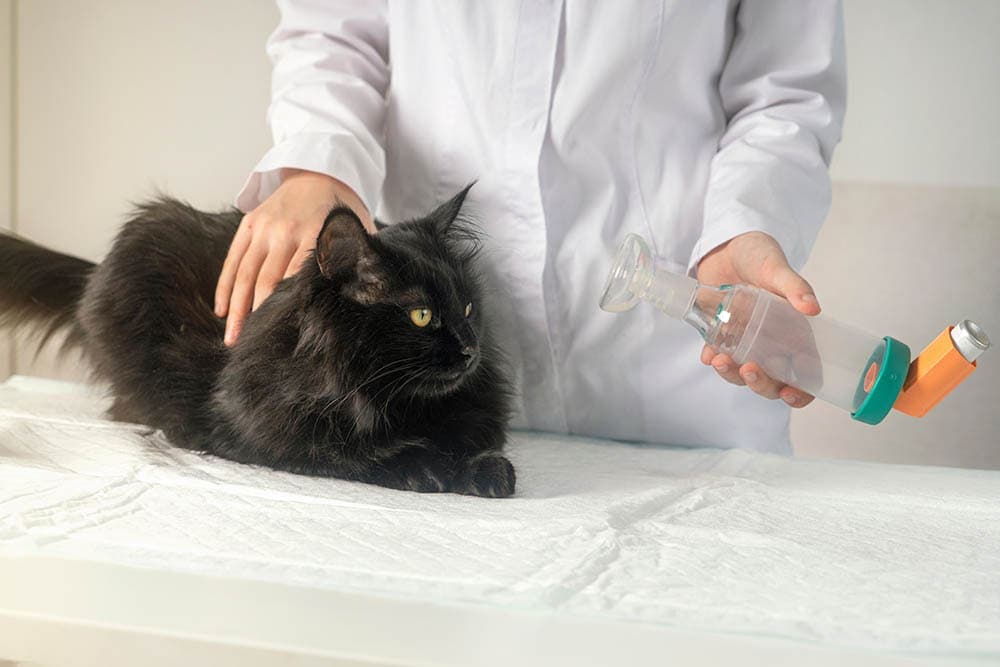
Now that you know how your vet can tell if your cat has asthma, it’s time to learn about treatments for it. First, your cat should have a normal and fit body condition, as obesity can worsen asthma, increasing the pressure on the heart and lung functions. Avoiding triggers and known allergens as much as possible is also very important.
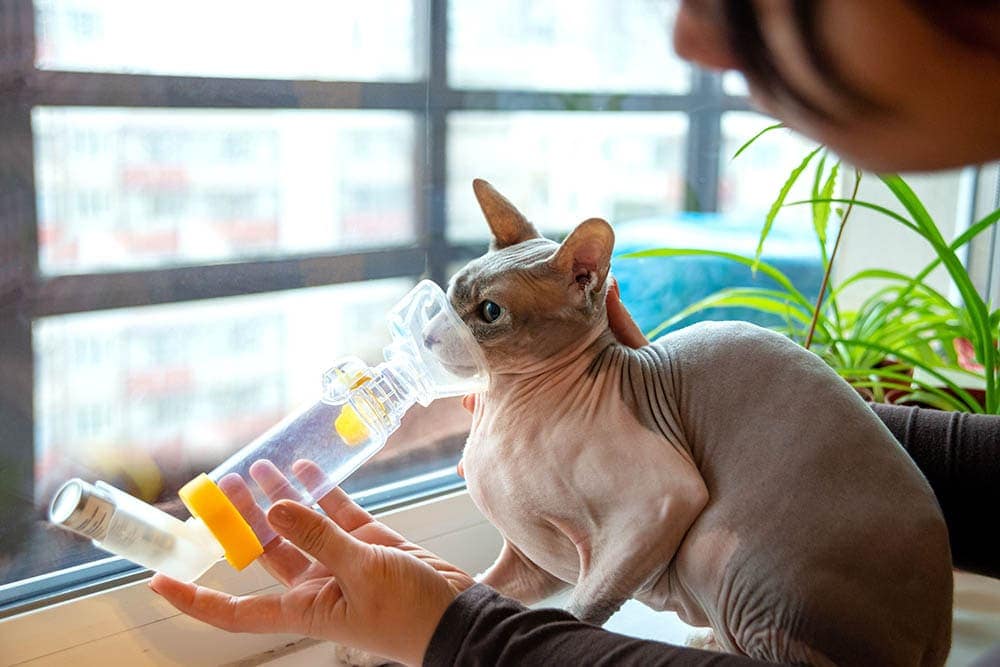
Now, if your cat comes to the vet clinic in respiratory distress, your vet will need to hospitalize them and give them oxygen, so they can breathe more easily. They may need certain painkillers or sedatives to help stabilize their condition. The most likely treatments your vet will provide will be corticosteroids to ease inflammation and a bronchodilator medication such as albuterol sulfate to help release bronchial constriction, by relaxing the airway muscles. Both drugs come in various forms, such as injectable, oral, or inhalable.
A few experimental treatments may offer benefits, but haven’t been conclusively proven to do so. For example, building up your cat’s resistance to allergens (like allergy shots for people) may help. Incorporating omega-3 fatty acids into your pet’s diet can also prove beneficial. Finally, drugs used to disrupt the pathways that can lead to inflammation have shown some promise in treating feline asthma.
Preventing Asthma Attacks
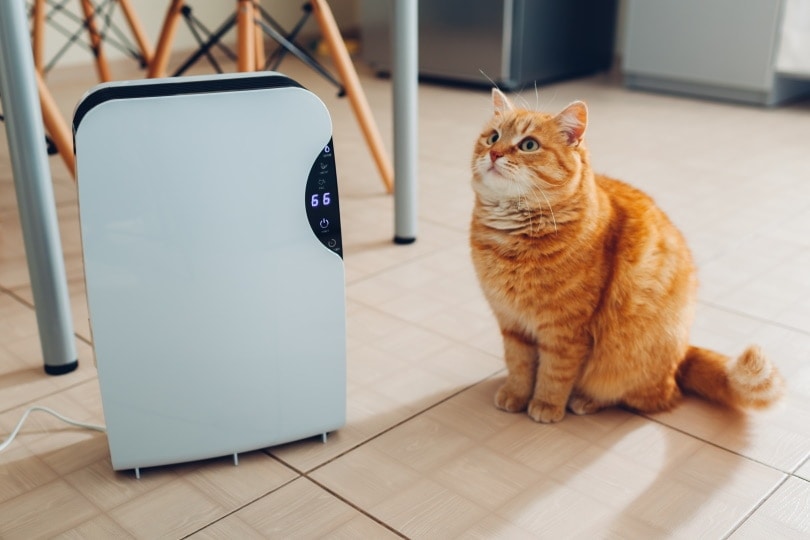
Along with any treatments your vet gives, there are several things you can do at home to help prevent asthma attacks from occurring. Some ways to give your cat a helping hand are by:
- Getting rid of any known allergens. You can’t get rid of all allergens, unfortunately, but if you know dust is something that sets off your kitty’s asthma, then keeping the house as dust-free as possible will be beneficial.
- Use dust-free litter.
- Don’t smoke inside your home.
- Avoid candles.
- Use indoor air filters and purifiers.
- Avoid using spray air fresheners.
- Be careful about the types of household cleaners you use.

Conclusion
Our pets getting sick can be scary, but it makes it easier to get the issue treated as soon as possible when you consult with your vet and know what to look for. If your cat has any of the signs of having asthma or seems to be having an asthma attack, take them in to see their vet right away for a proper diagnosis and prompt treatment. The vet will run tests to see what is causing the signs such as wheezing or hacking, whether it be asthma or something else. If your kitty does have asthma, it can be treated with medication, plus you can take steps at home to prevent asthma attacks from occurring.
Sources
Featured Image Credit: photosforyou, Pixabay
Get Hepper In Your Inbox


Pet care tips from our vets and experts, straight to your inbox.
You may opt-out at any time. View our Privacy Policy for more information.
Misty Layne lives out in the woods in small-town Alabama with her two Siamese—Serafina and Jasper. She also has an array of stray cats, raccoons, and possums who like to call her front porch home. When she’s not writing about animals, you’ll find her writing poetry, stories, and film reviews (the animals are, by far, her favorite writing topic, though!). In her free time, Misty enjoys chilling with her cats, playing piano, watching indie and foreign films, photographing abandoned places, and catching up on her never-ending TBR list.
Join the conversation
Ask a question, share your story, or send private feedback.