Hepper is reader-supported. When you buy via links on our site, we may earn an affiliate commission at no cost to you. Learn more.
Homemade Probiotics for Cats - 3 Recipes (Vet Approved)


In this article
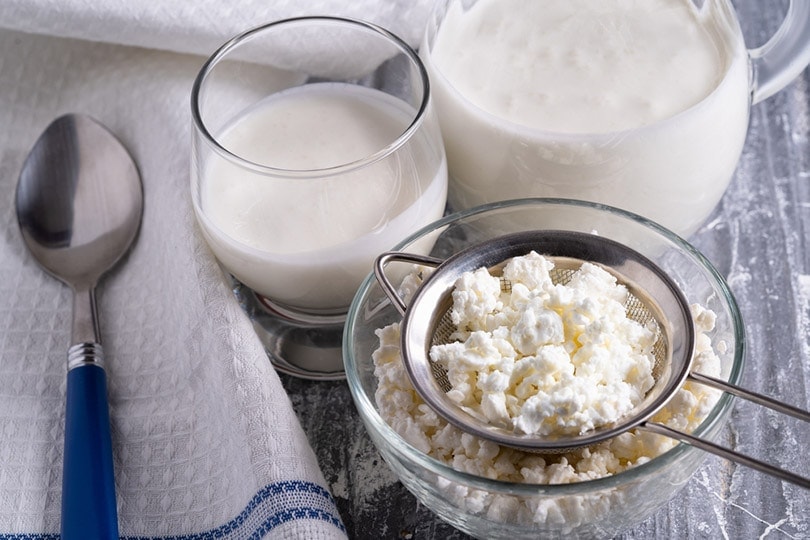
Probiotics may sound like just another of the many available supplements, but they are unique because they are alive. Probiotics are a collection of live bacteria and yeast beneficial to the digestive system. These microorganisms are considered “good” bacteria and work hard to keep your cat’s gut balanced and functioning efficiently.
If you browse the pet store or your local vets, you will find a range of commercially produced probiotics that you can easily add to your cat’s diet. But if you are looking for a way to boost your cat’s probiotic count naturally at home by making homemade cultures to supplement their diet, then you’ve come to the right place.
We have collected three recipes for homemade probiotic foods you can give to your cat and yourself!

The 3 Top Recipes of Homemade Probiotics for Cats
1. Coconut Kefir
Coconut Kefir for Cats
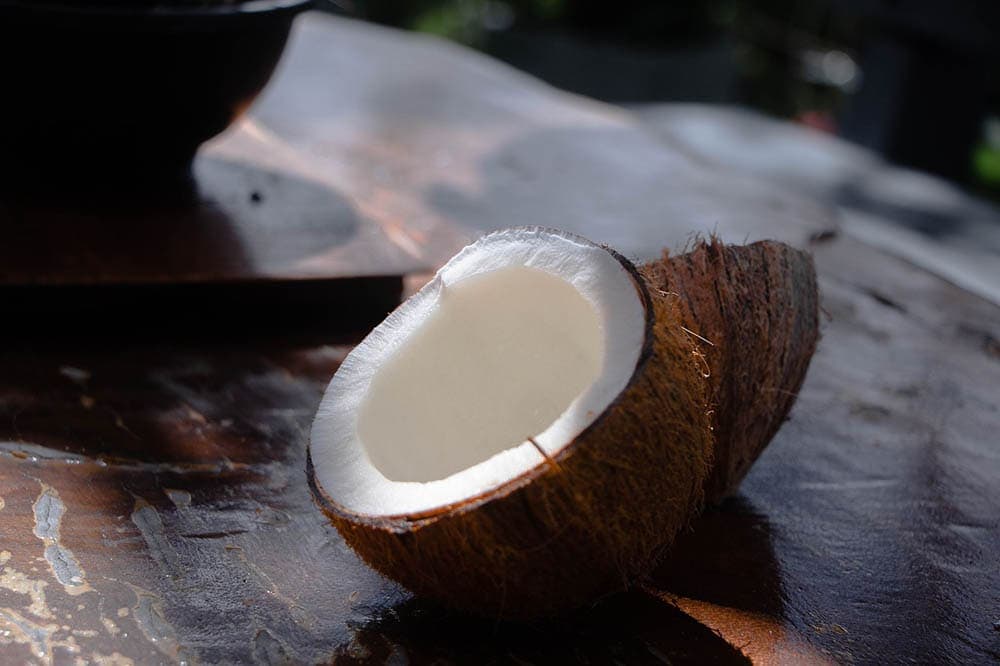
Coconut kefir is delicious! And this recipe is super easy to make.
5 stars
Equipment
- 1 glass jar and lid
- 1 wooden or plastic spoon
Ingredients
- 1 coconut water
- 1/2 tbsp water kefir grains
Instructions
- Rinse the kefir grains with drinking water
- Add the kefir grains into the glass jar
- Cover kefir grains with coconut water
- Place the lid and close the jar
- Set inside the counter or in a dark place. The ideal temperature must be between 75-85°F (24-30°C) Light and temeprature outside of this range should be avoided.
- Wait 12 hours and use a sterile plastic spoon to taste the product it should had a yogurt-like taste. If it does not taste like yogurt place back in the conter and give it 12 hours more.
- Carefully strain the kefir granules out using a wooden spoon. If you intend to keep them for future fermentations place them in another sterile container and cover them with purified water and sugar.
- Cover your coconut kefir and keep it inside the fridge.
Notes
- You can start by giving the cat 1/4 tsp of this batch twice a day for 5 days.
- You must prepare a new batch after the 5th day. You can drink the remaining of this water!
- You can gradually increase the amount to 1/2 tsp then to 1 tsp twice a day
We recommend starting with small amounts of 1/4 tsp once a day and observing the cat, then gradually increasing to 1/2 tsp twice a day. With time, you can work your way up to give 1 tsp twice a day. The coconut water kefir that is more than 5 days old should not be given to your cat. However, it is safe for you to drink. Do not add sugar, fruits, or honey to this recipe, and please make sure you rinse the kefir granules very well before each new batch.
2. Milk Kefir
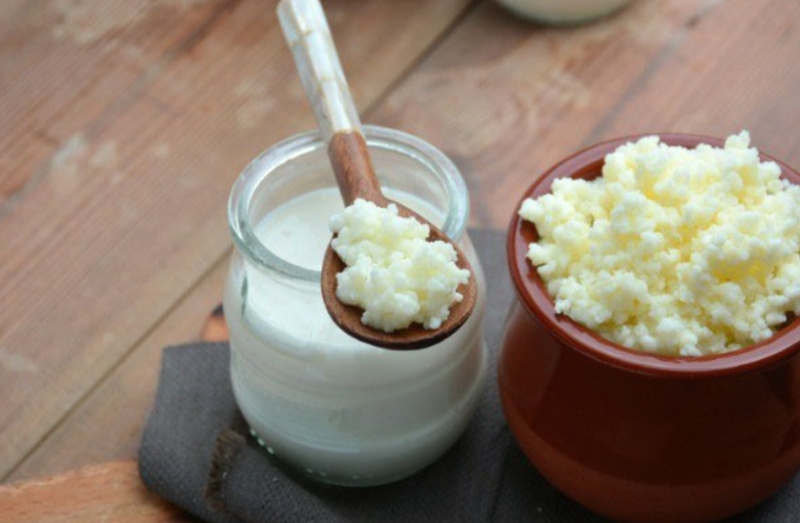
This first one may be odd to you, as it is pretty common knowledge now that most cats are lactose intolerant. Cats lack the enzyme “lactase” to digest lactose in milk and other dairy products properly. The fermenting process of kefir milk eliminates much of the lactose found in the milk, and when producing it for cats, it’s recommended to use goat’s milk and twice ferment the product. This will result in an almost lactose-free product.
This recipe from Authentica Pets is the ultimate guide for crafting kefir and provides milk-free versions and optional additives to increase the flavor for your cat. They crown kefir as a “super” probiotic since it contains over 50 strains of bacteria.
This recipe is our top pick and will likely be the one that your cat likes the most! Cats are not as interested in plant-based food items due to their carnivorous diet, but dairy products are often savory enough to attract them.
3. Honey Berries
This recipe is simple if you aren’t interested in crafting a complicated and multistep probiotic. Boulder Holistic Vet has this great recipe for fermented honey-berries that involves a simple fermentation process.
It can be ready within 24 hours if you have the right ingredients. The ingredient list is limited, but it does involve sourcing a culture starter, which is not the most common household ingredient! While fruits, such as berries, aren’t a part of a cat’s diet, they offer some additional benefits when given as a small treat.
This recipe, of course, provides a range of healthy probiotics, but it also has the extra antioxidants of blueberries. Blueberry powder is sometimes used as an ingredient in pet food for its “superfood” status. The addition of honey also acts as a great anti-inflammatory and supports your cat’s immunity.

The Benefits of Probiotics for Your Cat
Like humans, your cats’ digestive tract contains millions of microorganisms. Probiotics are considered the “good” bacteria in the gut. They service the body by fighting off the “bad” or harmful bacteria. Good bacteria exist naturally in your cat’s digestive system. Still, various reasons can cause them to lose out to the harmful bacteria and put your cat at risk of becoming ill.
Probiotics can be beneficial to cats of all ages and all health conditions, but they may be beneficial for cats who are:
All the above conditions can throw out the natural and delicate bacteria balance in your cat’s gut. The result can be seen as a stomach upset, food intolerances, and diarrhea, to name a few. An unbalanced gut can also put your cat at higher risk of contracting illnesses or infections.
The gut microbiota plays a critical role in your cat's immunity, and the colonization of beneficial bacteria competes against many opportunistic bacteria that, given the chance, could turn into pathogens causing infection. Simply put, they do not allow the bad guys to take over and reproduce.
Probiotics vs. Prebiotics
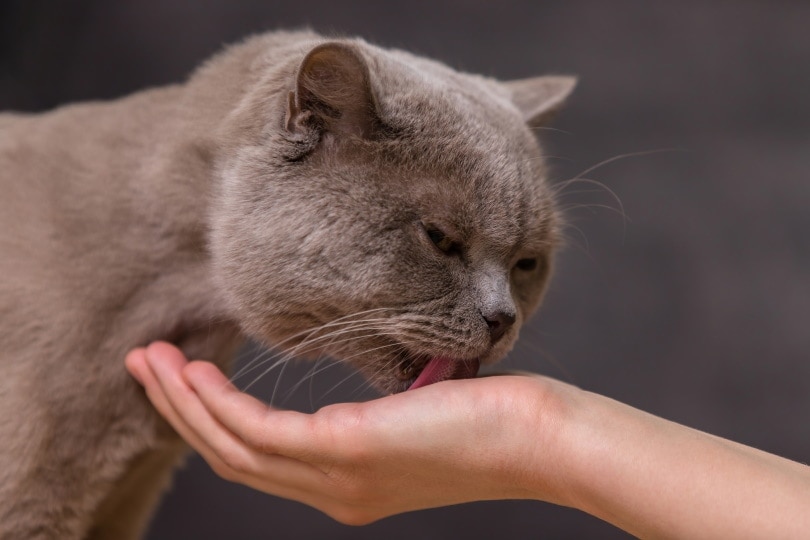
If you’ve heard of probiotics, you’ve probably heard of prebiotics, and you wouldn’t be the only one if you assumed they were the same thing! However, that is not so. Probiotics are living microorganisms of yeast and bacteria. Alternatively, prebiotics are simply plant matter that is the food source of probiotics.
Prebiotics nourish the natural probiotics in your cat’s gut, allowing them to thrive. Probiotics can be super beneficial on their own, but blustered with prebiotics, they can grow quickly, reproduce, and colonize in your cat’s gut
Homemade Probiotics for Your Cat
There is a range of probiotic supplements on the market for your cat. Many of these are concentrated and in powder or treat form, and they also tend to be expensive! Additionally, many complete cat diets will have probiotics added. If you want to add more probiotics to your cat’s diet and give them a natural supplement, using any of the previous homemade probiotic recipes may be helpful for you.
Conclusion
Whether you’re looking for a probiotic boost to your cat’s kibble or a probiotic source for a homemade raw diet, we recommend you consult your vet for guidance on homemade probiotics. Your veterinarian can determine whether your cat needs probiotic supplements and provide diet tips. Once given the all-clear, why not give some of the recipes a try? If your cat doesn’t like them, they are all safe to eat!
Featured Image Credit: LARISA DUKA, Shutterstock
Get Hepper In Your Inbox


Pet care tips from our vets and experts, straight to your inbox.
You may opt-out at any time. View our Privacy Policy for more information.
After an early start in the veterinary industry and as a conservation educator at Disney’s Animal Kingdom in Florida, Sophie has since been a successful Zookeeper and Conservationist, specializing in native New Zealand species. When she’s not bird watching in native forests or crawling through the underbrush at midnight searching for rare frog species, she can be found with her farmer husband on their sheep and beef station, far from civilization. Alongside them, they have 2 cats, 9 chickens, and 11 dogs (most notably, her sidekick, a black Labrador aptly named Jellybean). Sophie enjoys her writing career as it provides opportunities to help and support pet owners of all kinds to give animals the best welfare possible. The only downside is the long list of strange searches in her internet history!
Join the conversation
Ask a question, share your story, or send private feedback.