Hepper is reader-supported. When you buy via links on our site, we may earn an affiliate commission at no cost to you. Learn more.
Homemade Soup For Cats: 3 Vet Approved & Nutricious Recipes


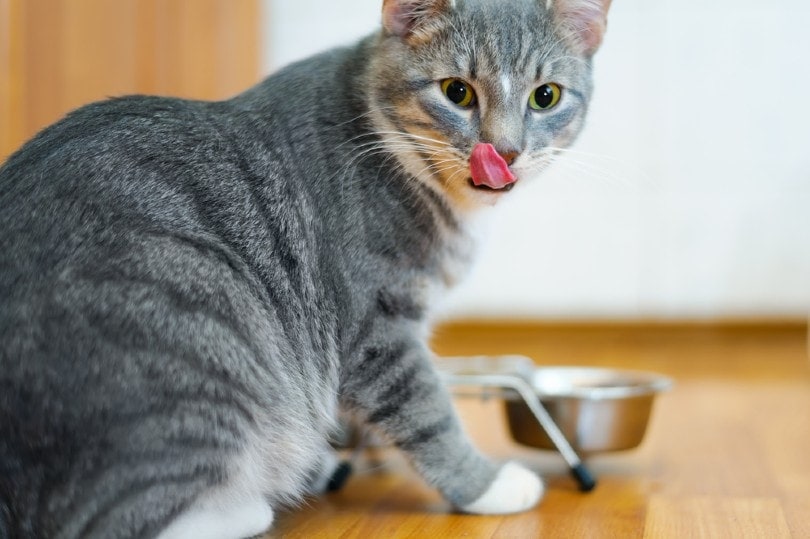
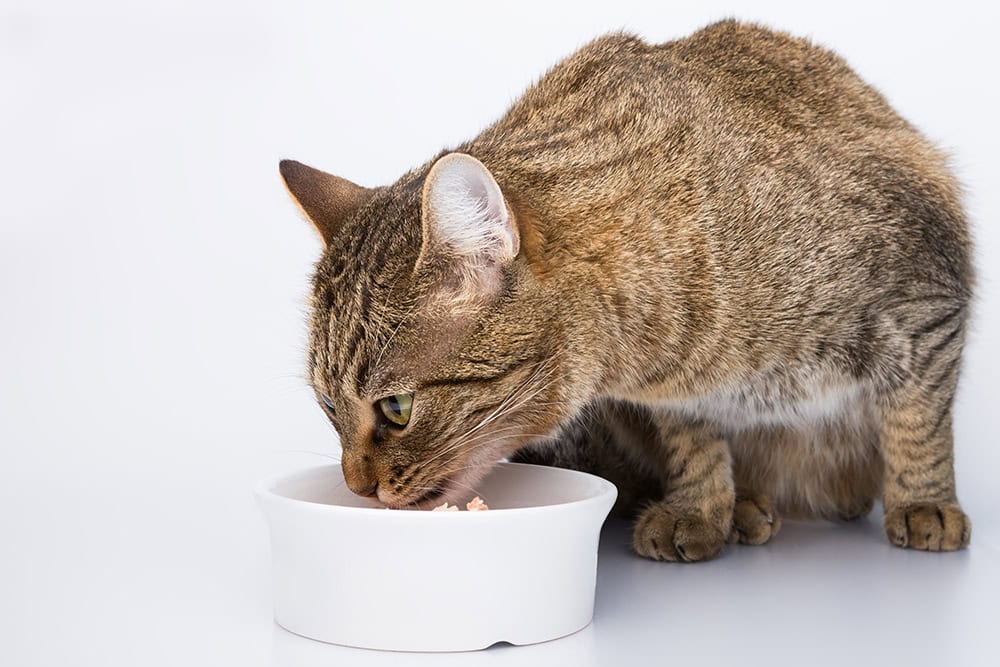
It's not uncommon for cats to get bored if they eat the same thing day after day. Changing up what is in your furry friend’s food bowl will keep it interested, and make its mealtimes more fun. If you are looking to add more variety to your pet's mealtimes, soup can be a great option. Cat soup is a relatively new phenomenon, but when you think about it, it makes sense.
Bone broth, in particular, provides an easy way for your cat to access nutrient-dense, easily digestible calories. You can nourish your pet from the inside out by giving them a powerful source of liquid nutrition. You will have them meowing for more with these wholesome and hearty cat soup recipes. Soup is also a wonderful option for cats who struggle to stay hydrated throughout the day.

The 3 Easy & Nutritious Recipes of Homemade Cat Soup
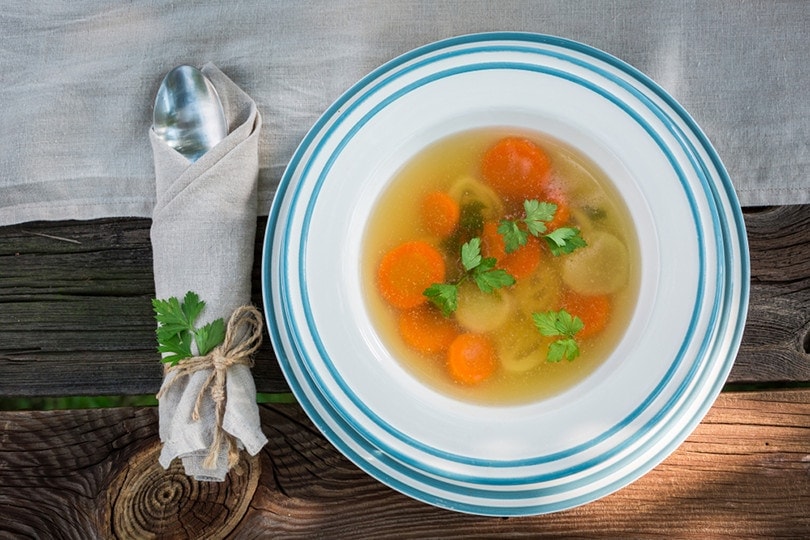
1. Easy Chicken Soup
Easy Chicken Soup
5 stars from 1 vote
Prep time
5 min
Cook time
10 min
Total time
15 min
Ingredients
- 2 chicken breasts chopped into one-inch pieces
- 1 carrot
- 1 stalk of celery
Instructions
- Add diced vegetables and chicken breast pieces to a pot and cover with water by 2 inches.
- On medium-high heat, bring the soup to a rolling boil.
- Turn the heat down to low and allow to simmer for 10 minutes.
Notes
To make serving this soup easy, fill some reusable resealable freezer and microwave-safe bags with one portion each (about one-quarter cup of soup). This soup can be frozen for up to 6 months or kept in the refrigerator for up to 4 days.
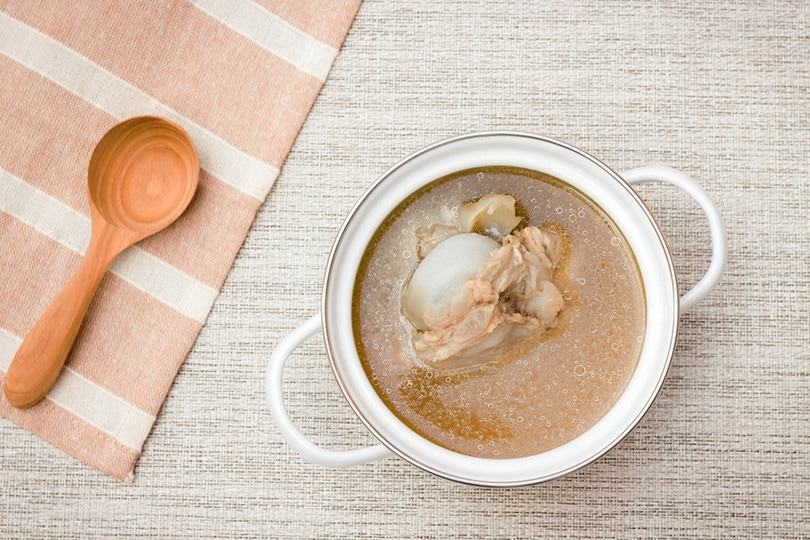
2. Slow Cooked Beef & Pork Bone Broth
Ingredients:
Instructions:
Notes:
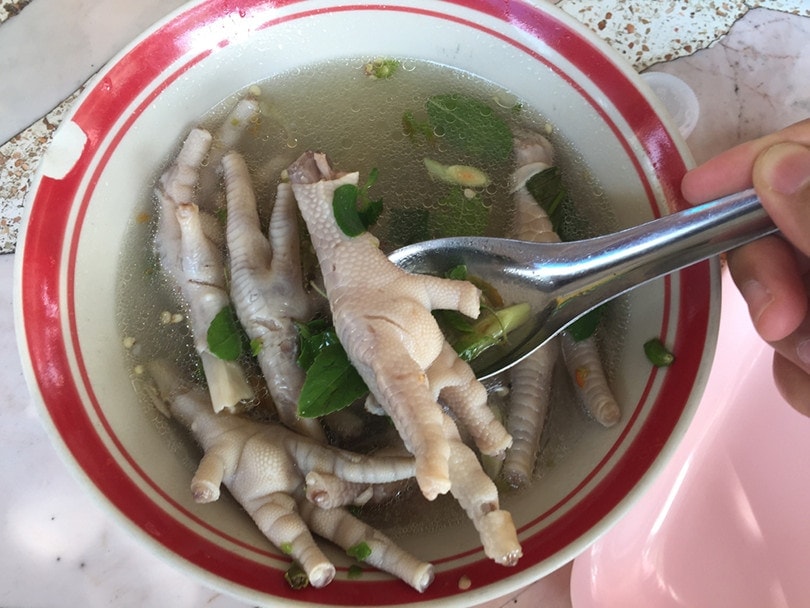
3. Chicken Feet Pressure Cooker Soup
Ingredients:
Instructions:

Frequently Asked Questions
Is Homemade Soup Beneficial for My Cat?
A homemade cat soup containing animal bones offers many healthy and wholesome benefits to your cat. Homemade is much better than store-bought. Commercially prepared soups and broths are highly processed. Industrial food preparation methods mean that most of the nutrition is wasted, ingredients are cheaper, and recipes include foods your cat simply cannot digest. To avoid the danger of potentially poisoning your cat, it’s best to cook broth or soup yourself.
Is Broth Good for Cats?
Bone broth in particular is delicious and helpful for cats. Beef, pork, and chicken bone broths are rich in an amino acid called glycine. This is vital for cleaning the blood and removing toxins stored in the liver. Additionally, bone broth is rich in collagen. Collagen is a protein that has immense protective powers for your cat’s bones, joints, and cartilage. It also contains chondroitin and glucosamine.
These two nutrients are often present in supplements taken by people suffering from arthritis. Any cat with weak bones, or older cats with arthritis, will benefit from eating bone-rich cat soup. By helping deliver oxygen to every cell in your cat’s body, the marrow in bone broth increases its disease resistance.
How Does Broth Help My Cat's Digestion?
In addition to being nutrient-rich, as well as being delicious, cat soup can easily be digested, making it ideal for cats with sensitive tummies. The collagen in a bone broth can also support and protect the lining of your cat's digestive tract. In this way, bacteria from undigested food are prevented from entering your pet’s bloodstream.
Can Bone Broth Help Support My Cat’s Skin & Fur?
A collagen-rich diet can enhance skin elasticity and help your cat’s skin quickly recover from injuries by encouraging the formation of new collagen.
What Is the Difference Between Bone Broth & Bone Stock?
Bone broth is not your usual stock. The biggest difference between bone broth and stock is the amount of time they are cooked. Bone broth is cooked much, much longer, and is much more nutritious.
Why Must I Cook Bone Broth for So Long?
This long, slow cooking time results in a fluid that is richer in collagen, amino acids, and other beneficial minerals. The prolonged simmering process is what extracts these nutrients from the bones, ligaments, and cartilage during the preparation of broth.
How Should I Serve Bone Broth or Soup to My Cat?
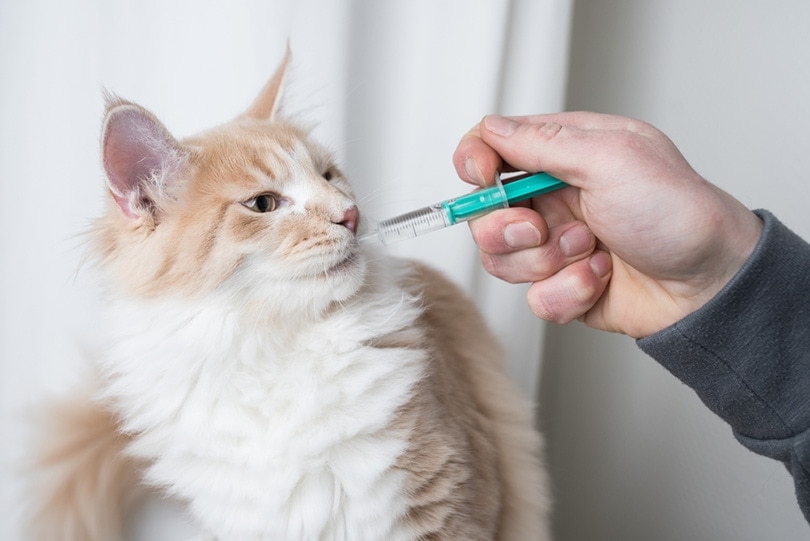
Bone broth can best be served as a topping for existing dishes. Pour over wet or dry cat food to provide supplemental moisture and nutrition to your pet’s food. Some cats may enjoy eating the soup on its own, but most will prefer it in addition to their dry or wet cat food. Every broth or soup can be served cool or warm. Never serve piping hot soup or broth to your cat.
Can I Put Garlic or Onions in My Cat’s Soup?
You must never, ever give your cat garlic or onions. All members of the Allium family—including onions, garlic, chives, and leeks—are poisonous to both cats and dogs. If the dose is sufficient, either a large enough single serving or a repeated small quantity over time, your cat could get sick or die. Be especially careful of garlic because it is thought to be about five times as dangerous as onions for cats.
Can I Put Salt in My Cat’s Soup?
Do not put any added salt in your cat’s soup. Cats can become poisoned by sodium ions if they consume large amounts of salt. Pets can be hurt by as little as 0.5-1 grams of salt per kilogram of body weight. Even a teaspoon of salt is dangerous for cats.
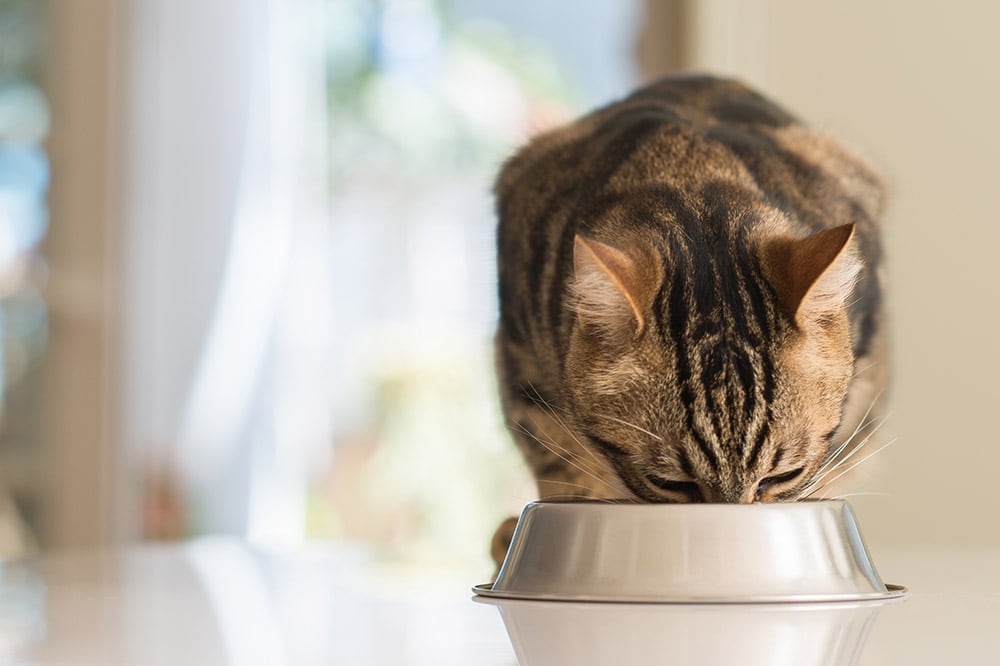
Preparing homemade cat food can be a great way to ensure your cat receives the nutrition they need to thrive, and serving it in the right dish is also an important aspect of nurturing their health. Our Hepper NomNom Cat Bowl was designed with feline well-being in mind, featuring shallow, wide, whisker-friendly dishes and slight elevation, promoting great posture and eating habits. Best of all, this bowl is dishwasher safe, meaning the all-important clean-up after each meal is simple.

- NO MESS - The 360° tray on this cat food and water bowl set has a raised design to catch and contain stray crumbs and drips. Protect your indoors and floors from wet and messy meals!
- WHISKER FRIENDLY - Shallow and wide metal containers with flat bottoms ensure your kitty can enjoy mealtime free from whisker fatigue!
- CHEW-SAFE MATERIALS - Kittens and cats love chewing on silicone and soft rubber - but it's a choking hazard. Our cat feeding station materials are anti-chew for a 100% safe feeding frenzy!
Final Thoughts
You can make homemade broth in no time, and it is a better choice for your cat than commercial broths. Shop-bought broths and soups often contain garlic, onion, and high levels of sodium, which are bad for cats. We hope your kitty friend adores the purr-fect soup you cook for it.
Other cat food recipes you can try at home:
Featured Image Credit: mik ulyannikov, Shutterstoc
Get Hepper In Your Inbox


Pet care tips from our vets and experts, straight to your inbox.
You may opt-out at any time. View our Privacy Policy for more information.
Nicole is a lover of animals of all sizes but is especially fascinated with the feline variety. She’s the proud mom of Baby, a Burmese, and works every day so he can relax in the sunshine or by the fire. She’s always had a cat in her home and has spent countless days with others, observing behaviors and softening up even the grouchiest of the lot. Nicole wants to share her kitty expertise with you so you and your cat can live happy, healthy, and care-free.
Join the conversation
Ask a question, share your story, or send private feedback.