Hepper is reader-supported. When you buy via links on our site, we may earn an affiliate commission at no cost to you. Learn more.
How Big Do Cockatiels Get? Average Weight & Growth Chart
In this article
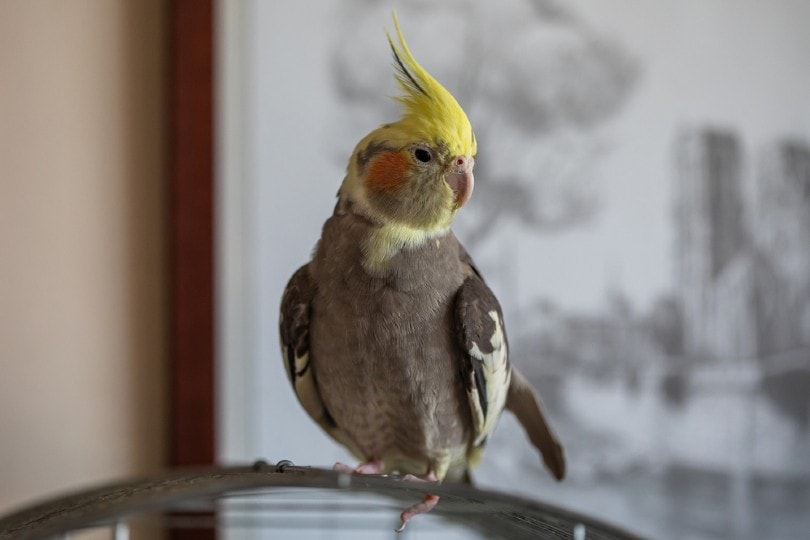
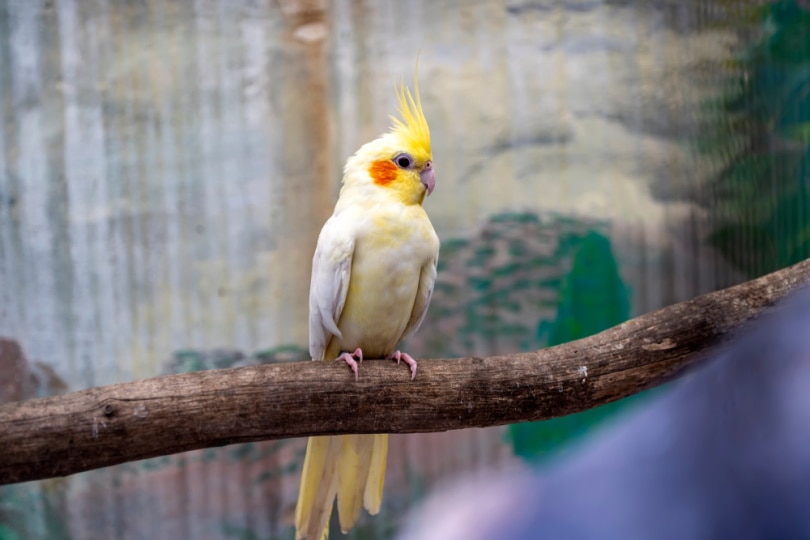
Cockatiels are a very popular companion bird for plenty of reasons. They have a very gentle and affectionate temperament and are highly intelligent. They can even be taught to speak simple words and sing tunes.
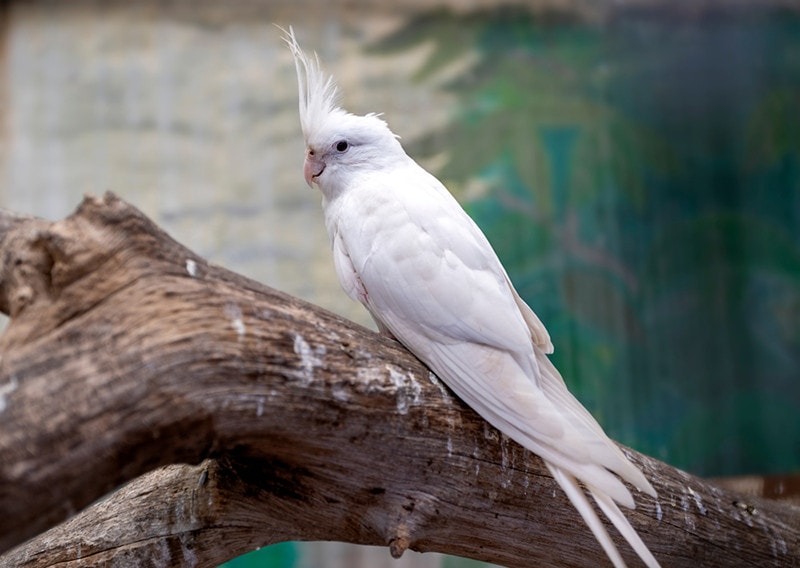
If you’re adopting one soon, you must familiarize yourself with your future bird’s expected growth rate and adult size. This isn’t a small breed, so ensuring you have the space to keep your new avian pet is of utmost importance. An adult cockatiel can be as long as 14 inches, though most top out at around the 12-inch mark.
Read on to learn about the cockatiel’s growth rate so you can determine if your new pet is developing as expected for its age.

Cockatiel Breed Overview

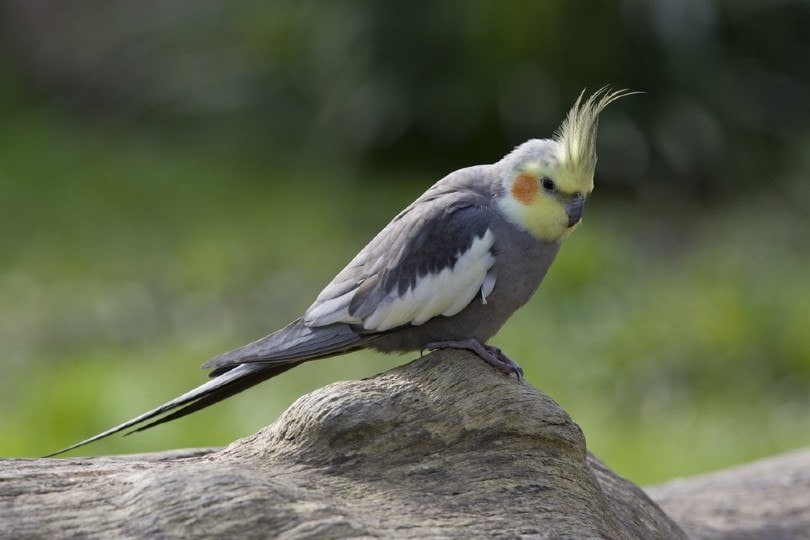
Cockatiels, sometimes known as the weiro or quarrion, are medium-sized parrots endemic to Australia. Though it hasn’t been legal to export native Australian birds out of the country for several decades, cockatiels are easy to breed in captivity, so they’re a popular companion bird for avian enthusiasts.
Male cockatiels are much more vocal than their female counterparts, so if having your bird talk and sing is important, adopt a male. This breed has long lifespans, living to be as old as 25 years in captivity.
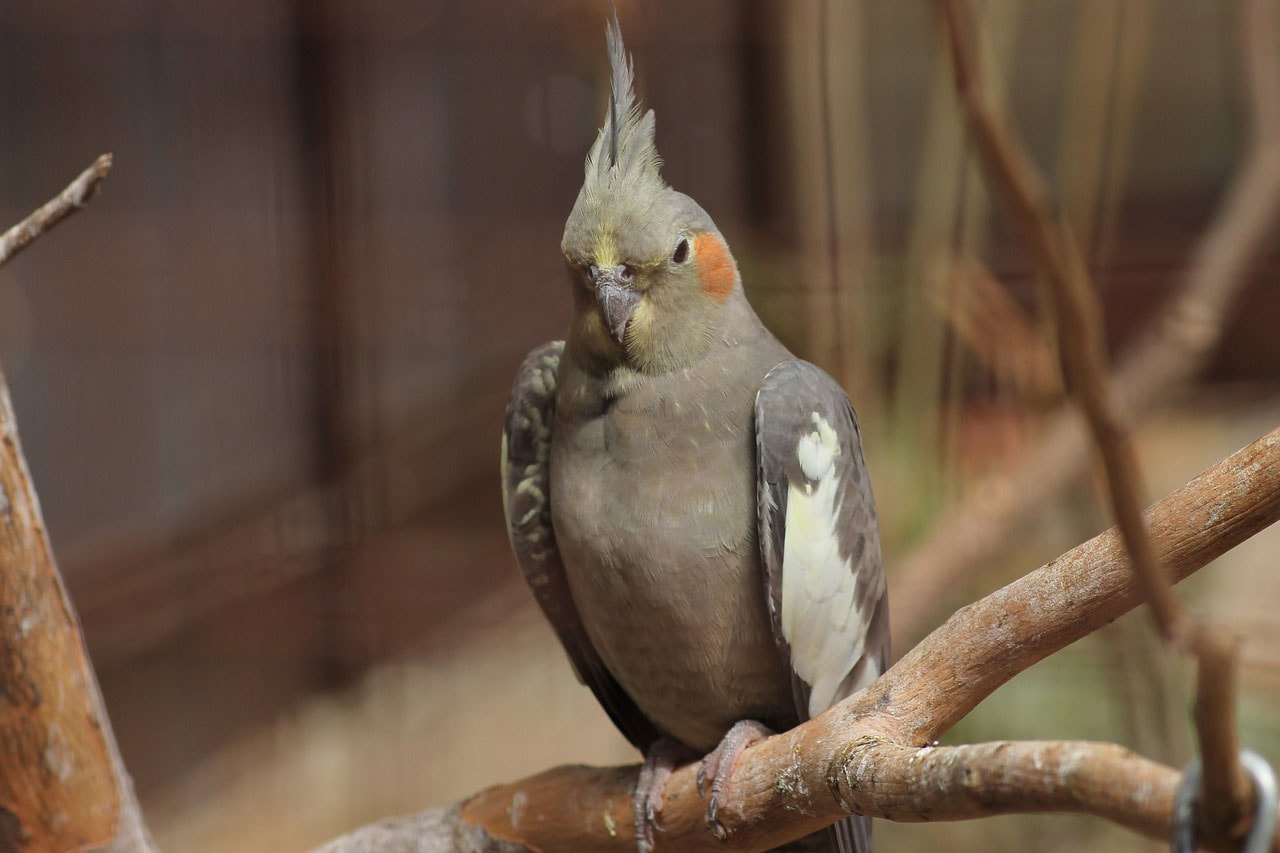
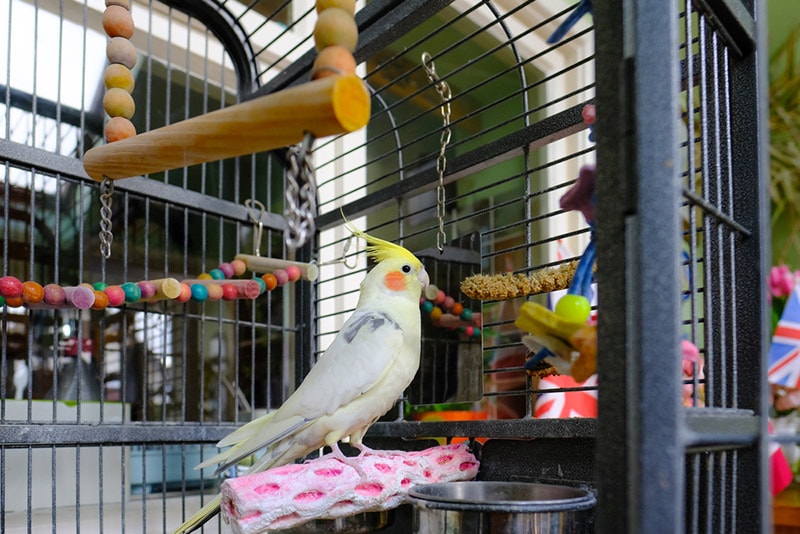
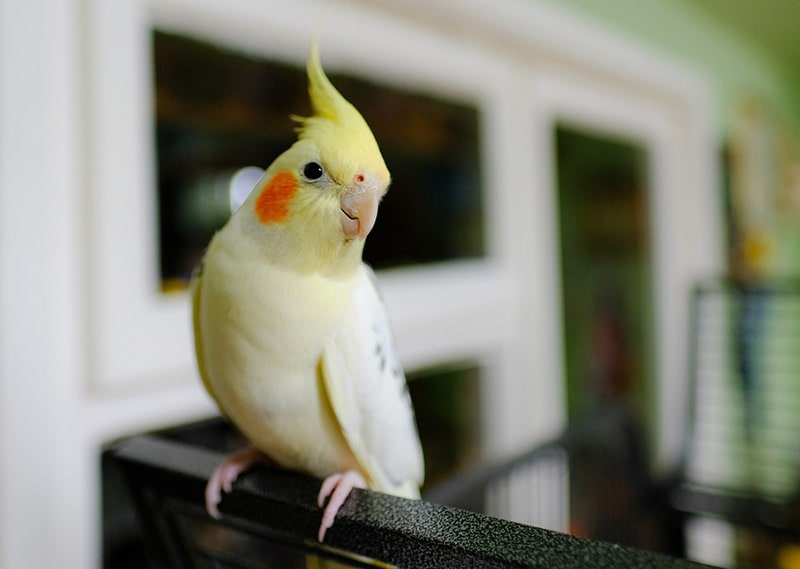
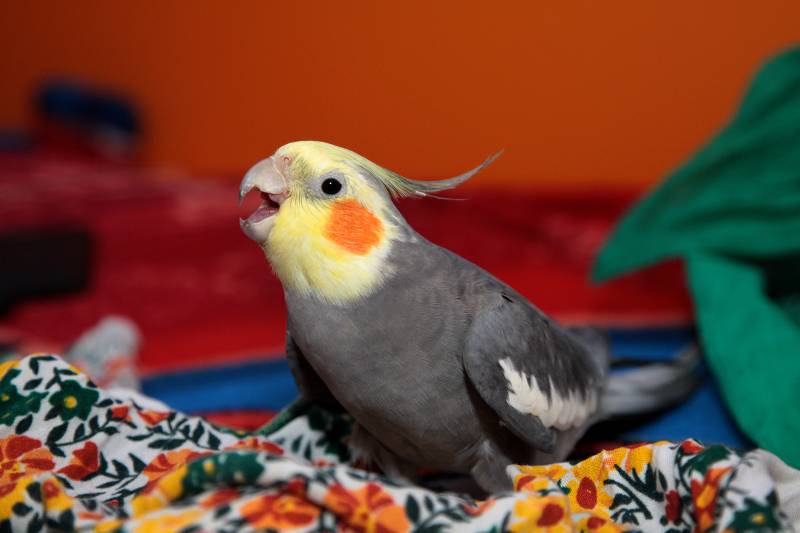
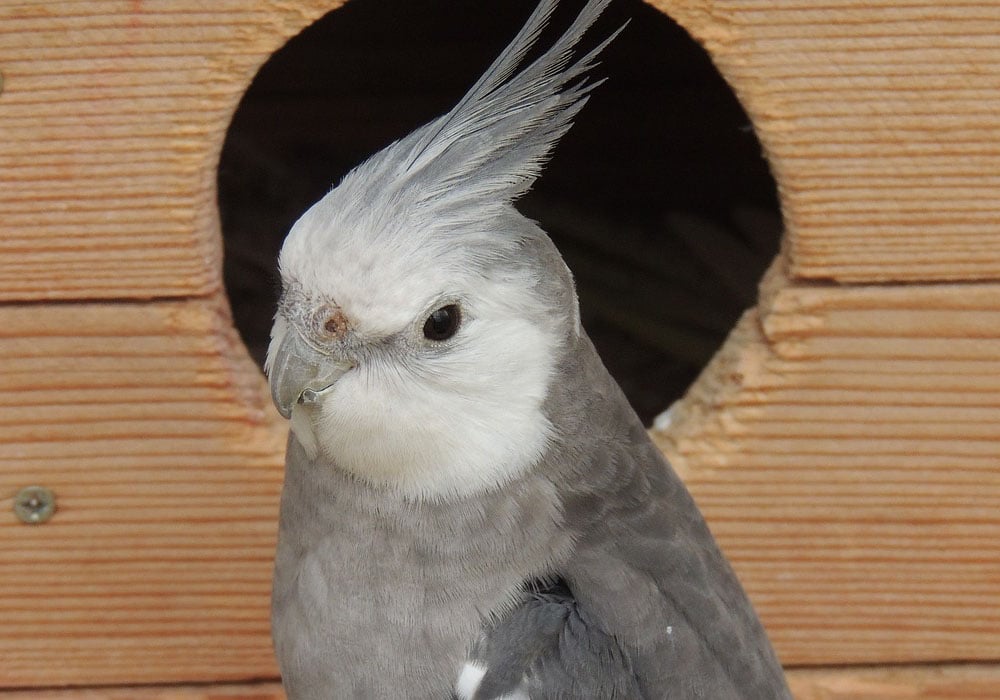
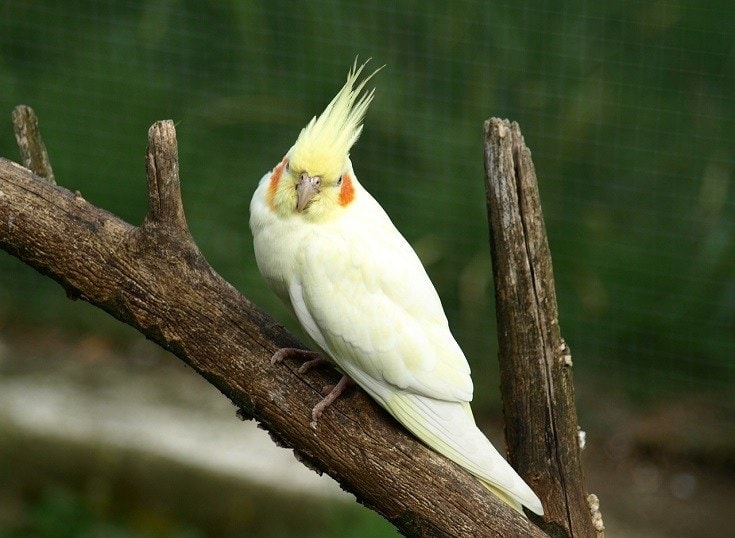
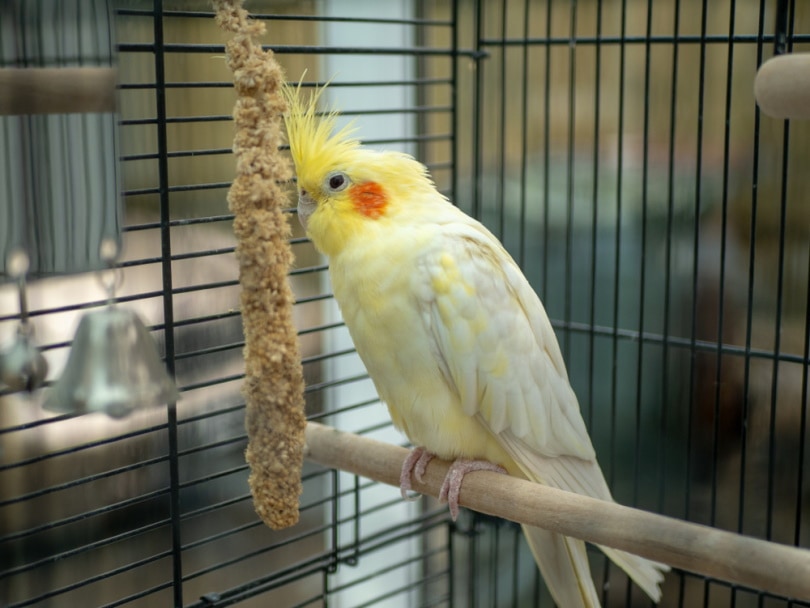
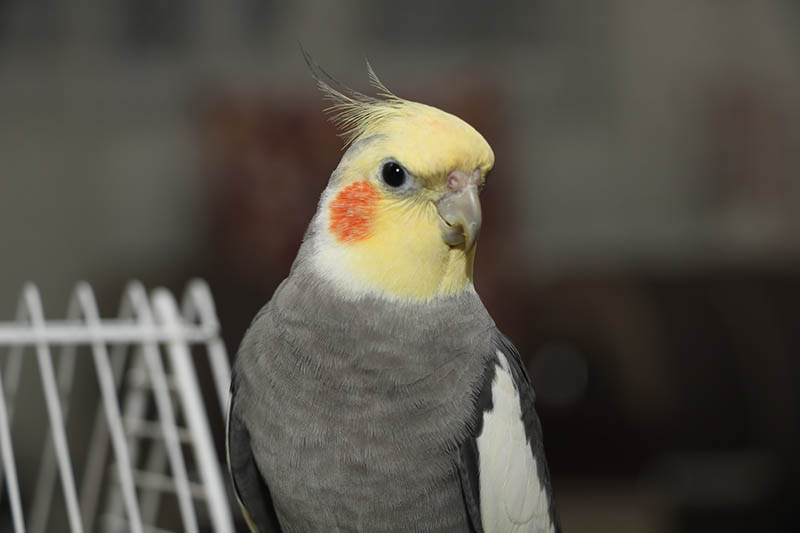
Cockatiels are available in wide varieties and color mutations. Most color mutations are sexually dimorphic, meaning that males and females have physical traits that set them apart. Until around the six-month mark, most cockatiels will appear female.
Cockatiel Size and Growth Chart
When a cockatiel is fully grown, it will be around 12 to 14 inches long. The length of a growing cockatiel isn’t typically used as a guide, as regular weighing to track weight gain better represents growth and development. A sturdy chick will gain a bit of weight every day. If it is not gaining weight, problems may be present, and a visit to the avian vet is in order.
That said, it’s normal for chicks to lose a bit of weight when they become fledglings. This is the point in a bird’s life when its feathers and wing muscles begin truly developing to sustain future flights. Most cockatiels will fledge between four to five weeks of age.
The chart below shows the average weight range and length of all cockatiel varieties. There is no change in growth rate or size between different cockatiel varieties.
| Age | Weight Range | Length |
| Hatch day | 3 grams | 4–5 inches |
| 1–2 weeks | 12–45 grams | 5–6 inches |
| 2–3 weeks | 45–72 grams | 6–7 inches |
| 3–4 weeks | 72–108 grams | 7–8 inches |
| 4–5 weeks | 80–120 grams | 8–9 inches |
| 5–7 weeks | 80–95 grams | 8–9 inches |
| 7 weeks–adult | 90–120 grams | 9–12 inches |
When Does a Cockatiel Stop Growing?
Some cockatiels reach their full adult size by the time they’re 12 months, while others need a bit more time and won’t fully mature until they’re 18 months. Some cockatiels may look fully grown as early as six months, but most haven’t yet gone through their first molt, which can affect not only their feather patterns but the length of their tail feathers and crests. Cockatiels generally don’t reach sexual maturity until they’re between one and two years old, so while your baby may look fully grown, internal developments may still happen.
Factors Affecting the Size of Cockatiel
Several factors can affect the adult size of a cockatiel.
The primary factor that can determine a cockatiel’s size is its nutrition. If a young bird isn’t given enough food or the right nutrients to grow, it won’t thrive as much as its well-fed and nourished counterparts. It’s essential to get your bird off on the right foot by offering it nutritionally complete pellets manufactured for its particular age range. Something like Kaytee’s Exact Hand Feeding Baby Bird Food is recommended to help your young cockatiel grow faster and wean earlier.
Another factor that plays into a cockatiel’s size is its genes.
Ideal Diet for Maintaining a Healthy Weight

The ideal diet for a cockatiel in captivity should consist primarily of commercial pellets. High-quality pellets have been formulated to give your bird the exact nutrition it needs to thrive in captivity. Pellets should represent between 75% and 80% of your cockatiel’s diet.
Fruits and vegetables should account for around 20 to 25% of your cockatiel’s daily diet. Wash all produce thoroughly to remove any chemicals and cut them into small pieces to make them easy for your cockatiel to grab. Steer clear of pale veggies with a high water content (e.g., iceberg lettuce) as it doesn’t offer much nutrition. Instead, dark, leafy greens like mustard greens, kale, and broccoli are great staples.
Seeds are okay to offer occasionally. However, they are high in fat and nutritionally akin to giving your children candy daily. You can offer around 1.5 tablespoons of seeds per day.
How to Measure Your Cockatiel
Measuring your cockatiel is a great way to guesstimate age if you don’t know its hatch date. Regular measuring also allows you to keep tabs on your bird’s weight to ensure it’s growing appropriately and isn’t on the verge of obesity. There are several ways you can measure your pet.

Conclusion
Cockatiels are beautiful companion birds with many redeeming characteristics. They are considered medium-sized parrots but typically only weigh in at around 120 grams when fully grown. An adult cockatiel can be as long as 14 inches, though most top out at around the 12-inch mark. Most ‘tiels will stop growing when they’re around one year, though some can still continue developing internally beyond that.
Sources
Featured Image Credit: Bita Eskandari, Unsplash
Get Hepper In Your Inbox


Pet care tips from our vets and experts, straight to your inbox.
You may opt-out at any time. View our Privacy Policy for more information.

Chantelle's life revolves around two passions: writing and animals. Raised on the prairies of Canada amidst a menagerie of pets, she now lives with five cats, two guinea pigs, and a bearded dragon. Together with her husband and child, Chantelle delights in being an exemplary animal parent, going as far as installing wall-mounted cat shelves to give their cats an indoor playground. When she's not cozying up with her cats or snapping their amusing antics, she enjoys venturing into the Rocky Mountains, binge-watching her favorite Netflix shows, and indulging in spontaneous reading adventures.
Join the conversation
Ask a question, share your story, or send private feedback.