Hepper is reader-supported. When you buy via links on our site, we may earn an affiliate commission at no cost to you. Learn more.
Yellowface Cockatiel: Pictures, Facts, & History
In this article
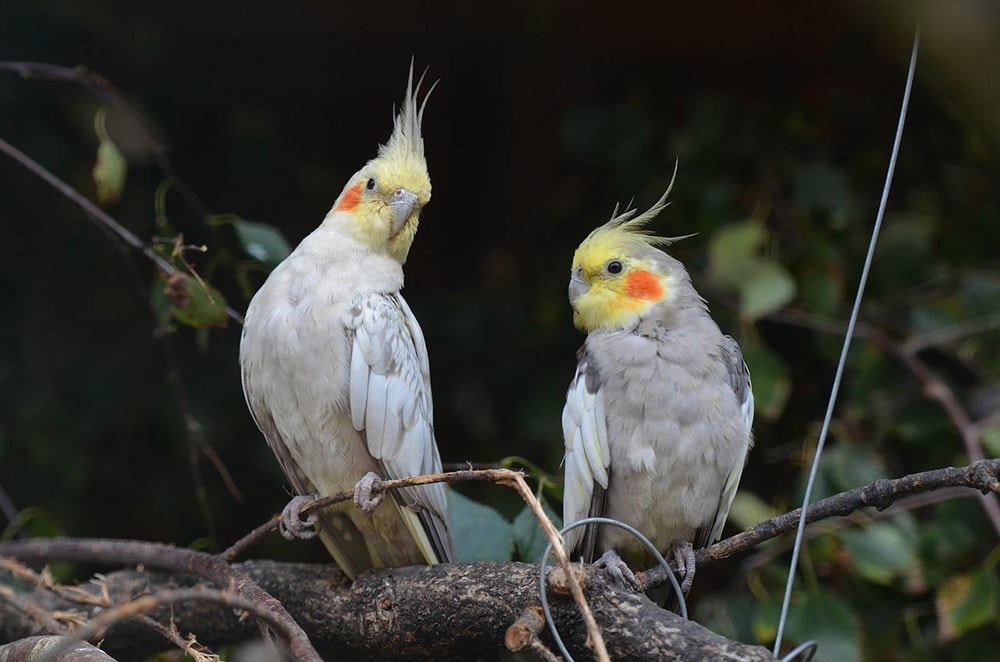
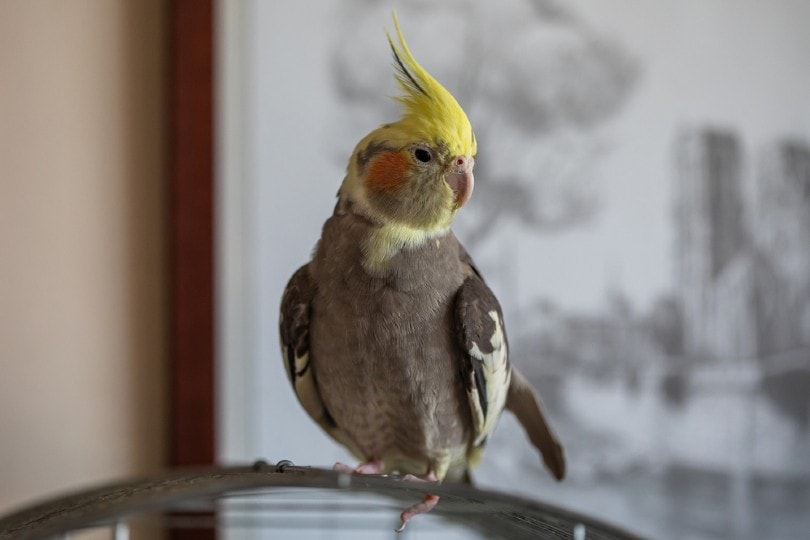
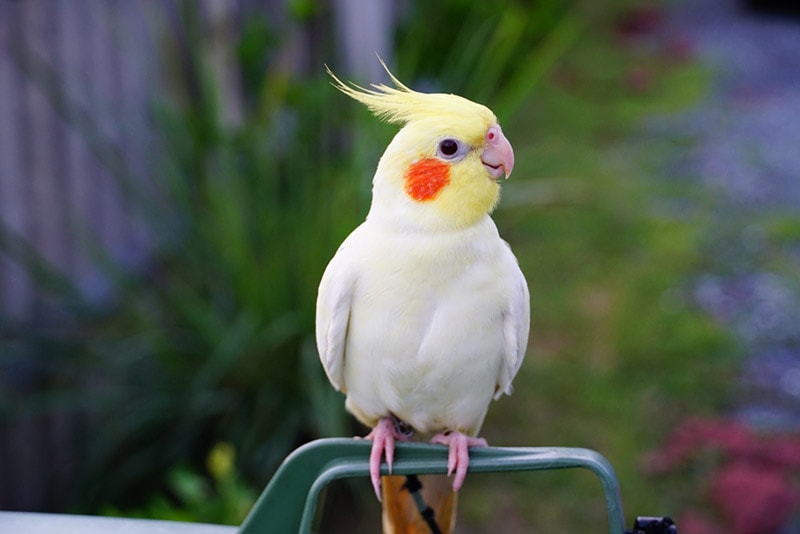
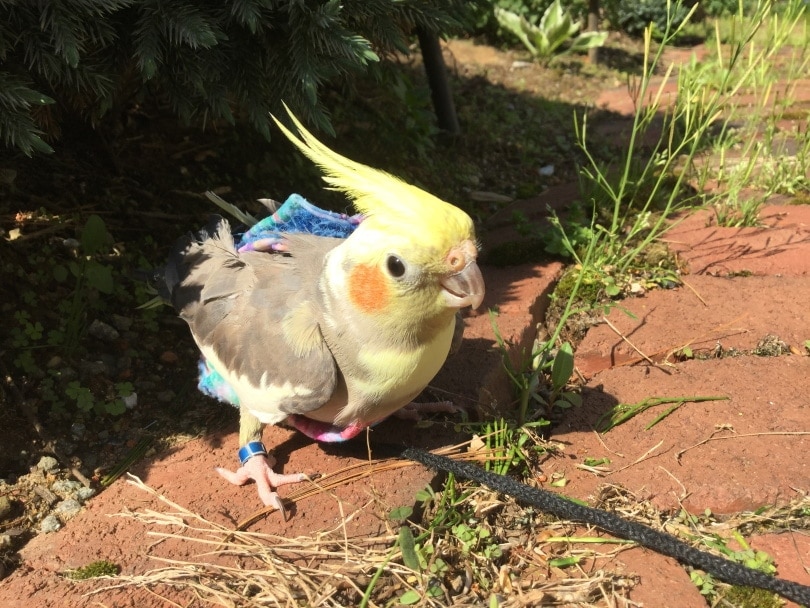
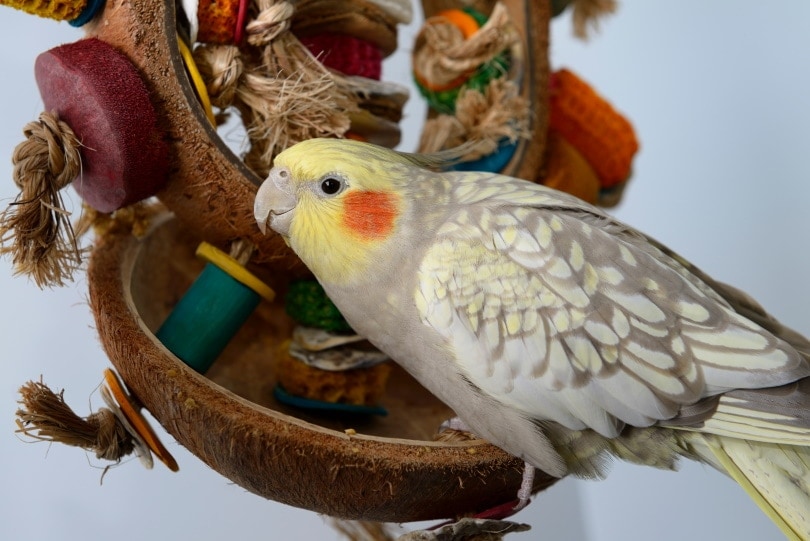
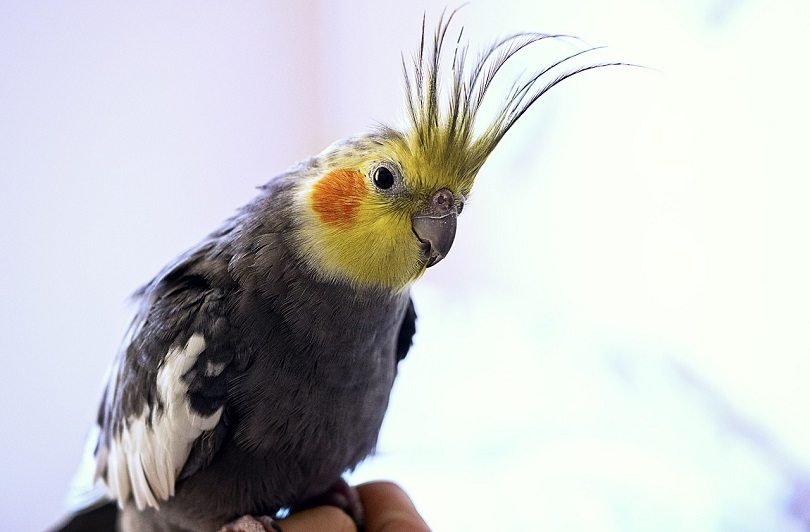
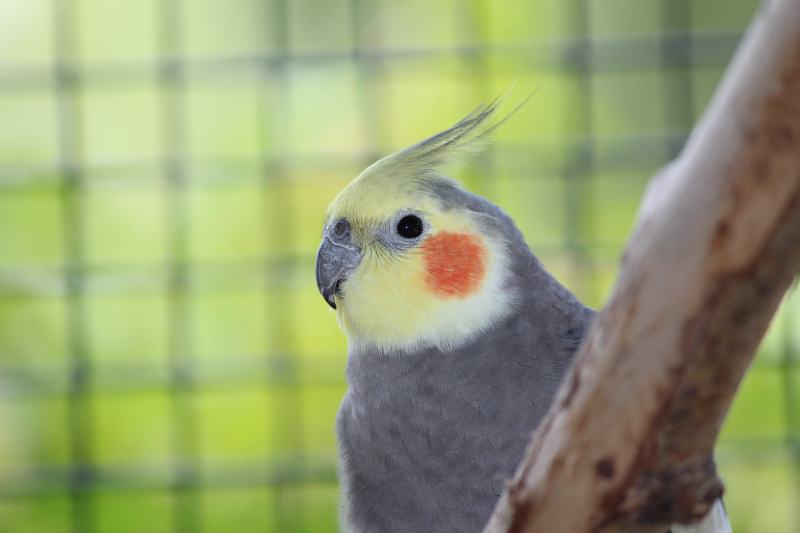
First bred in Europe and the U.S. in the 1990s, the rare Yellowface Cockatiel has similar markings to the Gray Cockatiel except rather than orange cheeks, it has yellow-colored cheek patches. The Yellowface cheek patches are not usually the same yellow as the rest of the face, which means that you can still see some variance in the facial coloring. This is a rare variant, presumably because most breeders prefer the recognizable orange cheek patches.
The Yellowface Cockatiel mutation may also be known as the Yellow Cheek Cockatiel or the Sex Linked Yellow Cheek (SLYC) Cockatiel.
| Height: | 12–13 inches |
| Weight: | 2–4 ounces |
| Lifespan: | 15–20 years |
| Colors: | Gray, yellow, white |
| Suitable for: | Inexperienced and experienced bird owners wanting a sweet, friendly bird |
| Temperament: | Friendly, intelligent, fun, interactive |
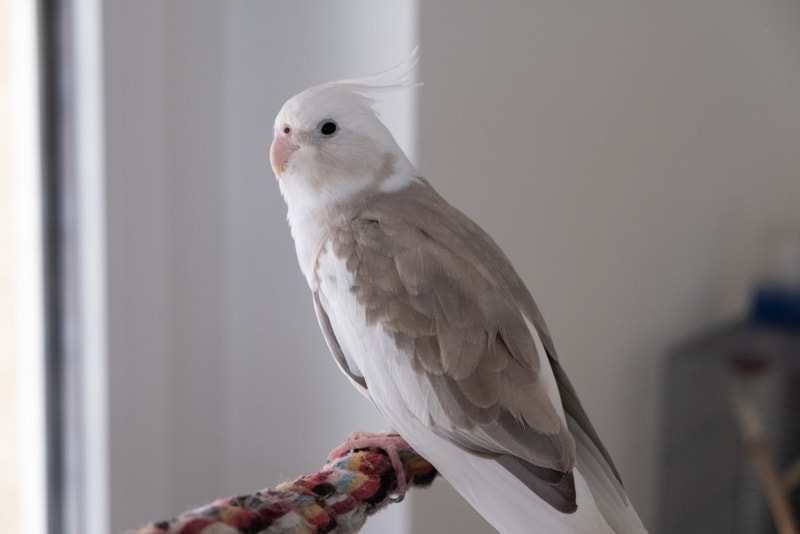
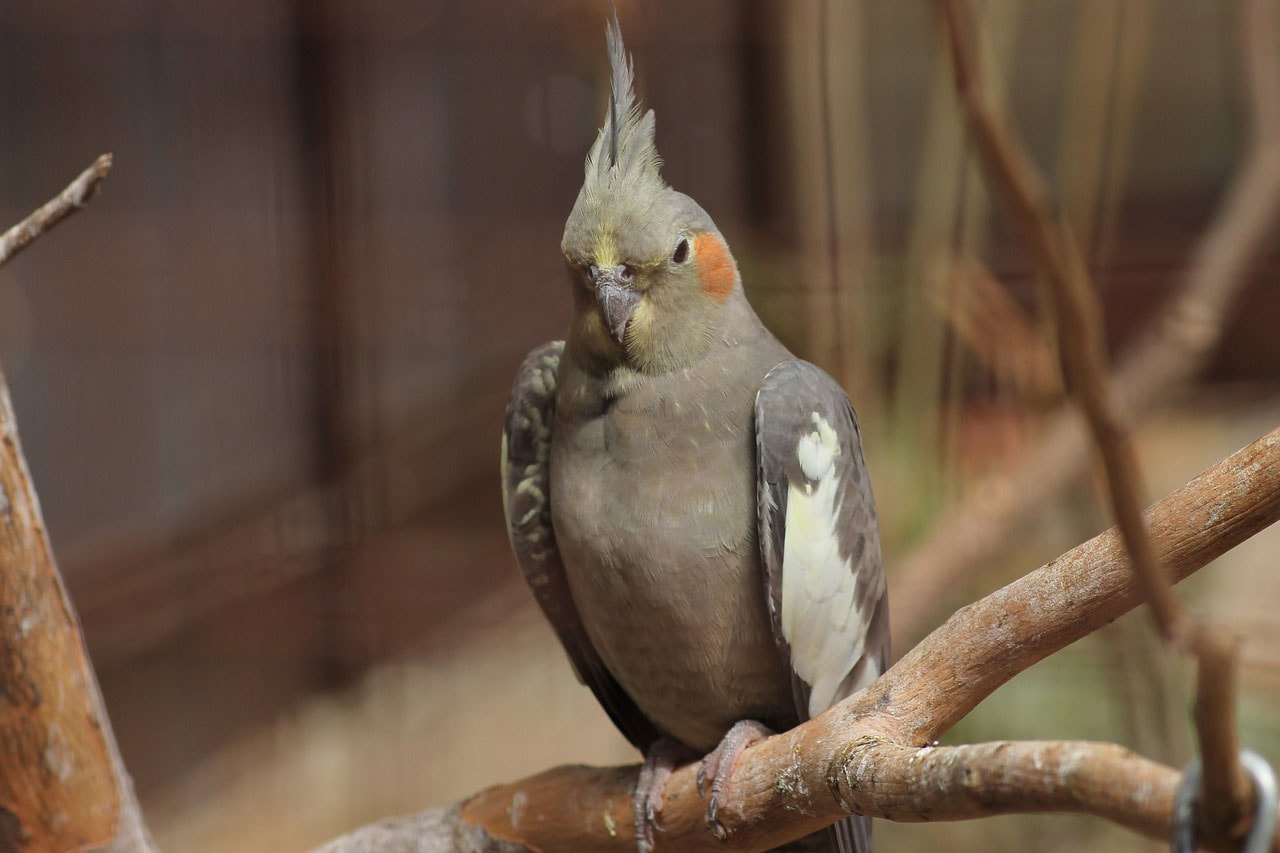
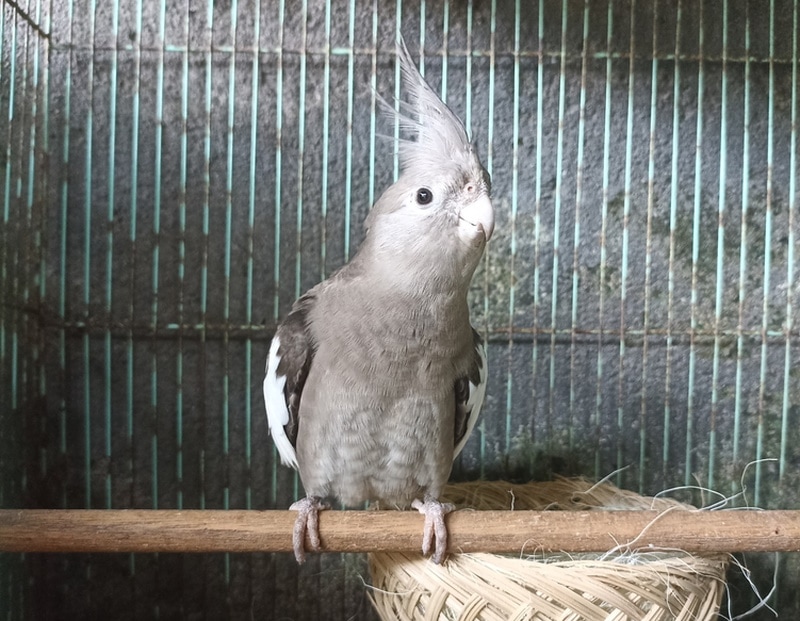
In the wild, Cockatiels are primarily gray with white wing bars. Males and females have orange cheeks and males have yellow faces. There are some slight variations in these colors, and this is the variation that is most commonly found on the pet market, too. However, there are several mutations with varying levels of popularity and availability.
The Yellowface Cockatiel differs from most other Cockatiel variations by the fact it has yellow cheek patches rather than orange. The rest of the body may be the same gray and white as the standard Cockatiel, although the Yellowface mutation can combine with other mutations, also.
Yellowface Cockatiel Breed Characteristics

The Earliest Records of Yellowface Cockatiel in History
The Yellowface Cockatiel is not believed to occur naturally in the wild. It was developed by breeders. Although exact information is not known, it is believed that the Yellowface was first bred in Germany in 1990 and then imported to the U.S., legally, in 1992. However, some reports state that the Yellowcheek first appeared in an aviary in Florida in 1996.
There are not believed to be any Yellowface Cockatiels in Australia, where the bird naturally originates, and they are very difficult to find in the UK while being difficult to source even in the U.S. where they were likely first developed.
As yet, the breed has not become popular, either because it is difficult to reproduce with any certainty or because Cockatiel owners prefer the orange cheeks.
How Yellowface Cockatiels Gained Popularity
Cockatiels are one of the most popular of all pet birds, with just the Parakeet or Budgerigar likely being more popular. They are kept as pets because they are friendly, lively, and intelligent. They also have a lifespan of up to 20 years, which makes them a great choice as a family pet that will be around for years.
Some mutations, like the Lutino Cockatiel and the Pied Cockatiel, have also become popular for their unusual looks. However, the Yellowface Cockatiel has not really become a popular or common mutation.
Breeding Yellowface Cockatiels
Yellowface Cockatiels are very rare on the pet market. Part of the reason for this is that they may not be popular with prospective owners, but there are some difficulties associated with breeding the mutation, as well. Cockatiels of a sex-linked mutation are known to be reluctant to sit on their eggs which means that breeders need to incubate and potentially foster the eggs of the Yellowface mutation to another breeding pair.
Top 3 Unique Facts About Yellowface Cockatiels
1. They Make Good First Pets
Cockatiels are sometimes described as being ideal first birds. They are easier to care for than larger Parrot species, tolerate and even enjoy being handled, and are large enough that they aren’t too easily injured when being handled by kids. However, children should always be supervised when they do handle Cockatiels and while the Cockatiel can make a good first pet, they do require plenty of exercise and mental stimulation, including several hours a day out of their cage.
2. They Are Very Intelligent
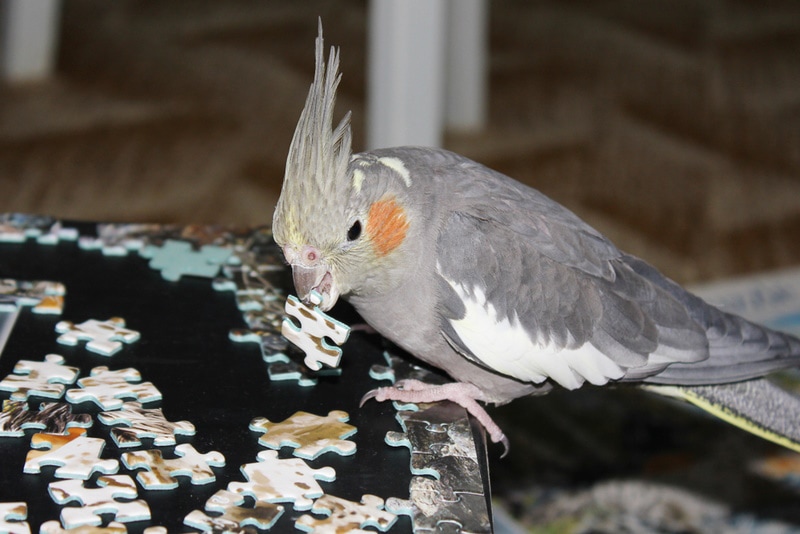
Although only a very small number of Cockatiels will learn to talk, they are still an intelligent species. They will learn to repeat and mimic other noises, including alarm clocks and phone rings, and they can be taught to do some basic tricks. You should be able to teach your Cockatiel to hop on your finger, jump on your shoulder, and also dance and perform other tricks. They genuinely seem to enjoy entertaining and especially enjoy the attention they receive when they do mimic a trick.
3. They Live a Long Time
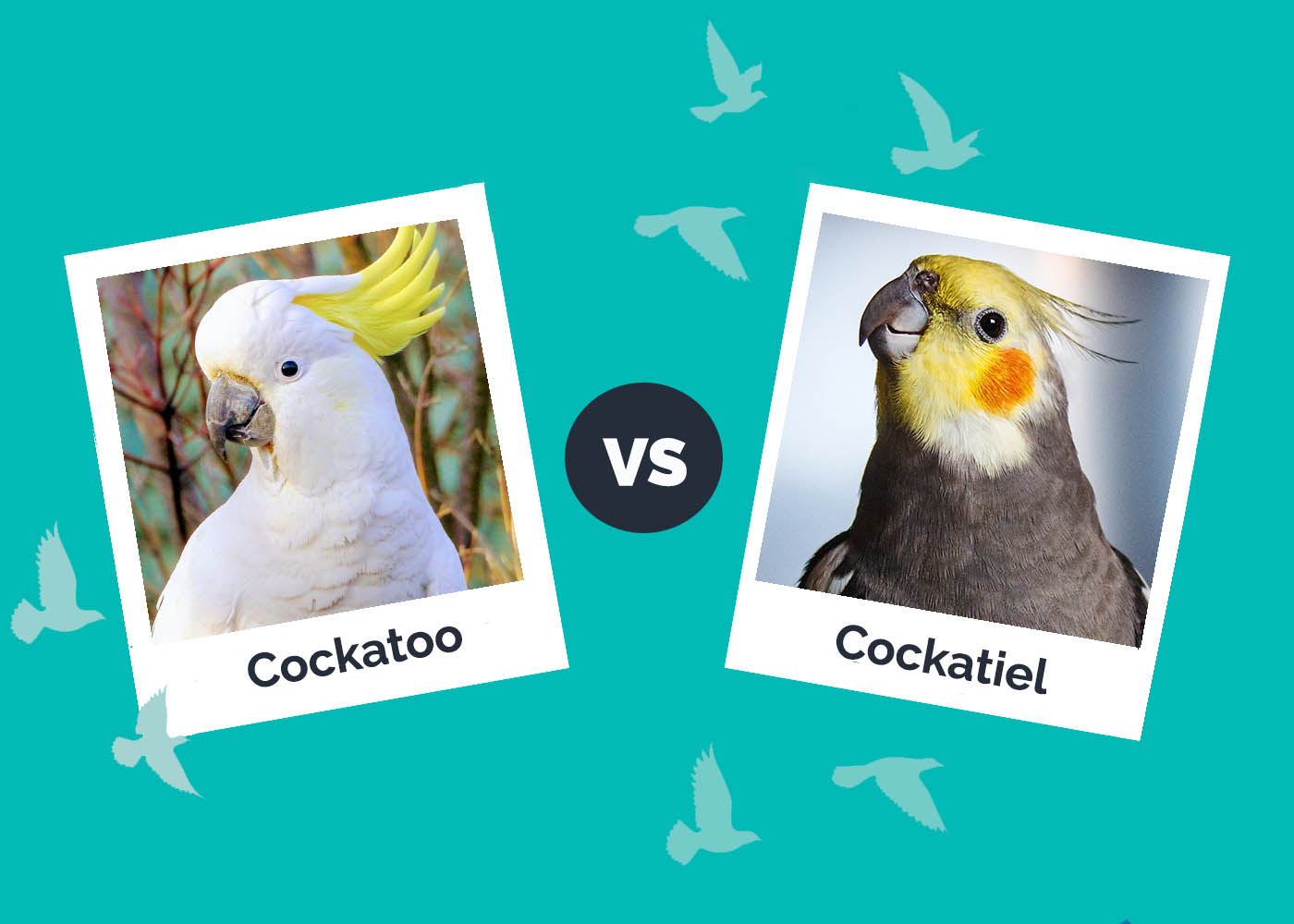
While they don’t live as long as other pet bird species (some Cockatoos reach 60 years old or more), Cockatiels can live as long as 20 years in captivity. This means that they can live as long, if not longer, than a lot of dog and cat breeds. It also means that you and your family members won’t become attached to your new pet just for it to pass. Parakeets only live approximately 7 years and Finches slightly less than this. Although there is no guarantee your Cockatiel will live this long, ensuring a good diet, good living conditions, and plenty of exercise will help improve the likelihood of a long-lived Cockatiel.
Does the Yellowface Cockatiel Make a Good Pet?
If you can find a Yellowface Cockatiel, it will usually make a very good pet. Like all Cockatiels, they are considered friendly and interactive birds. They enjoy company and make good companions for their owners and families. They are also intelligent and can learn tricks as well as mimic some sounds. Although it is possible, a Cockatiel will rarely learn to mimic human words.
However, Cockatiels aren’t a pet that can simply be forgotten and left to fend for themselves. The species likes to spread its wings and will need a decent-sized cage. It should also enjoy several hours a day out of its cage, in a secure room that it cannot escape from. Finally, although not especially messy, Cockatiels do poop and they do so out of the cage, so this will need clearing up, and like all bird species, their wings can get dusty and this can cause a bit of a mess.
Conclusion
The Yellowface Cockatiel is a very rare mutation of the Cockatiel. Rather than the orange cheeks that most Cockatiels have, they have yellow patches, although the yellow of the cheeks tends to be more of a golden color than the rest of the yellow facial markings. The rarity of the mutation makes it expensive but, like all Cockatiels, the Yellowface is a friendly, intelligent bird that can make an excellent family pet and companion. It is considered an especially suitable species for first-time bird owners.
See also:
Sources
Featured Image Credit: Joshua_Willson, Pixabay
Get Hepper In Your Inbox


Pet care tips from our vets and experts, straight to your inbox.
You may opt-out at any time. View our Privacy Policy for more information.

Nicole is a lover of animals of all sizes but is especially fascinated with the feline variety. She’s the proud mom of Baby, a Burmese, and works every day so he can relax in the sunshine or by the fire. She’s always had a cat in her home and has spent countless days with others, observing behaviors and softening up even the grouchiest of the lot. Nicole wants to share her kitty expertise with you so you and your cat can live happy, healthy, and care-free.
Join the conversation
Ask a question, share your story, or send private feedback.